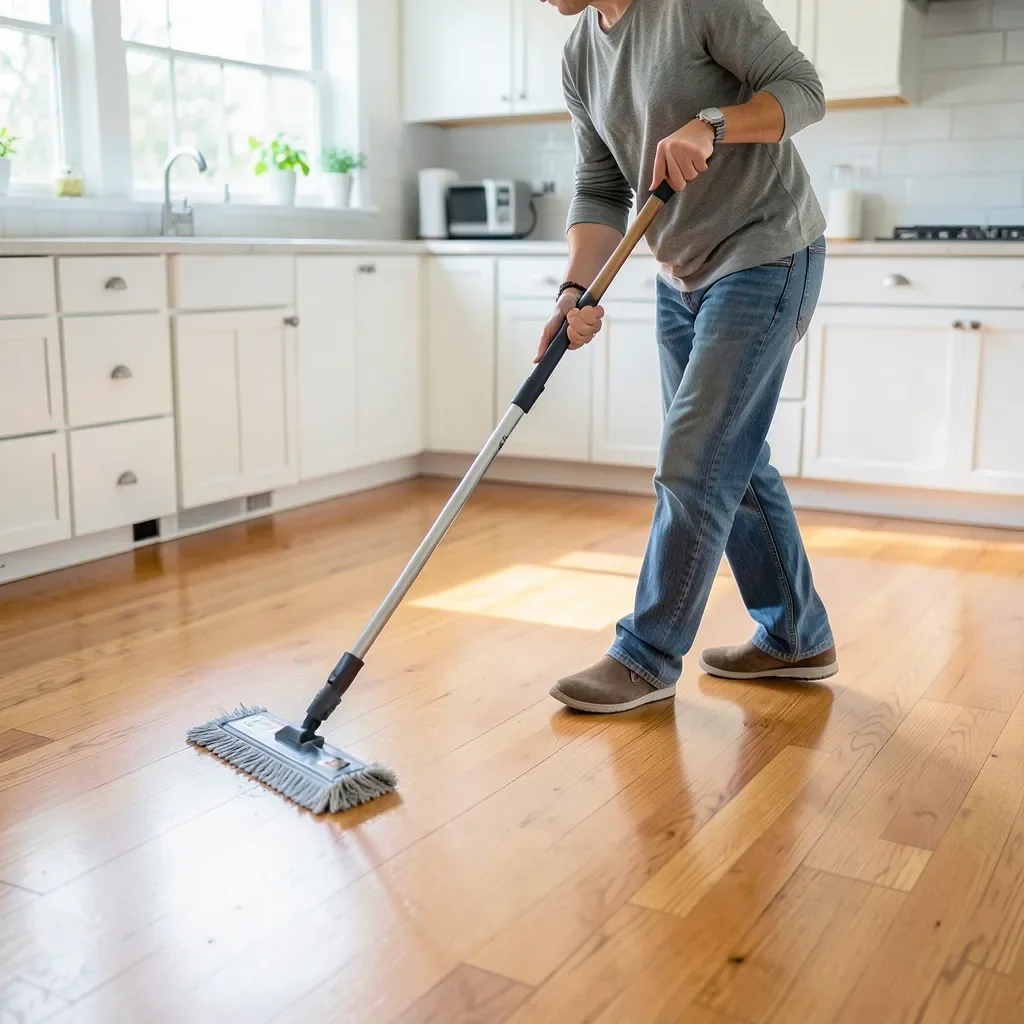
Best Way to Use O’Cedar Mop: Expert Tips for Sparkling Clean Floors
The best way to use an O’Cedar mop is to wring the microfiber head to damp rather than soaking wet, mop in straight overlapping strokes or a loose figure-eight pattern, and match your cleaning solution to your actual floor type – too much water is the single biggest risk to hardwood and laminate floors, not the mop itself. O’Cedar makes several mop styles (spin, spray, and sponge), and the right setup and technique varies a bit by type and by floor.
Choosing the Right O’Cedar Mop for the Job
The Classic Choice
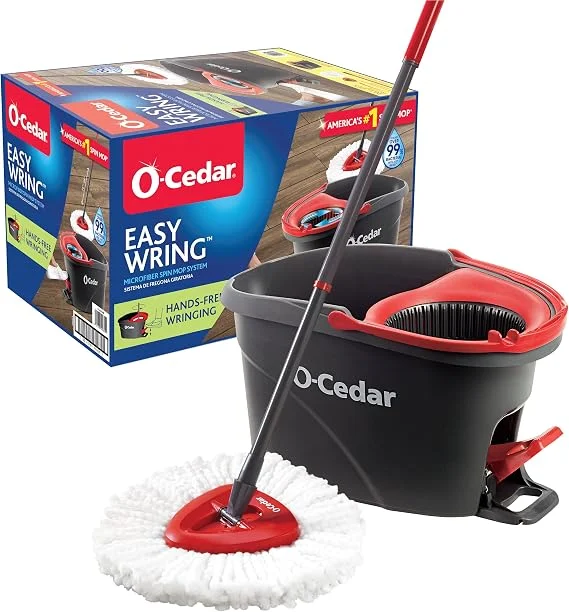 |
O-Cedar EasyWring Microfiber Spin Mop & Bucket System The foot-pedal wringer is what makes this model easy to keep at the right dampness level for hardwood and laminate.
|
Spin mops (like the EasyWring above) use a foot-pedal bucket to wring the microfiber head to a controlled dampness without touching it by hand, which makes them the best choice for larger rooms and for hardwood, where controlling moisture matters most. Spray mops are built for quick daily touch-ups on tile or vinyl rather than deep cleaning a whole floor. Sponge mops work well on tile and linoleum but aren’t the best pick for hardwood, since they tend to leave more water behind than a wrung microfiber head.
Whichever style, look for a mop head that detaches easily for washing, a handle that doesn’t flex under pressure, and (for spin mops) a wringer that actually gets the head to damp rather than just “less wet.”
Preparing the Floor Before You Mop
Sweep or vacuum first – mopping over loose dirt just drags grit across the floor and can scratch a hardwood or laminate finish. Clear obstacles out of the way so you’re not working around furniture legs, and identify your floor type before picking a cleaner: wood needs a wood-specific, low-moisture cleaner, tile tolerates most general cleaners, and laminate needs a gentle, non-abrasive product since its top layer is a thin protective coating rather than solid material.
Setting Up and Mopping Technique
- Attach the mop head to the handle until it clicks securely, and check it sits straight rather than crooked.
- Fill the bucket with warm water to the fill line and add the recommended amount of floor cleaner – more isn’t better, and excess soap leaves a dulling residue.
- Dip the mop head, then wring it (with the foot pedal on a spin mop) until it’s damp, not dripping.
- Mop in straight, overlapping lines or a loose figure-eight, keeping the head flat against the floor rather than lifting and slapping it down.
- Re-wring and re-wet as the head picks up dirt and starts to feel dry, rather than pushing dirty water around.
- For hardwood specifically, mop in the direction of the wood grain for the most even, streak-free result.
Cleaning Solutions: What to Use and What to Avoid
A mild detergent or a cleaner specifically labeled for your floor type is the safest default. Harsh chemicals and undiluted strong cleaners can strip a hardwood finish or dull a laminate surface over time, so always dilute per the label and test an inconspicuous spot first with anything new, especially on an older finish that may already be thinner than it looks. A simple homemade option – one part white vinegar to one part water, with a few drops of essential oil if you want scent – works well on sealed floors, though vinegar’s acidity isn’t recommended for natural stone tile, which it can etch over repeated use.
A baking soda paste (baking soda mixed with a little water) is useful for scrubbing a stubborn spot before mopping the rest of the floor normally, but rinse the area well afterward – leftover baking soda residue can leave a dull film once it dries.
Floor-by-Floor Notes
| Floor Type | Moisture Level | Watch Out For |
|---|---|---|
| Hardwood | Damp only, never soaked | Standing water can warp boards or dull the finish over time |
| Laminate | Lightly damp | Water seeping into seams can cause the core to swell |
| Tile | Damp to lightly wet | Grout lines need a small brush for buildup; avoid harsh acids on natural stone |
| Vinyl/Linoleum | Damp to lightly wet | Generally the most forgiving of the group, still avoid pooling water at seams |
Hardwood and laminate are the two floor types where getting the moisture level right actually matters for the floor’s lifespan – tile and vinyl are considerably more forgiving of a slightly wetter mop.
Why Microfiber Actually Works Better Than String or Sponge
Microfiber isn’t just a marketing term – the individual fibers are split during manufacturing into a structure with far more surface area than a cotton string or sponge, which lets it physically trap dust and bacteria in the fiber rather than just pushing them around on top of a film of water. This is also why a microfiber head needs less water to clean effectively than an old-style string mop: the fiber does more of the actual lifting work, and excess water becomes purely a liability (streaking, slow drying, floor damage) rather than a cleaning advantage. It’s a real reason “damp, not soaked” isn’t just a cautious suggestion – it’s how the material is actually designed to perform best.
Common Mistakes That Undermine a Good Mop Job
- Mopping with dirty water. Once the bucket water looks visibly cloudy or dirty, you’re redepositing grime rather than removing it – change the water rather than stretching one fill across a whole house.
- Skipping the dry sweep first. Mopping over loose grit is the fastest way to put fine scratches in a hardwood or laminate finish over time.
- Using the wrong cleaner for the floor. A cleaner made for tile can be too harsh or too acidic for a sealed hardwood finish, and vice versa.
- Letting the mop head sit wet. This is the single biggest cause of the sour, mildew smell people associate with mops in general – it’s a storage problem, not an inherent flaw in the mop.
Maintaining the Mop Itself
Rinse the mop head thoroughly after every use and let it air dry fully before storing – a damp mop head stored closed up is exactly how mildew smell develops. Machine-wash the head periodically with a mild detergent (skip fabric softener, which coats and reduces microfiber’s cleaning ability), and replace it every few months or sooner if it’s seeing heavy use or stops picking up dirt effectively. Store the mop upright or hung, in a dry spot with airflow, rather than jammed in a closed closet or a sealed cabinet where the head can’t finish drying between uses.
How Often to Mop
High-traffic areas like kitchens and entryways generally benefit from mopping once or twice a week, while lower-traffic bedrooms or guest rooms can usually go every other week without looking neglected. Mopping more often than a floor actually needs doesn’t hurt anything, but it does wear down a mop head faster and adds unnecessary moisture exposure to hardwood over time – matching frequency to actual foot traffic and mess, rather than sticking to a rigid fixed calendar schedule regardless of actual conditions, is the more practical approach.
Safety While Mopping
- Wear non-slip shoes and mop in sections you can dry as you go, rather than leaving standing puddles behind.
- Warn others in the house if the floor will be wet, especially with kids or pets around.
- Wear gloves when handling concentrated cleaning solutions, and rinse the mop in clean water afterward to remove chemical residue.
- Wash your hands after mopping, particularly if you used anything stronger than a mild detergent.
Frequently Asked Questions
How do you use an O’Cedar mop?
Wet the mop head, wring it to damp (not dripping), and mop in overlapping straight lines or a loose figure-eight. Re-wring as the head picks up dirt, and finish by rinsing the head and letting it air dry.
How often should I replace the mop head?
Roughly every three months for regular use, sooner if it’s used heavily, cleaning a large household, or stops picking up dirt effectively even after washing.
Can an O’Cedar mop be used on all floors?
Yes, but moisture control matters more on some floors than others. Hardwood and laminate need the mop wrung to damp, not soaking, to avoid warping or swelling; tile and vinyl tolerate more moisture.
How do you clean the O’Cedar mop head?
Remove it and machine wash with a mild detergent (no fabric softener), then air dry completely before reattaching or storing.
Conclusion
The technique matters more than the specific O’Cedar model: keep the head damp rather than soaked, match the cleaner to the floor, and rinse and air-dry the head after every use. Get those three things right and an O’Cedar mop handles hardwood, laminate, tile, and vinyl equally well, with none of the streaking or slow-drying that comes from overloading the head with water in the first place.
Sponsored / affiliate links. As an Amazon Associate I earn from qualifying purchases. I may earn additional commission from eligible campaigns.