Types of Table Saws: Essential Guide to Best Picks
Table saws come in several types: contractor saws, cabinet saws, and portable saws. Each type serves specific needs in woodworking and construction.
Choosing the right table saw can significantly enhance your woodworking projects. Each type offers unique features tailored for various tasks. Contractor saws are portable and great for job sites, while cabinet saws provide stability and precision for serious woodworkers. Portable saws, as the name suggests, are lightweight and easy to move, making them ideal for DIY enthusiasts.
Understanding these types helps you select the best table saw for your needs, whether you’re a hobbyist or a professional. With the right table saw, you can achieve accurate cuts and elevate your craftsmanship.
Introduction To Table Saws
Table saws are essential tools for woodworking. They provide precision and power. Understanding the different types of table saws helps in making the right choice. This section covers the role of table saws in woodworking and their key features.
The Role Of Table Saws In Woodworking
Table saws play a crucial role in woodworking projects. They allow for accurate cuts and quick setups. Woodworkers use them for various tasks, such as:
- Crosscuts
- Rip cuts
- Bevel cuts
These saws can handle different materials. From plywood to hardwood, table saws make cutting easy. They improve efficiency in any workshop.
Key Features Across Different Types
Different types of table saws come with unique features. Here is a comparison of the most common types:
| Type of Table Saw | Portability | Power Source | Best For |
|---|---|---|---|
| Benchtop Saw | High | Electric | Small projects |
| Contractor Saw | Medium | Electric | Job sites |
| Cabinet Saw | Low | Electric | Professional use |
| Hybrid Saw | Medium | Electric | Home workshops |
Consider these features:
- Blade Size: Common sizes are 10 and 12 inches.
- Fence System: Look for easy adjustments.
- Dust Collection: Important for cleanliness.
Choose the right table saw based on your needs. This decision impacts your woodworking experience.
Benchtop Table Saws
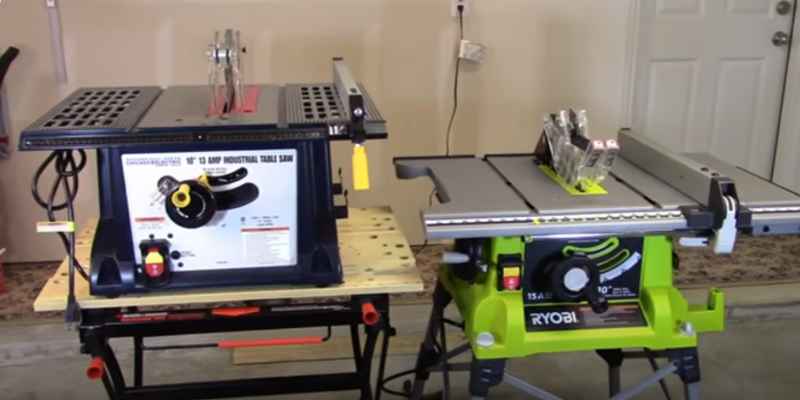
Benchtop table saws are perfect for hobbyists and DIY enthusiasts. They offer a great balance of power and portability. These saws are designed for small spaces and easy transport.
Portability And Compact Design
Benchtop table saws feature a lightweight build. They are easy to move around your workshop or job site. Most models fit on a standard workbench. This compact design saves space without sacrificing performance.
- Weight: Generally under 50 pounds
- Size: Typically around 20-30 inches wide
- Setup: Quick and simple assembly
Many units include built-in handles. This makes carrying them effortless. Some models even have folding legs for added convenience. These features enhance their portability for various projects.
Ideal Projects For Benchtop Models
Benchtop table saws are versatile tools. They work well for many projects. Here are some ideal uses:
- Cutting plywood sheets
- Making furniture pieces
- Creating custom cabinetry
- Crafting small wood items
- Performing precise crosscuts
These saws excel in smaller tasks. They deliver accuracy and ease of use. Many crafters prefer them for home improvement projects. They are also great for beginners learning woodworking.
Jobsite Table Saws
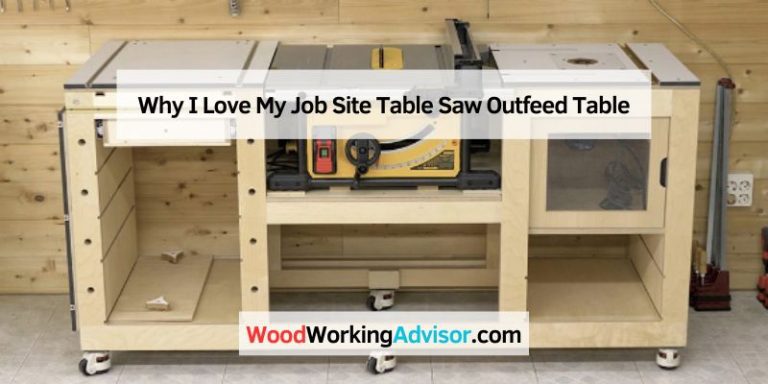
Jobsite table saws are essential tools for contractors and DIY enthusiasts. They combine power and portability, making them perfect for various job sites. These saws can handle tough materials while being easy to transport.
Enhanced Durability For The Worksite
Jobsite table saws are built to withstand harsh conditions. They are designed with robust materials to resist wear and tear. Key features include:
- Heavy-duty construction: Strong frames and surfaces.
- Weather-resistant: Can handle different climates.
- Impact protection: Shields against accidental drops.
Many jobsite saws also come with protective features. These include blade guards and safety switches. This design helps ensure user safety on busy sites.
Balancing Power With Mobility
Portability is crucial for jobsite table saws. They are lightweight and easy to move. Features that enhance mobility include:
- Compact size: Fits easily in vehicles.
- Integrated wheels: Allows for smooth transport.
- Quick setup: Saves time on the job.
Despite their lightweight nature, these saws do not compromise power. They can handle various cutting tasks efficiently. Many models offer:
- Powerful motors for tough cuts.
- Adjustable blades for precision.
- Stable bases for steady operation.
Jobsite table saws provide the perfect balance between power and mobility. They ensure effective performance while being easy to transport.
Contractor Table Saws
Contractor table saws are popular among woodworkers and contractors. They offer power and portability. These saws balance performance and price, making them ideal for job sites. Their design suits both home use and professional projects.
Larger Tables For Increased Support
Contractor table saws feature larger tables. This design provides better support for wide materials. Here are some key features:
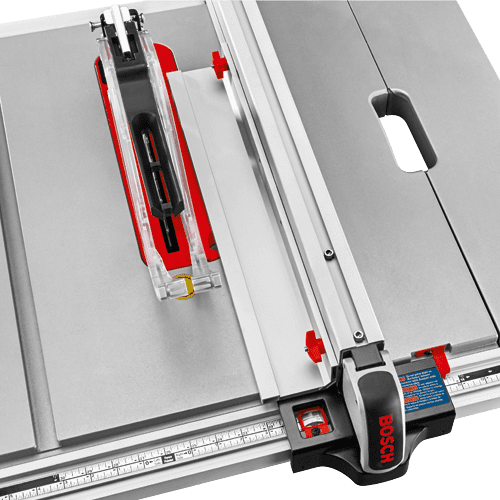
- Extended Surface Area: Helps stabilize large sheets.
- Adjustable Extensions: Allows for versatile setups.
- Built-in Rulers: Offers precise measurements easily.
These features enhance cutting accuracy. Users can handle bigger pieces with ease. A larger table reduces the risk of tipping during cuts.
Why Contractors Favor These Saws
Contractor table saws are favored for several reasons:
- Portability: Many models are lightweight and easy to transport.
- Powerful Motors: They typically have strong motors for tough cuts.
- Affordability: Prices are reasonable compared to cabinet saws.
- Durability: Built to withstand job site conditions.
Contractors appreciate these saws for their reliability. They can handle various materials, like hardwood and plywood. Versatility makes them essential tools on any job site.
Cabinet Table Saws
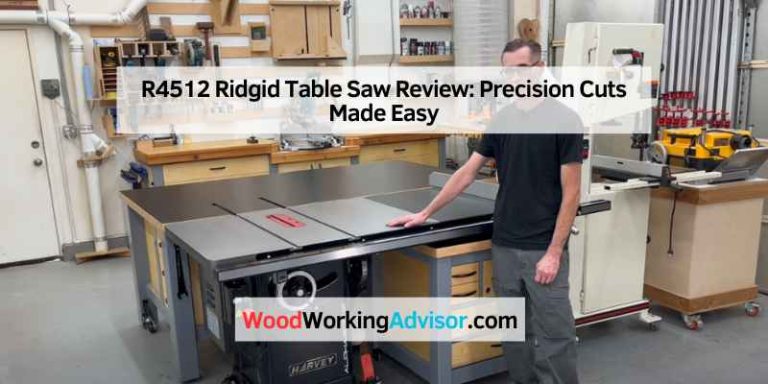
Cabinet table saws are essential tools for serious woodworkers. They offer power, stability, and precision. Designed for heavy-duty tasks, these saws are perfect for professional workshops. Their robust construction allows for accurate cuts and repeatability. Let’s explore their features.
Robust Construction For Precision
Cabinet table saws feature a solid build. This construction ensures minimal vibration during operation. Less vibration means better accuracy in cuts.
- Heavy-duty cast iron table: Provides stability and support.
- Enclosed cabinet: Reduces noise and improves dust collection.
- Powerful motor: Handles tough materials with ease.
These features lead to a smooth cutting experience. Users enjoy clean, precise edges on every cut.
Long-term Investment For Professionals
Cabinet table saws are a wise investment. They last for many years with proper care. Their durability makes them suitable for daily use.
- High-quality components increase lifespan.
- Lower maintenance costs over time.
- Improved resale value if needed.
Many professionals consider cabinet table saws essential. They provide the accuracy and reliability needed for high-quality projects. Investing in one saves time and money in the long run.
| Feature | Benefit |
|---|---|
| Heavy-duty construction | Enhanced stability and accuracy |
| Powerful motor | Effortlessly cuts through tough materials |
| Enclosed cabinet | Better dust control and quieter operation |
Hybrid Table Saws
Hybrid table saws blend features from contractor and cabinet saws. They aim to provide the best of both worlds. Ideal for serious hobbyists and small shop owners, hybrid saws offer great performance.
Combining The Best Of Contractor And Cabinet Saws
Hybrid table saws combine portability and stability. Here are some key features:
- Weight: Heavier than contractor saws but lighter than cabinet saws.
- Price: More affordable than cabinet saws, making them budget-friendly.
- Power: Usually have a 1.5 to 2 horsepower motor.
- Size: Compact design fits well in smaller workshops.
These saws appeal to users needing versatility without sacrificing power. They can handle various materials, from plywood to hardwood.
Features That Justify The Hybrid Name
Hybrid table saws include features that elevate them above other types:
| Feature | Description |
|---|---|
| Built-in Dust Collection | Helps keep the workspace clean and safe. |
| Riving Knife | Prevents kickback for safer cutting. |
| Table Extension | Increases cutting surface for larger materials. |
| Fence System | Provides accurate and easy adjustments. |
These features make hybrid saws a smart choice for many woodworkers. They offer a balance of performance, safety, and convenience.
Specialty Table Saws
Specialty table saws are designed for specific tasks. They enhance precision and efficiency in woodworking. These tools cater to unique cutting needs, making projects easier.
Understanding Dado And Miniature Saws
Dado saws and miniature saws are common types of specialty table saws.
- Dado Saws: Ideal for creating grooves and dados. They cut wider slots in wood.
- Miniature Saws: Perfect for small, intricate cuts. They are great for detailed projects.
Both saws have their unique features:
| Type of Saw | Best For | Key Features |
|---|---|---|
| Dado Saw | Grooves and dados | Wide blade, adjustable width |
| Miniature Saw | Intricate cuts | Small blade, high precision |
When To Use Specialty Saws
Choose specialty saws for specific tasks. Use them for tasks that require precision. Here are some scenarios:
- Making furniture with grooves.
- Creating intricate designs in wood.
- Cutting materials like plywood or MDF.
Specialty table saws save time and improve quality. They help achieve professional results.
Factors To Consider When Choosing A Table Saw
Selecting the right table saw is crucial for your projects. Consider several factors to make an informed choice. Power, safety, and portability are key elements to evaluate.
Assessing Power And Performance Needs
Power determines how effectively a table saw cuts through different materials. Look for the following:
- Motor Size: Measure in horsepower (HP). More HP means better performance.
- Amperage: Higher amps equal more cutting strength.
- Blade RPM: A higher RPM leads to smoother cuts.
Consider your projects:
- Small DIY tasks: 1-2 HP is sufficient.
- Medium projects: 2-3 HP is ideal.
- Heavy-duty work: 3 HP or more is recommended.
Safety Features To Look For
Safety should be a top priority. Look for these features:
- Blade Guard: Protects against accidental cuts.
- Anti-kickback Pawls: Prevents the wood from being pushed back.
- Emergency Stop Switch: Easily accessible to shut off power quickly.
Other important safety features include:
| Feature | Description |
|---|---|
| Riving Knife | Reduces the risk of kickback. |
| Push Stick | Helps keep hands away from the blade. |
| Dust Collection | Minimizes dust and debris during cutting. |
Investing in safety features ensures a secure and enjoyable woodworking experience.
Care And Maintenance Of Table Saws
Proper care and maintenance of table saws ensure their longevity and efficiency. Regular checks can prevent costly repairs. Simple cleaning tasks can enhance performance. Here are essential maintenance practices for your table saw.
Routine Checks And Cleaning
Routine checks are vital for safe and effective operation. Follow these steps:
- Inspect the blade: Check for dullness or damage.
- Examine the alignment: Ensure the blade is parallel to the miter slot.
- Clean dust and debris: Remove sawdust from the table and motor.
- Check the fence: Ensure it moves smoothly and locks securely.
Cleaning your table saw regularly enhances performance. Use a soft brush and vacuum to remove dust. Wipe down surfaces with a damp cloth. Avoid harsh chemicals that can damage the finish.
Longevity Through Proper Upkeep
Invest time in proper upkeep for long-lasting performance. Follow these practices:
- Lubricate moving parts: Use appropriate lubricants for smooth operation.
- Sharpen the blade: A sharp blade cuts better and reduces strain.
- Store properly: Keep the saw covered and in a dry place.
- Check electrical components: Inspect cords and switches for wear.
Regular maintenance can extend your table saw’s life. Proper care keeps your projects safe and efficient. Remember, a well-maintained saw performs better and reduces accidents.
Best Picks And Recommendations
Choosing the right table saw can enhance your woodworking experience. Different models suit various needs. Here are the best picks for different use cases.
Top Models For Different Use Cases
| Model | Type | Best For | Price Range |
|---|---|---|---|
| DeWalt DWE7491RS | Portable Table Saw | Job sites and home projects | $600 – $700 |
| Bosch 4100-10 | Jobsite Table Saw | On-the-go cutting | $500 – $600 |
| Grizzly G1023RL | Cabinet Table Saw | Heavy-duty woodworking | $1,500 – $2,000 |
| Skil 3410-02 | Benchtop Table Saw | Beginners and small projects | $300 – $400 |
Making The Right Investment
Investing in a table saw requires careful thought. Here are key points to consider:
- Budget: Determine how much you can spend.
- Space: Consider the size of your workshop.
- Frequency: How often will you use it?
- Type: Choose a model that fits your needs.
- Safety Features: Look for models with safety guards.
Choose wisely to enhance your woodworking projects. Each model offers unique benefits. Find the one that fits your specific needs best.
Frequently Asked Questions
What Are The Main Types Of Table Saws?
The main types of table saws include contractor saws, cabinet saws, and portable saws. Contractor saws are lightweight and ideal for job sites. Cabinet saws offer more power and stability for professional woodworkers. Portable saws are compact and perfect for DIY projects or limited spaces.
How Do I Choose The Right Table Saw?
Choosing the right table saw depends on your needs and skill level. Consider factors like the type of projects you’ll undertake, the space available, and your budget. For beginners, a portable saw may suffice. Professionals might prefer the precision of a cabinet saw for intricate work.
What Is A Contractor Table Saw?
A contractor table saw is a versatile, portable saw designed for job sites. It typically features a cast-iron tabletop and a sturdy base. This type of saw is ideal for DIY enthusiasts and contractors who need portability without sacrificing performance.
It balances power and ease of use effectively.
Are Table Saws Safe To Use?
Yes, table saws can be safe if used correctly. Always follow safety guidelines, like using guards and push sticks. Wear appropriate safety gear, such as goggles and ear protection. Regularly maintain your saw to ensure proper functioning. Understanding your tool is crucial for safe operation.
Conclusion
Choosing the right table saw is essential for your woodworking projects. Each type offers unique features tailored to different needs. Understanding these differences will help you make an informed decision. Invest time in selecting the best table saw to enhance your craftsmanship and ensure quality results.
Happy woodworking!