Varnish Vs Polyurethane: Unveiling the Ultimate Showdown
Varnish and polyurethane are two popular finishes used for wood surfaces. When it comes to choosing a finish for wood surfaces, varnish and polyurethane are two options that are often compared.
Both finishes offer durability and protection for the wood, but they differ in their application and appearance. Varnish is a transparent coating that enhances the natural beauty of the wood while providing a glossy or satin finish. It is typically applied in multiple coats with sanding in between to achieve a smooth and flawless result.
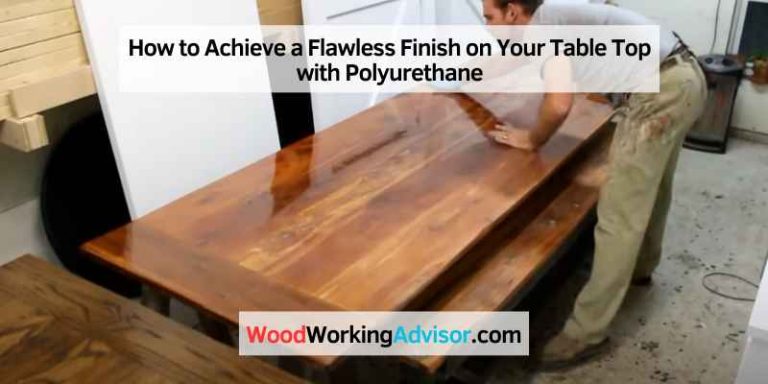
On the other hand, polyurethane is a synthetic resin that forms a clear and protective layer on the wood. It comes in various finishes such as matte, satin, and high gloss. Polyurethane is easier to apply as it often comes in a one-step application and provides a durable and long-lasting finish.
Application
When it comes to choosing the right finish for your wood projects, varnish and polyurethane are two popular options that offer durability and protection. Understanding the application process and the pros and cons of each can help you make an informed decision that will result in a beautiful, long-lasting finish.
Pros And Cons Of Using Varnish
Varnish is a traditional finish that has been used for centuries to protect and enhance the beauty of wood. Here are the advantages and disadvantages of using varnish:
| Pros | Cons |
|---|---|
| – Provides a glossy and traditional finish | – Takes longer to dry compared to polyurethane |
| – Offers excellent protection against water, scratches, and UV rays | – Requires more coats for optimal protection |
| – Can be easily repaired by sanding and reapplication | – Tends to yellow over time |
| – Provides a smooth and durable surface | – Requires good ventilation due to strong odor |
Pros And Cons Of Using Polyurethane
Polyurethane is a popular and versatile finish that offers both beauty and durability. Here are the advantages and disadvantages of using polyurethane:
| Pros | Cons |
|---|---|
| – Provides a clear and glossy finish | – Can sometimes appear slightly plastic-like |
| – Dries faster than varnish, allowing for quicker project completion | – Does not offer as much protection against water and UV rays compared to varnish |
| – Requires fewer coats for a satisfactory finish | – Difficult to repair, may require complete removal and reapplication |
| – Resistant to yellowing and retains clarity over time | – Strong odor during application, requires good ventilation |
In the end, the choice between varnish and polyurethane boils down to personal preference and the specific needs of your project. Understanding the advantages and disadvantages of each can help you achieve a professional-looking finish that will stand the test of time.</p
Appearance
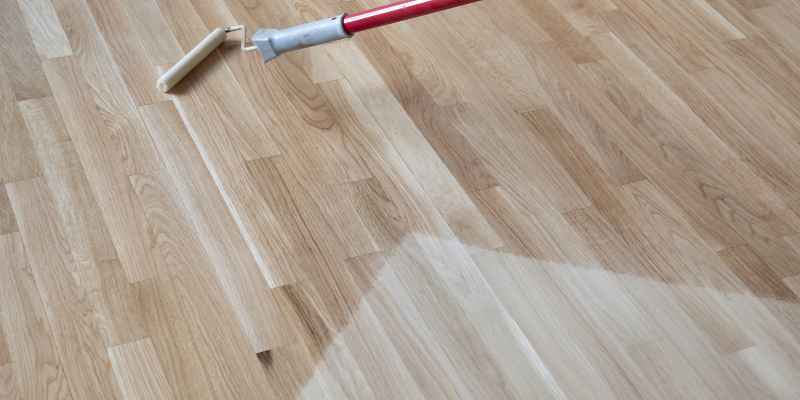
Varnish and polyurethane are two commonly used finishes for enhancing the appearance of wood. Varnish offers a traditional, glossy look, while polyurethane provides a durable, protective coat with a range of finishes from matte to high gloss. Choose the one that suits your desired aesthetic and durability needs.
Differences In Appearance
When it comes to choosing the right finish for your wooden furniture or flooring, understanding the differences in appearance between varnish and polyurethane is crucial. Both varnish and polyurethane provide a protective layer and enhance the natural beauty of wood, but they have some distinct characteristics that set them apart.
Effects On Wood Grain
Varnish and polyurethane have different effects on the wood grain, which can significantly impact the overall appearance of your project. Varnish preserves and enhances the natural grain patterns and color of the wood, giving it a rich and traditional look. It penetrates deep into the wood, accentuating its unique textures and providing a glossy or satin finish.
In contrast, polyurethane forms a durable, clear coat over the wood surface without enhancing the grain patterns as much as varnish. It offers a more uniform and consistent appearance, creating a smooth and glossy finish. If you prefer a sleek and modern look that showcases the wood’s color rather than its grain, polyurethane may be the better choice for you.
It is important to keep in mind that the choice between varnish and polyurethane will depend on personal preferences and the desired aesthetic outcome. Some individuals adore the natural and rustic charm of varnish, while others prefer the sleek and contemporary appearance of polyurethane.
Durability
Choosing the right finish for your wooden furniture can greatly impact its lifespan and appearance. When it comes to durability, two popular options are Varnish and Polyurethane. Let’s delve into the different aspects of durability that these finishes offer.
Resistance To Scratches And Stains
One crucial factor to consider when assessing durability is the resistance to scratches and stains. In this aspect, both Varnish and Polyurethane provide excellent protection. However, there are some differences to consider:
- Varnish: Varnish is known for its tough and hard surface, making it highly resistant to scratches. It forms a protective layer on top of the wood, effectively shielding it from everyday wear and tear. Additionally, varnish also offers excellent resistance against stains, ensuring your furniture remains beautiful and easy to maintain.
- Polyurethane: Similarly, Polyurethane is known for its durability and ability to withstand scratches. Its synthetic properties make it even more resistant to damage from heavy use. Polyurethane also offers good stain resistance, making it suitable for furniture in high-traffic areas.
Longevity Of Finish
The longevity of the finish is another crucial aspect to consider regarding durability. Here’s how Varnish and Polyurethane compare:
- Varnish: Varnish is highly durable and can withstand the test of time, making it a reliable choice for long-lasting finishes. Its hard coat provides a solid layer of protection, ensuring that your furniture retains its beauty for years to come.
- Polyurethane: Similarly, polyurethane is renowned for its longevity. Its synthetic composition makes it resistant to damage from UV rays, moisture, and heat. This durability ensures that your furniture maintains its vibrant appearance and remains in excellent condition for an extended period.
In summary, both Varnish and Polyurethane offer exceptional durability, providing excellent resistance to scratches and stains. Moreover, their longevity ensures that your furniture remains beautiful and protected throughout the years. When choosing between Varnish and Polyurethane, consider your specific needs and preferences to determine which finish will best suit your furniture and lifestyle.
Ease Of Use
In the world of wood finishes, Varnish and Polyurethane are two popular options that offer durability and protection to wooden surfaces. When it comes to choosing between the two, considering the ease of use becomes crucial. Both Varnish and Polyurethane have their own application techniques, drying times, and re-coating requirements. Understanding these factors can help you make an informed decision before embarking on your next wood finishing project.
Application Techniques
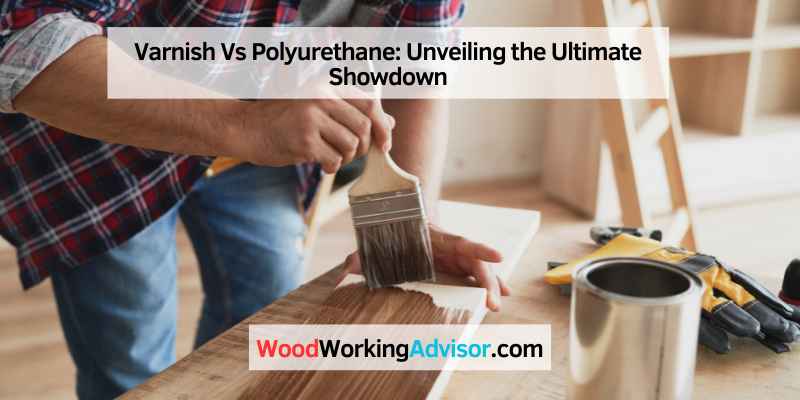
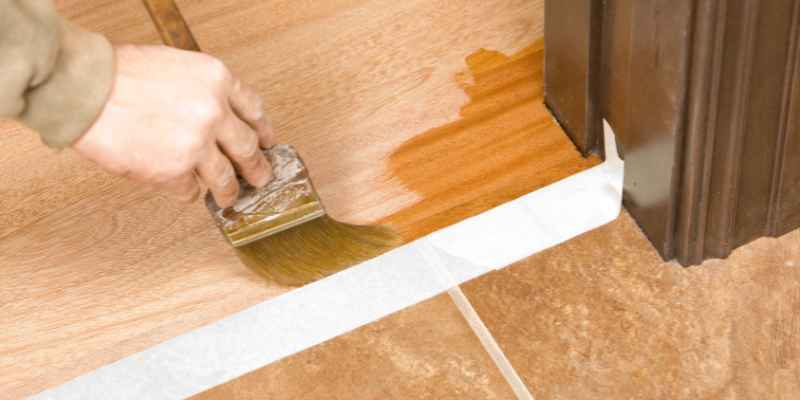
When it comes to applying Varnish and Polyurethane, there are slight differences in the techniques involved. Varnish is typically applied using a brush, roller, or sprayer. It is essential to ensure a smooth and even application, working with the grain of the wood. Polyurethane, on the other hand, is commonly applied with a brush or spray gun. The technique remains similar, aiming for an even coat, but it is important to note that Polyurethane tends to self-level more easily than Varnish, resulting in a smoother finish.
Drying Time And Re-coating
Drying time is a crucial factor to consider when deciding between Varnish and Polyurethane. Varnish, known for its longer drying time, typically requires 24 hours or longer before it can be re-coated. This extended drying period can be a downside for those seeking a speedy project completion. Polyurethane, on the other hand, dries relatively quickly, usually within a few hours. This shorter drying time allows for faster re-coating, enabling you to complete your project in a shorter period of time.
It is important to note that proper ventilation and temperature conditions can influence the drying time and re-coating intervals for both finishes. Following the manufacturer’s instructions is essential to ensure optimal results.
Comparison Summary
| Factors | Varnish | Polyurethane |
|---|---|---|
| Application Techniques | Brush, roller, or sprayer | Brush or spray gun |
| Drying Time | 24 hours or longer | A few hours |
| Re-coating | Requires longer intervals | Allows for faster re-coating |
Considering the ease of use when deciding between Varnish and Polyurethane can help you determine which finish aligns better with your specific project needs. Whether you prioritize a smoother application or a quicker turnaround time, understanding the differences in application techniques, drying times, and re-coating intervals can assist you in achieving the desired result for your wooden surfaces.
Frequently Asked Questions For Varnish Vs Polyurethane
What Is Better Polyurethane Or Varnish?
Polyurethane is better than varnish. It provides a more durable and long-lasting finish, protecting the surface from moisture, scratches, and UV damage. It also dries faster, making it convenient for quick projects. Its versatility allows it to be used on various surfaces, including wood furniture, floors, and cabinets.
What Is The Best Clear Finish For Wood?
The best clear finish for wood is subjective, depending on the desired outcome. Options include polyurethane for durability, lacquer for a glossy finish, and oil-based finishes for a more natural look. Choose based on your specific needs and preferences.
What Is Varnish Good For?
Varnish enhances the appearance, durability, and protection of surfaces. It creates a glossy, transparent finish that brings out the natural beauty of wood, metals, and other materials. Applied on furniture, floors, and artwork, varnish acts as a shield against stains, scratches, and moisture damage.
What Are The Disadvantages Of Varnish Finish?
The disadvantages of varnish finish include its vulnerability to scratches, difficulty in repairing damaged areas, potential yellowing over time, and limited resistance to chemicals and heat. It may also require sanding and refinishing periodically for maintenance.
Conclusion
To summarize, when choosing between varnish and polyurethane for your wooden surfaces, it ultimately comes down to your specific needs and preferences. Varnish offers a classic, glossy finish and superior protection against moisture and UV rays. On the other hand, polyurethane provides a durable, smooth coat that stands up well to wear and tear.
It’s essential to consider factors such as the desired appearance, durability, and ease of application before making a decision. By understanding the unique characteristics of varnish and polyurethane, you can ensure your wooden surfaces receive the right level of protection and enhancement.