Parks Pro Finisher Polyurethane Review: Water vs Oil (2026)
Rust-Oleum’s Parks Pro Finisher polyurethane comes in water-based and oil-based formulas that both protect hardwood floors, but they are not interchangeable: water-based dries to the touch in 1-2 hours while oil-based needs 4-5 hours and 30 days to fully cure. Picking the wrong one means re-coating on the wrong schedule or a finish that ambers when you wanted it crystal clear. This guide covers real coverage rates, dry/cure times, application steps, and how it compares to Minwax and Bona alternatives.
Quick Answer
Parks Pro Finisher Water-Base Polyurethane covers 600-700 sq ft/gal, dries to the touch in 1-2 hours, and takes foot traffic in 24 hours — use it for a fast DIY refinish on light-to-medium wood. Choose the Oil-Base version (350-450 sq ft/gal, 275 VOC, 8-10 hour recoat) instead if you want a warmer amber tone and a harder, longer-wearing coat on high-traffic floors.
What Is Parks Pro Finisher Polyurethane?
Best Rust-Oleum Floor Poly Pick
Rust-Oleum Varathane Water-Based Interior Floor Polyurethane, 1 Gal
Same manufacturer family as Parks Pro Finisher; a fast-drying, non-yellowing water-based floor poly readily available on Amazon.
- Best for: DIYers refinishing light-colored hardwood who want the natural tone to stay true
- Why we picked it: Rust-Oleum family formula matching Pro Finisher’s water-based dry/cure profile
- Main drawback: Needs more coats than oil-based to build the same protective film thickness
Compare more floor polyurethane options
 Option 1 Varathane Ultra Thick Floor Finish (2x Build)
|
 Option 2 Minwax Oil-Based Wipe-On Poly, Satin
|
 Option 3 Bona Traffic HD Commercial Finish
|
As an Amazon Associate we earn from qualifying purchases.
Parks Pro Finisher is a clear protective floor coating made by Rust-Oleum (Parks Corporation is a Rust-Oleum brand) that comes in water-based and oil-based versions for hardwood floors, cabinets, and trim. It dries clear and non-yellowing in the water-based formula, or with a warm amber tone in the oil-based formula, and both resist abrasion, household chemicals, and UV fading well enough for residential foot traffic. Whichever formula you pick, the actual application steps, prep, coat count, and dry/cure times, are the same as any other floor polyurethane; see our full guide to polyurethaning hardwood floors for the step-by-step process.
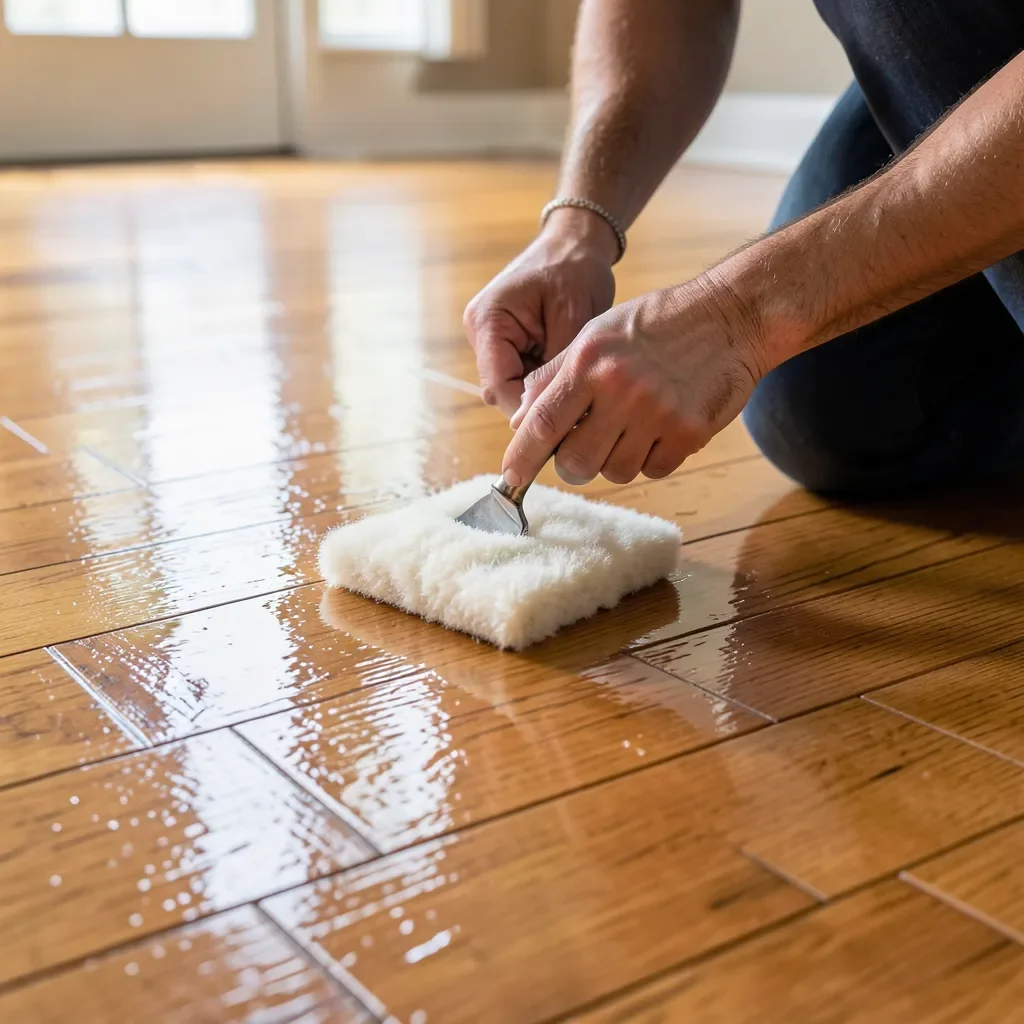
It’s sold at Home Depot, Lowe’s, Ace Hardware, and independent paint stores in semi-gloss, satin, and gloss sheens. Before choosing a can, watch how it actually lays down on a floor — this independent review shows the water-based version applied and drying on a real hardwood floor:
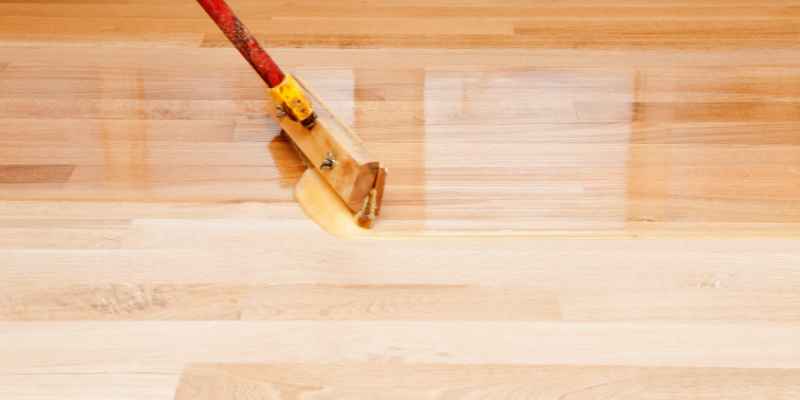
Water-Based vs Oil-Based Pro Finisher: Which Should You Use?
Use water-based Pro Finisher for a fast DIY project on light woods where you want the natural color to stay true; use oil-based when you want maximum durability and don’t mind the floor darkening slightly over time.
| Spec | Water-Based Pro Finisher | Oil-Based Pro Finisher |
|---|---|---|
| Coverage | 600-700 sq ft/gal | 350-450 sq ft/gal |
| Dry to touch | 1-2 hours | 4-5 hours |
| Recoat window | 2-3 hours | 8-10 hours |
| Full cure | 24 hrs (75% RH) / 7 days (95% RH) | 30 days |
| Best For | Light woods, fast DIY turnaround, low odor | High-traffic floors, max durability, warmer tone |
📊 Data point: water-based finishes typically last 7-10 years before refinishing is needed, while oil-based finishes with higher solids content (45-50% vs 30-35% for water-based) can last 10-15 years — oil-based is the more durable option long-term, even though it’s slower to apply.
How to Apply Pro Finisher Polyurethane for a Streak-Free Finish
- Sand and clean: sand to 120-150 grit and remove all dust with a tack cloth or vacuum — any dust left behind shows up as grit in the cured finish.
- Check the room conditions: apply only when air temperature is 60-80°F and relative humidity is below 85%, per Rust-Oleum’s technical data sheet — outside that range the finish can skin over or stay tacky.
- Apply thin, even coats: use a synthetic-bristle brush or lambswool applicator, working with the wood grain; water-based spreads at 600-700 sq ft/gal, oil-based at 350-450 sq ft/gal.
- Let it dry to touch: water-based needs 1-2 hours, oil-based needs 4-5 hours, before light handling.
- Scuff-sand between coats: use 220-grit sandpaper or a maroon abrasive pad and wipe clean before recoating.
- Recoat within the window: water-based within 2-3 hours, oil-based within 8-10 hours — wait too long and you’ll need to re-sand for adhesion.
- Wait for full cure before rugs or furniture: 24 hours (water-based, at 75% RH) to 30 days (oil-based) before placing rugs or heavy furniture back down.
“Apply only when air (ambient) temperature is between 60-80°F (16-27°C) and relative humidity is below 85%.”
Maintaining the Finish and Fixing Common Problems
Sweep or vacuum regularly, use felt pads under furniture legs, and clean spills promptly with a damp cloth — avoid ammonia or vinegar-based cleaners, which can dull a polyurethane finish over time. Light scuffs can usually be buffed out with a maroon abrasive pad and a fresh coat of the same formula (water-based over water-based, oil-based over oil-based).
If you’re seeing bubbling, cloudiness, or the finish lifting off the wood in sheets rather than simple wear scuffs, that’s a different, more serious problem than routine maintenance — see our dedicated guide on how to fix peeling polyurethane on hardwood floors for the causes (usually poor surface prep or a moisture problem under the floor) and the repair steps.
Where to Buy Pro Finisher Polyurethane
Parks Pro Finisher is sold in-store and online at Home Depot, Lowe’s, and Ace Hardware, typically $35-$38 per gallon for the water-based formula before any store discount. If you’d rather order online with fast shipping, the polyurethane finishing hub above rounds up every poly type we cover, and our best polyurethane for hardwood floors roundup compares Pro Finisher against other brands side by side if you’re still deciding.
Frequently Asked Questions
How do you use Pro Finisher polyurethane?
Sand the floor to 120-150 grit, remove all dust, then brush or roller-apply thin, even coats with the wood grain. Water-based coats dry to the touch in 1-2 hours and can be recoated in 2-3 hours; oil-based coats need 4-5 hours to dry and 8-10 hours before recoating. Scuff-sand lightly between coats for the best adhesion.
How long does Pro Finisher polyurethane take to dry?
Water-based Pro Finisher dries to the touch in 1-2 hours and takes light foot traffic in 24 hours, with full cure at 24 hours (75% relative humidity) to 7 days (95% relative humidity). Oil-based Pro Finisher dries to the touch in 4-5 hours, can be recoated in 8-10 hours, and needs a full 30 days to cure completely.
What is the most durable polyurethane for floors?
Oil-based polyurethane is generally more durable than water-based, thanks to a higher solids content (45-50% vs. 30-35%) that builds a thicker, harder protective film. Oil-based finishes typically last 10-15 years before refinishing versus 7-10 years for water-based. Water-based wins on faster drying, lower odor, and staying non-yellowing over time.
What is the difference between floor polyurethane and regular polyurethane?
There’s no separate chemical category called “floor polyurethane” versus “regular polyurethane” — the real distinction is water-based versus oil-based, and floor-specific formulas like Pro Finisher are simply formulated with higher abrasion resistance and self-leveling for horizontal, high-traffic surfaces compared to furniture-grade polys.
Can you apply Pro Finisher over a stained floor?
Yes — let oil-based stain cure fully (24+ hours) before topcoating, and match an oil-based Pro Finisher over oil-based stain where possible for the best adhesion. Water-based Pro Finisher can also go over a fully cured stain but may raise the wood grain slightly on the first coat.
Conclusion
Parks Pro Finisher covers both ends of the DIY floor-finishing job: the water-based formula for a fast, low-odor refinish that keeps light wood looking natural, and the oil-based formula for maximum durability and a warmer tone on high-traffic floors. Match the formula to your timeline and traffic level, follow the recoat windows above, and either version will give you a professional-looking, long-wearing finish.
Sponsored / affiliate links. As an Amazon Associate I earn from qualifying purchases. I may earn additional commission from eligible campaigns.