Is Polyurethane Toxic to Dogs? Wet Finish vs Cured vs Glue
Liquid polyurethane finish is something to keep away from your dog, and polyurethane glue is a separate and serious hazard. The label on a can of oil-based polyurethane calls the vapor harmful and says to call poison control if it is swallowed. What is less clear is a dog licking or chewing a fully cured coat, and we say plainly below what we could and could not find a source for.
The confusion starts with the word itself. Polyurethane is sold as a wood finish, as an expanding glue, and as foam, and those behave very differently around a dog. This guide separates the finish from the glue, draws on the ASPCA, Pet Poison Helpline and manufacturer safety documents we read for this update, and gives a real schedule for refinishing a floor or a piece of furniture when a dog lives in the house. For the people side of the question, see our companion guide, Is Polyurethane Toxic?.
Quick Answer: Which Polyurethane Is the Problem?
Best Water-Based Poly for a Dog Household
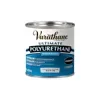 |
Varathane Water-Based Ultimate Satin Polyurethane An interior water-based polyurethane whose Amazon listing gives a 30 minute touch-dry time and a 2 hour recoat, so the dog spends less time locked out of the room than with a slower oil-based finish.
|
If you are about to finish something and you own a dog, the practical rule is short. Keep the dog out of the room while you apply the finish and while it dries, close the can, and keep the can, brush and rags out of reach. If your dog ever swallows any, call a vet or poison line before doing anything else. The numbers are in the steps further down.
Choosing a water-based product does shorten the wet period, since these finishes usually dry to the touch and recoat faster. It does not turn the liquid into something safe to swallow, which is why the pick above carries that caveat. If you are still deciding between types, our guide to water-based vs oil-based polyurethane covers drying time, yellowing and best uses.
Three Things Called Polyurethane
Most articles on this topic answer as if polyurethane were one substance. It is not, and mixing them up is the main mistake we see. Here is how the three compare, with what our sources actually say about each.
| Product | What it is | What the sources say |
|---|---|---|
| Liquid oil-based finish | Varnish-type wood finish thinned in solvent, brushed or wiped on | Minwax’s technical data sheet for its oil-based product says vapor is harmful, to use with adequate ventilation, and that if swallowed you should call Poison Control, a hospital emergency room or a physician immediately |
| Liquid water-based finish | Lower-odor finish that cleans up with water | The ASPCA says most indoor paints, varnishes and stains are water-based and cause vomiting and diarrhea if a pet swallows them |
| Expanding polyurethane glue | Moisture-activated adhesive such as Gorilla Glue | Pet Poison Helpline says it expands and adheres after exposure to moisture, and that swallowing it causes severe irritation and blockage |
The third row is the one dog owners underestimate. It is not about chemical poisoning from a finish at all. It is about a swallowed adhesive that expands, so a woodworker who glues with polyurethane glue needs to treat the bottle and any squeeze-out as a dog hazard, the same way they treat the finish can.
What Oil-Based Polyurethane Labels Say
We read the technical data sheet and an older safety data sheet for Minwax Fast-Drying Polyurethane, an oil-based finish. The wording is the most concrete source we have on what a can of finish can do. It is written for people, not dogs, so treat it as a warning about the liquid rather than a dose chart. We found no published safe amount for dogs, and we are not going to invent one.
- Vapor: the data sheet says the vapor is harmful, to use only with adequate ventilation, and to open windows and doors during application and drying.
- Swallowing: the data sheet says to call Poison Control, a hospital emergency room or a physician immediately. The older safety data sheet adds: do not induce vomiting and get medical attention immediately.
- Signs of overexposure in people: the older safety data sheet lists headache, dizziness, nausea and loss of coordination. A dog cannot report a headache, so treat drowsiness or an unsteady walk after time near wet finish as a reason to call a vet.
- Vapor density: the same safety data sheet lists it as heavier than air, which is a reason not to assume a dog lying on the floor breathes the same air you do standing up.
- Ingredients: that older sheet lists mineral spirits as the main volatile ingredient, and current formulas may differ, so read the sheet for the exact can you buy.
The ASPCA adds one more useful distinction. It says outdoor varieties are frequently hydrocarbon-based and may pose an aspiration risk if the animal vomits. Exterior-grade finishes such as spar urethane are the kind of product it is talking about, and Minwax’s own data sheet points to a spar urethane for exterior work, so the same caution applies to those cans.
What We Could Not Find a Source For
This is the part most pages skip. We searched the ASPCA, Pet Poison Helpline, VCA and PetMD results for a statement that fully cured polyurethane on a floor or table is safe for a dog to lick or chew. We did not find one. The ASPCA page on home repairs covers wet paint and varnish, and the Pet Poison Helpline page covers glue.
That means two claims you will see elsewhere, that dry polyurethane is completely harmless and that a dog is poisoned by a finished floor, are not backed by the veterinary sources we read. The honest position is narrower. Liquid finish and glue are documented hazards. A hard, fully cured coat is a different situation, and if your dog is chewing finished wood or licking a floor, ask your veterinarian about that dog.
Refinishing With a Dog in the House: A Real Schedule
Here is the timeline most guides leave out. The Minwax technical data sheet for its oil-based polyurethane gives these floor numbers at 77 degrees F and 50 percent relative humidity with good ventilation. It says lower temperature, higher humidity, poor air movement and thick coats all extend drying times.
| Stage | Minwax oil-based floor timing | What it means with a dog |
|---|---|---|
| Between coats | Dry 4 to 6 hours, then lightly sand with 220 grit and remove dust | Dog stays out of the room for every coat, and away from sanding dust |
| After the final coat | 24 hours before light use | A light-use time for people, not a pet-safety clearance |
| Heavy traffic and furniture | Avoid for 72 hours after the final coat | Keep the room closed off from the dog for this period |
| Rugs and cleaning | Do not install rugs or clean floors for 7 days | Keep dog beds and rugs off the floor until this window passes |
Because we found no vet-sourced statement about when a floor becomes safe for a dog, the cautious schedule is to keep the dog out until the times on your own can have passed and any strong finish smell has faded. If you need more certainty than that, having the dog stay elsewhere for the recoat period removes the question. Check your own can, because water-based products publish different times. For technique, see our guide on how to apply polyurethane.
If Your Dog Gets Into Polyurethane
- Stop the exposure. Take the dog away from the finish and keep it from licking the area.
- Grab the can. Have the product name, type and roughly how much is missing in front of you before you call.
- Call right away. Your veterinarian, the ASPCA Animal Poison Control Center at (888) 426-4435, or Pet Poison Helpline at (855) 764-7661. Pet Poison Helpline charges a per-incident fee.
- Do not induce vomiting unless told to. The Minwax safety data sheet says not to for the oil-based product, and the ASPCA warns of aspiration risk with hydrocarbon-based products if the animal vomits.
- Follow the professional’s instructions. We do not list home remedies because none of our sources support one.
The ASPCA connects swallowed indoor paints, varnishes and stains to vomiting and diarrhea, and it links thinner and stripper exposure to severe vomiting, diarrhea, lethargy, incoordination and tremors. Any of these after contact with finish is a reason to call, not to wait.
Low-Effort Ways to Lower the Risk in a Woodshop
- Cover or close finish cans when you step away, as the ASPCA advises for paint, and never leave a can open on the floor.
- Keep the dog out of the finishing room, not just away from the can, until the finish is dry.
- Store polyurethane glue where a dog cannot reach it and wipe squeeze-out before it hardens.
- Rags soaked with oil-based finish can spontaneously catch fire, per Minwax’s data sheet, which says to seal them in a water-filled metal container. See our guide to disposing of varnish, brushes and rags so the container stays shut and out of reach.
- Ventilate as the label says with windows and doors open, and keep the dog somewhere else while you do it.
Frequently Asked Questions
Is polyurethane toxic to dogs once it is dry?
The veterinary sources we found cover liquid finishes and expanding polyurethane glue, not fully cured finish on furniture or floors, so we cannot give a vet-sourced guarantee either way. What the makers do say is that liquid finish is harmful if swallowed and its vapor is harmful, and that drying times are longer than touch-dry. Keep your dog off the finish until the time on the can has passed, and ask your veterinarian if your dog is chewing or licking a finished surface.
What should I do if my dog drank or licked polyurethane?
Call your veterinarian or a poison line right away: ASPCA Animal Poison Control at (888) 426-4435 or Pet Poison Helpline at (855) 764-7661. Have the can in hand so you can read out the product name. Minwax’s safety data sheet says do not induce vomiting and get medical attention immediately if the oil-based product is swallowed, so do not make your dog vomit unless a vet or poison line tells you to.
Are polyurethane fumes bad for dogs?
Product labels warn that the vapor of oil-based polyurethane is harmful and tell users to ventilate well. Dogs live close to the floor and the Minwax safety data sheet lists the vapor as heavier than air, so keeping your dog out of the room while you apply and while the finish dries is the safe choice.
Is water-based polyurethane safer for dogs than oil-based?
It is usually lower in odor and dries faster, but the ASPCA says most indoor paints, varnishes and stains are water-based and still cause vomiting and diarrhea if a pet swallows them. Treat both types as liquids your dog must not get into.
Is polyurethane wood glue dangerous to dogs?
Yes, and this is a different hazard from floor finish. Pet Poison Helpline lists polyurethane glues such as Gorilla Glue among products that expand and adhere after exposure to moisture, and says swallowing them causes severe irritation and blockage. Call a vet or poison line immediately if your dog swallows any.
Sources Used
Minwax Fast-Drying Polyurethane technical data sheet and safety data sheet (Minwax Company); ASPCA, Keeping Pets Safe During Home Repairs; Pet Poison Helpline, Gorilla Glue and diisocyanate glue toxicity. This article is general information, not veterinary advice.
Sponsored / affiliate links. As an Amazon Associate I earn from qualifying purchases. I may earn additional commission from eligible campaigns.