What Are The Benefits Of A Cedar Closet: Essential Guide
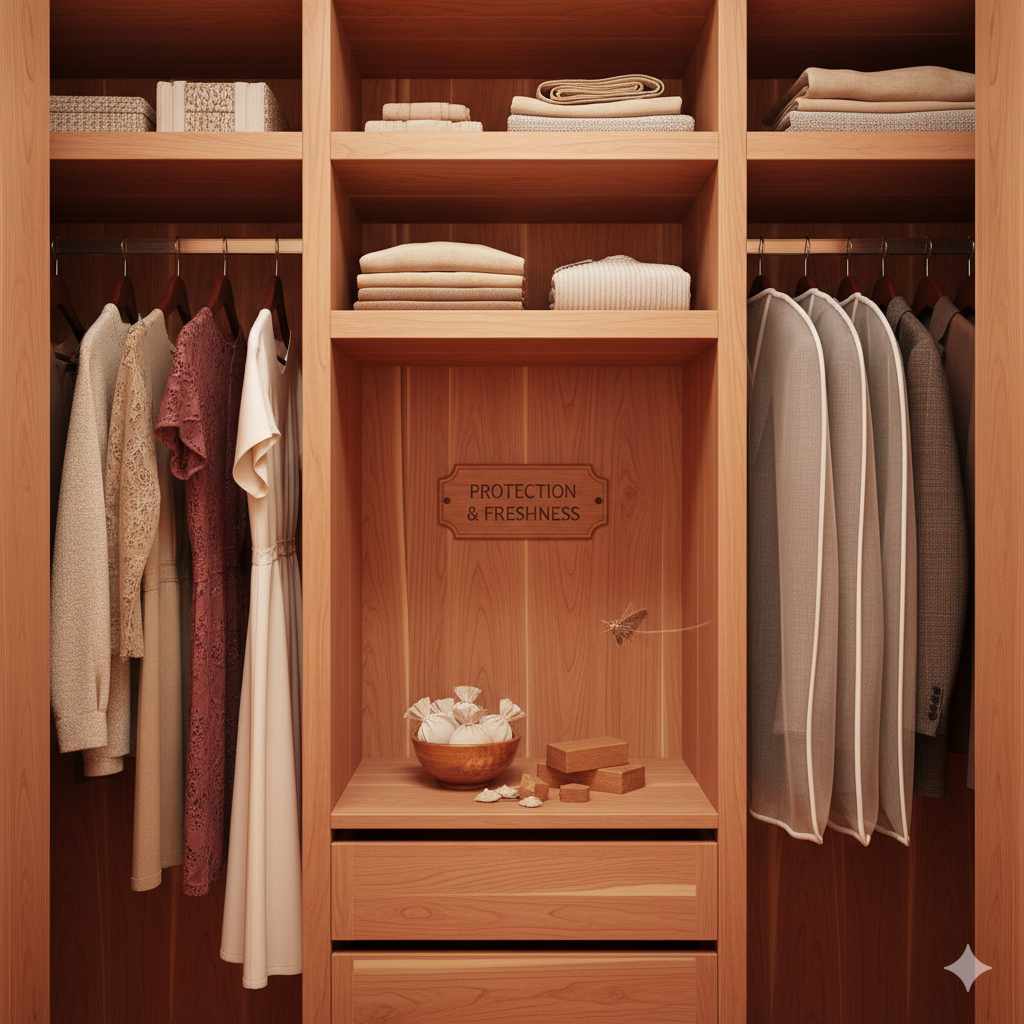
A cedar closet offers natural pest and moth repellency, a fresh aroma, and moisture absorption, protecting your garments and keeping your storage smelling great. It’s a natural, effective way to preserve clothing and enhance your home’s environment.
Do you love your clothes but worry about tiny moths or musty smells taking over your closet? It’s a common frustration for many of us who want to keep our favorite sweaters and suits looking their best. Luckily, there’s a simple, beautiful solution that’s been trusted for generations: a cedar closet! If you’ve ever wondered what makes cedar so special for storage, you’re in the right place. We’ll walk through all the wonderful advantages, making it clear why a cedar closet is a fantastic choice for protecting your belongings and adding a touch of natural charm to your home. Let’s explore the benefits together!
Why Choose Cedar for Your Closet? The Natural Advantages
As a fellow DIYer and woodworking enthusiast, I’ve always appreciated materials that offer both beauty and function. Cedarwood stands out for a good reason. It’s not just about looking good; it’s packed with natural qualities that make it ideal for closet linings, chests, and storage. If you’re looking for a way to naturally protect your clothes and keep them smelling fresh, understanding the benefits of cedar is key. Let’s dive into why this wonderful wood is such a popular choice for keeping our wardrobes happy and healthy.
1. Natural Pest and Moth Repellency
One of the biggest reasons people turn to cedar for their closets is its incredible ability to keep common household pests, especially moths, away. This isn’t some new trick; it’s a benefit that’s been known for centuries! The magic lies in the natural oils found within cedarwood, particularly the aroma that we find so pleasant.
- Moth Deterrence: Moths and other fabric-destroying insects are repelled by the specific compounds, such as thujone and cedrol, found in cedar oil. These natural substances create an environment that is unappealing and even toxic to moth larvae, preventing them from hatching and damaging your clothes.
- Beyond Moths: Cedar also helps deter other common pests that might find their way into closets, like silverfish, cockroaches, and even carpet beetles. These critters don’t find cedar a welcoming place to set up home.
- How it Works: The scent is the primary defense. As the cedar releases its aromatic oils, it masks the pheromones that pests use to find food and nesting sites, effectively making your closet invisible to them.
It’s important to remember that a cedar closet isn’t a guaranteed pest-proof fortress, but it significantly reduces the risk. For a little extra protection, you can periodically refresh the cedar scent by lightly sanding the wood or adding cedar essential oil. If you are dealing with a severe infestation, it’s always best to consult with professional pest control services.
2. A Pleasant, Natural Aroma
Walk into a cedar closet, and you’ll immediately notice a distinct, fresh, and pleasant scent. This aroma is one of cedar’s most beloved characteristics and a significant advantage over synthetic air fresheners or chemical treatments.
- Invigorating Scent: The smell of cedar is often described as woody, slightly sweet, and invigorating. It’s a natural fragrance that can make opening your closet a more enjoyable experience.
- Odor Neutralization: Beyond just smelling nice, cedar can also absorb and neutralize unpleasant odors. If you store items that have absorbed smells from cooking, smoke, or dampness, the cedar can help to neutralize those odors, leaving your clothes smelling cleaner.
- No Harsh Chemicals: Unlike many commercial moth repellents that rely on harsh chemicals like naphthalene (mothballs), cedar offers a natural alternative. This means no toxic fumes and a safer environment for you and your family, especially important for those with sensitivities or allergies.
The scent is released naturally as the wood ages and its oils evaporate. Over time, the aroma might fade, but it can be easily revived. Lightly sanding the cedar surfaces or using cedar essential oil can bring back that fresh scent. It’s a simple way to maintain the natural benefits of your cedar closet.
3. Moisture Absorption and Humidity Control
Cedarwood has natural hygroscopic properties, meaning it can absorb moisture from the air. This ability makes it a valuable ally in maintaining a healthy closet environment.
- Reduces Mildew and Mold: By absorbing excess humidity, cedar helps to prevent the conditions that allow mold and mildew to grow. This is especially beneficial in areas prone to dampness or for storing seasonal clothing that might be put away with a little residual moisture.
- Protects Fabrics: High humidity can also be detrimental to certain fabrics over time, leading to deterioration or encouraging the growth of bacteria. cedar’s moisture-wicking ability helps to keep the air drier, extending the life of your garments.
- Natural Ventilation: Many cedar closet linings are installed with small gaps or are paneled, which allows for some natural air circulation. This, combined with the moisture-absorbing properties, helps to keep items dry and aired out.
While cedar helps manage moisture, it’s not a replacement for proper ventilation. Ensure your closet isn’t overly packed, and consider a dehumidifier for extremely humid climates. Proper air circulation is always a key factor in effective clothing storage.
4. Durability and Longevity
Cedar is a remarkably durable wood, known for its ability to withstand the test of time. When used in a closet setting, this translates to a beautiful and functional storage solution that can last for decades.
- Resistant to Decay: The natural oils that deter pests also make cedar resistant to rot and decay, ensuring that the wood itself remains sound and effective over many years.
- Stable Wood: Cedar is relatively stable, meaning it doesn’t warp or crack easily when exposed to changes in temperature and humidity, which is common in most homes. This stability ensures that your closet lining or cedar chest remains structurally sound.
- Low Maintenance: Compared to many other materials, cedar requires very little maintenance to retain its beneficial properties. Simple occasional sanding or oiling is usually all that’s needed to keep it performing its best.
This durability means that investing in a cedar closet or cedar storage solutions is a long-term benefit. It’s a natural material that can serve you and your family for generations, a hallmark of good craftsmanship and smart choices.
5. Aesthetic Appeal and Natural Beauty
Beyond its practical benefits, cedar offers undeniable aesthetic appeal. Its rich color and natural grain patterns add a touch of warmth and elegance to any space.
- Warm Tones: Cedarwood typically has a beautiful reddish-brown hue that can vary in shade, adding a natural warmth and richness to your closet.
- Unique Grain: Each piece of cedar has its own unique grain pattern, adding visual interest and a handcrafted feel to your storage solutions.
- Natural Luxury: A cedar closet or chest can feel like a touch of natural luxury, elevating your home and providing a more pleasant environment for storing your treasured items.
Whether you’re lining an entire closet, building a cedar chest, or simply looking for cedar hangers, the natural beauty of the wood enhances the overall experience. It’s a material that connects us to nature and adds something truly special to our homes.
Types of Cedar Used in Closets
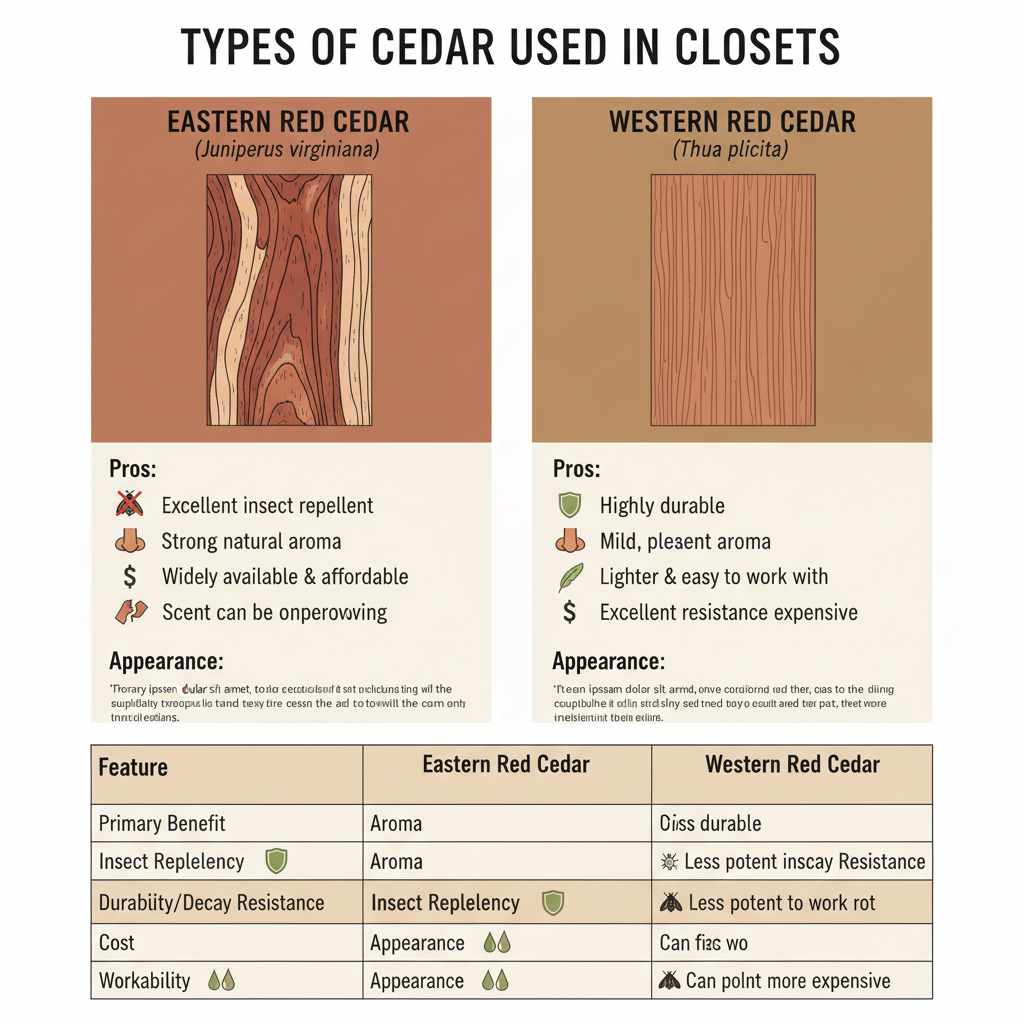
When people talk about cedar for closets, they are usually referring to a couple of specific types of cedar known for their aromatic properties and durability. The most common are Eastern Red Cedar and Western Red Cedar. While both are excellent choices, they do have slightly different characteristics.
Eastern Red Cedar (Juniperus virginiana)
This is perhaps the most traditional and widely recognized cedar for closet lining and moth repellent properties. It’s known for its strong, distinctive aroma.
- Pros: Excellent insect repellent, strong natural aroma, widely available, and relatively affordable. Its resistance to decay is also a major plus.
- Cons: Can be somewhat brittle and prone to damage if knocked. The scent can be very strong initially, which some people might find overpowering.
- Appearance: Typically has rich reddish-brown heartwood and pale sapwood, creating a beautiful, natural contrast. Essential oils are very concentrated, giving it its potent smell and protective qualities.
Western Red Cedar (Thuja plicata)
While it has a less potent aroma than Eastern Red Cedar, Western Red Cedar is also highly valued for its durability, natural resistance to decay, and pleasant, milder scent.
- Pros: Highly durable, excellent resistance to rot and insects (though less of a strong moth repellent than Eastern Red Cedar), stable wood, and a more subtle, pleasant aroma. It’s also lighter than Eastern Red Cedar, making it easier to work with.
- Cons: The insect-repelling properties are not as strong as Eastern Red Cedar. It can be more expensive than Eastern Red Cedar.
- Appearance: Ranges from pale yellow to pinkish-red, darkening to a richer reddish-brown with age. It has a fine, straight grain and a uniform texture.
Comparison Table: Eastern Red Cedar vs. Western Red Cedar
To help you decide which might be best for your project, here’s a quick side-by-side comparison:
| Feature | Eastern Red Cedar | Western Red Cedar |
|---|---|---|
| Primary Benefit | Strongest natural moth and insect repellent | Excellent durability and resistance to decay/insects; mild aroma |
| Aroma | Strong, distinct, pungent | Mild, pleasant, woody |
| Insect Repellency | Excellent | Good (less potent than Eastern Red) |
| Durability/Decay Resistance | Very Good | Excellent |
| Appearance | Rich red heartwood, pale sapwood | Reddish-brown hues, uniform texture |
| Cost | Generally more affordable | Can be more expensive |
| Workability | Slightly more brittle | Lighter, easier to cut and shape |
How to Implement a Cedar Closet: Simple Steps
Adding a cedar closet doesn’t have to be a complicated project. You can choose to line an existing closet, build a custom cedar chest, or even use cedar planks for a more rustic look. Here are a few ways to bring the benefits of cedar into your home.
Option 1: Lining an Existing Closet
This is a popular DIY project. You can buy pre-made cedar planks or panels, or cut your own if you’re comfortable with woodworking tools.
- Measure and Plan: Measure the walls of your closet. Decide whether you want to cover all the walls or just one or two. Some people prefer a wainscoting effect, covering the lower half of the walls.
- Purchase Cedar Planks: Obtain cedar planks. You can find these at most home improvement stores. Look for tongue-and-groove planks for easier installation, or simple tongue-and-groove boards.
- Prepare the Walls: Ensure the existing closet walls are clean and dry.
- Cut Planks to Size: Using a saw (a miter saw or even a handsaw for smaller jobs), cut the planks to the required lengths to fit your closet walls.
- Install the Planks: You can attach the planks directly to the studs for a more permanent solution, or use construction adhesive and small finish nails for a less invasive installation. For tongue-and-groove planks, start at one corner and work your way around, interlocking the boards as you go.
- Finish: Once all the planks are installed, you can lightly sand any rough edges. Avoid varnishing or sealing cedar, as this can block the natural oils and reduce its scent and effectiveness.
Option 2: Building a Cedar Chest
A cedar chest is a classic storage solution. You can find many plans online for DIY cedar chests, ranging from simple boxes to more elaborate designs.
- Choose a Plan: Find a woodworking plan that suits your skill level and desired size.
- Gather Materials: Purchase cedar planks for the sides and lid, and a suitable wood for the base (like plywood). You’ll also need hardware like hinges and, optionally, a latch.
- Cut and Assemble: Follow the plan to cut your wood. Assemble the sides, securing them with wood glue and screws or nails.
- Attach the Base: Secure the base to the bottom of the assembled sides.
- Construct and Attach the Lid: Build the lid, ensuring it fits well. Attach it to the chest using hinges. Consider adding a safety latch to prevent it from accidentally closing on children.
- Finishing Touches: Lightly sand any rough edges. Again, avoid sealants.
Option 3: Using Cedar Hangers, Sachets, and Blocks
If a full cedar closet or chest isn’t feasible, you can still enjoy some of cedar’s benefits with smaller items.
- Cedar Hangers: Replace your regular hangers with cedar ones. These provide gentle pest deterrence and a nice aroma for individual garments, particularly valuable for woolens and silks.
- Cedar Blocks or Balls: Place small cedar blocks or balls within drawers or directly on shelves. These are a convenient and affordable way to introduce cedar’s scent and repellent qualities.
- Cedar Sachets: Fill fabric sachets with cedar shavings and place them in drawers or hang them in your closet. You can easily make these yourself by sewing small fabric bags and filling them with cedar chips.
No matter which option you choose, remember that the natural oils in cedar will eventually reduce their potency. Periodically reviving the scent by lightly sanding the wood or adding a drop of cedar essential oil will keep your cedar closet performing its best. Learn more about woodworking basics at Woodworker’s Journal for more DIY tips.
Cedar Closet Maintenance: Keeping It Fresh and Effective
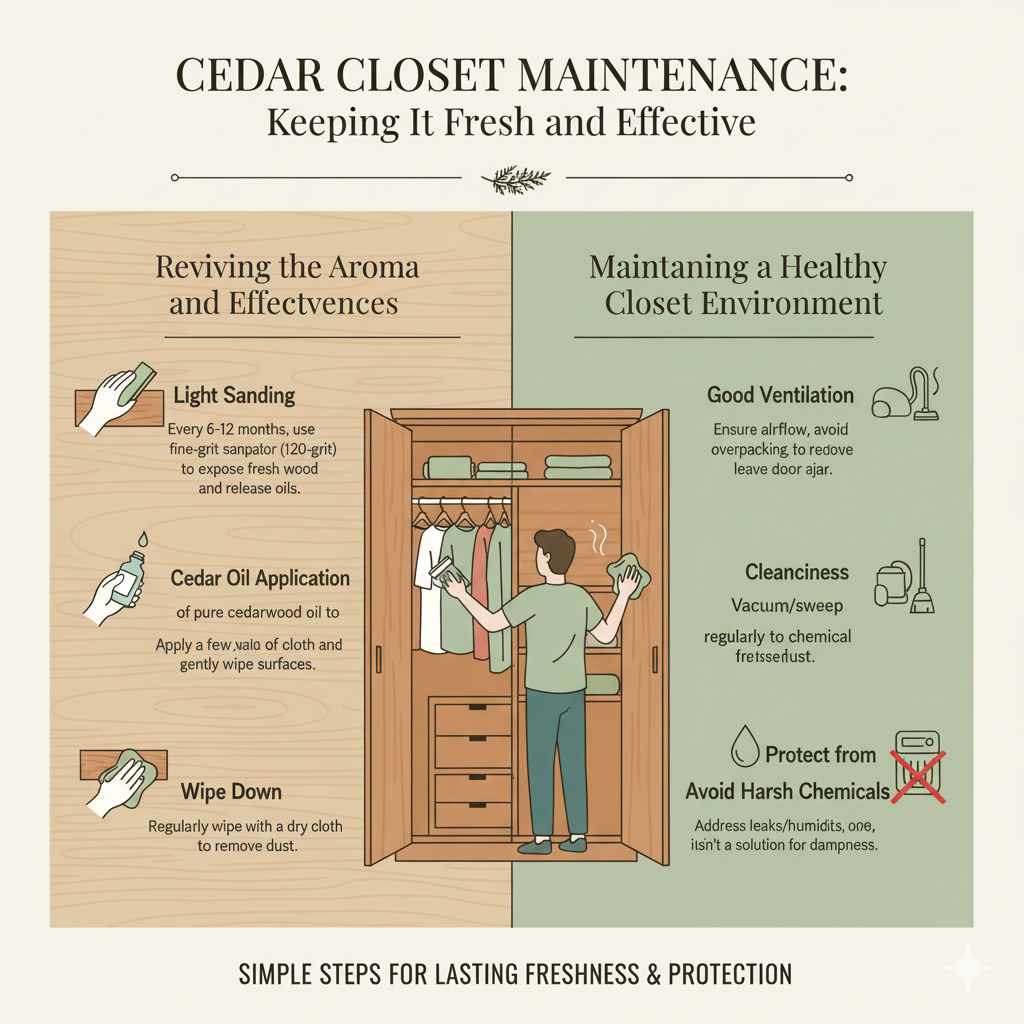
Maintaining your cedar closet is simple and ensures it continues to provide its valuable benefits for years to come. The key is to revitalize the natural oils that give cedar its scent and repellent properties.
Reviving the Aroma and Effectiveness
- Light Sanding: Over time, the surface of the cedar wood can become coated with dust and oils, dulling its scent. Every 6-12 months, depending on humidity and usage, take a fine-grit sandpaper (around 120-grit) and lightly sand the cedar surfaces. This will expose fresh wood and release the aromatic oils again. Focus on areas that get the most contact or seem to have lost their scent.
- Cedar Oil Application: If sanding doesn’t seem to restore the scent sufficiently, you can purchase cedarwood essential oil. Apply a few drops of 100% pure cedarwood oil to a clean cloth and gently wipe down the cedar surfaces. Be careful not to oversaturate the wood. A little goes a long way.
- Wipe Down: Occasionally, you can simply wipe down the cedar surfaces with a clean, dry cloth to remove dust build-up. This can help keep the wood’s pores open and allow the scent to emanate more freely.
Maintaining a Healthy Closet Environment
- Good Ventilation: Even with cedar, it’s crucial to ensure your closet has some airflow. Avoid packing it too tightly, and consider leaving the door ajar occasionally to let in fresh air.
- Cleanliness: Keep your closet clean. Vacuum or sweep regularly to remove dust and prevent any potential pest attraction.
- Avoid Harsh Chemicals: Do not use harsh chemical cleaners, sprays, or air fresheners inside your cedar closet. These can damage the cedarwood, inhibit its natural properties, and even create a toxic environment.
- Protect from Moisture: While cedar absorbs some moisture, it’s not a magical solution for a damp closet. Address any plumbing leaks or significant humidity issues separately. Excessive moisture can damage both the cedar and your stored items.
By performing these simple maintenance steps, you’ll ensure your cedar closet remains a beautiful, fragrant, and protective space for your clothes.
Frequently Asked Questions (FAQs) About Cedar Closets
Q1: How long do the benefits of a cedar closet last?
The natural pest-repelling and aromatic benefits of cedar can last for many years. However, the scent and potency of the oils will diminish over time, typically within a year or two of constant exposure. Regular maintenance like light sanding or adding cedar oil can refresh the wood and extend its effectiveness for decades.
Q2: Can I paint or varnish my cedar closet?
It’s generally not recommended to paint or varnish cedar closet linings. These finishes can seal the wood, preventing the natural oils from releasing their aroma and repelling insects. If you want to protect the wood while retaining its benefits, a clear.