Cedar Shavings Safe for Chickens? Vet Warning Explained
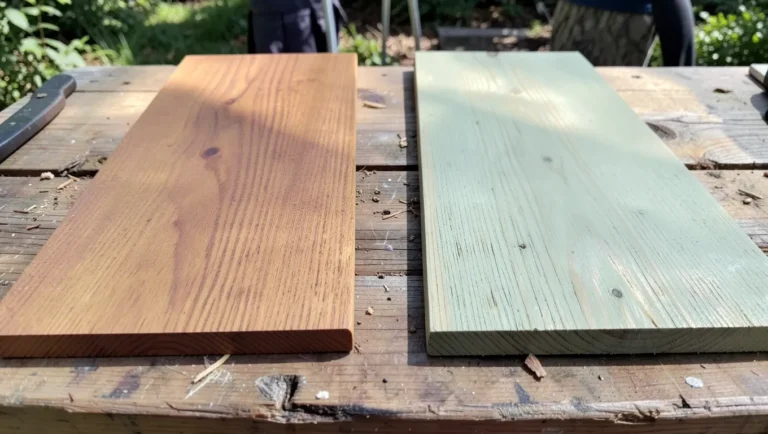
No, cedar shavings are not recommended as chicken bedding: the aromatic phenols and plicatic acid in cedar oil are documented respiratory and liver irritants in rodents and guinea pigs, and poultry extension services advise against cedar bedding on that same chemical basis, even in a well-ventilated coop. Direct controlled research on chickens specifically is limited, but the shared chemistry plus decades of reports of sick or lethargic chicks raised on cedar bedding are enough that no major poultry authority recommends it. This guide covers what’s actually in cedar shavings, what the evidence does and doesn’t show, and which bedding materials are the safer, still-affordable choice.
What’s Actually in Cedar Shavings
Best Pine Shavings Bedding Pick
Manna Pro Fresh Flakes Pine Shavings, 4 Cu Ft – $16.99
The soft, absorbent pine bedding this guide recommends in place of cedar, sized for a standard backyard coop.
- Best for: Backyard flocks switching away from cedar bedding
- Why we picked it: Matches the soft, absorbent pine shavings this guide recommends over cedar
- Main drawback: Needs dry storage or the flakes compact and lose fluff
Compare more pine shavings bedding options
 Option 1 CoreFirm 2.2lb Pine Shavings – $19.99
|
 Option 2 Radiata Pine Shavings, 5LB – $25.99
|
 Option 3 Country Heritage 35LB Pine Shavings – $38.99
|
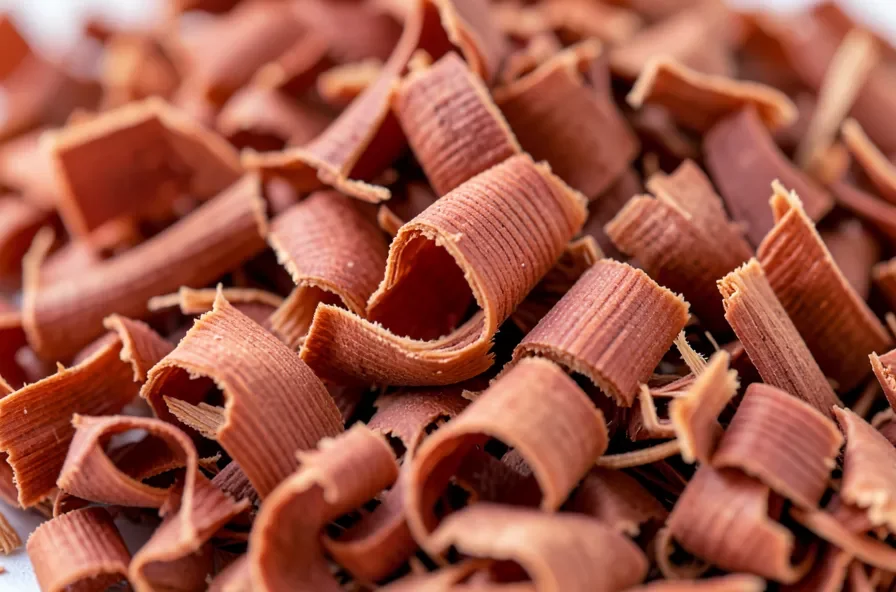
Cedar shavings are a milling byproduct: thin curls of wood planed off aromatic cedar species, most often eastern redcedar or western red cedar. The signature smell isn’t just “cedar wood” in a generic sense, it comes from a specific mix of volatile compounds in the heartwood, including cedrol, various phenolic terpenes, and, in western red cedar especially, plicatic acid. Those same compounds are the reason cedar is marketed to humans as a natural moth repellent and closet freshener, and they’re exactly what poultry keepers are being warned about when a vet or extension agent says to skip cedar bedding.
Why Cedar Bedding Is Risky for Chickens
The concern isn’t that cedar is poisonous on contact, it’s that the same aromatic hydrocarbons giving cedar its smell are released as vapor for as long as the bedding stays fresh, and a coop is an enclosed space a bird breathes in for hours at a time. Chickens have a more efficient, higher-airflow respiratory system than mammals, built around air sacs and largely one-directional airflow through the lungs, which in practice means more air (and whatever is suspended in it) moves past sensitive tissue per breath. Inhaled phenols and plicatic acid irritate the mucous membranes lining that respiratory tract, and fine cedar dust adds mechanical irritation on top of the chemical one.
Chicks are the highest-risk group. Their respiratory systems are still developing, and they’re commonly raised in small, poorly ventilated brooders where a strong-smelling bedding concentrates rather than dissipates. Cedar’s natural oils are genuinely useful for some purposes, but a closed brooder box full of chicks isn’t one of them. Long-term, low-level exposure in adult birds is the harder case to pin down: it’s less likely to cause an obvious acute reaction, but it’s the pattern most consistent with the liver and respiratory changes documented in other animals kept on cedar bedding.
If your flock has already been on cedar bedding, you don’t need to panic, but it’s worth watching for practical warning signs over the next few weeks: labored or open-mouthed breathing, audible wheezing or clicking when a bird breathes, reduced activity, or a noticeable dip in egg-laying. Any of those, especially in young chicks, is a reason to switch bedding right away and mention it to an avian vet rather than waiting to see if it resolves on its own.
What the Research Actually Shows
It’s worth being precise about where the evidence is strong and where it’s thinner, because a lot of cedar-bedding advice online overstates its certainty in one direction or the other.
Where the evidence is solid
The clearest documented findings come from small mammals, not birds. Studies in rats, mice, and guinea pigs housed on cedar and other softwood shavings have measured elevated liver enzymes, in some cases within 24 hours of exposure, along with respiratory tract tissue damage attributed to inhaled aromatic hydrocarbons and phenols. That’s a real, repeatedly observed effect, which is why cedar bedding has been considered a settled “don’t use it” issue in the small-pet and rodent-keeping world for a long time.
Where it’s thinner for chickens specifically
Cedar’s effects on skin and airways in mammals are well documented, but no controlled study has directly tested cedar bedding on a flock of chickens the way the rodent research has been done. What poultry extension services and veterinarians are working from instead is the same underlying chemistry, plus real-world reports of lethargic or sick chicks after cedar bedding was used, and a long-standing industry recommendation against cedar that predates any chicken-specific trial. That’s a meaningfully weaker evidence base than the rodent studies, and it’s fair to describe the poultry-specific risk as well-founded but not as rigorously proven as the guinea pig and rat data. Either way, the recommendation lands in the same place: pine, aspen, straw, or another low-aromatic bedding is the safer default.
Safer Bedding Alternatives to Cedar
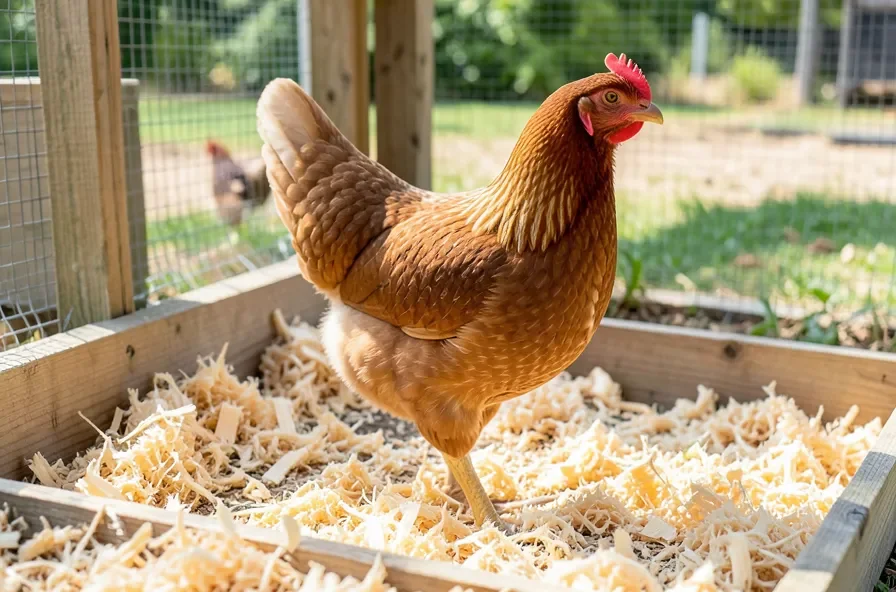
Kiln-dried pine shavings are the most common swap, and the “kiln-dried” part matters: the heat-drying process drives off much of the volatile aromatic content that makes fresh, green pine (and cedar) an irritant, leaving a bedding that’s still soft and absorbent without the strong vapor load. Straw is a cheap, warm option, though it’s less absorbent and needs replacing more often. Sand dries fast and is easy to sift clean, but it’s heavier to handle and offers less insulation in cold climates. Paper-based or hemp bedding is nearly dust-free, which is worth it in an enclosed brooder, but it typically costs more per bag than pine.
Comparing Costs and Benefits
| Bedding Type | Cost | Benefits |
|---|---|---|
| Kiln-Dried Pine Shavings | Low | Soft, absorbent, low aromatic load |
| Straw | Moderate | Warm, good winter insulation |
| Sand | Moderate | Fast-drying, easy to sift clean |
| Paper or Hemp Bedding | Higher | Nearly dust-free, good for brooders |
Best Practices for Chicken Coop Bedding
Whichever material you choose, the bedding itself is only half the job. Aim for a bedding depth of 3 to 4 inches in the main coop, spot-clean droppings a few times a week, and do a full bedding change on a schedule rather than waiting until it visibly needs it. Wet bedding is the bigger everyday hazard: damp, packed-down shavings breed ammonia and bacteria far faster than any aromatic wood oil does, so moisture control matters as much as which wood species you started with. Good coop ventilation (without a direct draft on the roosting bar) keeps ammonia and any residual bedding odor from building up, whether you’re using pine, straw, or sand.
Frequently Asked Questions
Are Cedar Shavings Toxic To Chickens?
Cedar shavings can be toxic to chickens. The aromatic oils can cause respiratory issues. It’s best to avoid using them.
What Bedding Is Safe For Chickens?
Pine shavings, straw, and aspen shavings are safe options for chicken bedding. They provide comfort and absorb moisture well.
Can Cedar Shavings Cause Respiratory Problems?
Yes, cedar shavings can cause respiratory problems in chickens. The strong fumes can irritate their respiratory systems.
Why Avoid Cedar Shavings For Chickens?
Avoid cedar shavings because they release aromatic oils. These oils can harm chickens’ respiratory health and overall well-being.
Conclusion
Cedar shavings smell good and have real uses elsewhere in a woodshop or closet, but a chicken coop isn’t the place for them. The aromatic phenols and plicatic acid that give cedar its scent are well-documented respiratory and liver irritants in rodents and guinea pigs, and while direct poultry research is thinner, extension services and vets consistently advise against cedar bedding on the same chemical grounds. Kiln-dried pine, straw, sand, or paper bedding gets you the same soft, absorbent coop floor without that risk, and none of them cost meaningfully more than cedar to start with.
Whatever bedding you pick, moisture control and ventilation do more for your flock’s day-to-day health than the wood species alone, so treat the bedding swap as one part of a broader clean, dry coop routine.
Sponsored / affiliate links. As an Amazon Associate I earn from qualifying purchases. I may earn additional commission from eligible campaigns.