What are the Disadvantages of Engineered Wood Flooring: Unveiling the Hidden Drawbacks
Imagine walking into a room and feeling the warmth and elegance of wood beneath your feet. Engineered wood flooring promises just that, combining aesthetics with affordability.
But before you make a decision, it’s crucial to understand its drawbacks. You might be wondering if this popular choice is right for your home. What challenges could you face with engineered wood flooring? Are there hidden costs or maintenance issues that could disrupt your peace of mind?
By understanding the potential disadvantages, you can make a more informed decision. Stay with us as we uncover the truths about engineered wood flooring that every homeowner should know. Your floors are an investment, so let’s ensure it’s a wise one.
Credit: www.nationalfloorsdirect.com
Durability Concerns
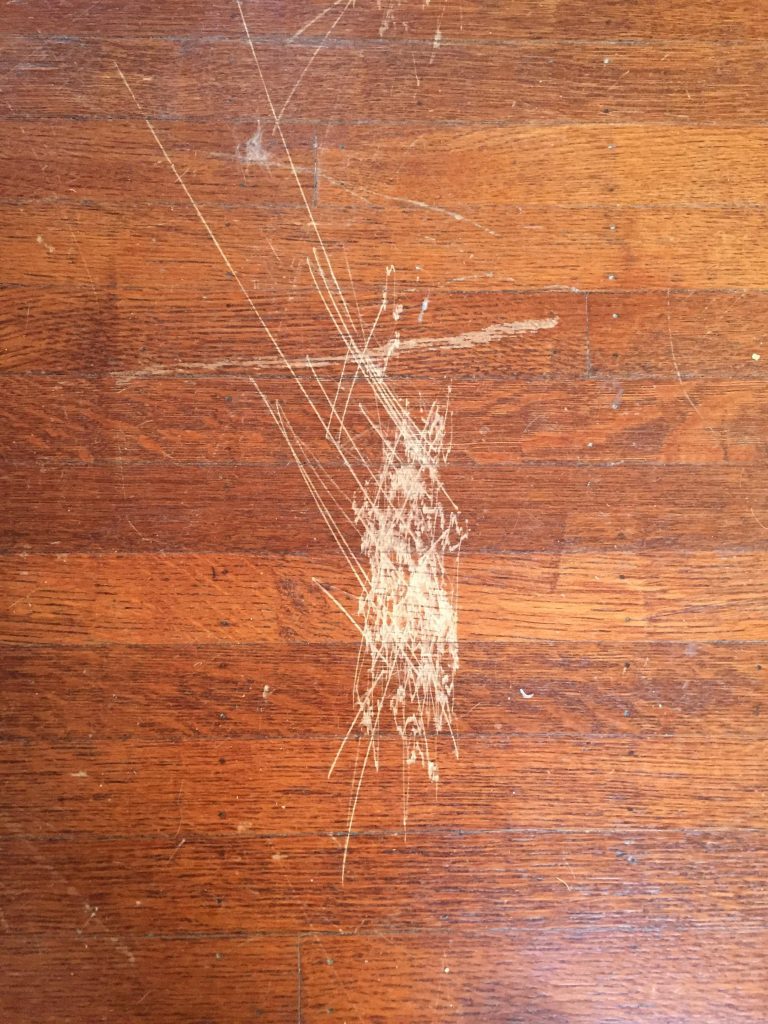
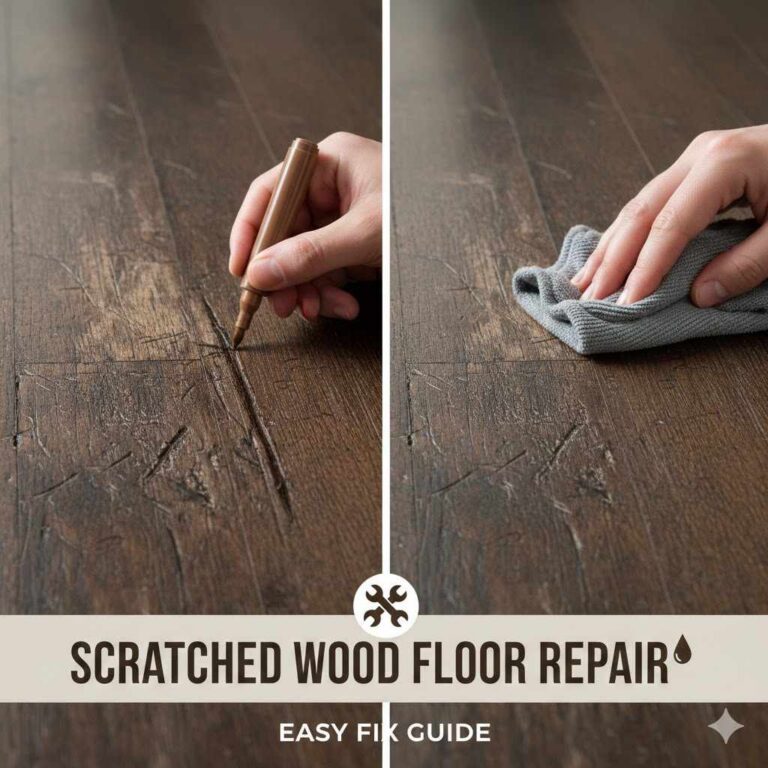
Engineered wood floors can get scratches easily. Pets and furniture can cause marks. Even small stones can leave scratches. This makes the floor look old. Regular cleaning can help. But scratches are hard to avoid. Protective pads under furniture can help. Also, trimming pet nails is useful.
Engineered wood does not like water. Too much water can damage it. The floor can swell or warp. This makes it uneven. Spills should be cleaned fast. Wet mops are not good for cleaning. A damp cloth is better. Bathrooms and kitchens are not ideal places for this flooring. Water can seep through the gaps. This can ruin the floor over time.
Limited Lifespan
Engineered wood flooring can have a thin wear layer. This layer is the top part that you see. It protects the floor. A thin layer wears out faster. Scratches and dents can appear easily. Thicker layers last longer. Thin layers need more care. They might require frequent repairs.
Floors with a thin wear layer may need replacing sooner. This means spending more money. Replacing floors can be hard work. It takes time and effort. The process can disturb your home. Replacement is needed when the floor looks worn. A thin layer might look old quickly. Preparing for these needs is important.
Environmental Impact
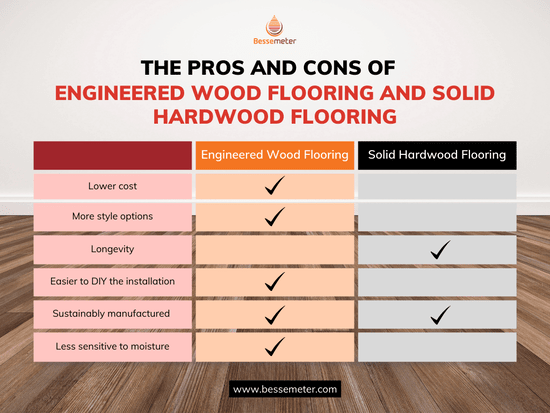
Engineered wood flooring may not be as sustainableas other options. It uses a mix of wood and chemicals. This can hurt our planet. The trees used are often not from sustainable forests. Fewer trees mean less oxygen. This affects air quality.
The process of making engineered wood creates emissions. Factories release gases into the air. These gases harm our environment. They add to global warming. Making the flooring uses a lot of energy. More energy means more pollution.
Credit: www.bessemeter.com
Maintenance Challenges
Engineered wood floors need gentle care. Too much water can damage them. Use a damp mop, not a wet one. Spills should be cleaned fast to avoid stains. Some cleaners can harm the floor. Always check labels before using. Dirt and sand can scratch the surface. Sweeping regularly helps keep floors safe.
Refinishing is a way to make floors look new. Solid wood floors can be refinished many times. Engineered wood has a thin top layer. This means it can only be refinished once or twice. Too much sanding will ruin the floor. Always hire a professional for refinishing. They know how to protect the wood.
Cost Implications
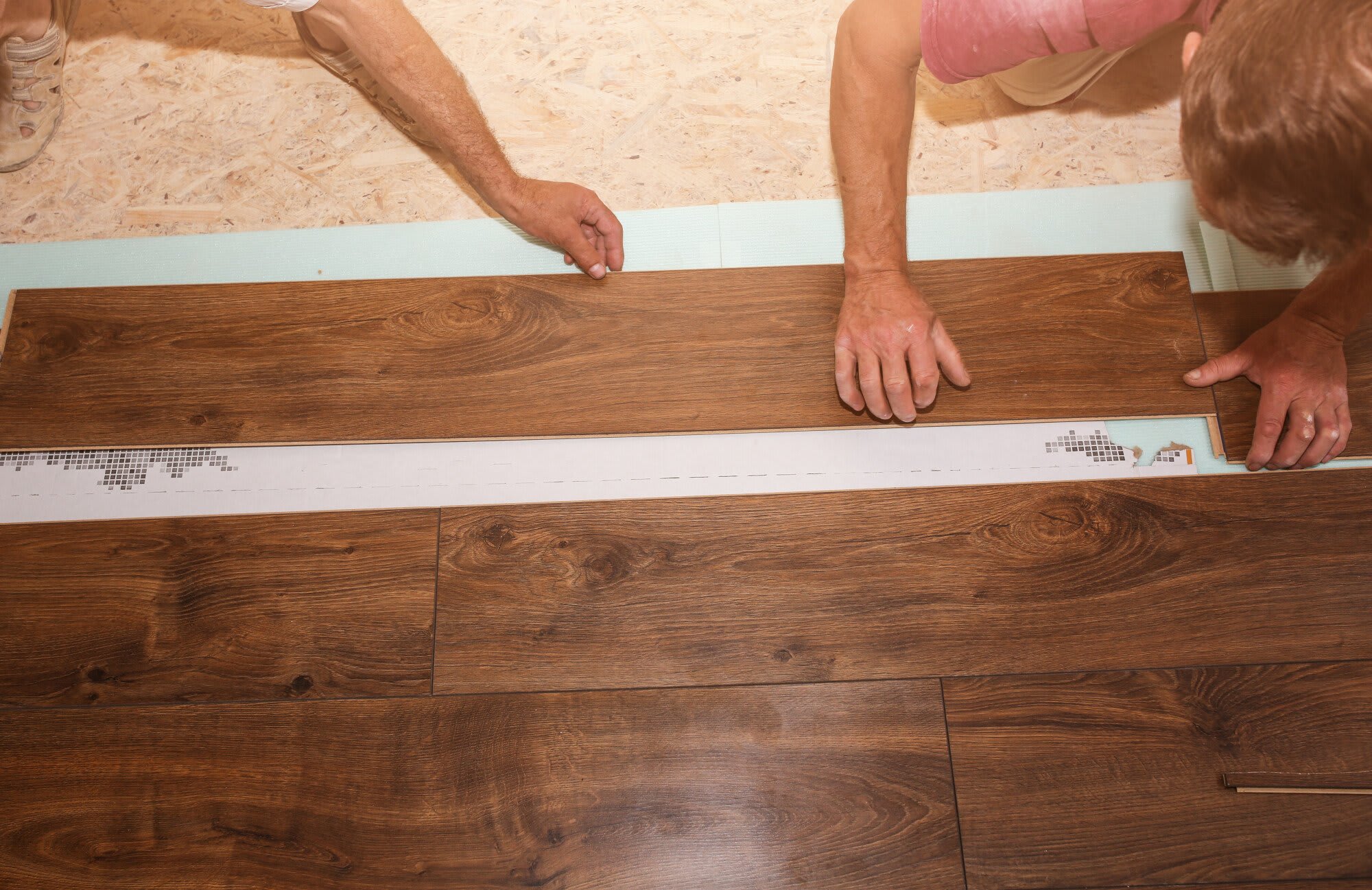
Engineered wood flooring often needs a higher initial investment. Real wood layers and intricate designs make it costly. People may find other flooring types cheaper. The installation also adds to the price. Professional help is often needed. This can increase overall costs. Sometimes, extra tools and materials are required. These add to initial spending.
Long-term expenses can be a burden. Maintenance and repairs may be frequent. Engineered wood may need special cleaning products. These products are not always cheap. Sometimes, you need to replace damaged sections. Finding a perfect match can be hard. This might lead to extra expenses. Over time, the overall cost can add up. Budgeting for these costs is crucial.
Aesthetic Limitations
Engineered wood flooring has limited design options. Most styles look alike, making it hard to find unique patterns. This flooring often lacks the warmthof natural wood. Some might find it less charming. While it tries to mimic real wood, it can fall short. The surface may not feel as authentic. Many people prefer the genuine lookof solid wood. It can be hard to match engineered wood with certain home styles. Creative freedom is less with engineered wood. It may not suit every taste.
Authenticity Concerns
Some people question the authenticityof engineered wood. It is made from layers. The top layer is real wood. Beneath, it is not. This can make it feel fake. Real wood has a natural feel. Engineered wood can lack this feel. Some think it looks like plastic. The appearancecan be deceiving. It tries to look real but might not succeed. Many choose solid wood for its authentic look. Engineered wood may not satisfy those seeking true wood charm.

Credit: www.reallycheapfloors.com
Frequently Asked Questions
What Are The Drawbacks Of Engineered Wood Flooring?
Engineered wood flooring can be susceptible to moisture damage. It may not be as durable as solid hardwood. Over time, it can show wear and tear, especially in high-traffic areas. It might also have limited refinishing options compared to traditional wood flooring.
Does Engineered Wood Flooring Scratch Easily?
Yes, engineered wood flooring can scratch more easily than solid wood. The surface layer is thinner, making it prone to damage. Using furniture pads and avoiding dragging objects can help prevent scratches. Regular maintenance and gentle cleaning are also recommended to keep the surface looking fresh.
Can Engineered Wood Floors Be Refinished?
Engineered wood floors can be refinished, but only a limited number of times. The top veneer layer is thin, which restricts the refinishing process. Over-sanding can expose the core layers, leading to permanent damage. Always consult a professional to assess the refinishing potential of your flooring.
Is Engineered Wood Flooring Eco-friendly?
Engineered wood flooring is less eco-friendly than solid wood. It often involves adhesives and chemicals in its production. The use of multiple layers can lead to a higher carbon footprint. However, it still uses less wood than traditional hardwood, making it a somewhat sustainable option.
Conclusion
Engineered wood flooring has some drawbacks to consider. It can be less durable than solid wood. Moisture can cause warping over time. Refinishing options are limited. It might not last as long in high-traffic areas. Costs can be higher than expected due to maintenance needs.
Not ideal for areas with high humidity. Quality varies, so research is vital before buying. Understanding these disadvantages helps make informed decisions. Choose wisely based on your needs and environment.