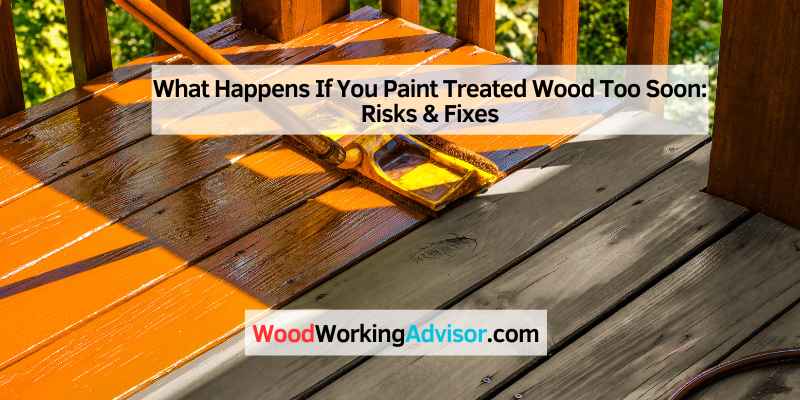
What Happens If You Paint Treated Wood Too Soon: Risks & Fixes
Painting treated wood too soon can result in paint failure and adhesion issues. Additionally, it can cause the boards to warp, leading to potential long-term problems.
It’s crucial to allow the wood to fully dry before applying any paint or stain to ensure proper adhesion and longevity of the finish. Rushing the process can result in costly and time-consuming repairs in the future. Properly dried treated wood will provide a stable and durable surface for painting or staining, ensuring a professional and long-lasting finish for your project.
Always follow the recommended drying times and surface preparation guidelines to achieve the best results.
The Consequences Of Premature Painting
Painting treated wood too soon can lead to various issues that compromise the appearance and durability of the wood. It’s crucial to allow the wood to properly acclimate and dry before applying paint to ensure a successful and long-lasting finish.
Adhesion Issues And Paint Failure
Painting pressure treated wood before it has fully dried can result in adhesion issues and paint failure. Just like applying a sticker to a damp surface, the paint may initially stick, but it won’t adhere properly or last long. This can lead to peeling, cracking, and an uneven paint finish, ultimately requiring costly repainting.
Warping Of Wood Boards
Another consequence of premature painting is the potential warping of wood boards. When paint is applied to treated wood that hasn’t dried adequately, the trapped moisture can cause the boards to warp, leading to structural instability and an unsightly appearance. This can affect the functionality and aesthetics of the wood, necessitating replacements or repairs.
Understanding Treated Wood
Painting pressure treated wood too soon can lead to paint failure and adhesion issues. It’s crucial to allow the wood to dry properly before painting to avoid warping and ensure the paint adheres effectively. Rushing this process can result in a short-lived finish that may not withstand the elements.
If you are planning to use pressure-treated wood for your project, it is important to understand the treatment process and the moisture content of the wood. Pressure-treated wood is treated with chemicals to prevent rot, decay, and termite damage. The treatment process involves placing the wood in a pressure chamber and then forcing the chemicals deep into the wood fibers. This results in wood that is resistant to moisture and pests.
Pressure Treatment Process
During the pressure treatment process, the wood is placed in a pressure chamber and subjected to high pressure. This process forces the preservative chemicals deep into the wood fibers, resulting in wood that is resistant to decay, rot, and insect damage. The chemicals used in the process are toxic, so it is important to take safety precautions when handling pressure-treated wood.
Moisture Content in Treated Wood
One of the most important things to consider when working with pressure-treated wood is the moisture content. Pressure-treated wood is often wet when it is purchased, and it needs time to dry out before it can be painted or stained. If you paint treated wood too soon, the paint will not adhere properly and will likely fail. In addition, the wood may warp or crack if it is painted before it has had a chance to dry out.
To determine if pressure-treated wood is dry enough to paint or stain, you can use a moisture meter or perform a sprinkle test. A moisture meter measures the moisture content of the wood, while a sprinkle test involves sprinkling water on the wood to see if it is absorbed. If the wood absorbs the water, it is not dry enough to paint or stain.
In conclusion, it is important to understand the treatment process and moisture content of pressure-treated wood before painting or staining. Painting treated wood too soon can result in paint failure and other issues, so it is important to wait until the wood has had a chance to dry out. By taking the time to properly prepare your pressure-treated wood, you can ensure a long-lasting and beautiful finish.
Recommended Drying Times
When it comes to painting treated wood, it’s important to allow for proper drying time to ensure a successful and long-lasting finish. Rushing the process can lead to paint failure, adhesion issues, and even warping of the wood boards. So, what are the recommended drying times for treated wood? Let’s explore.
Factors Affecting Drying Duration
Several factors can influence the drying duration of treated wood. These include:
- Wood Type: Different types of treated wood, such as pressure-treated or chemically-treated wood, may have varying drying times.
- Weather Conditions: The weather plays a crucial role in the drying process. Humid or rainy conditions can significantly extend the drying time.
- Wood Thickness: Thicker pieces of wood take longer to dry than thinner ones.
- Treatment Method: The method used to treat the wood, whether it’s kiln-dried or air-dried, can affect the drying duration.
Methods To Test Wood Dryness
Before painting treated wood, it’s essential to ensure that it is adequately dry. Here are a few methods you can use to test wood dryness:
- The Water Sprinkle Test: Sprinkle a few drops of water onto the wood’s surface. If the water beads up, the wood is not yet dry. If it is absorbed, the wood is ready for painting.
- The Moisture Meter: Use a moisture meter to measure the moisture content of the wood. Follow the manufacturer’s instructions to determine the appropriate moisture level for painting.
Remember, it’s crucial to use the correct type of paint and primer for your wooden surface. Consult with a professional or refer to the paint manufacturer’s guidelines to ensure you choose the right products for optimal results.
By allowing for the recommended drying times and conducting appropriate tests, you can avoid potential issues and achieve a beautiful and long-lasting finish when painting treated wood.
Risks Of Ignoring Drying Period
When it comes to painting treated wood, it’s crucial to understand the risks of ignoring the drying period. Rushing the process and painting too soon can have detrimental effects on the wood’s protection and long-term durability. Here are two significant risks to consider:
Compromised Wood Protection
Painting treated wood before it has properly dried can compromise its protective properties. Pressure-treated wood is specially treated to resist rot, decay, and insect damage. However, if the wood is not fully dried, the paint can prevent the moisture from escaping, leading to a trapped environment that promotes rot and decay.
Additionally, the paint may not adhere properly to the wood surface, resulting in premature paint failure. It’s like trying to apply a sticker to a damp piece of paper – it might stick for a little while, but it won’t last long. This can leave your wood vulnerable to damage and reduce its overall lifespan.
Long-term Durability Concerns
Painting treated wood too soon can also lead to long-term durability concerns. The moisture trapped beneath the paint can cause the wood to warp, leading to structural issues and an unattractive appearance. Warped boards not only compromise the integrity of the structure but also create potential safety hazards.
In addition, staining or sealing the wood too early can interfere with the pressure treatment protection. The wood needs time to fully dry and allow the treatment to penetrate and protect the fibers. Applying stain or sealer prematurely can prevent proper absorption and adhesion, resulting in an ineffective finish that won’t stand the test of time.
It’s important to prioritize the drying period for treated wood before applying any paint, stain, or sealer. This ensures that the wood maintains its protective properties and achieves long-lasting durability. Patience during the drying process will ultimately lead to a more successful and visually appealing end result.
Preparation For Painting Treated Wood
Painting treated wood too soon can lead to paint failure and adhesion issues, as well as cause the boards to warp. It is best to wait until the wood has fully dried, which can take three to four months, before painting.
Be sure to use the correct type of paint and primer for the wooden surface.
Surface Cleaning And Priming
Before painting treated wood, it is important to ensure that the surface is clean and free of any dirt, grime, or other debris. This can be done by washing the wood with soap and water, or by using a power washer for more stubborn stains. Once the surface is clean, it is important to prime the wood before painting. This will help the paint adhere better and also prevent any potential bleeding of the chemicals used in pressure treatment.
Choosing The Right Paint And Primer
When it comes to choosing the right paint and primer for treated wood, it is important to select products that are specifically designed for this purpose. Look for products that are labeled for use on pressure-treated wood, and ensure that both the primer and paint are compatible with each other. It is also important to consider the color and finish of the paint, as darker colors can absorb more heat and potentially cause warping or other damage to the wood.
Summary
In conclusion, painting treated wood too soon can lead to a number of issues, including paint failure and warping of the wood. It is important to wait until the wood is completely dry before painting, and to ensure that the surface is clean and primed for best results. By following these tips and choosing the right products, you can achieve a beautiful and long-lasting finish on your treated wood projects.
Fixing Painted-too-soon Wood
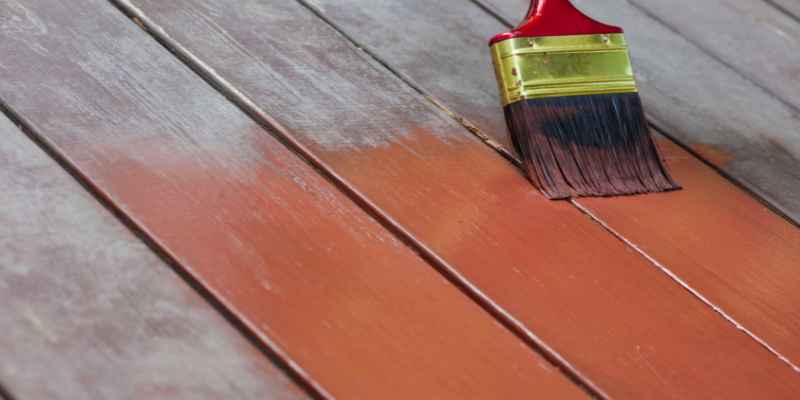
Painting treated wood too early can lead to problems like paint failure and warping of boards. To rectify this, follow these steps:
Stripping Imperfect Paint
- Use a paint stripper to remove the imperfect paint.
- Sand the surface to ensure it’s smooth and ready for repainting.
Corrective Measures And Repainting
- Allow the wood to fully dry for the recommended time.
- Apply a suitable primer to enhance paint adhesion.
- Use high-quality paint for a durable finish.
- Apply multiple thin coats for even coverage.
Preventive Tips And Best Practices
Painting treated wood too soon can lead to paint failure, including premature peeling and adhesion issues. Additionally, the boards may warp if painted before they have fully dried. It is important to wait for the wood to absorb water on the surface and use the correct type of paint and primer for best results.
Painting treated wood too soon can lead to problems such as paint failure and warping. To avoid these issues, follow these preventive tips and best practices:
Sealing And Staining Alternatives
When it comes to sealing and staining alternatives for treated wood, consider using water repellents or oil-based stains instead of paint. These options provide better protection and adhere well to the wood surface.
Professional Advice On Timing
For professional advice on timing, consult with experts in woodworking or painting. They can recommend the ideal timeframe for painting treated wood to ensure optimal results and long-lasting finish.
Remember, patience is key when it comes to painting treated wood. Allow the wood to dry properly before applying any paint or stain to avoid potential issues down the road.
Expert Insights On Treated Wood
Painting treated wood too soon can lead to paint failure, adhesion issues, and warping of the boards. It’s important to allow the wood to dry for three to four months before painting and to use the correct type of paint and primer for optimal results.
Premature painting can interfere with the pressure treatment protection and prevent proper absorption of stain and sealer. It’s best to consult a professional for guidance on when to paint or stain pressure treated wood.
Advice From Painting Professionals
Painting professionals recommend allowing pressure-treated wood to dry for at least three to four months before painting to prevent issues like paint failure and adhesion problems. Using the right paint type and primer is crucial for a successful paint job on treated wood.
Common Faqs Addressed
– What happens if you paint treated lumber too soon?
Premature painting can lead to paint failure and adhesion issues, similar to applying a sticker to a damp surface. Painting too early may also cause the wood to warp.
– What happens if you stain pressure-treated wood too soon?
Staining wet wood can prevent proper absorption of the stain and sealer, affecting the finish’s adhesion and potentially compromising the wood’s pressure treatment protection.
– How soon can you seal pressure-treated wood?
It is advisable to wait for the wood to dry thoroughly before sealing to ensure proper absorption and adhesion of the sealant.
When it comes to painting or staining pressure-treated wood, patience is key to achieving a long-lasting and visually appealing finish.
Frequently Asked Questions
How Long Should Pressure Treated Wood Dry Before Painting?
Pressure-treated wood should dry for three to four months before painting. Rushing the process can cause paint failure and adhesion issues, as well as warping of the boards. Once the wood absorbs water on the surface, it’s ready for paint.
Use the correct type of paint and primer on your wooden surface.
What Happens If You Paint Treated Lumber Right Away?
Painting treated lumber right away can lead to paint failure and adhesion issues. The wood needs time to dry and absorb water on the surface before painting. Premature painting can cause the boards to warp and the finish to not adhere properly.
What Happens If You Stain Pressure Treated Wood Too Soon?
Staining pressure treated wood too soon can lead to several issues. The wood may not absorb the stain properly, resulting in an uneven finish. It can also interfere with the effectiveness of the pressure treatment, reducing its protective properties. Painting or staining too early can cause the paint to blister, peel, or not dry properly.
It’s important to allow the wood to dry fully before applying any stain or paint.
How Soon Can You Seal Pressure Treated Wood?
Seal pressure treated wood after 3-4 months when the surface absorbs water. Sealing too soon may cause paint failure and wood warping.
Conclusion
Painting treated wood too soon can lead to paint failure and adhesion issues. The wood needs time to dry and absorb water on the surface before painting. Rushing the process can cause the paint to blister, peel, or the boards to warp.
Ensure proper drying time for optimal results.