3 Facts About Ash Wood: Strength, Grain & the EAB Shortage
Ash wood is a strong, shock-resistant hardwood — white ash rates 1,320 lbf on the Janka scale, historically the top pick for baseball bats and tool handles — but healthy, affordable ash is now hard to find. The emerald ash borer has killed hundreds of millions of North American ash trees since 2002, pushing 2026 lumber prices to $4–$8 per board foot. This guide covers ash’s real strength numbers, its grain and finishing character, and why supply keeps shrinking.
Fact 1: Ash Wood Is Exceptionally Strong and Shock-Resistant
White ash absorbs sudden impact without shattering, which is exactly why it dominated tool-handle and sporting-goods manufacturing for most of the 20th century. On the Janka hardness scale — the industry test for how much force a wood resists before denting — white ash rates 1,320 lbf, putting it close to red oak (1,290 lbf) but with noticeably better flex and shock absorption for the same weight.
| Ash Species | Density (dry, 12% MC) | Specific Gravity | Janka Hardness |
|---|---|---|---|
| White Ash | ~42 lbs/ft³ | ~0.60 | 1,320 lbf |
| Green Ash | ~41 lbs/ft³ | ~0.56 | 1,200 lbf |
| Black Ash | ~34 lbs/ft³ | ~0.45–0.50 | 850 lbf |
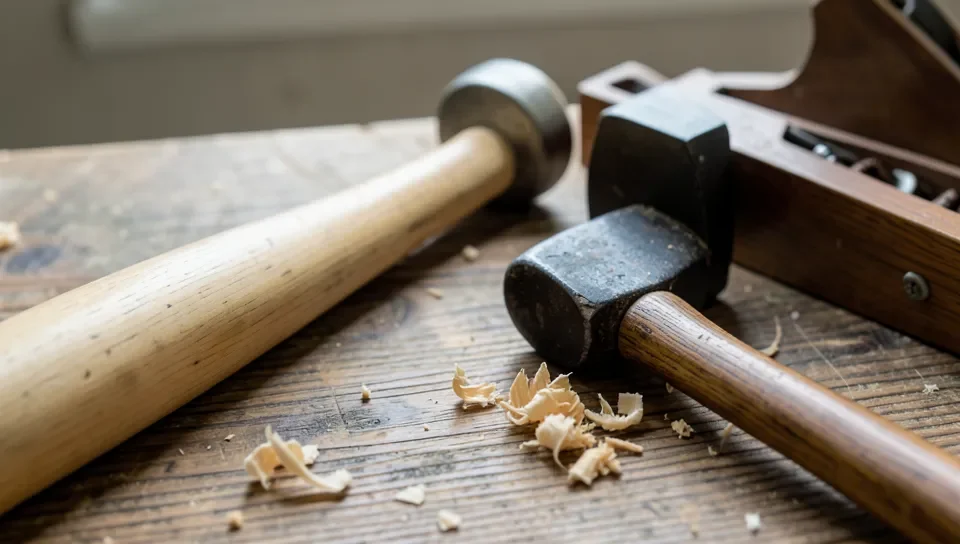
That combination of hardness and flex is why ash was, for most of the 20th century, the default wood for baseball bats — northern white ash from Pennsylvania and upstate New York was considered the benchmark material because a medium-weight ash bat lets a batter swing quickly without the wood fracturing into multiple pieces. Maple has become more common in professional baseball since the early 2000s, but ash bats are still widely sold specifically because they flex and dent rather than shatter. The same shock-resistance is why ash remains a standard choice for hammer and axe handles, oars, and other tools that take repeated hard impact.
📊 White ash rates 1,320 lbf on the Janka hardness scale — Source: Gutchess Lumber, 2026
“Ash provides the ultimate in flexibility due to its unique grain structure and is more forgiving than maple, rarely seeing multi-piece fractures when the bat breaks.”
Best Finish for Ash Wood’s Open Grain
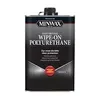 |
Minwax Oil-Based Wipe-On Polyurethane, Satin (1 Pint) – $19.99 Ash’s open, straight grain (covered in Fact 2 below) soaks up finish unevenly if you skip a wiping poly — this oil-based wipe-on builds an even, hand-rubbed satin sheen in thin coats without brush marks.
|
As an Amazon Associate we earn from qualifying purchases.
Fact 2: Ash Has a Bold, Open, Straight Grain
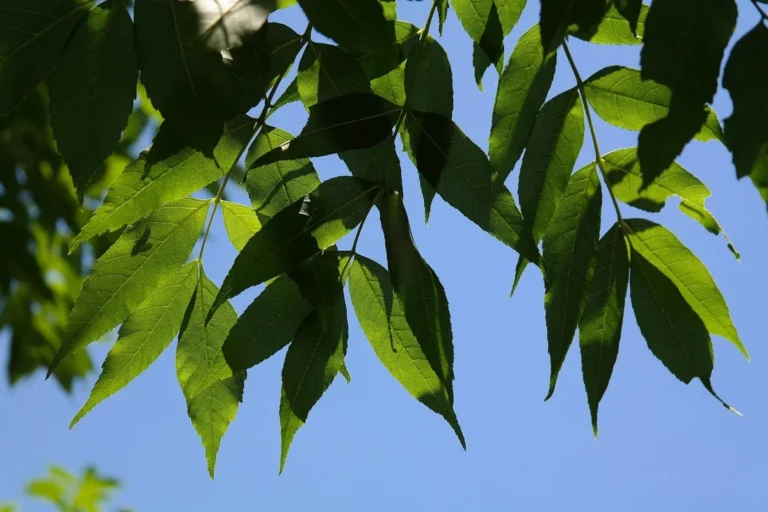
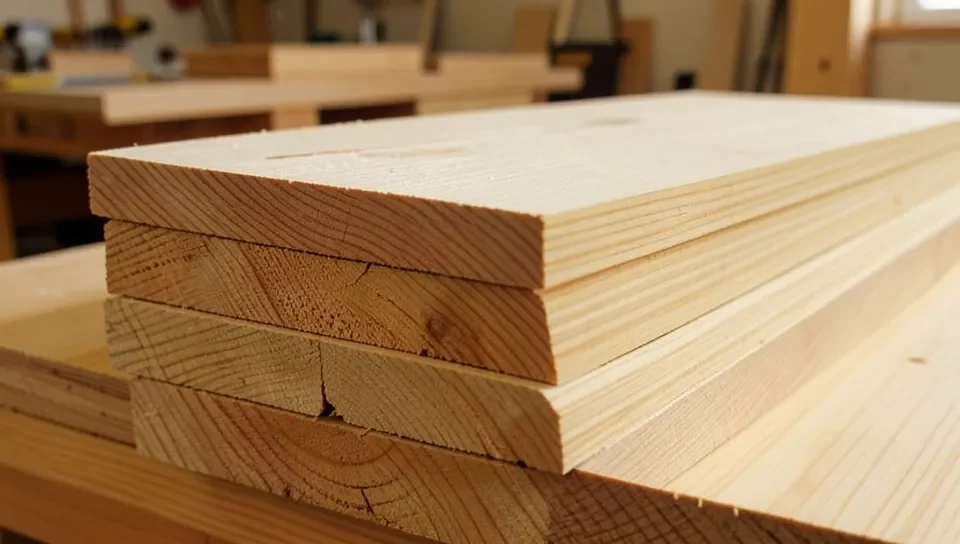
Ash is a ring-porous hardwood, meaning the large early-wood pores form visible, straight lines running with the grain — the same growth-ring structure that shows up as pronounced pale streaks in oak. The grain is usually straight (occasional boards run slightly wavy), giving ash a clean, athletic look that reads as lighter and more casual than walnut or cherry, closer in character to oak but with a slightly more open, textured surface.
Ash grain is an open-pore pattern that reveals the wood’s annual growth rings as raised lines when the surface is planed or sanded, which is why ash needs a pore filler or several thin coats of finish — not one heavy coat — to look smooth rather than textured. That same open structure is also more prone to grain raising when a water-based stain or finish is applied, so a light sanding between coats matters more on ash than it does on tighter-grained woods like maple.
Because the pores stay open even after finishing, ash typically needs more coats than a closed-grain wood to build the same level of protection — on flooring, that usually means matching or exceeding the standard polyurethane coat count for hardwood floors rather than cutting a coat to save time.
Why Ash Wood Is Getting Scarcer (and Pricier) in 2026
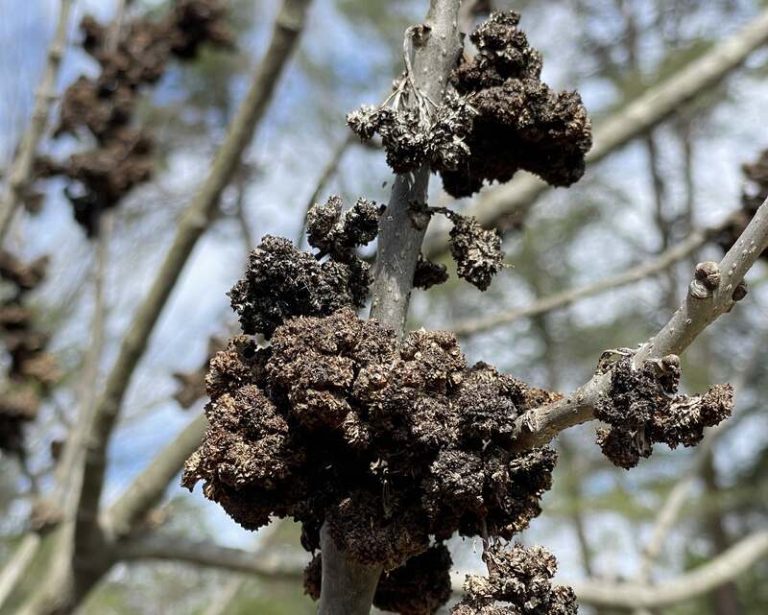
The emerald ash borer (EAB), an invasive beetle first detected in Michigan in 2002, is the reason ash lumber costs more and moves faster off the shelf than it did a decade ago. The larvae tunnel winding galleries under the bark that cut off a tree’s ability to move water and nutrients — in areas where EAB has been established longest, over 99% of infested ash trees have died. More than 8 billion ash trees across North America are now considered at risk, and the beetle’s range has spread to 35 U.S. states and five Canadian provinces, with no sign of the spread stopping at any natural boundary.
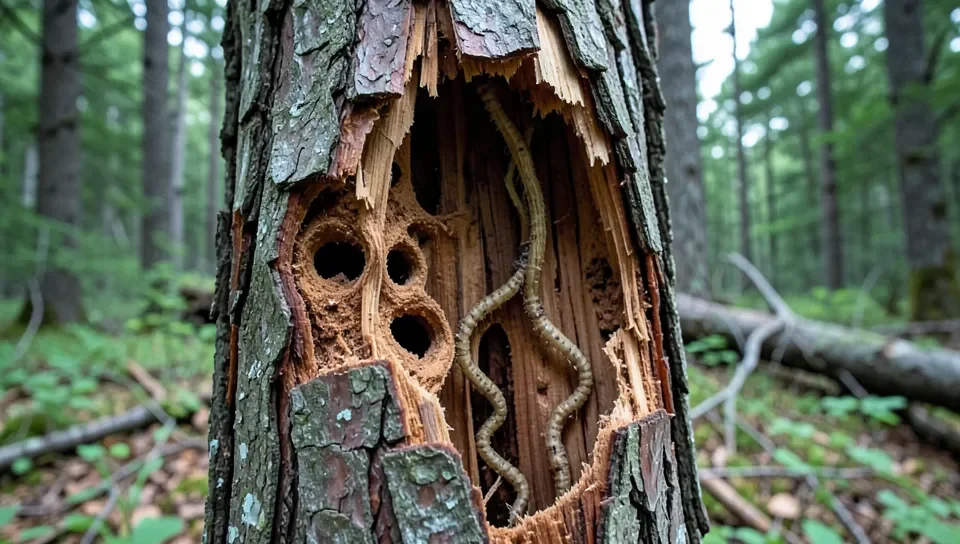
📊 More than 8 billion North American ash trees are at risk from the emerald ash borer — Source: Minnesota DNR, 2026
The practical effect for woodworkers: standard kiln-dried 4/4 ash lumber runs roughly $4 to $8 per board foot in 2026, with salvage-cut boards from beetle-killed trees sold cheaper but with more defects, and wide, clear, kiln-dried stock at the top of that range. Big-box retailers still stock ash in most regions — check current availability at Lowe’s or Menards before a project, since stock varies more by store than it used to. If a supplier is out, specialty hardwood dealers are usually a more reliable source for clear, wide ash boards than a single big-box trip.
That same flexible, splittable grain is also why black ash specifically — a softer, more pliable relative of white ash — became the traditional material for Wabanaki, Mohawk, and Ho-Chunk basket weavers, who pound a log along its growth rings to separate it into thin, bendable splints. EAB now threatens that tradition directly: tribal basket makers in Maine and New York have organized seed-banking and log-preservation programs specifically because losing black ash stands would mean losing a craft passed down for generations, not just a lumber source.
“There’s a story that’s been passed down for generations among the Wabanaki people that says ash trees are the place from which they were all created.”
Fact 3: Ash Is Relatively Easy to Work With — With a Few Cautions
Ash saws, planes, and routs cleanly with sharp tools and holds screws and glue joints well, which is why it shows up in mortise-and-tenon furniture, dovetailed drawer boxes, and pocket-hole assemblies alike. It takes stain and a painted finish reasonably evenly once the open grain is filled or sealed, though blotching can still show up without a pre-stain conditioner on end grain.
Two real cautions: the same open grain that makes ash easy to stain also makes it prone to tear-out on the router and jointer if the cutters aren’t sharp, and the fine dust generated while sanding or routing ash is a documented respiratory and skin irritant for some woodworkers, so a dust mask and shop ventilation matter more with ash than with a closed-grain wood like maple.
Frequently Asked Questions About Ash Wood
Is Ash Wood Good for Beginners?
Yes. Ash cuts, planes, and sands predictably with sharp tools, holds screws and glue joints well, and its straight grain makes it more forgiving than figured or interlocked-grain woods. The main beginner mistake is skipping a pre-stain conditioner, which can cause blotchy staining on the open grain.
How Does Ash Wood Compare to Oak Wood?
Ash and red oak are close in hardness (1,320 lbf vs. 1,290 lbf Janka) and both are ring-porous with visible open grain, but ash has noticeably more flex and shock resistance for its weight, which is why ash wins for bat and tool handles while oak is more common in flooring and cabinetry.
Can Ash Wood Be Stained?
Yes, but its open, ring-porous grain absorbs stain unevenly without prep. Apply a pre-stain wood conditioner first, and expect to need a pore filler or several thin topcoats for a smooth, non-textured final finish rather than one heavy coat.
Why Is Ash Wood Getting More Expensive?
The emerald ash borer has killed the majority of mature ash trees in areas it has occupied longest, and it’s now established in 35 U.S. states. Healthy, clear ash lumber supply keeps shrinking even as salvage wood from dead trees floods some regional markets at lower prices, which is why 2026 pricing runs $4-$8 per board foot for standard kiln-dried stock.
Does Ash Wood Splinter Easily?
Less than most hardwoods of similar hardness. Ash’s straight, flexible grain structure is specifically why it resists splintering into sharp multi-piece fractures under impact – the same property that makes it a standard choice for tool handles and bats instead of a more brittle hardwood.
What Is Ash Wood Best Used For?
Tool handles (hammers, axes, mallets), baseball bats and other sporting goods, furniture frames, flooring, and cabinetry are the most common uses – anywhere a project benefits from a hard, shock-resistant wood with an attractive, paintable or stainable open grain.
Conclusion: Ash Is Still Worth Using — Just Buy It Deliberately
Ash earns its reputation: a 1,320 lbf Janka rating with real shock resistance, a bold open grain that takes stain and paint well with the right prep, and machining behavior that’s genuinely forgiving for less experienced woodworkers. The one thing that’s changed is supply — with the emerald ash borer now established across 35 states, buying clear, kiln-dried ash when you find it (rather than assuming it’ll be there next time) is the more realistic approach in 2026.
Sponsored / affiliate links. As an Amazon Associate I earn from qualifying purchases. I may earn additional commission from eligible campaigns.