What is Good Wood for Carving: Top Picks & Pro Tips
Good wood for carving includes basswood, oak, walnut, maple, sycamore, and poplar. These types of wood are popular choices for both beginners and experienced carvers due to their workability and suitability for various projects.
Other options such as limewood, birch, willow, and pine can also be used for carving, but may have specific characteristics and considerations to keep in mind. Whether you are a beginner looking to start whittling or an experienced woodcarver, choosing the right wood is essential for creating beautiful and detailed carvings.
We will explore the qualities and characteristics of different types of wood for carving, helping you make an informed decision for your carving projects.
Most Popular Wood Types
Limewood, oak, walnut, maple, sycamore, and poplar are popular wood types for carving. These woods are chosen for their ease of carving and suitability for different projects, such as furniture making and outdoor carving. Beginners can also start with softer woods like basswood, birch, willow, sycamore, alder, and lime wood.
Freshly cut wood, known as green wood, is also commonly used as it is easier to carve.
Basswood
Basswood, also known as Limewood, is one of the most popular wood types for carving. It is widely used by many carvers due to its softness and ease of working. This wood type has a straight grain, making it ideal for intricate and detailed carvings. Basswood is also very lightweight, which allows for easy handling and maneuvering while carving.
Cedar
Cedar is another popular wood for carving due to its natural resistance to decay and insect infestation. This wood type has a distinct aroma and beautiful color variations that add character to the carved piece. Cedar is known for its medium hardness and fine texture, making it suitable for both detailed and larger-scale carvings.
Birch
Birch wood is well-regarded by carvers for its smooth and even grain. It is a sturdy and strong wood type, making it suitable for carving projects that require durability. Birch wood has a light-colored appearance, allowing for easy staining or painting of the finished piece. It is also known for its excellent workability and ability to hold intricate details.
Willow
Willow wood is highly favored by carvers for its flexibility and softness. It is a lightweight wood type that is easy to carve, making it an excellent choice for intricate and delicate designs. The fine grain and pale color of willow wood give carvings a distinctive and elegant look. This wood type is often used for ornamental carvings and decorative pieces.
Black Walnut
Black Walnut is a popular choice among skilled woodcarvers. It is a hardwood with a rich, dark brown color and a beautiful grain pattern. Black Walnut is known for its excellent workability and ability to hold fine details. Carvings made from this wood type often have a stunning natural finish. However, it is essential to note that Black Walnut can be challenging to carve due to its hardness.
Butternut
Butternut wood is highly regarded for its unique texture and rich color. It is a softer wood type that carves easily, making it suitable for both beginner and experienced carvers. Butternut wood has a warm, light brown color that deepens with age, giving carved pieces a natural and rustic appearance. Its lightweight nature makes it a joy to work with, especially for larger projects.
Linden
Linden wood, also known as basswood in Europe, is a popular choice for carvers due to its fine and even grain. This wood type is easy to carve and offers excellent workability. Linden wood has a light color, making it suitable for staining or painting the finished carving. It is often used for creating religious and architectural carvings due to its smooth and consistent texture.
Cottonwood Bark
Cottonwood bark is a unique and popular choice for woodcarving. It is soft and fibrous, making it easy to carve intricate designs. Cottonwood bark carvings often have a natural and rustic appearance, as the texture and color of the bark add depth and character to the finished piece. This wood type is commonly used for carving masks, wildlife sculptures, and decorative items.
Properties Of Ideal Wood
When it comes to wood carving, selecting the right type of wood is crucial for creating intricate and beautiful carvings. The properties of the wood play a significant role in determining the success of the carving process. Let’s delve into the essential properties of ideal wood for carving.
Softness And Workability
- Basswood, also known as Limewood, is a popular choice due to its softness, making it easy to carve intricate details.
- Oak and maple are also favorable options for their moderate softness, allowing for smooth carving strokes.
- Walnut, with its medium hardness, offers a balance between being easy to work with and providing a stable surface for carving.
- Poplar and sycamore are known for their workability, making them suitable for both beginners and experienced carvers.
Resistance To Cracking
- Walnut and oak exhibit strong resistance to cracking, ensuring that the carved piece remains intact over time.
- Basswood and maple are less prone to cracking, ideal for intricate carvings that require precision.
Choosing wood with the right softness, workability, and resistance to cracking is essential for a successful wood carving experience. Whether you are a beginner or an experienced carver, selecting the ideal wood can elevate your craftsmanship and bring your artistic vision to life.
Where To Find Quality Wood
Quality wood for carving can be found in species like basswood, walnut, and oak, known for their workability and fine grain. Online retailers and local craft stores offer various wood options, including birch, willow, and sycamore, suitable for beginners. Green wood is also commonly used for its ease of carving, albeit with a tendency to crack as it dries.
Explore These Local Stores For Quality Wood For Carving:
- Visit your nearest woodworking specialty store.
- Check out craft stores like JOANN for basswood carving blocks.
Discover Reputable Online Retailers Offering Premium Wood For Carving:
- Shop at Rockler Woodworking and Hardware for exotic hardwood cutoffs.
- Explore Bell Forest Products for walnut hobby wood.
For woodcarving, Limewood, known as Basswood, is a popular choice due to its versatility. Oak, walnut, maple, sycamore, and poplar are also excellent options for carving.
Beginner whittlers can start with softer woods like basswood, birch, willow, sycamore, alder, and lime wood, easily found in local craft stores or online.
Freshly cut wood can be carved by many carvers, especially those working with green wood for a unique carving experience.
Best Wood For Beginners
When it comes to wood carving, choosing the right type of wood is crucial for a successful and enjoyable carving experience. For beginners, it’s important to start with woods that are easy to work with and forgiving of mistakes. Here are some of the best wood options for beginners:
Lime Wood
Lime wood, also known as Basswood, is a popular choice among woodcarvers. It is lightweight, soft, and easy to carve, making it ideal for beginners. Lime wood has a fine and even texture, which allows for smooth carving and intricate details. Additionally, it doesn’t have a strong grain pattern, which means it won’t split or chip easily. Its light color also makes it perfect for painting or staining to enhance the final result.
Oak
Oak is a classic choice for woodcarvers, and it is especially great for outdoor projects or larger pieces. It is a hardwood with a strong and durable nature, which makes it suitable for intricate details and structural durability. While it may be a bit more challenging to carve compared to softer woods like basswood, oak offers a rich and beautiful grain pattern that adds character to the finished piece.
Maple
Maple is another excellent choice for beginners due to its fine grain and smooth texture. It is a hardwood that is known for its strength and durability. Maple is relatively easy to carve, and its light color and close grain give carvings a polished and refined look. It also accepts stains and finishes well, allowing woodcarvers to enhance the natural beauty of the wood.
Sycamore
Sycamore is a versatile wood that is often favored by beginner carvers. It has a straight and fine grain, which makes it easy to work with. Sycamore is relatively soft and lightweight, making it perfect for carving intricate details and smaller projects. It also has a creamy white color that can be enhanced with finishes or left in its natural state.
In conclusion, for beginners in wood carving, choosing the right wood is essential. Lime wood, oak, maple, and sycamore are all excellent options that offer different characteristics and suitability for various projects. Starting with these woods will ensure a successful carving experience and allow beginners to develop their skills and creativity in this rewarding craft.
Working With Freshly Cut Wood
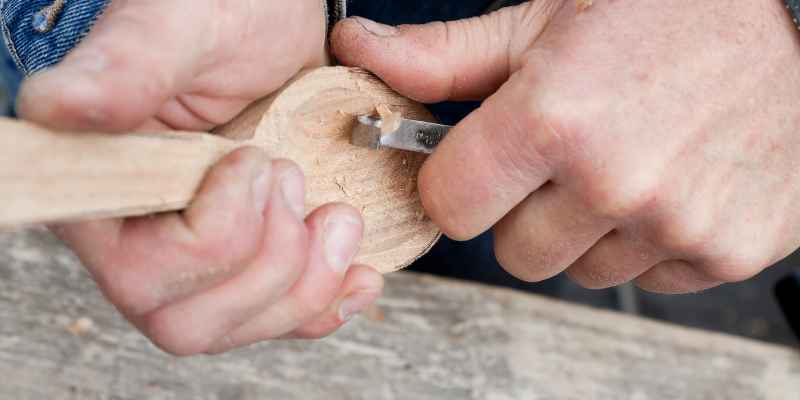
When it comes to wood carving, working with freshly cut wood, also known as green wood, offers several advantages and considerations. Carving with green wood is a common practice among woodcarvers, and understanding its benefits and potential challenges is crucial for successful woodworking.
Advantages Of Green Wood
Working with green wood provides several benefits, including:
- Ease of Carving: Green wood is softer and more pliable, making it easier to carve intricate details and designs.
- Reduced Tool Wear: The softer nature of green wood results in reduced wear on carving tools, extending their lifespan.
- Less Splintering: Green wood is less likely to splinter or break during the carving process, allowing for smoother carving with fewer interruptions.
- Enhanced Aromatics: Freshly cut wood often emits a pleasant aroma, adding to the sensory experience of wood carving.
Considerations For Cracking
While green wood offers advantages, it also presents considerations for potential cracking:
- Drying Time: Green wood needs time to naturally dry and stabilize, as rapid drying can lead to cracking and warping.
- Proper Storage: Storing green wood in a controlled environment with consistent moisture levels is essential to prevent cracking during the drying process.
- Sealing Ends: Sealing the ends of freshly cut wood with a suitable wood sealer or wax helps minimize moisture loss and reduces the risk of end-grain cracking.
- Gradual Shaping: Gradually shaping the green wood and allowing for natural drying between carving sessions can help mitigate the risk of cracking.
Suitability Of Pine For Carving
Pine is a versatile wood for carving due to its softness and fine grain, making it ideal for delicate details. Its affordability and availability make it a popular choice for beginners and seasoned carvers alike, enabling intricate designs and smooth finishes.
Softness And Grain
Pine wood is known for its softness and fine grain, making it an ideal choice for carving. The softness of pine facilitates easy carving, allowing beginners to make smooth cuts and intricate designs.
Ideal For Beginners
Pine wood is ideal for beginners due to its forgiving nature and ease of carving. Its soft texture and straight grain enable new carvers to practice and refine their carving techniques without facing significant challenges.
Expert Recommendations
When seeking the perfect wood for carving, it’s vital to consider the recommendations from seasoned woodcarvers.
Limewood (basswood)
Highly favored by many carvers due to its soft and easy-to-work nature.
Oak
Common choice for outdoor and large-scale projects, known for its durability.
Walnut
Popular among woodcarvers and furniture makers for its versatility and rich color.
Maple
Well-regarded wood for its fine grain and excellent finishing qualities.
Sycamore
Often chosen for its smooth texture and ease of carving.
Poplar
Valued for its affordability and suitability for various carving projects.
When starting out in wood carving, beginners may find joy in working with softer woods like basswood or birch.
Frequently Asked Questions Of What Is Good Wood For Carving
What Is The Best Type Of Wood For Carving?
Limewood (also known as Basswood) is the best type of wood for carving. Oak, walnut, maple, sycamore, and poplar are also good choices for woodcarving. For beginners, softer woods like basswood, birch, willow, sycamore, alder, and lime wood are recommended.
Avoid using pine as it can be brittle and difficult to carve.
What Is The Best Wood For Beginner Whittling?
For beginner whittling, softer woods like basswood, birch, willow, and sycamore are easy to carve.
Can You Carve Freshly Cut Wood?
Yes, you can carve freshly cut wood, known as green wood, which is easier to carve due to its higher moisture content.
Is Pine Good For Carving?
Pine is a good wood for carving because it is soft, readily available, and affordable. However, it can be brittle and have knots that are difficult to carve. Beginners often choose pine for their projects.
Conclusion
Choosing the right wood for carving is essential to achieve the desired results in your woodcarving projects. Basswood, oak, walnut, maple, sycamore, and poplar are popular choices among woodcarvers due to their workability and versatility. Beginners may also consider softer woods like birch, willow, and lime wood.
It’s important to note that working with freshly cut or green wood can make carving easier but may result in cracking during the drying process. Ultimately, selecting the right wood for carving will depend on your project and personal preference.