What is Pecan Wood Good for: Top Benefits and Uses
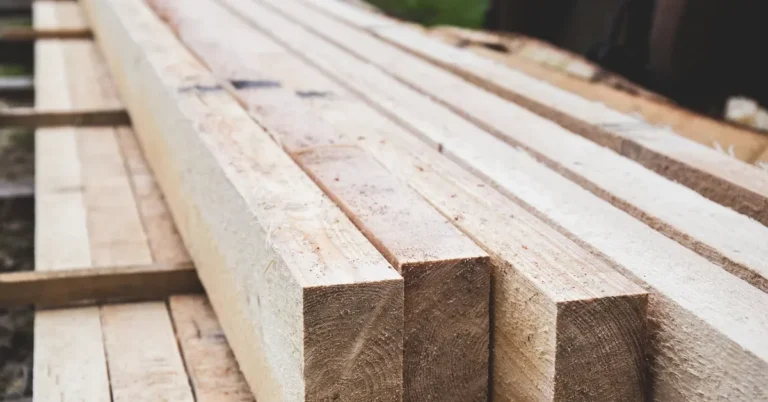
Pecan wood is good for building furniture and is also used for smoking meat due to its strong flavor. It is a type of hickory wood known for its rich, buttery nuts.
Additionally, pecan wood is used for cabinetry, flooring, tool handles, ladder rungs, sporting goods, drumsticks, and golf club shafts. It is a hardwood with similar appearance to hickory wood and can also be sliced into decorative veneer. Overall, pecan wood offers a variety of applications and is valued for its strength and unique flavor when used for smoking meat. A wood sold as “Brazilian pecan” flooring is a different, unrelated South American species marketed under a similar-sounding name – not this tree at all.
Pecan Wood Properties at a Glance
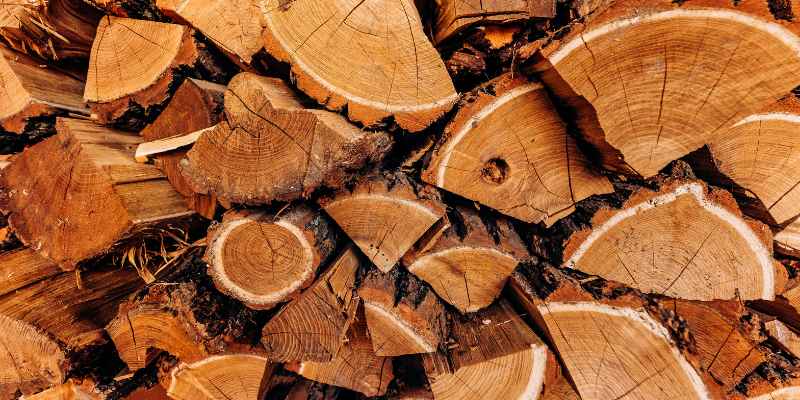
Before choosing pecan for a project, it helps to see how it stacks up numerically against the hardwoods it’s most often compared to. Pecan sits in the hickory family, so it shares hickory’s toughness but is slightly easier to work.
| Property | Pecan | Red Oak | Hickory | Black Walnut |
|---|---|---|---|---|
| Janka hardness | ~1,820 lbf | ~1,290 lbf | ~1,820–2,140 lbf | ~1,010 lbf |
| Density (dry) | ~45 lb/ft³ | ~44 lb/ft³ | ~51 lb/ft³ | ~38 lb/ft³ |
| Workability | Moderate – dulls blades faster than oak | Easy | Difficult, very tough | Easy |
| Grain | Coarse, straight to wavy | Open, straight | Coarse, straight | Fine, straight |
| Typical cost | Moderate | Moderate | Moderate-high | High |
Because pecan is functionally a species of hickory, mills and lumberyards frequently sell it simply labeled “hickory,” so don’t be surprised if a board with pecan’s lighter sapwood and darker heartwood contrast is rung up under that name.
How to Choose Quality Pecan Wood for a Project
Not every board sold as pecan is equally suited to furniture, flooring, or smoking. A few checks before you buy will save headaches later:
- Check moisture content. Kiln-dried pecan (around 6–8% moisture content) is what you want for furniture and cabinetry. Green or air-dried boards can warp and check as they continue drying in your shop.
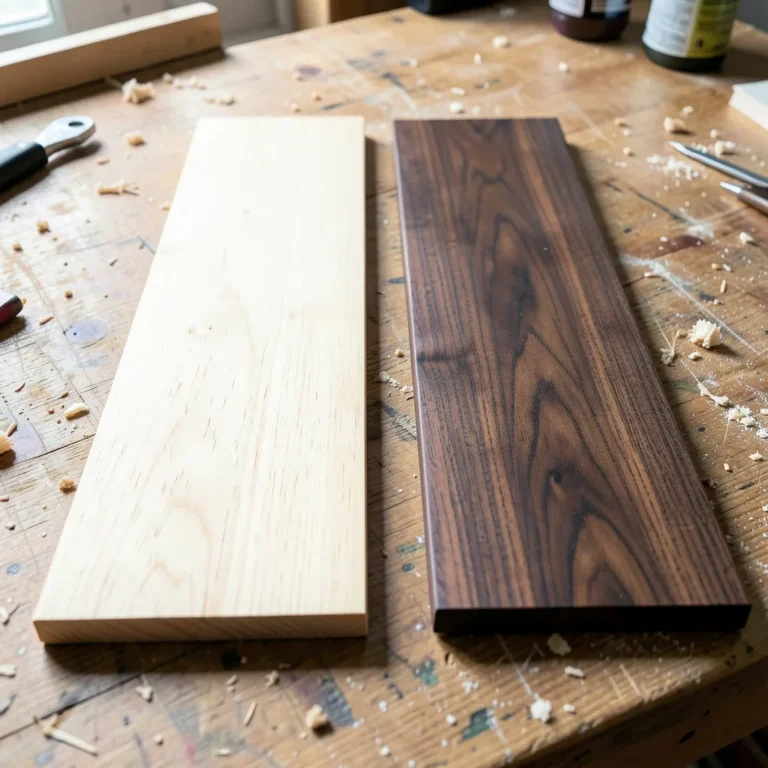
- Look at the sapwood-to-heartwood ratio. Pecan’s pale cream sapwood and reddish-brown heartwood create strong contrast within a single board. Decide up front whether you want that two-tone look or a more uniform color, and pick boards accordingly.
- Inspect for straight grain. Wavy or interlocked grain (common in pecan) looks striking but is harder to plane cleanly — a sharp, low-angle plane or light passes on a planer help avoid tear-out.
- For smoking wood, buy seasoned chunks or chips, not green wood. Freshly cut pecan produces excess creosote and acrid smoke; seasoned pecan (dried at least 6–12 months) burns cleaner and gives the milder, nutty flavor the wood is known for.
Common Mistakes When Working With Pecan Wood
Pecan rewards careful technique. These are the mistakes that trip up woodworkers and grill cooks most often:
- Using dull blades. Pecan’s hardness dulls standard blades faster than oak or maple. Carbide-tipped blades and bits last considerably longer and leave a cleaner cut.
- Skipping pre-drilling for screws and nails. Because pecan is dense, driving fasteners without a pilot hole often splits the board, especially near edges and ends.
- Over-smoking meat with pecan. Pecan is milder than hickory or mesquite, but using too much or letting it smolder too long still produces a bitter, acrid taste. Most pitmasters mix pecan with a milder fruitwood or use it in moderation for the last portion of a smoke.
- Ignoring acclimation time. Like any hardwood, pecan needs to acclimate to your shop’s humidity for several days before milling, or finished pieces can cup or twist after assembly.
Finishing Pecan Wood
Pecan takes stain and film finishes well once it’s sanded properly, but its open, sometimes wavy grain means prep matters more than it does with tighter-grained woods:
- Sand progressively. Work up through at least 120, 150, and 220 grit. Skipping grits leaves swirl marks that show clearly once stain is applied, because pecan’s grain readily telegraphs surface scratches.
- Use a pre-stain conditioner if you want an even tone. The contrast between pecan’s sapwood and heartwood can absorb stain unevenly; a conditioner helps blend the two so the color reads as one cohesive board rather than two different woods.
- Oil finishes suit pecan’s natural look. Danish oil or tung oil deepens the grain and lets the natural color variation show, which is often the whole appeal of choosing pecan over a more uniform hardwood.
- Film finishes hold up better for flooring and tabletops. Polyurethane or conversion varnish protects pecan’s surface from the dents and scuffs that come with daily use, since pecan, despite its hardness, can still show wear under film-free oil finishes in high-traffic spots.
Pecan Wood for Smoking: How It Compares
| Wood | Flavor Intensity | Best Paired With |
|---|---|---|
| Pecan | Mild-to-medium, nutty, slightly sweet | Poultry, pork, fish, cheese |
| Hickory | Strong, bacon-like | Pork shoulder, ribs, beef brisket |
| Mesquite | Very strong, earthy | Beef, short smokes only |
| Apple/Cherry | Mild, fruity, sweet | Poultry, pork, fish |
Because pecan sits between hickory’s intensity and fruitwood’s sweetness, it’s often recommended as a beginner-friendly smoking wood — forgiving enough that a slightly longer smoke won’t turn the meat bitter the way over-smoking with mesquite or straight hickory can.
Frequently Asked Questions For What Is Pecan Wood Good For
What Can I Do With Pecan Wood?
Pecan wood is great for building furniture and smoking meat due to its strong, yet mild flavor.
Is Pecan Wood Harder Than Oak?
Pecan wood is harder than oak, and it’s great for furniture building and smoking meat. It has a stronger flavor than fruit woods but milder than hickory and mesquite. Pecan wood is also used for cabinetry, flooring, tool handles, sporting goods, and decorative veneer.
Does Pecan Wood Have Any Value?
Pecan wood is valuable for furniture, flooring, smoking meat, and cooking due to its rich, buttery flavor.
What Is Pecan Nut Wood Used For?
Pecan wood is used for building furniture and smoking meat due to its rich flavor. It is also suitable for hardwood flooring, molding, and cabinet doors. Additionally, it can be used for tool handles, ladder rungs, sporting goods, drumsticks, and golf club shafts.
Pecan wood has a similar appearance to hickory and is often sliced into decorative veneer.
Conclusion
Explore the versatility of pecan wood, ideal for furniture, smoking meat, and flavorful cooking. With its rich history and diverse applications, pecan wood stands out as a hardwood choice. From ax handles to firewood, this wood adds a touch of tradition and excellence to various creations.
Sponsored / affiliate links. As an Amazon Associate I earn from qualifying purchases. I may earn additional commission from eligible campaigns.