Brazilian Pecan Hardwood Flooring: The Real Wood Behind the Trade Name
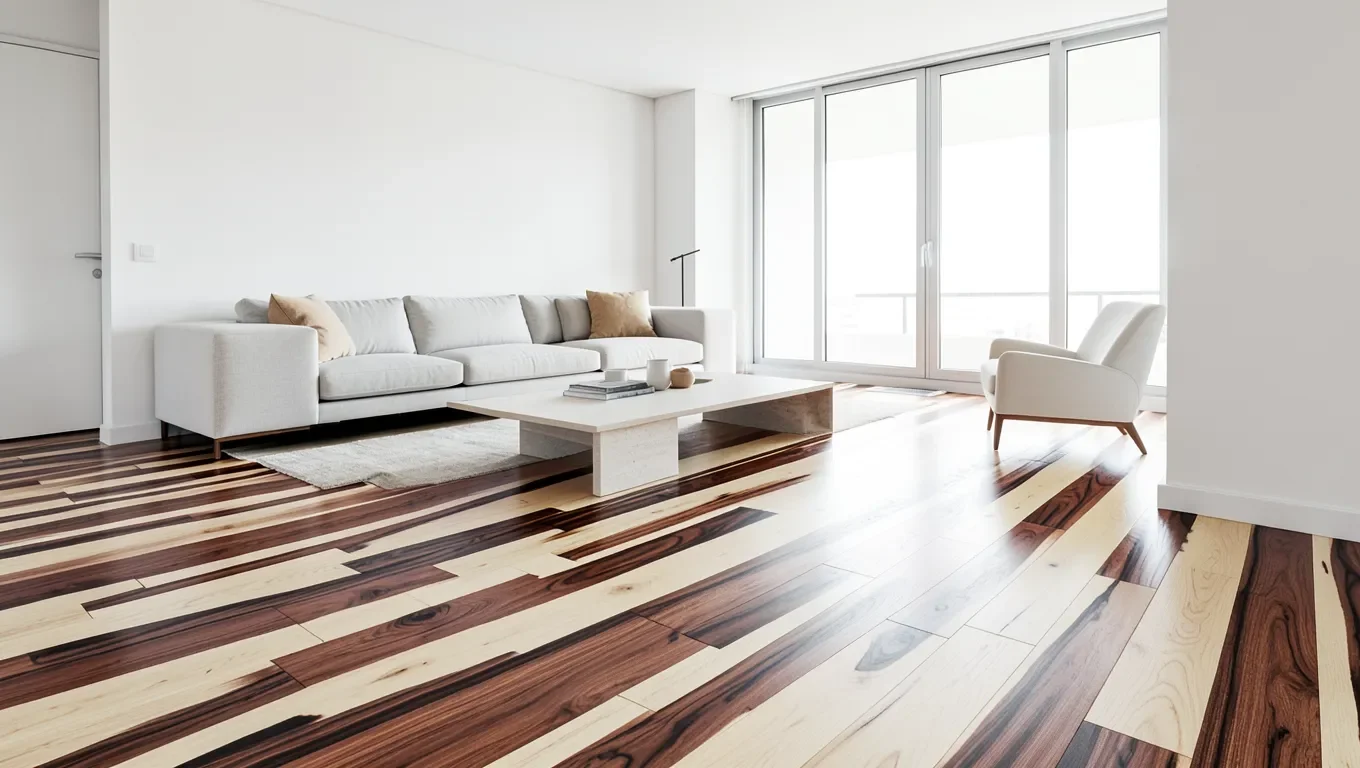
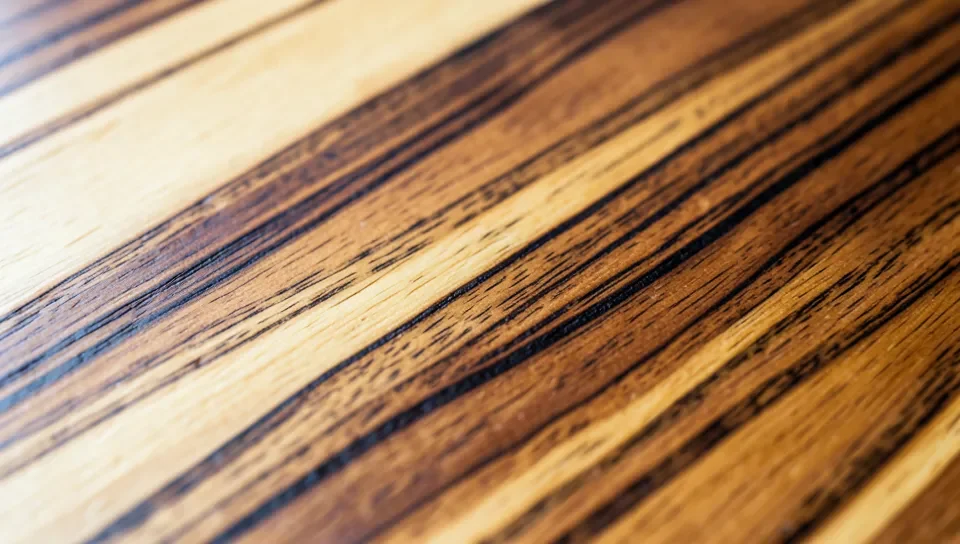
“Brazilian pecan” flooring has nothing to do with the pecan tree in your backyard. It’s a marketing name for guajuvira (Patagonula americana), a South American hardwood from a completely different plant family than real pecan and hickory. The name stuck because the wood’s pale sapwood and dark heartwood streaks resemble pecan’s natural color contrast – but botanically, structurally, and even in hardness, it’s a different wood entirely. Here’s what guajuvira actually is, how the numbers you’ll see on flooring sites hold up, what it costs, and how to keep it looking sharp for decades.
What “Brazilian Pecan” Flooring Actually Is
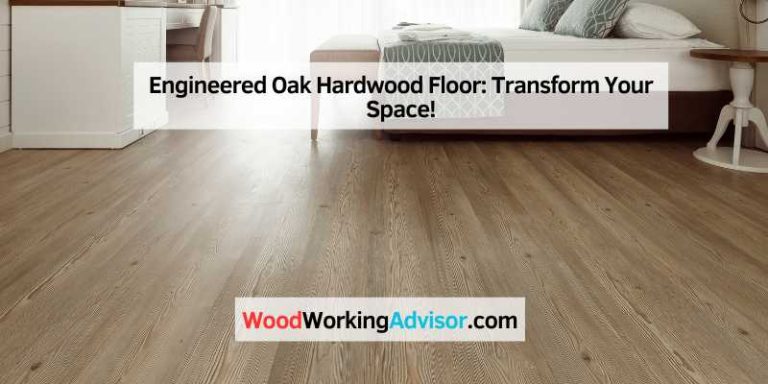
Real pecan is Carya illinoinensis, a member of the hickory genus in the walnut family (Juglandaceae) – it’s the same tree that produces pecan nuts, and it’s native to North America. “Brazilian pecan” flooring comes from an unrelated tree: guajuvira, also spelled guajayvi or guaiuvira, botanical name Patagonula americana (family Boraginaceae, the borage family). It grows in southern Brazil, Argentina, Paraguay, and Uruguay – nowhere near where real pecan trees grow. Flooring importers picked the name “Brazilian pecan” purely for marketing: the lumber’s cream-to-golden sapwood next to darker brown and sometimes purplish heartwood streaks looks similar to a pecan board’s natural contrast, so the name was easier to sell than “guajuvira.” You’ll also see this same wood marketed as “Brazilian hickory” or “Brazilian macchiato pecan,” which only adds to the confusion since none of those names are botanically accurate either.
Best Cleaner For Exotic Prefinished Floors
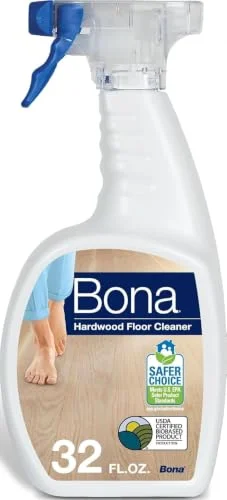 |
Bona Hardwood Floor Cleaner Spray, 32 fl oz – $8.97 Guajuvira (“Brazilian pecan”) floors are almost always sold prefinished with a polyurethane or aluminum-oxide finish, and this pH-neutral spray is formulated specifically not to dull or discolor that kind of finish.
|
That naming mismatch isn’t unique to this one wood. Lumber importers have long borrowed familiar North American names for unrelated tropical species – “Brazilian cherry” (jatoba), “Brazilian walnut” (ipe), and “Brazilian teak” (cumaru) are the same pattern. None of those are actually cherry, walnut, or teak either. If you want to see what genuinely North American pecan and hickory look and perform like for comparison, our guide to real pecan wood breaks down its actual hardness and best uses.
The Janka Hardness Number You’ll See Is Probably Wrong
Search “Brazilian pecan Janka hardness” and you’ll find the figure 3,540 lbf repeated across dozens of flooring retailer sites, including some cited as sources for the outdated version of this very page. That number doesn’t belong to guajuvira at all – it’s the published Janka rating for cumaru (“Brazilian teak”), a much denser, unrelated South American hardwood. Published hardness data for guajuvira itself (via ITTO and hardwood importer spec sheets) puts it closer to 1,980 lbf. That’s still noticeably harder than red oak (1,290 lbf) and roughly in the same range as true American hickory (1,820–2,140 lbf), but it’s nowhere near the ultra-hard 3,000+ lbf tier that cumaru, ipe, or Brazilian ebony actually occupy. If a listing quotes 3,540 for “Brazilian pecan,” treat that as a copy-paste error from a cumaru spec sheet, not a real property of the wood you’re buying.
| Wood | Botanical Name | Real Janka Hardness |
|---|---|---|
| Red Oak | Quercus rubra | 1,290 lbf |
| Real Pecan/Hickory | Carya illinoinensis | 1,820 lbf |
| Guajuvira (“Brazilian Pecan”) | Patagonula americana | ~1,980 lbf |
| Jatoba (“Brazilian Cherry”) | Hymenaea courbaril | 2,350 lbf |
| Cumaru (“Brazilian Teak”) | Dipteryx odorata | 3,330–3,540 lbf |
Brazilian Pecan vs. Real Pecan and Hickory
Beyond the hardness numbers, the two woods behave differently in a home. Real pecan and hickory have a coarse, straight-to-wavy grain and dull blades faster when you work them, which is one reason American mills often just sell pecan boards labeled “hickory.” Guajuvira has a tighter, more uniform grain with a natural satin luster, and its heartwood color runs more toward golden and reddish brown with darker streaks rather than pecan’s typical cream-and-tan contrast. Guajuvira is also rated highly decay- and termite-resistant in its native range, which matters more for a tropical hardwood shipped and stored differently than domestic lumber. If you specifically want the real North American wood – for furniture, cabinetry, or a rustic look that matches existing hickory trim – buying it as “hickory” rather than hunting for “pecan” flooring will get you a more predictable, accurately labeled board.
What Guajuvira (“Brazilian Pecan”) Flooring Costs
Expect to pay roughly $5 to $12 per square foot for the material itself, with solid 3/4-inch boards at the top of that range and engineered/prefinished planks running cheaper. Installation typically adds $3 to $8 per square foot depending on your region and whether it’s nail-down, glue-down, or a floating engineered floor. The price sits above red oak ($3–$10/sq ft) but usually below true exotic hardwoods like ipe or Brazilian ebony, which makes it a reasonable middle-ground choice if you want a bold, high-contrast look without paying top-tier exotic prices. Engineered versions use a thinner wear layer over a plywood core, which cuts both cost and the amount of the slower-growing tropical hardwood used per board – worth asking about if sustainability matters to you, since guajuvira isn’t as widely FSC-certified as more commonly farmed species.
Installation Considerations
Guajuvira’s density means it needs sharp carbide-tipped blades and pre-drilled nail holes near board ends to avoid splitting – the same precautions you’d take with any hardwood above roughly 1,800 lbf on the Janka scale. Because the color variation between boards can be dramatic, it pays to open several boxes and blend boards from each one as you lay the floor, rather than working through one box at a time; that avoids ending up with an unintentional “light half of the room, dark half of the room” pattern. Like most tropical hardwoods, it should acclimate in the room for several days before installation so the wood’s moisture content matches the space, and a proper underlayment or moisture barrier over concrete subfloors is non-negotiable given how sensitive tight-grained exotic hardwoods can be to subfloor moisture.
Maintenance and Care
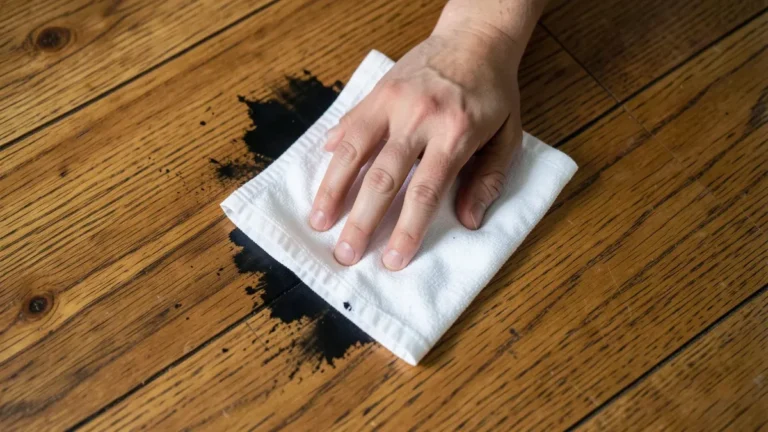
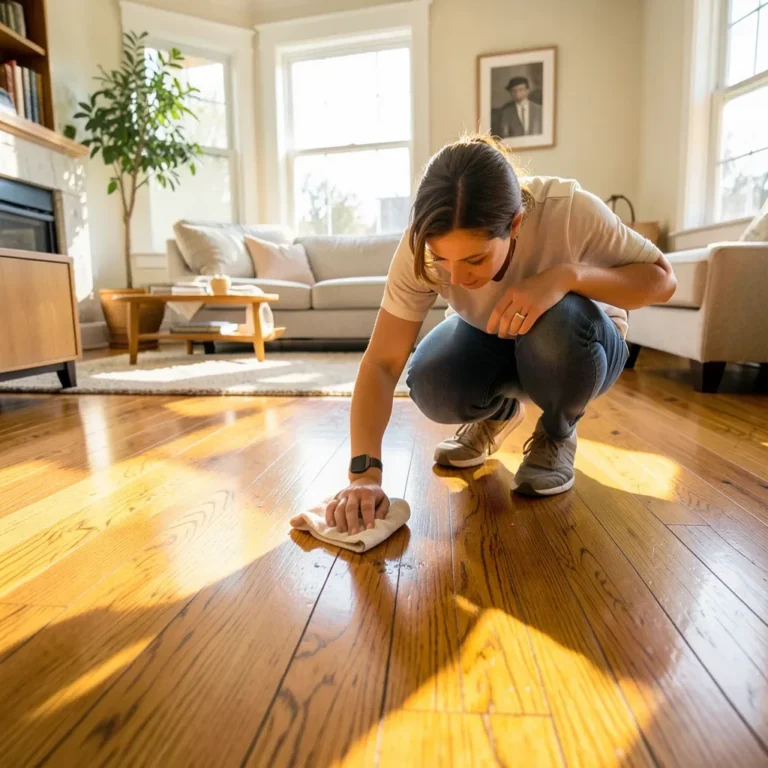
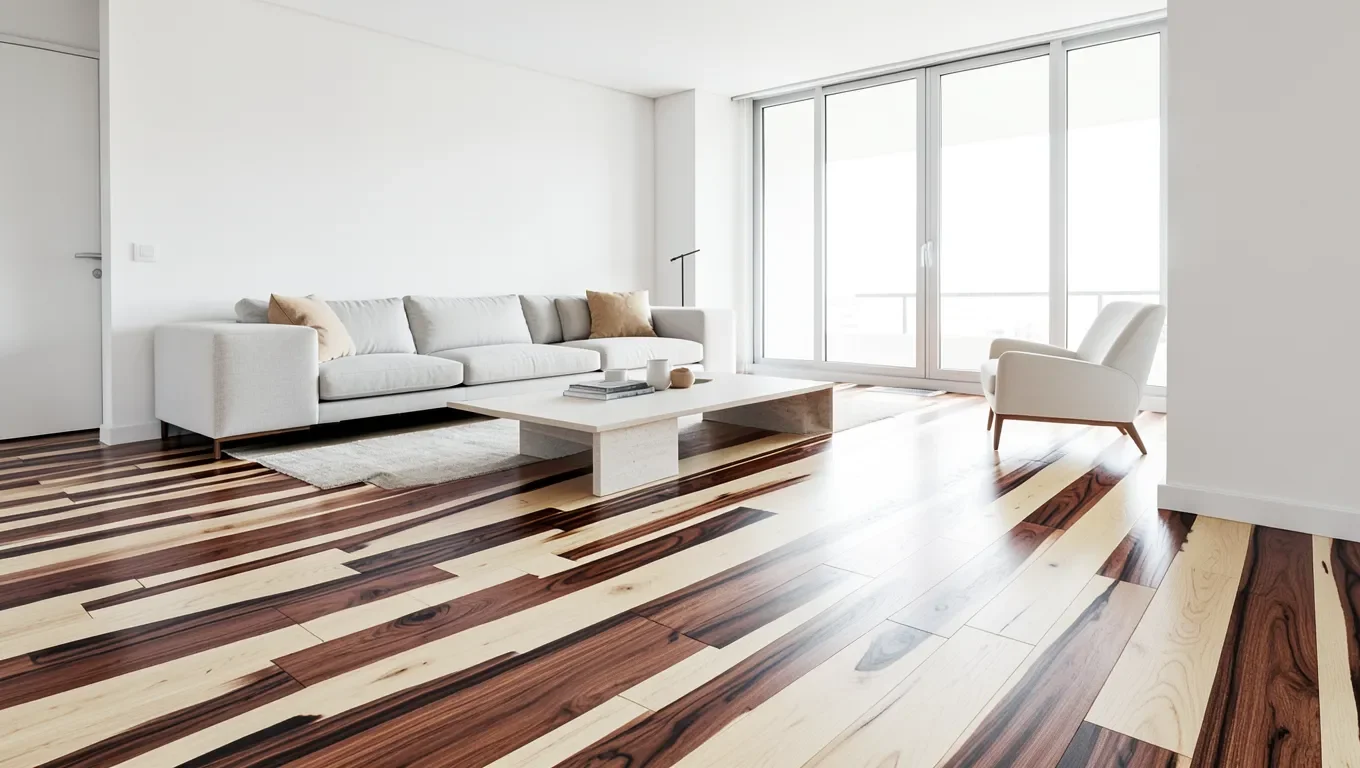
Most guajuvira flooring sold today comes prefinished with polyurethane or aluminum-oxide, which means the maintenance routine is closer to caring for any prefinished hardwood than to a specialty wood. Sweep or vacuum (with a bare-floor setting, not a beater bar) to keep grit from scratching the finish, wipe up spills promptly, and use a pH-neutral cleaner made for finished wood rather than an all-purpose cleaner, vinegar solution, or steam mop – all three can dull or cloud a polyurethane finish over time. Furniture pads under chair and table legs matter more here than on softer floors, since even a hard wood’s finish (not the wood itself) is what actually takes scratch damage from dragged furniture and pet nails.
Fixing Scratches and Fading
Light surface scratches that only affect the finish (not the wood underneath) can usually be buffed out with a matching finish touch-up kit. Deeper gouges that reach the wood need sanding and refinishing – a spot repair for a small area runs roughly $1 to $3 per square foot, while a full professional refinish is closer to $3 to $5 per square foot. Like most hardwoods, guajuvira will darken and mellow somewhat with UV exposure over the first year or two; rotating rugs periodically evens this out, and it’s a cosmetic change rather than damage.
Alternatives Worth Comparing
| Option | Janka Hardness | Typical Cost | Trade-off |
|---|---|---|---|
| Real Hickory | 1,820–2,140 lbf | $4–$9/sq ft | Domestic, widely available, less dramatic color contrast |
| Jatoba (Brazilian Cherry) | 2,350 lbf | $6–$11/sq ft | Harder and more uniform reddish tone, less color variety |
| White Oak | 1,360 lbf | $4–$9/sq ft | Much easier to refinish and match, softer |
| Luxury Vinyl Plank | N/A (not wood) | $2–$7/sq ft | Cheaper and moisture-proof, but not real wood |
Frequently Asked Questions
Is Brazilian pecan flooring actually pecan wood?
No. It’s guajuvira (Patagonula americana), a South American hardwood in the borage family. Real pecan is Carya illinoinensis, a hickory species in the walnut family, native to North America. The two trees aren’t related.
What is the real Janka hardness of Brazilian pecan flooring?
Roughly 1,980 lbf based on published guajuvira data, not the 3,540 lbf figure widely repeated online, which actually matches cumaru (“Brazilian teak”), a different and much harder species.
How much does Brazilian pecan (guajuvira) flooring cost?
Material typically runs $5 to $12 per square foot, plus $3 to $8 per square foot for installation depending on the install method and your region.
How do I clean and maintain guajuvira flooring?
Sweep or vacuum regularly with a bare-floor setting, wipe spills up promptly, and clean with a pH-neutral cleaner made for prefinished hardwood. Avoid vinegar, ammonia-based cleaners, and steam mops, which can dull a polyurethane finish.
Will Brazilian pecan flooring fade or darken over time?
Yes, mild darkening from UV exposure over the first year or two is normal for this wood, the same as most hardwoods. It’s cosmetic, not damage, and rotating rugs periodically keeps the color even.
Is Brazilian pecan flooring good for pets and heavy foot traffic?
Its real hardness (~1,980 lbf) holds up well to normal foot traffic and pets when nails are kept trimmed, though it’s not the extreme-hardness wood some listings claim. Keeping the finish clean and using furniture pads matters more for scratch resistance than the wood’s hardness alone.
Bottom Line
Guajuvira makes a genuinely durable, visually striking floor – it just isn’t pecan, and its real hardness numbers are more modest than the copy-pasted spec sheets suggest. Knowing the actual species and its actual Janka rating means you can compare it honestly against real hickory, jatoba, or white oak instead of against an inflated number that belongs to a different wood.
Sponsored / affiliate links. As an Amazon Associate I earn from qualifying purchases. I may earn additional commission from eligible campaigns.