What is the Difference between a Redwood And a Sequoia: Explained
Have you ever stood in awe beneath the towering giants of the forest, wondering about the majestic trees that rise above you? You may have heard of Redwoods and Sequoias and wondered what sets these incredible wonders of nature apart.
If you’ve found yourself pondering this question, you’re not alone. These trees are often confused due to their enormous size and similar appearance. However, they are distinct species, each with unique characteristics and habitats. Understanding these differences can deepen your appreciation for these natural marvels.
By exploring the fascinating attributes and historical significance of Redwoods and Sequoias, you’ll gain insight into their role in our ecosystem and why they captivate the hearts of nature lovers worldwide. Dive into this article, and let your curiosity lead the way to discovering what truly makes these trees extraordinary.
Tree Classification
Redwoodand Sequoiatrees are famous. They are very tall trees. People often confuse them. They have different scientific names.
Scientific Names
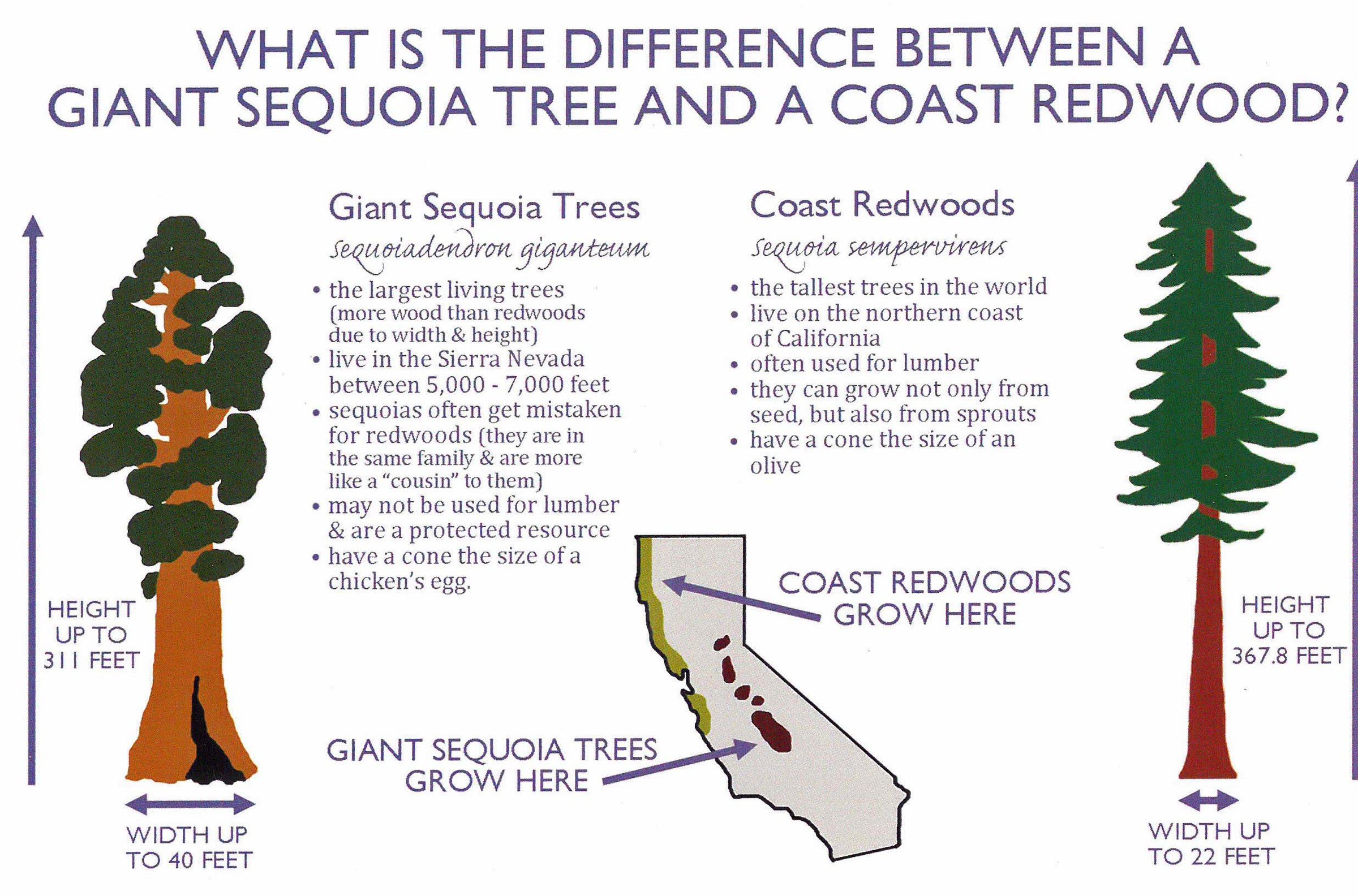
The Redwoodtree is called Sequoia sempervirens. The Sequoiatree is named Sequoiadendron giganteum. These names are important. They help scientists know the trees.
Family And Genus
Both trees belong to the Cupressaceaefamily. Each tree has its own genus. The Redwood’s genusis Sequoia. The Sequoia’s genusis Sequoiadendron. This is how scientists classify them. It helps in study and research.

Credit: plurdledgabbleblotchits.tumblr.com
Geographical Distribution
Redwoodsand Sequoiasgrow in different places. Redwoods mostly grow along the coast. They love the foggy areas in California. This helps them stay wet and cool. Sequoias grow in the mountains. They like the Sierra Nevada range. It is the only place where Sequoias naturally grow.
Both trees have special homes. Redwoods need the sea breeze. Sequoias love the high hills. Their roots grow deep in the rocky soil. This makes them strong.
Redwoods need a wet climate. The fog is their friend. It keeps them moist. Sequoias prefer a different climate. They like a mix of sun and snow. This helps them grow tall and strong.
Physical Characteristics
Redwoods are very tall. They can reach up to 379 feetin height. Sequoias are shorter than redwoods. They grow up to 311 feet. Redwoods grow along the coast. They have many branches. Sequoias grow in the mountains. They have fewer branches.
Redwoods have thick bark. It is soft and fibrous. The color is a deep brown. Sequoia bark is also thick. But it feels rough. The color is reddish-brown. Both types of bark protect the tree. They keep it safe from fire and insects.
Ecological Roles
Redwoods and sequoias differ mainly in size and habitat. Redwoods grow taller, often near the coast. Sequoias are bulkier, thriving in Sierra Nevada’s mountainous regions. Both play crucial roles in their ecosystems, supporting diverse wildlife and storing carbon efficiently.
Wildlife Support
Redwoodsand Sequoiasoffer homes to many animals. Birds build nests in their branches. Squirrels find food and shelter there. These trees are very tall. This helps them support many creatures. Even small insects use these trees. They find safety in the bark.
Carbon Sequestration
Both trees are great at holding carbon. They help clean the air. This helps the planet stay healthy. Redwoods grow very fast. This means they store more carbon quickly. Sequoias live a long time. This lets them store carbon for many years. Both trees fight climate change. They do this by holding carbon.
Cultural Significance
Redwoods and sequoias have played important roles in history. Native American tribes used redwood bark for building shelters. It was durable and long-lasting. Sequoia wood was used to create canoes. Canoes were essential for travel and hunting. Both trees provided resources for early settlers. They used the wood for homes and furniture.
Redwoods symbolize strength and longevity. Their towering presence is inspiring. Sequoias are seen as symbols of perseverance. They can endure harsh conditions. People admire their ability to survive. Both trees are symbols of nature’s majesty. They remind us of the beauty around us. Their presence offers a sense of peace and calm.

Credit: californiacurated.com
Conservation Efforts
Redwoods and sequoias are distinct tree species. Redwoods are taller and grow near the coast. Sequoias are bulkier and thrive in mountain areas. Each has unique conservation needs to ensure survival.
Threats And Challenges
The giant trees face many threats. Wildfires can burn them down. Climate change affects their growth. People cut them for wood. These trees are very old and take time to grow.
Insects can hurt them. Diseases can also be a problem. Pollution affects their health. The space for these trees is getting smaller. This makes it hard for them to survive.
Protection Strategies
People work hard to protectthe trees. They make laws to stop cutting. Forests are set aside as parks. Rangers watch over these areas. Firefighters help put out fires.
Scientists study the trees. They learn how to keep them safe. They teach others about the trees. Schools have programs to educate kids. Everyone can help by planting more trees.

Credit: www.youtube.com
Frequently Asked Questions
How Can You Distinguish Between Redwoods And Sequoias?
Redwoods and sequoias differ in size, habitat, and bark texture. Redwoods are taller, often found near the coast. Sequoias are bulkier, thrive in mountainous areas. Redwoods have thicker bark, while sequoias sport reddish-brown bark. Both are majestic trees, but their environments and physical features set them apart.
Where Do Redwoods And Sequoias Grow?
Redwoods primarily grow along the Pacific coast, from southern Oregon to central California. Sequoias are found in the Sierra Nevada mountains in California. Each tree thrives in its unique environment, with redwoods favoring moist coastal climates and sequoias preferring drier, mountainous regions.
Their distinct locations contribute to their unique characteristics.
Are Redwoods Taller Than Sequoias?
Yes, redwoods are generally taller than sequoias. Redwoods can reach heights over 350 feet, making them the tallest trees on Earth. Sequoias, although bulkier, usually grow up to 300 feet. The impressive height of redwoods makes them a popular attraction, while sequoias are admired for their massive trunks.
Do Redwoods And Sequoias Have Different Bark?
Redwoods and sequoias have distinctive bark textures. Redwoods feature thick, fibrous bark, offering excellent protection against fire. Sequoias have reddish-brown, deeply furrowed bark, also fire-resistant. The bark differences help distinguish between the two species. Both trees have evolved unique bark features to withstand environmental challenges.
Conclusion
Redwoods and Sequoias are unique and fascinating trees. Both grow tall and live long. Redwoods mostly thrive along the coast. Sequoias flourish in mountain regions. Each has distinct bark and cones. Redwoods have thicker bark. Sequoias boast larger cones. Their differences make them special.
Understanding these trees enriches our view of nature. Next time you see them, notice their unique traits. Appreciate their beauty and history. Share your newfound knowledge with others. Celebrate these giants of the forest. They remind us of nature’s incredible diversity and strength.