What Color Tones Down Orange Wood? (Best Paint & Stain Picks)
A color with cool green, blue, or gray undertones tones down orange wood — the effect works because green and blue sit opposite orange on the color wheel, but it only holds up if you match undertones, not just hue. Get the undertone wrong (a warm “gray” with beige-yellow in it, for example) and the orange comes right back. This guide covers the exact stain and color picks that work, a DIY tan-wash and black-wash method, and the undertone mistakes that make orange wood look worse.
Understanding The Color Wheel
Best Gray-Toning Pick
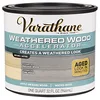
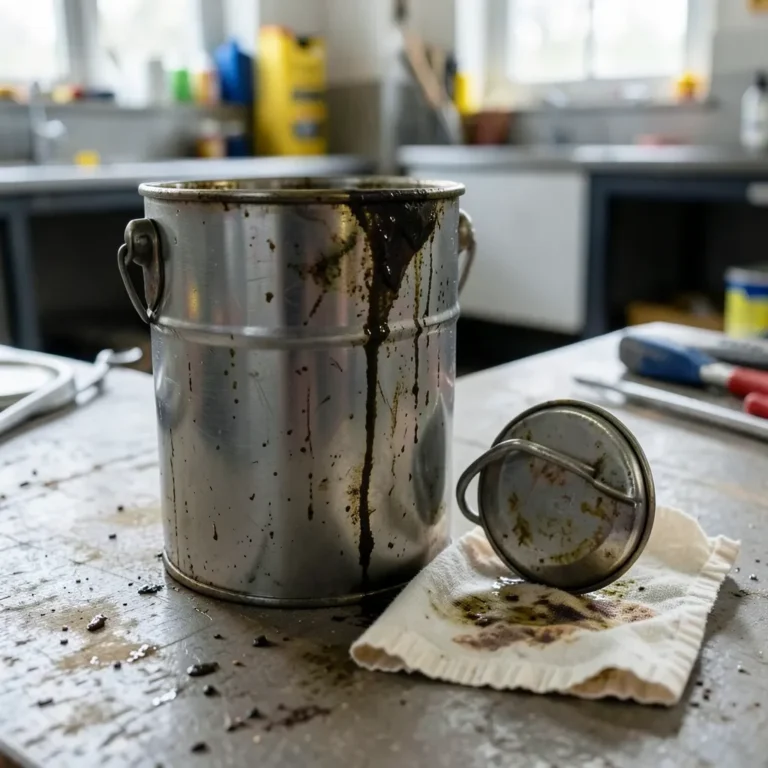
Varathane Weathered Wood Gray Accelerator – $16.24
A water-based wood accelerator built specifically to pull a gray, weathered cast out of bare orange wood — the same “push the wood toward gray” goal covered above, without mixing a custom wash.
- Best for: bare or stripped wood you want to age gray fast
- Why we picked it: matches the cool-gray-undertone strategy this guide recommends, and it’s water-based with easy cleanup
- Main drawback: only works on bare/untreated wood, not over an existing finish
Compare more orange-wood color-correction options
 Option 1 Varathane Pre-Stain Wood Conditioner – $18.29
|
 Option 2 Varathane Weathered Gray Wood Stain – $14.87
|
 Option 3 Varathane Weathered Gray Gel Stain – $24.99
|
As an Amazon Associate we earn from qualifying purchases.
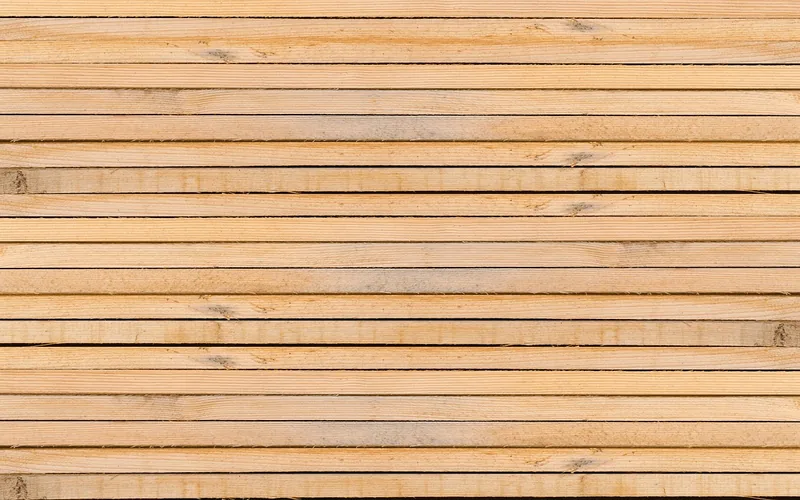
The color wheel arranges primary, secondary, and tertiary hues in a circle so you can see which colors sit opposite each other. Orange sits between red and yellow — its direct opposite is blue, and its near-opposite is green. That’s the entire mechanism behind every fix in this guide: place a blue or green undertone next to orange, and the eye reads the orange as duller and cooler than it actually is.
Warm Vs. Cool On The Wheel
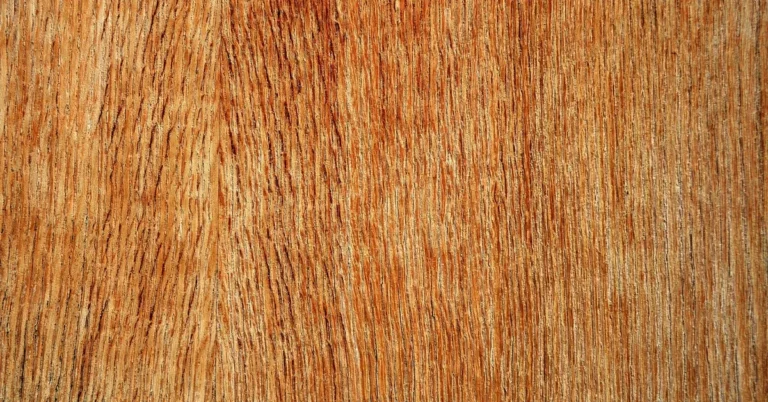
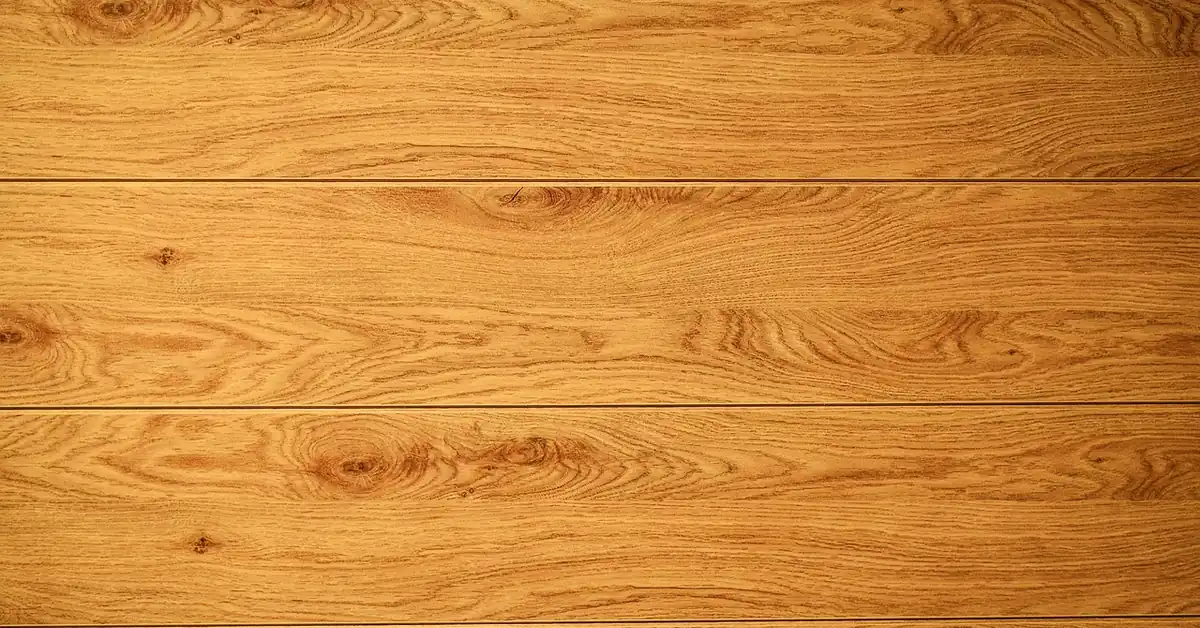
Red, yellow, and orange are warm and read as vibrant. Blue, green, and purple are cool and read as calming. Wood with an orange cast — oak, pine, and cherry are the most common culprits — needs a cool-toned partner to balance it, not another warm tone.
Wall or paint colors that pull the most orange out of wood:
- A light gray with a true green or blue undertone (not a “greige” that leans warm)
- A pale, dusty blue with gray undertones
- A soft sage or muted green
- An off-white or white with a cool base, if you want a neutral backdrop instead of contrast
Best Paint And Stain Colors To Tone Down Orange Wood
Generic advice to “pick a gray” isn’t specific enough — plenty of grays still carry a warm undertone and won’t fight orange at all. These named colors are cool-based and tested against orange oak and pine tones:
| Color | Undertone | Best For |
|---|---|---|
| Sherwin-Williams Cornwall Slate (SW 9131) | Cool gray-green, LRV 29 | Walls next to orange oak floors or trim |
| Sherwin-Williams Evergreen Fog (SW 9130) | Sage green with gray, LRV 30 | Cabinets and built-ins near orange wood |
| Cool steel-blue or aqua-gray | Blue-based, low warmth | Accent walls for strong contrast |
| Cool greige (gray-beige blend) | Balanced, slight gray lean | Whole-room neutral that still settles orange floors |
📊 Light Reflectance Value (LRV) matters as much as hue — Cornwall Slate and Evergreen Fog both sit at LRV 29–30, a mid-tone range that reads as neutral without going stark. Colors above LRV 60 tend to make orange wood look brighter and more orange by contrast. Source: Sherwin-Williams, Cornwall Slate SW 9131
Color Selection For Different Spaces
Choosing Wall Colors For Orange Wood Floors
For rooms with orange wood floors, wall color does most of the work. A cool gray-green or blue-gray wall tones the whole room down without touching the wood flooring finish itself — the fastest fix if refinishing the floor isn’t an option.
Matching Undertones For A Cohesive Look
Matching undertones matters more than matching hue. If your orange wood floors lean heavily red-orange, a wall color with a slightly blue lean cancels more of that red than a straight green would. If the wood leans more yellow-orange, a green-based wall does more work.
DIY Techniques For Toning Down Orange Wood
If refinishing your wood furniture or floors isn’t in the budget, these three DIY techniques — bleaching, tinted staining, and a tan wash — get you most of the way there without professional help.
Bleaching Orange Wood Floors
Bleaching lightens the wood and reduces the orange cast, but check your wood species first — not every wood bleaches evenly, and always follow the bleach manufacturer’s instructions.
- Clean the wood surface thoroughly to remove dirt or debris.
- Apply the bleach solution with a brush or cloth, covering evenly.
- Let the bleach sit for the time listed on the product label.
- Rinse the wood with water to remove the bleach.
- Once the wood is completely dry, check the color and repeat if needed.
- Apply a protective finish to seal the wood and lock in the tone.
Staining With Green Or Blue Tints
A stain with a green or blue tint neutralizes orange directly at the wood level instead of just covering it with paint on top.
- Select a stain tint that complements the existing orange tone.
- Test it on a small, hidden area first.
- Apply evenly with a brush or cloth per the manufacturer’s instructions.
- Let the stain dry completely before judging the color.
- Apply another coat if the orange is still showing through.
- Finish with a protective topcoat to seal and extend the life of the stain.
Using A Tan Wash
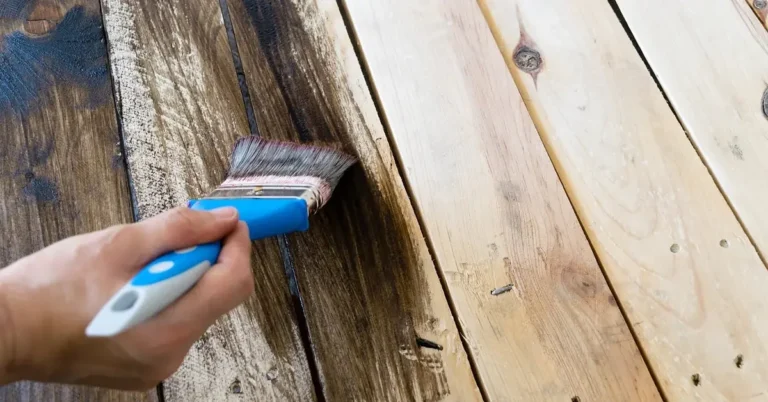
A tan wash is a thin, diluted layer of tan-colored paint — best for furniture or smaller pieces where you want to soften the orange without hiding the wood grain underneath.
- Mix tan-colored paint with water to a thin, watery consistency.
- Test the wash on a small area first.
- Apply with a brush, keeping coverage even.
- Work in small sections so the wash doesn’t dry too fast to blend.
- Let it dry, check the color, and add another coat if needed.
- Seal the wood with a protective finish once you’re happy with the tone.
Using A Black Wash (Best For Cabinets)
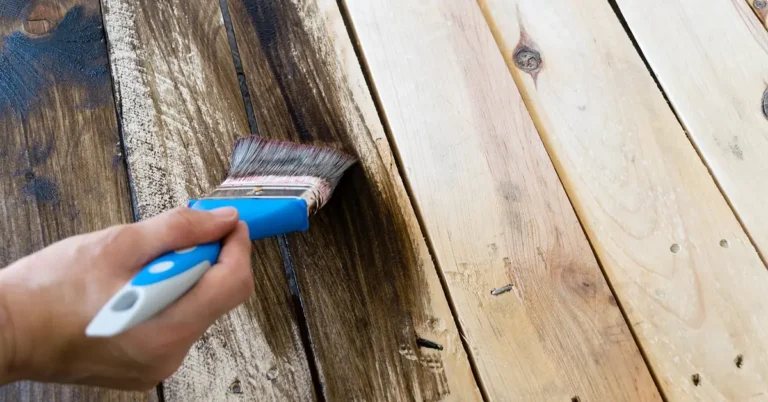
A black wash is a diluted black or charcoal paint wiped on and off the wood, and it’s the fix most guides skip for orange cabinets specifically. Because you wipe most of it back off, the grain stays visible while the wash settles into the pores and mutes the orange without a full repaint.
- Thin black or charcoal paint with water to roughly a 1:1 ratio.
- Brush it onto a small section of the cabinet or wood surface.
- Immediately wipe most of it off with a clean rag, working with the grain.
- Let it dry fully, then check how much orange is still showing.
- Repeat on a second pass only if the orange is still dominant.
- Seal with a matte or satin topcoat once you’re satisfied with the tone.
“Replicates and creates a natural, aged look in minutes” — on bare or untreated wood, a gray wood accelerator changes the surface tone directly instead of relying on paint alone, which is why it works faster than a wash on raw wood.
Professional Solutions For Orange Wood
Professional Bleaching Services
Professional bleaching uses stronger, controlled bleaching agents than most DIY products, which matters most for floors where an uneven result is hard to fix afterward.
Custom Blend Paint Options
A paint store can custom-blend a gray or greige tint matched to your existing decor rather than you guessing between pre-mixed cans. Worth the extra cost if you’re matching an already-painted room.
Avoiding Common Mistakes
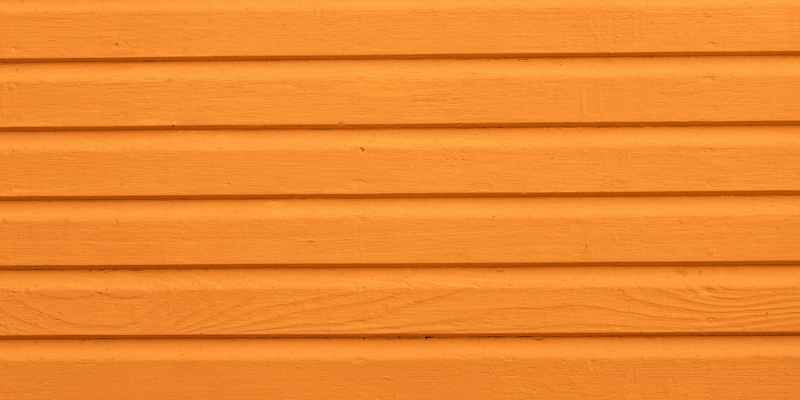
Overly Dark Tones Contrary To Orange
Going too dark creates a stark contrast that reads as mismatched rather than balanced. A dark charcoal wash works because most of it gets wiped off — a solid dark coat does not.
Mismatched Undertones
A “gray” or “greige” with a hidden warm undertone will clash with orange wood instead of neutralizing it. Check a color in natural daylight before committing — undertones that look cool under indoor bulbs can shift warm in sunlight.
- Don’t use dark tones that overpower the orange wood.
- Don’t pick a “cool” color without checking its undertone in daylight.
- Do use colors with true green or blue undertones for a balanced result.
Frequently Asked Questions Of What Color Tones Down Orange Wood
How Do You Tone Down Orange Wood?
To tone down orange wood, apply a tan wash or use a color with green or blue undertones like gray or steel blue for a balancing effect. Avoid bright or warm colors, since they intensify the orange instead of neutralizing it.
What Color Will Tone Down Orange?
Colors with green undertones like gray, blue, beige, or white tone down orange most reliably. Green and blue sit opposite orange on the color wheel, which is why they neutralize it rather than compete with it.
How Do You Make Orange Oak Less Orange?
Use a tan wash or a paint/stain color with green undertones. Applying a gray or blue-tinted stain and wiping it back immediately also neutralizes the orange. Muted beige blends or warm gray tones can further minimize the orange hue in oak specifically.
Can You Lighten Orange Wood Floors?
Yes. Use a tan wash, choose a color with green or blue undertones, or bleach the floor with a wood-specific flooring bleach before applying finish coats. Bleaching before staining also gives a gray or blue tint truer color once applied.
What’s The Fastest Way To Tone Down Orange Wood Without Sanding?
Painting the wall or trim around the wood in a cool gray-green is the fastest fix, since it requires no sanding or refinishing of the wood itself. For the wood surface directly, a wiped-on black or tan wash works without stripping the existing finish.
Does Painting Over Orange Wood Permanently Fix The Color?
Yes, a full opaque paint coat permanently hides the orange, but it also hides the wood grain. A wash (tan or black) is the middle ground — it mutes the orange while leaving the grain visible, and it’s reversible with sanding if you change your mind later.
Conclusion
Toning down orange wood comes down to undertone, not just hue — a true cool gray, blue-green, or greige (like SW Cornwall Slate or Evergreen Fog) neutralizes it, while a warm “gray” makes it worse. For the wood itself, a tan wash, black wash, or a gray-toning stain gets you there without a full repaint.
Sponsored / affiliate links. As an Amazon Associate I earn from qualifying purchases. I may earn additional commission from eligible campaigns.