What Is The Meaning Of Cedar Grove: Essential Guide
“Cedar Grove” typically refers to a place, often a neighborhood or town, characterized by the presence of cedar trees. It evokes images of nature, tranquility, and natural beauty, often associated with the pleasant scent and visual appeal of cedar.
Hey there, fellow woodworkers and DIY fans! Ever heard the term “Cedar Grove” and wondered what it really means? Maybe you’ve seen it in a place name, in a book, or even just thought about what a literal grove of cedar trees would be like. It’s a beautiful phrase, isn’t it? It conjures up images of peaceful, fragrant spaces. In this guide, we’re going to dig into the heart of what “Cedar Grove” means, exploring its literal and figurative interpretations. We’ll look at why cedar trees are special and how their name might inspire us in our own projects. Get ready to uncover the simple, calming essence of a Cedar Grove!
Understanding the Core Meaning: What is a Cedar Grove?
At its most basic, a “Cedar Grove” is simply a collection of cedar trees growing closely together. Think of a small forest or a particularly dense patch of these magnificent trees. Cedar trees are well-loved for many reasons, and their unique characteristics often contribute to the feeling associated with their name.
The Wonderful World of Cedar Trees
Cedar trees belong to the genus Cedrus, in the pine family (Pinaceae). They are coniferous trees known for their distinctive aromatic wood, evergreen foliage, and often grand size. There are several species commonly referred to as cedars, though some are not true cedars in the botanical sense (like the Eastern Redcedar, which is actually a juniper). True cedars are native to the Mediterranean region and the Himalayas.
Here are some key features that make cedar trees stand out:
- Aroma: Cedarwood is famous for its distinct, pleasant, and often pungent scent. This aroma is due to its natural oils and is often used in sachets, closets, and even perfumes to repel insects and provide a fresh smell.
- Durability: Cedar wood is naturally resistant to decay and insect damage. This makes it a popular choice for outdoor projects like fences, decks, and shingles, as well as for indoor applications like closet linings.
- Appearance: Cedar trees are often majestic, with spreading branches and attractive, scale-like or needle-like leaves. Their bark can be rough or smooth, and their cones are distinctive.
- Evergreen: Most cedars are evergreen, meaning they retain their foliage throughout the year, providing consistent greenery and structure in landscapes.
Because of these desirable qualities, areas where cedar trees thrive are often considered special, tranquil, and naturally beautiful. The presence of cedar trees can significantly influence the atmosphere and appeal of a place.
“Cedar Grove” as a Place Name
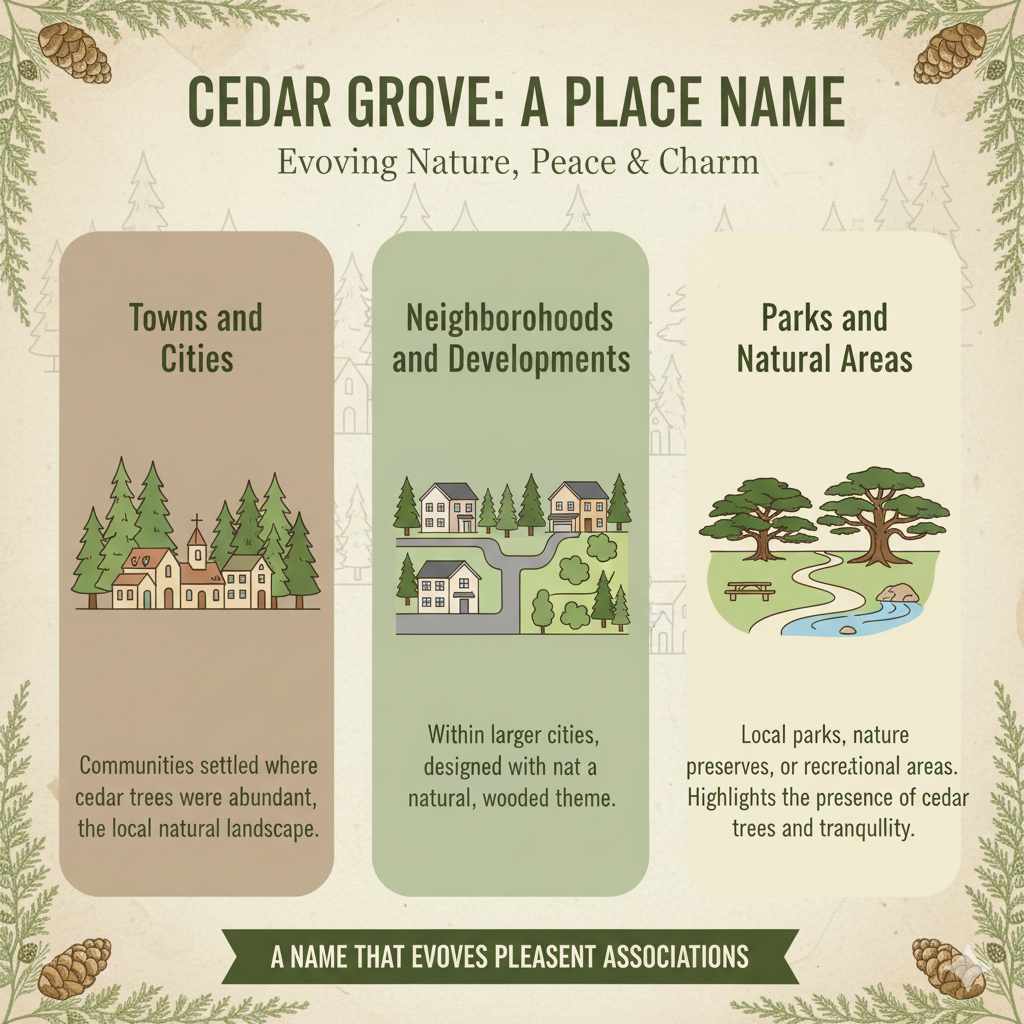
You’ll often find “Cedar Grove” used as a place name. This can refer to:
- Towns and Cities: Numerous small towns and communities across the world bear the name Cedar Grove. These places were often settled in areas where cedar trees were abundant, and the name simply reflected the local natural landscape.
- Neighborhoods and Developments: Within larger cities, you might find “Cedar Grove” as the name of a specific neighborhood or housing development, again suggesting an area that perhaps once had many cedar trees or was designed with a natural, possibly wooded, theme.
- Parks and Natural Areas: Local parks, nature preserves, or specific sections within larger recreational areas might be designated as “Cedar Grove” to highlight the presence of cedar trees or to evoke a sense of natural tranquility.
When a place is named Cedar Grove, it intentionally or unintentionally communicates a sense of nature, peace, and perhaps a slightly rustic or doğal charm. It’s a name that generally evokes pleasant associations.
Figurative and Symbolic Meanings of “Cedar Grove”
Beyond the literal, “Cedar Grove” carries symbolic weight. It’s more than just trees; it’s about the feelings and ideas they inspire.
A Symbol of Tranquility and Nature
The scent of cedar is often described as calming and grounding. A grove of these trees provides shade, shelter, and a quiet escape. Therefore, “Cedar Grove” can symbolize:
- Peace and Serenity: A place of quiet retreat, away from the hustle and bustle of everyday life.
- Natural Beauty: An appreciation for the landscape and the enduring strength of nature.
- Purity and Refreshment: The clean, fresh scent is often associated with a sense of purity and renewal.
- Endurance and Strength: Cedar trees are known for their longevity and resilience, symbolizing steadfastness.
In literature, art, or even in personal naming conventions, “Cedar Grove” is used to evoke these positive, calming, and natural qualities, creating an atmosphere of peace and unspoiled beauty.
Cedar in Woodworking and DIY Projects
As someone who loves working with wood, I can tell you that cedar is a fantastic material to use! Its properties make it a favorite for many projects, especially those that will be exposed to the elements or need a natural, pleasant aroma.
Why Choose Cedar for Your Projects?
When you’re planning a DIY project, selecting the right material is key. Cedar offers a blend of beauty, performance, and ease of use that makes it a top choice for beginners and experienced woodworkers alike.
Here’s why cedar is such a popular choice:
- Natural Insect Repellent: The oils in cedarwood naturally deter moths, termites, and other insects. This is why it’s perfect for things like closet lining, drawers, and outdoor furniture.
- Rot and Decay Resistance: Cedar can withstand moisture and doesn’t easily rot or decay, making it ideal for outdoor applications like decks, fences, planters, and birdhouses. For more on outdoor wood care, resources like the U.S. Forest Service’s Wood Magic can offer insights.
- Lightweight and Easy to Work With: Cedar is relatively soft and lightweight, which means it’s easy to cut, shape, and fasten. This is a huge plus for DIYers who might not have heavy-duty tools or a lot of experience.
- Beautiful Appearance: Cedar has a lovely natural color, ranging from reddish-brown to lighter shades, and it often has attractive grain patterns. It can be left natural or finished to enhance its look.
- Pleasant Aroma: The signature scent of cedar adds an extra sensory dimension to projects, especially for indoor items like chests and lining.
Popular Cedar Projects for Beginners
If you’re new to woodworking, starting with cedar projects is a great way to build confidence. Here are a few ideas:
- Cedar Planters: Easy to build and perfect for your garden or patio. Their rot resistance means they’ll last for years.
- Birdhouses: Cedar’s natural properties make it a safe and durable material for our feathered friends.
- Cedar Chest/Storage Box: Great for blankets or Ceder Grove memorabilia, and the aroma helps keep things fresh.
- Outdoor Bench: A simple design can be very rewarding, and cedar will hold up well outdoors.
- Cedar Fence Pickles/Post Caps: Small decorative elements that add charm and protect your fence posts.
Tips for Working with Cedar
Even though cedar is beginner-friendly, a few tips can make your experience even better:
- Safety First: Always wear safety glasses when cutting or sanding wood. Some people can be sensitive to cedar dust, so a dust mask is also a good idea. Check out the OSHA guidelines on wood dust for more information.
- Sanding: Sand cut edges smoothly to avoid splinters, especially if the item will be handled frequently.
- Finishing: While cedar is durable on its own, applying a sealant or stain can further protect it, especially for outdoor use, and enhance its natural beauty. Choose finishes suitable for the environment your project will be in.
- Fasteners: Use stainless steel or galvanized screws and nails for outdoor projects, as they won’t rust and stain the wood over time.
Understanding Different Types of Cedar
When we talk about “cedar,” it’s helpful to know there are different kinds, each with its own characteristics. Some are true cedars (genus Cedrus), while others are commonly called cedars but belong to different plant families.
True Cedars (Genus Cedrus)
These are the botanically defined cedars, native to the Mediterranean and Himalayan regions. They are large, majestic trees with distinct features.
Key characteristics:
- Needles in whorls on short shoots but often appear clustered.
- Cones that disintegrate on the tree rather than falling whole.
- Most common species include:
- Deodar Cedar (Cedrus deodara)
- Atlas Cedar (Cedrus atlantica)
- Cyprus Cedar (Cedrus libani)
These are less common in commercial lumber markets for typical DIY projects compared to other cedars.
Commonly “Called” Cedars (Other Genera)
These are the types of cedar most often encountered in lumber yards and home improvement stores for DIY projects.
Western Red Cedar (Thuja plicata)
Native to the Pacific Northwest of North America. This is a highly regarded woodworking timber.
Pros: Excellent rot and insect resistance, lightweight, stable, aromatic, beautiful red-brown color. Easy to work with.
Cons: Can be more expensive than some other softwoods. Requires proper handling due to its lightweight nature.
Eastern Redcedar (Juniperus virginiana)
Native to eastern North America. It’s botanically a juniper, not a true cedar.
Pros: Very aromatic (moth-repellent properties for closets), extremely rot-resistant, attractive reddish heartwood. Often used for chests, closet lining, and fence posts.
Cons: Can be knotty and less dimensionally stable than Western Red Cedar. Wood can be brittle.
Aromatic Cedar (Inca / Cuban / Spanish Cedar – Cedrela odorata)
Native to Central and South America. Despite the name, it’s in the mahogany family (Meliaceae).
Pros: Famous for its strong, pleasant aroma, making it excellent for cigar boxes and humidors. Lightweight and easy to work with. Naturally resistant to insects and decay.
Cons: Less common in North American lumber yards and can be costly. Sustainability can be a consideration.
Northern White Cedar (Thuja occidentalis)
Native to northeastern North America. Also related to junipers.
Pros: Lightweight, good rot resistance (though not as high as Western Red Cedar), aromatic, easy to work with. Often used for shingles, fencing, and small crafts.
Cons: Softer than some other options, can be prone to denting. Knots can be common.
Comparison Table of Common “Cedar” Woods
| Wood Type | Botanical Name | Primary Use Cases | Key Features | Durability (Rot/Insect) | Workability |
|---|---|---|---|---|---|
| Western Red Cedar | Thuja plicata | Decks, fences, siding, outdoor furniture, outdoor structures | Reddish-brown color, straight grain, pleasant aroma, stable, lightweight | Excellent | Excellent |
| Eastern Redcedar | Juniperus virginiana | Closet lining, chests, fence posts, crafts | Reddish-brown heartwood, strong aroma, brittle, knotty | Excellent | Good (can be brittle) |
| Northern White Cedar | Thuja occidentalis | Shingles, fences, small boats, small crafts | Light color, aromatic, lightweight, knots common | Good | Excellent |
| Aromatic/Spanish Cedar | Cedrela odorata | Humidors, cigar boxes, drawer liners, closet lining | Reddish-brown, very aromatic (strongest), lightweight | Good | Excellent |
When you’re choosing cedar for a project, consider what you’re building and where it will be used. For most outdoor projects, Western Red Cedar is a top-tier choice if your budget allows. For indoor closets and chests where pest deterrence is key, Eastern Redcedar is fantastic and often more affordable.
“Cedar Grove” in Your Home and Garden
The concept of a “Cedar Grove” can inspire your own living spaces. Whether you’re naming a room, a garden feature, or simply bringing the essence of cedar into your home, there are many ways to embrace its meaning.
Bringing the Cedar Grove Vibe Indoors
You can recreate the calming, natural feeling of a cedar grove within your home:
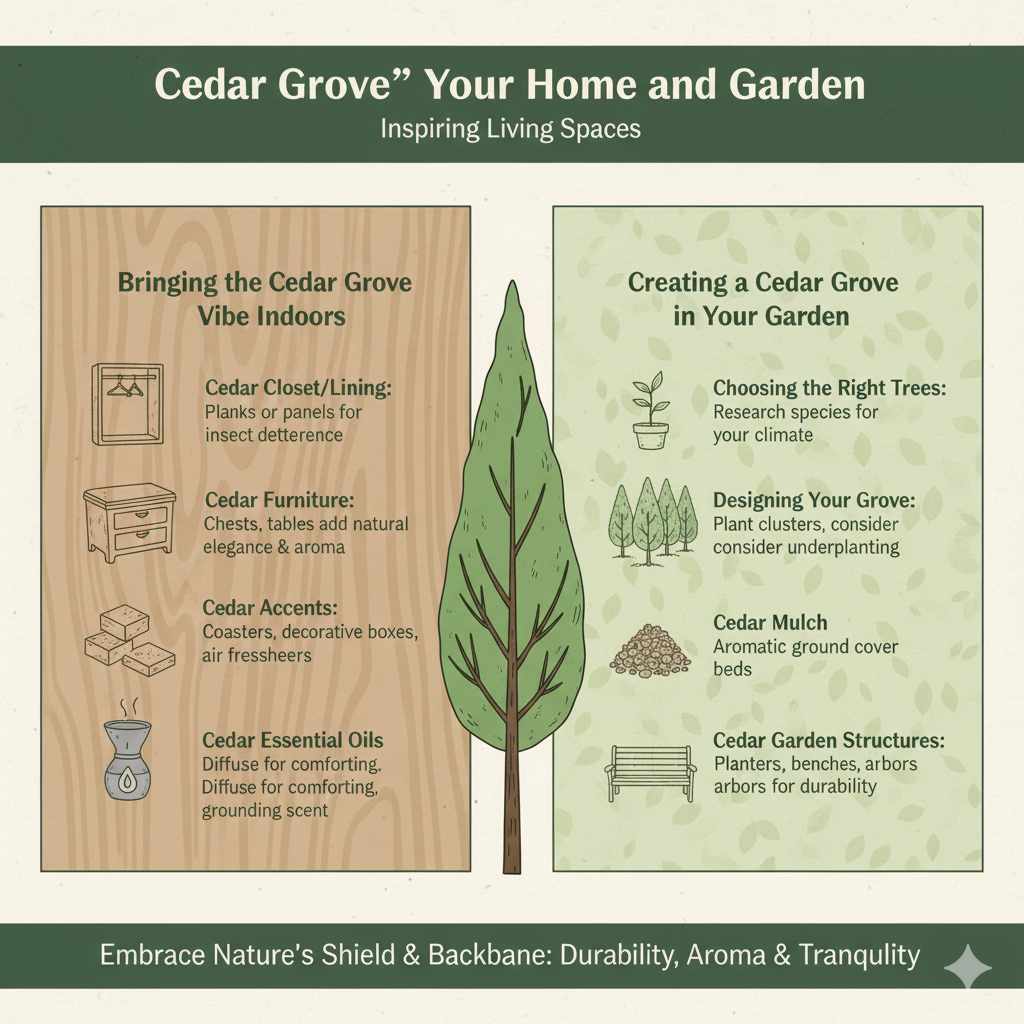
- Cedar Closet/Lining: The most direct way is to use cedar planks or panels to line closets, drawers, or even entire rooms. This offers the practical benefit of insect deterrence along with a beautiful natural scent. For building codes and lumber standards, checking resources like the Building Science Corporation can be helpful for understanding proper construction.
- Cedar Furniture: A cedar chest or a small cedar side table can add a touch of natural elegance and its signature aroma to a bedroom or living area.
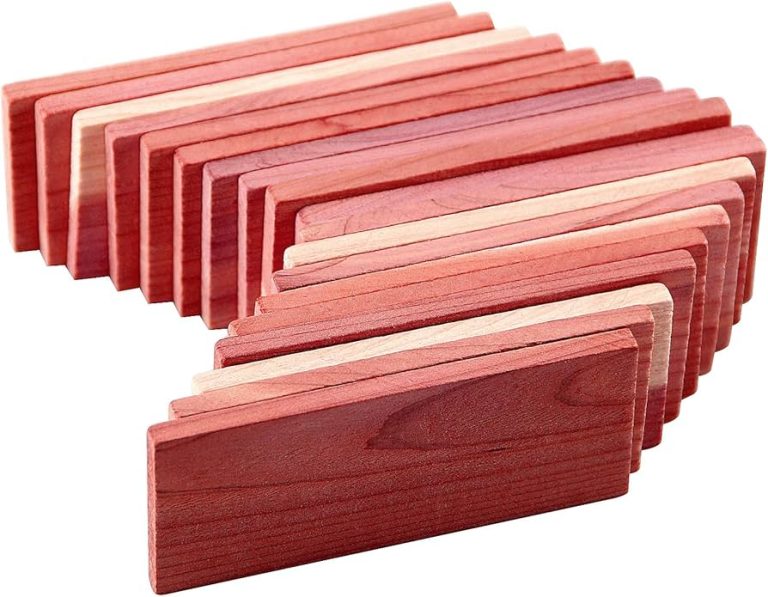
- Cedar Accents: Even smaller touches, like cedar coasters, decorative boxes, or cedar block air fresheners, can bring the essence of a cedar grove indoors.
- Cedar Essential Oils: Diffusing pure cedarwood essential oil can bring the comforting, grounding scent into any room, creating a tranquil atmosphere without any woodworking required.
Creating a Cedar Grove in Your Garden
If you have the space, you might consider planting cedar trees (or other conifers that evoke a similar feeling) to create your own miniature grove.
- Choosing the Right Trees: Research cedar species suitable for your climate and soil conditions. Consider their mature size and growth habit. Local extension offices or reputable nurseries can offer excellent advice.
- Designing Your Grove: Plant trees in clusters to create a naturalistic feel. Consider underplanting with shade-loving plants if the canopy becomes dense.
- Cedar Mulch: Even if you can’t plant large trees, using cedar mulch in your flower beds and around trees can give a hint of the cedar aroma and its natural look.
- Cedar Garden Structures: Build cedar planters, benches, or arbors. These add beauty and function while benefiting from the wood’s natural durability outdoors. A simple cedar planter can be a rewarding project for any DIYer.
Frequently Asked Questions About Cedar Grove
What is the literal meaning of “Cedar Grove”?
Literally, a Cedar Grove is a place where cedar trees grow closely together, forming a small forest or dense stand of these aromatic evergreen trees.
Why are cedar trees special?
Cedar trees are special because of their distinctive aromatic wood, natural resistance to decay and insects, beautiful evergreen foliage, and often majestic appearance. Their wood has been valued for centuries for durability and fragrance.
Is cedarwood good for closets?
Yes, cedarwood is excellent for closets. Its natural oils help repel moths and other fabric-damaging insects, and it imparts a fresh, pleasant scent. Eastern Redcedar is particularly popular for this use.
Can cedar be used for outdoor projects?
Absolutely! Cedar is highly valued for outdoor projects like decks, fences, and garden furniture because of its natural resistance to rot, decay, and insect infestation. Western Red Cedar is a prime choice for outdoor durability.