Does Cedar Need to Be Finished? What Really Happens If You Don’t
No, cedar does not need to be finished to survive outdoors. Its natural oils give it real decay and insect resistance on their own. But “doesn’t need it” and “won’t change without it” are two different things, and that’s where most people get tripped up.
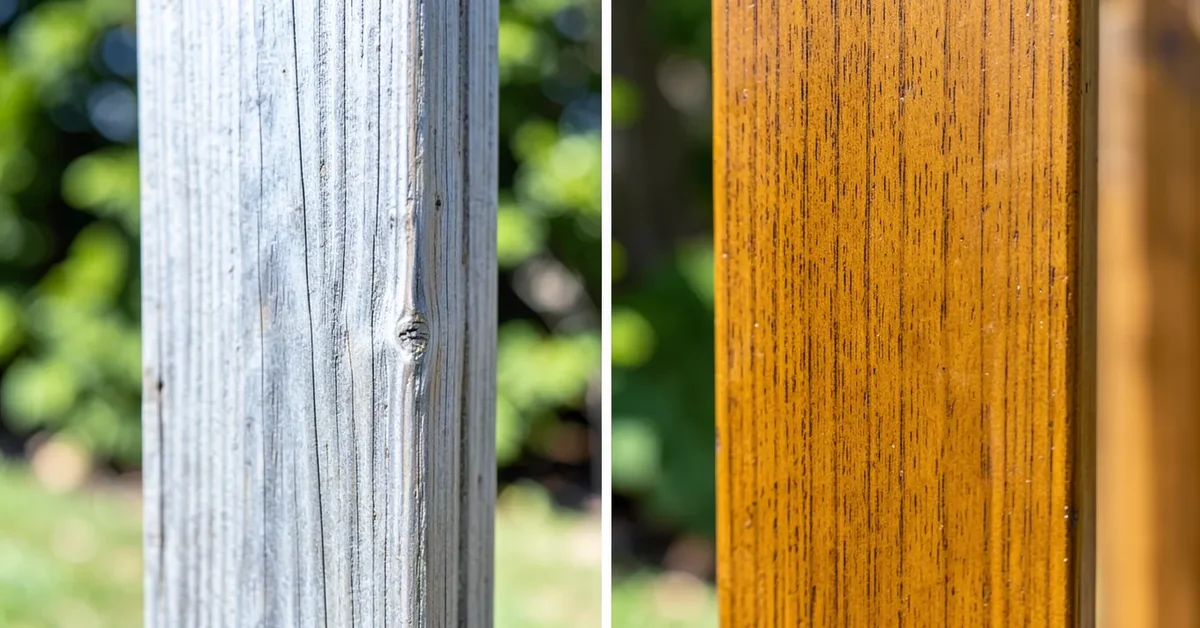
Leave cedar bare and it will fade from warm reddish-brown to a silvery gray within a year or two of full sun exposure. That color shift looks like damage, but it isn’t rot. It’s a surface reaction to UV light, and it only tells part of the story. Below, we’ll cover what’s actually happening inside the wood, when skipping a finish is genuinely fine, and when it costs you more than it saves.
What Happens to Cedar If You Never Finish It
Best Sealer For Natural Cedar Tone
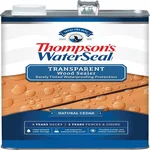 |
Thompson’s WaterSeal Transparent Wood Stain and Sealer, Natural Cedar – $29.94 A transparent stain-and-sealer tinted to match cedar’s own color, so it slows the graying process instead of masking it.
|
Cedar’s reputation for holding up outdoors isn’t marketing. The heartwood contains natural extractives called thujaplicins, oils that make the wood genuinely unappetizing to fungi and most wood-boring insects. That’s why cedar shows up in fence pickets, siding, closets, and sauna benches instead of pine or fir. On the USDA’s durability scale, cedar heartwood lands in the “durable to very durable” range for decay resistance, similar territory to redwood.
Here’s the part most articles skip: that protection isn’t permanent, and it isn’t evenly distributed. The thujaplicins are concentrated in the heartwood; the pale sapwood around the outer edge of the board has almost none of that resistance and rots about as easily as any construction lumber. And even in heartwood, UV exposure breaks down the surface lignin (the compound that binds wood fibers together) in a matter of months, which is why the graying happens so fast even though the wood underneath is still sound. That grayed layer is only a few thousandths of an inch deep, but it’s dead wood fiber, not living protection, and it’s more prone to surface checking (small splits from repeated wetting and drying) over the following years.
When Leaving Cedar Unfinished Actually Makes Sense
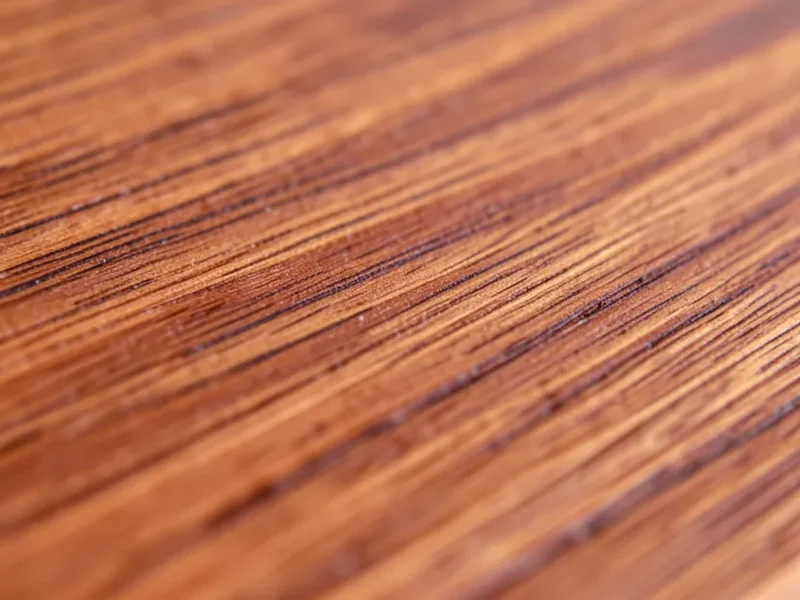
If you like the weathered, driftwood-gray look, skipping a finish is a legitimate choice, not a shortcut. That aged patina is common on cedar-shingled homes in coastal New England and on privacy fences throughout the Pacific Northwest, and it’s stable once it sets in; the wood doesn’t keep degrading past that gray surface layer at any meaningful rate for above-grade, vertical applications like siding or fencing.
It’s also genuinely lower maintenance. There’s no reapplication schedule, no sanding between coats, and no risk of a finish peeling or blotching unevenly later. For a garden shed, raised beds, or a fence where a rustic look is the goal anyway, bare cedar is a defensible and honestly kind of elegant option.
Where Unfinished Cedar Actually Falls Short
The gray patina is cosmetic, but two related problems aren’t. First, surface checking: as that dead, UV-degraded layer forms and reforms with every rain-then-dry cycle, small cracks develop along the grain. On boards exposed to direct afternoon sun, this is noticeably worse on the south- or west-facing side than on shaded faces of the same fence.
Second, and this is the exception most people miss: ground contact. Cedar’s rot resistance is rated for above-grade use. Buried fence posts, deck footings, or anything sitting directly on damp soil don’t get the same benefit, because constant moisture defeats the natural oils faster than they can work. That’s why even cedar fence installers typically set posts in pressure-treated lumber or concrete rather than relying on cedar at the ground line.
What a Finish Actually Buys You
A finish doesn’t make cedar rot-resistant; it’s already that. What it does is slow the UV breakdown that causes graying and checking, and add a layer of water repellency that reduces how much the wood swells and shrinks with weather. Less swelling and shrinking means fewer surface cracks over time and a board that holds its shape better at joints and fasteners.
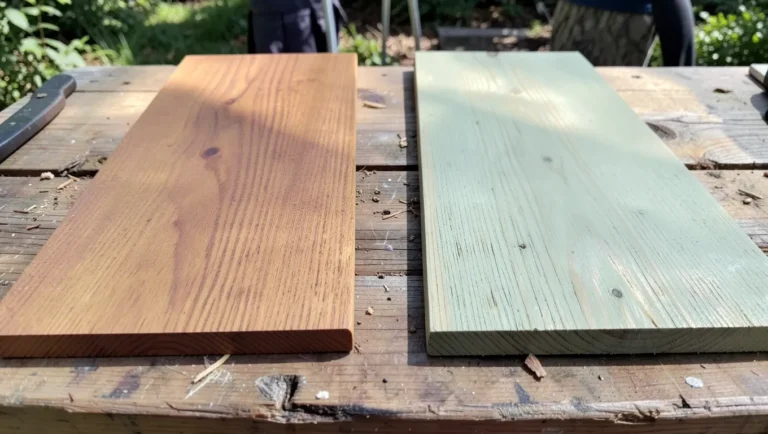
The other benefit is simply keeping the color you installed it for. If you chose cedar specifically for that warm reddish tone on a front porch or an accent wall, a UV-inhibiting finish is the only way to keep that look for more than a season or two outdoors.
Picking the Right Type of Finish
Three broad categories cover most cedar projects:
- Penetrating oil-based sealers soak into the wood fibers instead of sitting on top. They enhance the grain and deepen the color, resist water well, and typically last longer between coats than water-based options. The trade-off is a stronger odor during application and a longer dry time, plus they can darken cedar more than expected on the first coat.
- Water-based sealers dry fast, have low odor, and clean up with soap and water, which makes them a reasonable choice for cedar used indoors (paneling, closets, sauna trim). They generally need more frequent reapplication outdoors than oil-based products.
- Transparent or semi-transparent stains, like the one above, add UV-blocking pigment while still letting the grain show through. This is usually the best match for anyone who wants cedar to look like cedar, just protected, rather than switching to a solid opaque paint that hides the wood entirely.
Avoid film-forming finishes like exterior varnish or polyurethane on cedar that lives outdoors. Because wood expands and contracts with humidity and temperature, a hard film on the surface eventually cracks and peels rather than flexing with it, and once it starts peeling it looks considerably worse than bare, weathered cedar ever would.
How to Apply a Finish to Cedar Without Wasting a Coat
Surface prep matters more than the product you choose. Start with a clean, dry board: brush off dust and debris, then wash with a mild wood cleaner if the cedar has been outside for more than a season, since surface dirt and mildew will trap moisture under a new finish and cause it to fail early. Let the wood dry fully, ideally 48 hours with no rain, before applying anything.
Sand lightly with fine-grit sandpaper (180-220 grit) to open the grain, especially on wood that’s already grayed, since the degraded surface fibers block absorption. Fill any cracks or old fastener holes with an exterior-rated wood filler and let it cure before sanding it flush.
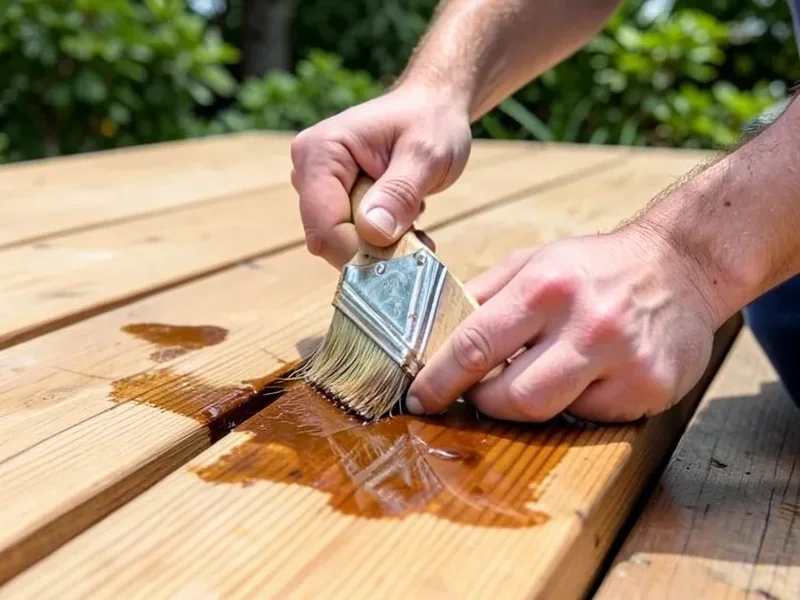
Apply the finish with a brush or lint-free cloth, working with the grain rather than across it. Let the first coat dry completely per the label’s timing, then scuff-sand lightly and apply a second coat for better long-term coverage. Two thin coats consistently outlast one heavy coat, which tends to pool in low spots and dry unevenly.
Keeping Cedar Looking Good, Finished or Not
Unfinished cedar still benefits from occasional cleaning. Once a month or so, a rinse with water and a mild soap removes surface dirt and mildew spores before they can stain the wood or accelerate graying unevenly. Skip pressure washers on bare cedar; the force can tear soft early-wood grain and leave a fuzzy, damaged surface.
Finished cedar needs a real reapplication schedule, not a “when it looks bad” approach. Check it once a year: if water no longer beads on the surface and instead soaks in within a few seconds, the finish has worn through and it’s time to clean, lightly sand, and recoat. On south-facing or fully exposed surfaces, expect that to be closer to every 12-18 months. Shaded or covered areas can often go two to three years between coats.
Choosing an Eco-Friendly Finish
If low-VOC matters for your project, oil-based penetrating finishes made from linseed or tung oil blends are widely available and soak into the wood rather than forming a plastic-like film, so they don’t create a surface layer that needs stripping later. Water-based, low-VOC stains have also improved significantly and are a solid option for anyone sensitive to solvent odors during application.
For disposal, always check the product label first. Most water-based finishes can be dried out completely (spread on cardboard in a ventilated area) and then disposed of with regular trash; oil-based products often count as household hazardous waste and need to go through a local collection program rather than the trash or drain, since some oils are combustible as they cure.
Frequently Asked Questions
Does cedar need to be finished to prevent rotting?
No. Cedar heartwood contains natural oils that already resist decay and insects without any finish. A finish protects the color and reduces surface checking, but it isn’t what keeps unfinished cedar from rotting above grade.
What happens if cedar is left unfinished outdoors?
It fades from reddish-brown to silvery gray within a year or two as UV light breaks down surface lignin. The wood stays structurally sound above grade, though it becomes more prone to fine surface checking over the following years.
How do you properly finish cedar wood?
Clean and fully dry the wood, sand lightly to open the grain, fill any cracks, then apply a penetrating oil-based or transparent stain with the grain in two thin coats rather than one heavy coat.
Can cedar be left untreated in ground contact, like fence posts?
Not reliably. Cedar’s natural resistance is rated for above-grade use. Constant soil moisture overwhelms its protective oils faster than they can work, which is why posts are usually set in pressure-treated lumber or concrete instead of bare cedar.
Bottom Line
Cedar doesn’t need a finish to survive above-grade outdoor use; its natural oils already handle that. What a finish changes is appearance and surface durability: it keeps the reddish color from graying, cuts down on checking from wet-dry cycles, and is worth doing if you want cedar to keep looking like cedar. If you’re fine with the silvery weathered look and you’re not putting cedar in ground contact, skipping the finish is a perfectly sound choice.
Sponsored / affiliate links. As an Amazon Associate I earn from qualifying purchases. I may earn additional commission from eligible campaigns.