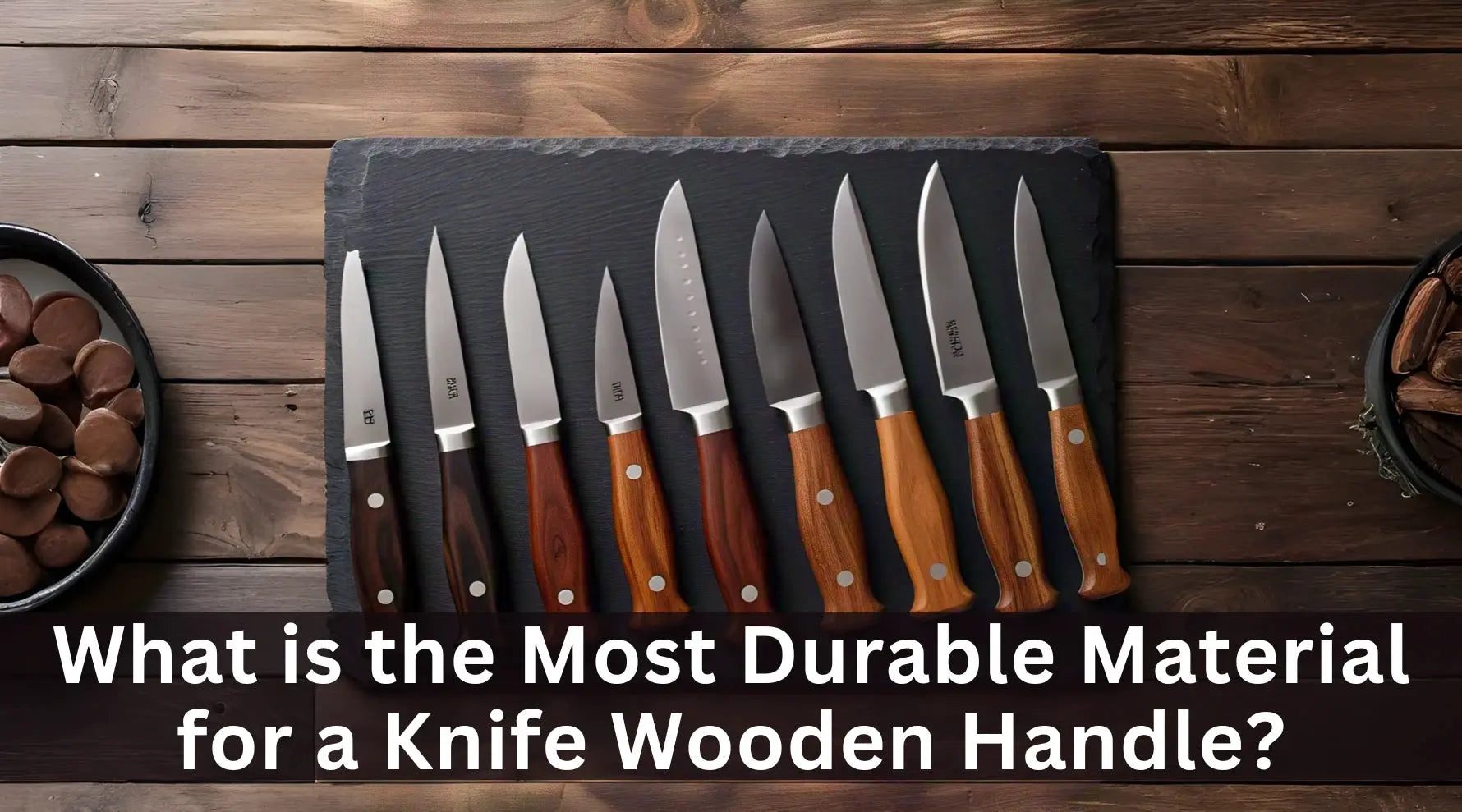
What is the Most Durable Material for a Wooden Handle?
Have you ever found yourself frustrated with a wooden handle that just couldn’t stand the test of time? Whether it’s for your garden tools, kitchen utensils, or even your trusty hammer, choosing the right material can make a world of difference.
You might wonder what makes one wooden handle outlast another. Is it the type of wood, the finish, or something else entirely? Dive into this article to uncover the secrets behind the most durable materials for wooden handles. By the end, you’ll have the knowledge to make informed choices that save you time, money, and effort.
Let’s explore how to ensure your next wooden handle stands strong and reliable, just like you need it to be.
Credit: www.walmart.com
Wood Characteristics
Oak wood stands out as a top choice for durability in wooden handles. Its dense grain structure resists wear and tear effectively. Hard maple is another excellent option, known for its strength and resistance to impact. Both woods offer long-lasting solutions for tools and utensils.
Density And Strength
Wood with high densityis often strong. Oak and hickory are dense. They are tough to break. Hardwoods are usually stronger than softwoods. Strong wood is good for handles.
Resistance To Moisture
Wood that resists moisturelasts longer. Teak and cedar resist water well. Wet wood can rot. Moisture-resistant wood stays strong. It does not swell or crack easily. Good for outdoor handles.
Flexibility And Shock Absorption
Flexible wood absorbs shockwell. Ash and maple are flexible. They bend without breaking. Shock absorption is important for tools. Flexible wood makes comfortable handles. It reduces impact on hands.
Common Wood Types
Oak is a popular choice for wooden handles. It is very strong and hard. This wood has a unique grain pattern. Oak handles can last for a long time. They are also resistant to wear and tear. This makes them a favorite for many tools.
Hickory is known for its great strength and flexibility. It can handle heavy use without breaking. Hickory handles are often used in axes and hammers. This wood is very durable and reliable. Many people trust it for tough tasks.
Ash is lightweight and easy to handle. It is still strong and durable. Ash handles are great for everyday tools. They absorb shock well, reducing strain on hands. This wood is a good choice for comfortable use.
Exotic Wood Options
Bamboo is a strong and light wood. It grows very fast. Many people like bamboo for its durability. It is also very eco-friendly. Handles made from bamboo are smooth. They feel good to hold. Bamboo handles are also stylish. They add a modern touch to tools.
Teak is a very hard wood. It is often used for outdoor furniture. Teak handles last a long time. They do not get damaged easily. This wood is also resistant to water. Teak handles are perfect for tools that get wet. They keep their color too.
Rosewood is a rich, dark wood. It is very dense and tough. Handles made from rosewood are heavy and strong. This wood is also pretty. It has a nice shine. Rosewood handles are elegant. They make tools look special. People often choose rosewood for its beauty.

Credit: www.amazon.com
Wood Treatment Techniques
Varnishing protects wood from moisture. This keeps the handle strong. A good seal stops dirt from sticking. Sealing makes the handle last longer. A shiny finish can make it look pretty. Strong and pretty, that’s the goal!
Oil finishing gives a smooth feel. Oil keeps the wood shiny. It stops cracks from forming. Handles feel good with oil. Easy to hold and work with. Oil finishes are simple but very effective.
Waxing makes wood shiny and smooth. Wax coats the surface. It adds a layer of protection. Handles feel soft and warm. Wax is easy to apply. Just rub it on and polish. Shiny like a star!
Comparative Analysis
Different woods show varying durabilityin tests. Oak and hickory often last longer. These woods withstand pressure and wear. Maple is also strong but can splinter. Some woods resist water better. Teak and cedar are good in wet places. Choosing the right wood is key. It must fit the use. Hard woods last longer. They are best for tools and furniture.
Strong woods can be pricey. Oak costs more but lasts years. Cheap woods might break faster. Pine is affordable but soft. Spending more now saves money later. Quality can mean fewer replacements. This helps in the long run. Balance cost with how long it will last.
Users like handles that feel good. Smooth wood is easier to grip. Rough surfaces can hurt hands. Weight matters too. Heavy tools tire arms quickly. Light woods are easy to use. Balance is important for comfort. Users prefer handles that feel just right. Feedback helps makers improve designs.

Credit: www.amazon.com
Sustainability Considerations
Choosing the right wood for a handle ensures durability and sustainability. Hickory stands out for its strength and shock resistance. Its natural resilience makes it a popular choice for long-lasting wooden handles.
Eco-friendly Choices
Wooden handles can be eco-friendly. Bamboo is a top choice. It grows fast and uses less water. Another option is reclaimed wood. This wood comes from old furniture or buildings. It reduces waste and saves trees. Cork is another sustainable material. It is harvested without harming trees. These choices help the planet.
Impact On Deforestation
Using sustainable wood reduces deforestation. Bamboo grows quickly and needs little land. Reclaimed wood prevents cutting new trees. Cork harvesting does not kill trees. Choosing these materials can save forests. It helps keep the earth green and healthy.
Recyclability
Many wooden handles are recyclable. Reclaimed wood is easy to reuse. It can be turned into new furniture. Cork can be recycled into different products. Recycling helps reduce waste. It keeps materials from ending up in landfills. It is a smart choice for the earth.
Frequently Asked Questions
What Makes A Wooden Handle Durable?
Durability in wooden handles often comes from the type of wood used. Hardwoods like hickory or oak are popular for their strength. Proper treatment and finish also enhance durability, protecting against moisture and wear. A well-crafted design can further ensure longevity and resistance to damage.
Which Wood Types Are Most Durable?
Hickory and oak are renowned for their durability in wooden handles. Hickory is extremely hard, providing excellent shock resistance. Oak offers strength and resilience, making it ideal for heavy use. Both woods can withstand frequent use, environmental changes, and maintain integrity over time.
How Does Finish Affect Wood Durability?
A good finish protects wooden handles from moisture and wear. It seals the wood, preventing water absorption and damage. Finishes like oil or lacquer enhance durability by providing a barrier. Regular maintenance of the finish can extend the lifespan of the handle significantly.
Are Treated Wooden Handles More Durable?
Yes, treated wooden handles are generally more durable. Treatments like oiling or varnishing protect wood from moisture and wear. These treatments enhance the wood’s natural resilience. They also improve its appearance and can prevent cracking or splitting over time.
Conclusion
Choosing the right wood handle material is important. It affects durability and comfort. Oak offers strength and resistance to wear. Maple is smooth and reliable for daily use. Hickory withstands heavy impact and is trusted by craftsmen. Each material has unique qualities.
Consider your needs and preferences. Think about the handle’s intended use. A durable handle enhances performance and longevity. Make an informed choice for your next project. Enjoy a sturdy, reliable tool that lasts. A good handle makes all the difference in woodworking.