Wood Paneling Living Room Ideas: Shiplap vs Board-and-Batten
Wood paneling works in a living room when you pick one dominant style – shiplap, board-and-batten, or a single reclaimed-wood accent wall – and build the room’s color and lighting around it, rather than mixing styles on one wall. Skip that and even well-installed paneling can read as dark or dated. This guide covers the real paneling types, decorating strategies for each, and how to fix a room that already feels too heavy.
Why Wood Paneling Works in a Living Room
Best Bonding Primer For Paneling
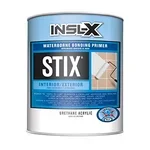 |
INSL-X Stix Waterborne Bonding Primer, 1 Quart – $26.99 The bonding primer this guide recommends for painting over existing paneling – built specifically to grip the slick factory finish most paneling ships with, which plain wall primer tends to slide right off.
|
As an Amazon Associate we earn from qualifying purchases.
Wood paneling brings texture and warmth that flat drywall can’t match, and unlike a paint color or wallpaper pattern, it doesn’t look dated within a few years. Beyond looks, solid wood paneling installed over studs adds a small amount of sound dampening and, if properly finished, can last decades without replacement – a genuinely different value proposition than most wall treatments.
The Wood Paneling Styles That Actually Matter
Most “wood paneling” searches actually mean one of these four options, and they decorate very differently.
| Style | Look | Typical Cost |
|---|---|---|
| Shiplap | Horizontal boards with a shadow-line groove, farmhouse/coastal feel | ~$30-$55 per 4×8 sheet in real pine (full pricing breakdown) |
| Board-and-batten | Vertical battens over a flat panel or drywall, formal/molding-style look | ~$35-$65 for pre-cut MDF wainscoting kits |
| Reclaimed/solid wood accent wall | Varied grain and tone, rustic or mid-century feel | Highest cost, varies by species and source |
| Veneer or MDF paneling | Smooth surface, usually painted, budget-friendly | Lowest cost of the four |
Solid wood is the most durable and can be refinished multiple times over its life. Veneer gives the look of solid wood at a lower price, but quality varies a lot between suppliers. For a richer, more formal accent wall than pine shiplap, mahogany wall paneling is worth considering, though it costs significantly more per square foot. MDF isn’t real wood at all – it’s an engineered panel meant for a painted finish, like beadboard.
Decorating Around Traditional (Darker) Paneling
If your paneling is a darker, traditional wood tone, lean into the cozy library feel rather than fighting it.
- Furniture: Plush pieces in velvet, leather, or chenille – deep sofas and a classic wingback chair work well against dark wood.
- Color palette: Deep greens, rich burgundies, warm golds, and creamy off-whites in upholstery, pillows, and rugs.
- Lighting: Layer warm-toned lamps for pools of light rather than one overhead source; a statement fixture in brass or aged iron suits the style.
- Accessories: Textured rugs, antique-inspired art, and brass or ceramic objects add depth without competing with the wood.
Brightening Up Modern or Light-Toned Paneling
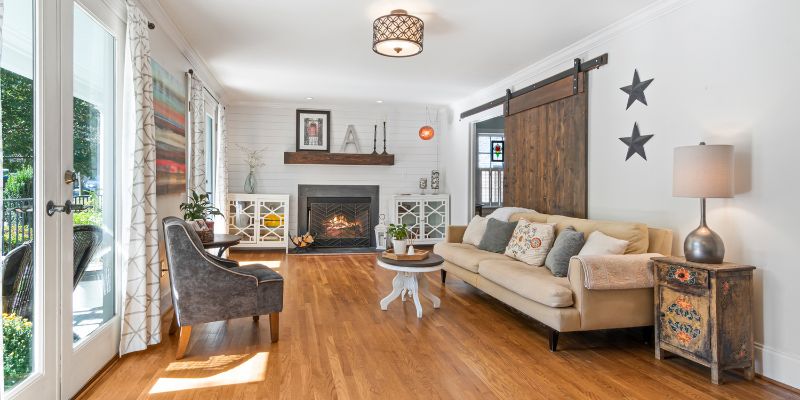
Wood paneling doesn’t have to mean a dark room. Lighter species, whitewashed finishes, or painted panels create a contemporary, airy feel.
- Furniture: Clean-lined, mid-century or Scandinavian pieces with exposed legs and simple upholstery.
- Color palette: Whites, creams, light grays, and soft blues keep the wood from feeling heavy; add color through smaller decor items.
- Lighting: Maximize natural light with minimal window treatments; use sleek, modern fixtures rather than ornate ones.
- Accessories: Abstract art, simple ceramics, live plants, and matte-black or brushed-nickel accents.
Using Paneling as a Single Feature Wall
You don’t need to panel every wall to get the effect – a single feature wall gives most of the visual impact for a fraction of the material cost.
- Placement: Choose the wall that anchors the room – behind the sofa, the TV, or the fireplace.
- Contrast: Pair dark panels with a crisp white or light gray on the remaining walls so the wood reads as a feature, not a cave.
- Pattern: Shiplap and beadboard read differently at scale – compare them before committing to a full wall.

Painting Over Existing Paneling
Painting is the most budget-friendly way to modernize dated paneling without tearing it out and rebuilding the wall.
- Clean thoroughly to remove years of dust, smoke residue, or furniture polish buildup.
- Sand lightly to knock down any gloss so primer can grip the surface.
- Prime with a bonding primer, not just a basic stain-blocking one, if the paneling has any factory sheen – most paneling leaves the factory with a slick, semi-gloss finish that plain primer beads up on and peels off within a year. A dedicated bonding primer (the kind sold for laminate, tile, and glossy trim) is formulated to grip that slick surface instead of just sitting on top of it, and it still handles tannin bleed-through the same as a stain-blocking primer would.
- Paint in a matte or satin finish – white or off-white for a farmhouse look, soft gray or blue for something more modern.
Painted beadboard or board-and-batten fits cottage, coastal, and farmhouse styles particularly well.
Fixing a Room That Feels Too Dark or Dated
This is the single most common complaint about older wood-paneled rooms, and it has a short list of real fixes (see our full guide on how to make wood paneling look good without painting for non-paint options):
- Paint some or all of the panels rather than leaving the full room in dark wood.
- Introduce white or light-colored furniture, rugs, and curtains to offset the wood tone.
- Add more artificial lighting – warm-toned bulbs in the 2700K-3000K range read as cozy rather than flat or yellow.
- Use mirrors across from windows or light fixtures to bounce light deeper into the room.
- Replace only the darkest section (like a ceiling-height wall) with a lighter material instead of repainting everything.
Frequently Asked Questions
Can I Paint Over Wood Paneling?
Yes. Clean the panels thoroughly, sand lightly to knock down the factory sheen, and apply a bonding primer before painting – a basic primer alone often beads up or peels off glossy paneling within a year, and skipping primer entirely is the most common reason old wood tannins bleed through a fresh coat. Once primed, any interior paint in a matte or satin finish will hold up well.
What Colors Go Well With Wood Paneling?
For darker wood, warm neutrals like cream, sage green, or deep blue work best. For lighter wood, you have more flexibility – crisp white, light gray, pastels, or a bolder accent color in furniture and decor. The goal is contrast, not competing with the wood tone.
Is Wood Paneling Still In Style?
Yes, in updated forms. Very dark, glossy, wall-to-wall paneling from the 1970s reads as dated, but shiplap, board-and-batten, painted panels, and single accent walls are all currently popular and unlikely to look dated within a few years, since they’re rooted in a much older architectural tradition rather than a passing trend.
How Do I Make A Wood-Paneled Room Look Modern?
Use lighter wood tones or paint the panels white or gray, choose furniture with clean lines and a neutral palette, maximize natural light, and keep accessories minimal. Geometric or vertical paneling patterns read as more modern than traditional horizontal wood grain.
Conclusion
The living rooms that pull off wood paneling well all do the same thing: pick one style – shiplap, board-and-batten, a single accent wall, or painted panels – and build the color palette and lighting around it instead of mixing approaches. Whether you’re working with existing dark paneling or installing new panels from scratch, matching furniture, color, and light to the wood tone is what separates a cozy room from a dated one.
Sponsored / affiliate links. As an Amazon Associate I earn from qualifying purchases. I may earn additional commission from eligible campaigns.