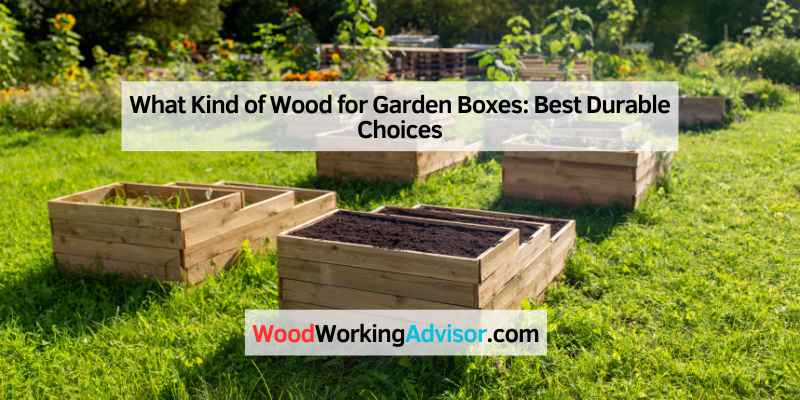
What Kind of Wood for Garden Boxes: Best Durable Choices
Cedar and redwood are ideal choices for garden boxes due to their natural resistance to rot and pests. Pressure-treated wood is also suitable but should be used with caution to avoid chemical leaching.
Creating a garden box can enhance your outdoor space and promote healthy gardening. The right type of wood plays a crucial role in the longevity and safety of your plants. Using durable materials helps prevent decay while ensuring your garden thrives.
Cedar and redwood not only resist moisture but also add aesthetic appeal. Pressure-treated wood offers a budget-friendly option but requires careful consideration. Choosing the right wood protects your plants and provides a sturdy foundation for your garden. Make informed choices to enjoy a flourishing garden for years to come.
Introduction To Garden Boxes
Garden boxes made from wood offer many great benefits. They are aesthetically pleasing and fit well in any garden. Wood is a natural material that blends beautifully with plants. It helps maintain soil temperature and moisture levels.
Choosing the right type of wood is essential. Cedar is a popular choice because it resists decay. Redwood is another good option, known for its durability. Pine is more affordable but may need treatment to last longer.
Wooden garden boxes can be customized easily. You can paint or stain them to match your garden’s style. Always ensure the wood is untreated to avoid harmful chemicals in your soil.
Natural Resistance To Decay
Cedar is a popular choice for garden boxes due to its natural resistance to decay. This wood contains oils that help prevent rot and insect damage. Its lightweight nature makes it easy to work with. Cedar can last many years in outdoor conditions.
Redwood offers excellent advantages as well. It is known for its strength and durability. This wood also resists warping and cracking. Redwood has a beautiful color that can enhance any garden. Its longevity means fewer replacements over time.
Affordable And Sustainable Options
Pine is a popular choice for budget-friendly garden boxes. It is light and easy to work with. This wood is also readily available and affordable. Its natural resistance to moisture helps it last longer.
Douglas Fir is another great option. It grows quickly, making it a sustainable choice. This wood is strong and can handle heavy loads. It also has a beautiful grain, adding charm to your garden.
| Wood Type | Cost | Durability |
|---|---|---|
| Pine | Low | Moderate |
| Douglas Fir | Medium | High |
Tropical Hardwoods
Tropical hardwoods are popular for garden boxes. They offer great durability and beauty. Among these, teak stands out for its longevity. Teak wood can last for decades without rotting.
Ipe is another great choice. Known for its incredible strength, it resists pests and water. This makes Ipe ideal for outdoor use. Both woods require minimal maintenance, saving time and effort.
| Wood Type | Key Benefit |
|---|---|
| Teak | Longevity and resistance to decay |
| Ipe | Exceptional strength and pest resistance |
Treating And Sealing Wood
Using eco-friendly treatments is a great choice for garden boxes. Natural oils and waxes protect wood without harmful chemicals. Look for products that are non-toxic and biodegradable. They keep the environment safe.
Sealants help wood last longer. They provide a barrier against water and pests. Choose sealants that are low in VOCs. These will not harm plants or soil. Regular application will maintain durability.
| Eco-Friendly Treatments | Sealants for Durability |
|---|---|
| Natural oils | Water-based sealants |
| Beeswax | Low VOC options |
| Plant-based products | UV resistant sealants |
Size And Thickness Considerations
Choosing the right size and thickness for garden boxes is important. The dimensions affect how strong and durable the boxes are. Calculate the length, width, and height based on available space.
For calculating dimensions, consider the plants you want to grow. Different plants need different amounts of space. Use a measuring tape to mark out your garden box area. This helps visualize the size.
Choosing the right thickness is also key. Thicker wood lasts longer and withstands weather better. A thickness of at least 1 inch is recommended for durability. Thinner wood may warp or break easily.
| Wood Thickness | Durability | Ideal Use |
|---|---|---|
| 1 inch | Good | Small plants |
| 2 inches | Better | Medium plants |
| 3 inches | Best | Heavy plants |
Assembly Tips For Longevity
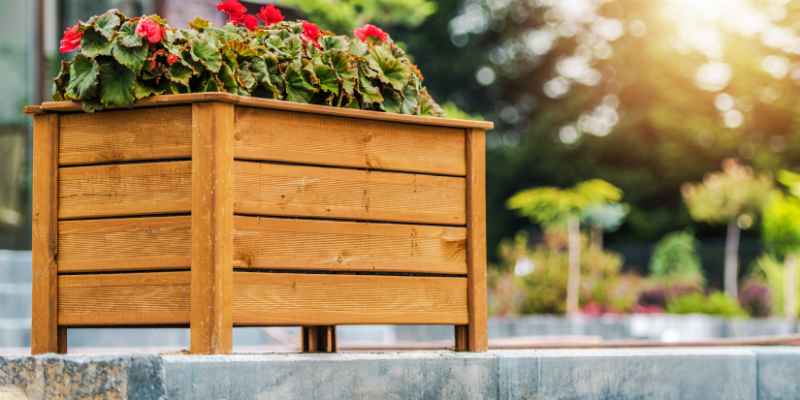
Choose strong joinery techniques to enhance your garden box’s strength. Dovetail or mortise-and-tenon joints work well. These methods create a tight bond. They help resist warping and splitting.
Preventing soil contact is important. Use a liner to separate wood from soil. This keeps moisture away. It also reduces rot. Cedar and redwood are naturally resistant to decay. Consider using these types of wood.
Another option is to raise the boxes slightly. Add legs or use bricks to lift them. This keeps the wood dry and safe from pests.
Maintenance And Care
Regular inspection of garden boxes is very important. Check for signs of damage often. Look for cracks, rot, or insect activity. Early detection helps prevent bigger problems.
Replace damaged sections quickly to keep your garden boxes healthy. Use the same type of wood for repairs. This helps maintain the box’s structure and appearance.
properly. This will protect against pests and weather.
Frequently Asked Questions
What Type Of Wood Is Best For Garden Boxes?
Cedar is often considered the best wood for garden boxes. It is naturally resistant to rot and pests. Other good options include redwood and treated pine. Avoid using untreated softwoods, as they may decay quickly. Choose wood that is safe for growing vegetables.
Is Treated Wood Safe For Vegetable Gardens?
Treated wood can be safe for vegetable gardens if it uses modern preservatives. Look for wood treated with alkaline copper quaternary (ACQ) or copper azole. These treatments are less toxic than older methods. However, it’s best to line your boxes with plastic to prevent leaching.
How Long Does Untreated Wood Last In Garden Boxes?
Untreated wood typically lasts about one to three years in garden boxes. The lifespan can vary based on weather conditions and soil moisture. After this period, the wood may begin to rot and weaken. Consider replacing it with rot-resistant wood for better longevity.
Can I Use Plywood For Garden Boxes?
Plywood can be used for garden boxes, but it has limitations. Ensure it is exterior-grade plywood, which is more resistant to moisture. However, plywood may not last as long as solid wood options. It’s better for temporary boxes rather than long-term gardening solutions.
Conclusion
Choosing the right wood for garden boxes is essential for durability and plant health. Cedar and redwood are excellent options due to their natural resistance to rot. Consider treated pine for budget-friendly solutions, but ensure it’s safe for edible plants.
Invest in quality wood to enjoy a thriving garden for years.