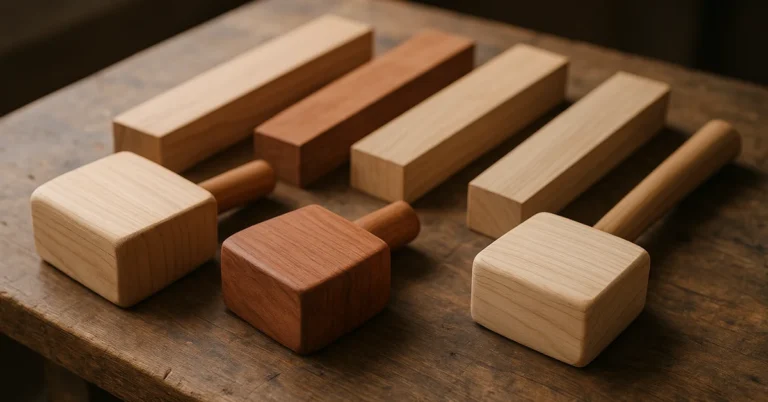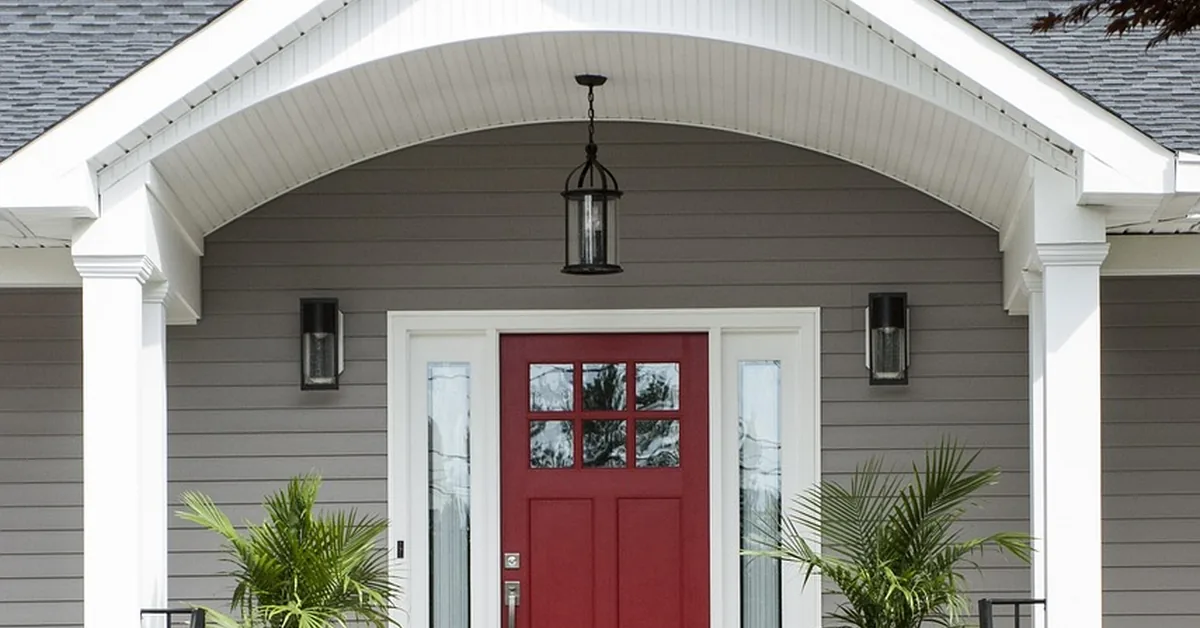
Best Wood for Porch Columns: Rot Ratings Compared
For porch columns, the woods with the best published rot resistance are western red cedar, redwood, bald cypress and white oak, while pressure-treated pine is the budget option and poplar is the one to avoid outside. But the species matters less than most guides admit: a column usually fails at the bottom, where end grain sits in water, so how you build and seal the base decides how long it lasts. Below are decay ratings from The Wood Database, the column styles compared, and the base details that keep any of these woods from rotting.
Best Wood for Porch Columns: The Short Answer
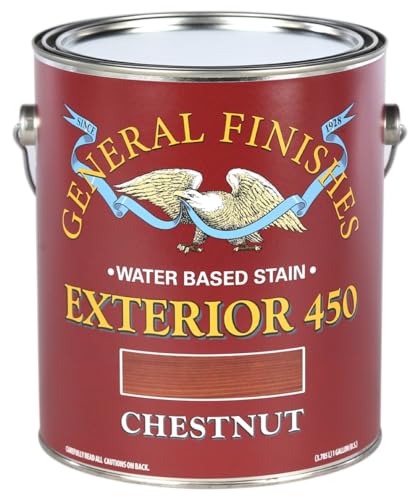
Best Column Base Rot Guard | |
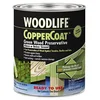 |
Wolman Woodlife CopperCoat Green Wood Preservative A brush-on copper-based preservative for the parts of a column that hold water: the cut end, the bottom edge and any drilled hole. It works on cedar, redwood, oak and treated lumber alike.
|
As an Amazon Associate we earn from qualifying purchases.
- Best overall: western red cedar or redwood, chosen as clear heartwood, then primed and painted on all six faces.
- Best for a stained or natural look: white oak, which The Wood Database rates as very durable, though it is heavy and harder to work.
- Best on a budget: pressure-treated pine rated for its exposure, with every cut end field-treated.
- Avoid outdoors: poplar and eastern white pine, both rated low in decay resistance.
Two cautions before you buy anything. Porch columns often carry roof load, so wood size, connections and the footing underneath should be confirmed against your local building code, and by an engineer for anything unusual. And decorative column wraps are not structural: never remove a load-bearing post on the strength of an internet article.
Decay Ratings for Porch Column Woods
The table lists the woods most often specified for columns. Decay ratings and Janka hardness come from The Wood Database species profiles; the price notes are that source’s general comments, not a live price check.
| Wood | Decay resistance | Janka hardness | Price note |
|---|---|---|---|
| Western red cedar | Durable to very durable; mixed insect resistance | 350 lbf | Moderately inexpensive as construction grade; clear grades cost more |
| Redwood | Moderately durable to very durable; old growth beats young growth | 450 lbf | Mid to upper price range |
| Bald cypress | Durable to very durable in old growth; only moderately durable in younger trees | 510 lbf | Mid-range for a domestic wood |
| White oak | Very durable | 1,350 lbf | Abundant supply, usually priced a little above red oak |
| Honduran mahogany | Moderately to very durable, depending on the tree | 900 lbf | Imported; supply tied to plantation stock |
| Yellow poplar | Moderately durable to non-durable; susceptible to insects | 540 lbf | Among the cheapest domestic hardwoods |
| Eastern white pine | Moderate to low | 380 lbf | Moderate for a softwood |
Notice the two extremes. White oak is more than three times harder than cedar and rates very durable, but it is heavy, moves with humidity, and is harder to cut and fasten. Cedar is soft and dents, but it is light and easy to work, which is why so many built-up columns use it. For a direct look at a tropical alternative, our teak vs mahogany comparison uses the same kind of published data.
The Fine Print Behind the Ratings
A rating like “very durable” describes heartwood from old, slow-grown trees. The Wood Database says this directly for several species in the table: old-growth redwood tends to outlast younger second-growth, old-growth bald cypress is rated durable to very durable while younger cypress is only moderately durable, and older wild-grown mahogany is denser and more durable than plantation stock. Most lumber sold today is younger, faster-grown wood, so treat the top of each range as a best case, not a promise.
Two practical consequences follow. First, buy heartwood, not sapwood: the pale outer sapwood of cedar and redwood has little natural decay resistance, so a board with a wide pale edge is a weaker choice for the exposed base of a column. Second, do not pay a large premium for a species rating and then skip the details below. A well-detailed cedar column will outlast a badly detailed white oak one.
Solid, Built-Up, Poplar, PVC or Fiberglass Columns
Wood species is only one decision. The column style changes how long the wood stays dry and how it fails.
- Solid wood (one timber or a glued-up square): traditional and sturdy-looking, but a thick timber dries unevenly and tends to check, or crack along the grain, as it seasons. Those cracks catch water, so paint them and fill them. Solid columns cost the most and are the hardest to find in large sizes.
- Built-up (box) columns: four boards joined around a hollow core, common for wide or tapered columns. They avoid deep checking, weigh less and can be built in any size. The trade-off is that every joint is a place for water to enter, so use waterproof glue, sealed joints and a vented base. Our guide to building tapered wood columns covers the joinery and the difference between a decorative taper and a structural wrap.
- Poplar columns and parts: poplar machines cleanly and paints well, which is why it appears in column trim. With a moderately durable to non-durable rating, it is a poor choice for a base that gets splashed. If you use it, keep it under a roof and prime every face.
- PVC and fiberglass columns: they do not rot, and the better products come with structural load data. They are the low-maintenance answer where a wet climate keeps defeating wood. Check the manufacturer’s rating and your building department’s approval before letting one carry a roof.
Using Pressure-Treated Pine for Porch Columns
Pressure-treated pine is the cheapest way to get real rot protection, and it is reasonable for a painted column, but there is a myth attached to it: that treated wood cannot rot. It resists decay because preservative has been forced into the wood, and that protection is thinnest at the center of a board. Any time you crosscut a treated post, you expose less-protected wood at the cut, which is exactly the spot that sits on the porch floor.
- Read the end tag. Lumber is rated for above-ground or ground-contact use; a porch column standing on a slab or deck is above-ground, but confirm the tag against the manufacturer’s guidance.
- Brush a preservative on every cut end and drilled hole, following the product label. Treated-wood end-cut products exist for exactly this.
- Let treated wood dry before painting, and use a primer and paint the maker approves for it.
- Use fasteners and connectors rated for the treatment chemical, since treated lumber can corrode plain steel.
We cover the structural side of treated posts separately in our pressure-treated wood posts guide, and our cedar framing article explains where softer woods like cedar do and do not belong in load-bearing work.
The Base Detail That Decides How Long a Column Lasts
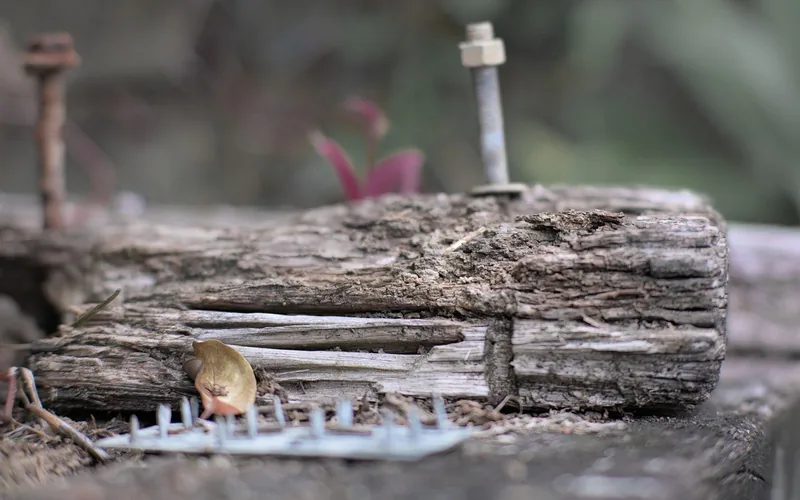
This is the angle most “best wood” lists miss. Water does not usually rot a column from the sides, where paint sheds it. It wicks up through the bottom end grain from a wet porch floor and gets trapped there. Once the base stays damp, even durable cedar and redwood decay from the inside, and you see it only when the paint bubbles at the bottom.
- Keep end grain off the floor. A plinth, base plate or vented column base holds the wood slightly above the porch deck so water can drain and air can move.
- Seal the cut end before installing. Soak or brush the bottom end grain with preservative, then prime it. You will never reach it again once the column is up.
- Flash the cap. Water entering at the top of a hollow column can run down and pool at the base.
- Slope the floor away from columns and keep gutters and downspouts from dumping onto them.
- Caulk and paint every joint, especially on built-up columns and where trim meets the shaft.
If a base has already softened, treating it early can save the column. Our wood rot repair epoxy guide shows how to consolidate and rebuild rotted wood, though a column that carries load and has lost real section should be inspected by a qualified person before you rely on a filler.
Finishing and Maintenance
Paint protects a column better than clear finishes. A primer and two coats of exterior paint, applied to all faces including the bottom, block sun and most rain. Clear stains and oils on cedar and redwood need refreshing more often. Inspect the bottom 12 inches of each column every year, probe suspicious spots with a screwdriver, and repaint before the film fails. Small problems caught early are cheap; a column replaced under a roof load is not.
Which Wood Should You Choose?
- Painted classic porch, wet climate: built-up cedar or redwood with a vented base and sealed ends, or PVC or fiberglass if you want to skip maintenance.
- Stained natural look: white oak or clear redwood, kept under a good roof overhang.
- Tight budget: pressure-treated pine, cut ends treated, painted after drying.
- Load-bearing columns: confirm size, connections and footing with your building department or an engineer before choosing on looks.
Frequently Asked Questions
What is the best wood for porch columns?
Western red cedar, redwood, bald cypress and white oak have the best published decay ratings for solid or built-up wood columns. For a budget build, pressure-treated pine rated for its exposure can work when cut ends are sealed and the column is painted and kept off standing water. Check local code, and an engineer if the column carries roof load.
Is cedar or redwood better for porch columns?
They are close. The Wood Database rates western red cedar as durable to very durable and redwood as moderately durable to very durable, with old-growth redwood lasting longer than younger second-growth. Cedar is softer, at 350 lbf Janka against 450 lbf for redwood, so it dents more easily. Buy the best-quality heartwood you can afford in either.
Can you use poplar for exterior porch columns?
It is risky. The Wood Database rates poplar heartwood as moderately durable to non-durable and susceptible to insects. Poplar is sold for painted trim and is sometimes used for column parts, but on an exposed porch it needs primer on every face, sealed end grain and protection from standing water, or it will rot sooner than cedar or redwood.
Are PVC or fiberglass columns better than wood?
They do not rot, which is their main advantage, and they need repainting less often than wood. Wood is easier to modify on site and can be stained. Load ratings vary by product, so read the manufacturer’s structural data and ask your building department whether a given column is approved to carry your roof.
Conclusion
Cedar, redwood, bald cypress and white oak give you the best rot resistance for porch columns, pressure-treated pine gives the best value, and poplar belongs indoors or well protected. Whatever you choose, buy heartwood, seal every cut end, keep the base off standing water and paint all faces. Those details do more for lifespan than the species name, and anything carrying roof load should be checked against local code before you build.
Sponsored / affiliate links. As an Amazon Associate I earn from qualifying purchases. I may earn additional commission from eligible campaigns.