What Is UFP Wood? Meaning, Brands, and Uses Explained
If you have seen the name “UFP” stamped on a board at Lowe’s and wondered what it actually means, here is the short answer: UFP stands for Universal Forest Products, a Michigan lumber company that renamed itself UFP Industries in 2020. “UFP wood” is not a special wood species or a proprietary composite – it is ordinary pine, cedar, and other softwoods that UFP Industries mills, treats, or finishes and sells under retail brand names like UFP-Edge and ProWood. Below is what each of those brands actually covers, how they compare to plain lumber, and which product fits a given project.
What Does “UFP” Actually Stand For?
UFP is short for Universal Forest Products, Inc., a company founded in 1955 in Grand Rapids, Michigan by lumber salesman William Grant, who started the business supplying wood products to the manufactured-housing industry. In April 2020 the company changed its corporate name to UFP Industries, Inc. (still trading on Nasdaq as UFPI) to better reflect a business that had grown well beyond basic lumber into pressure-treated wood, composite decking, and factory-built packaging. So when a board at the store says “UFP,” it is telling you which company milled or treated it – not describing a type of wood.
Best Sealer for UFP-Edge Trim & Siding
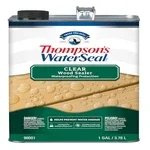 |
Thompson’s WaterSeal Clear Wood Sealer, 1 Gallon – $19.94 A clear, UV-rated sealer that adds a second layer of water protection to primed trim, thermally modified siding, or charred wood accents once they are installed.
|
UFP Industries: The Company Behind the Boards
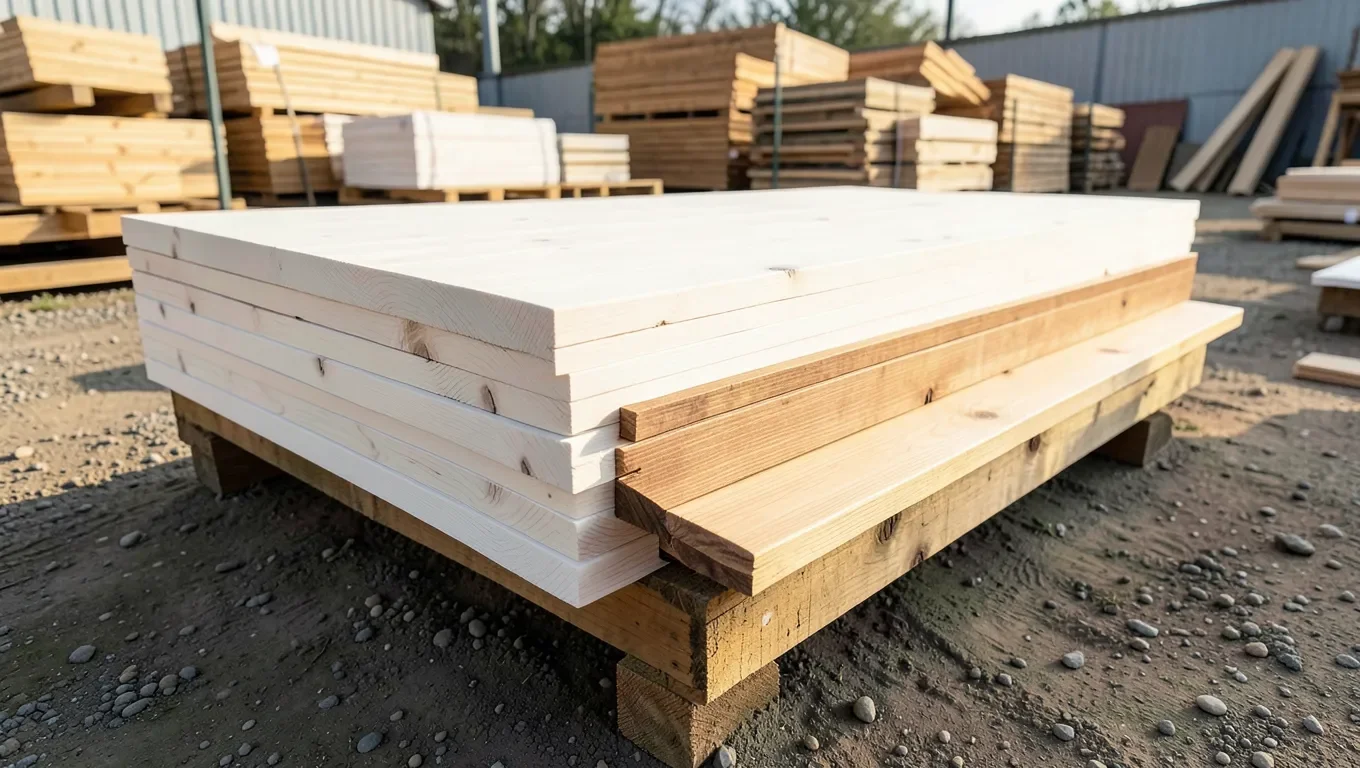
UFP Industries is one of the largest lumber pressure-treaters in the world, and it operates through three business segments that each serve a different customer:
- UFP Retail Solutions – supplies the boards, trim, and decking sold at Lowe’s and other home centers under the UFP-Edge and ProWood brands.
- UFP Construction – supplies framing lumber, roof trusses, and building components to homebuilders and contractors.
- UFP Industrial – makes wood packaging, crating, and pallets for manufacturers and shippers.
For a typical DIYer or homeowner, the Retail Solutions side is the one that matters – it is where UFP-Edge and ProWood come from.
UFP-Edge: The Line You’ll Actually See at Lowe’s
UFP-Edge is UFP Industries’ specialty retail wood brand, and it covers four main product families, each built from a different softwood and a different finishing process rather than one single “UFP wood” material:
- Premium Primed Trim – finger-jointed, knot-free radiata pine trim and fascia boards that come pre-primed for paint, aimed at exterior door casing, window trim, and fascia.
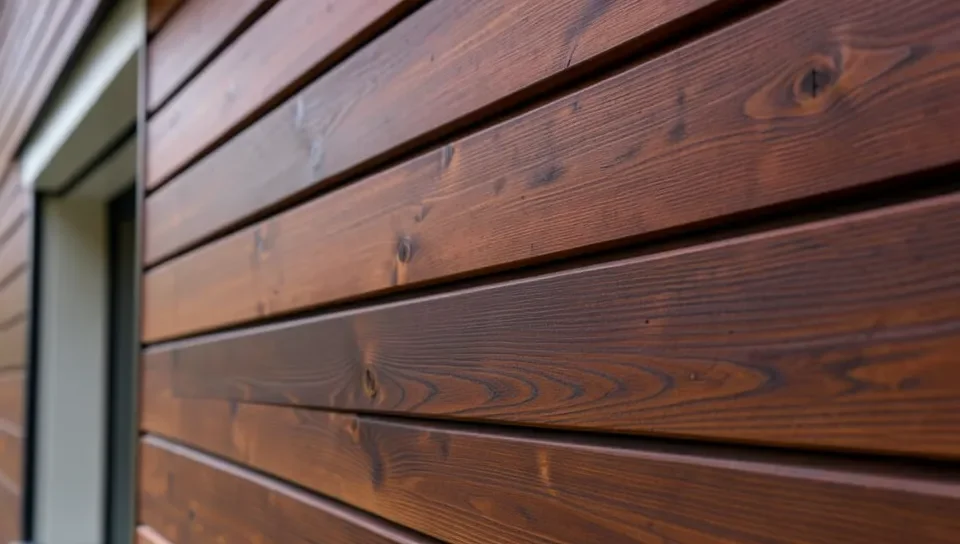
- Thermally Modified Wood – pine that is heat-treated (not chemically treated) to drive out sugars and moisture, which makes it more dimensionally stable and rot-resistant for siding, cladding, and ceilings.
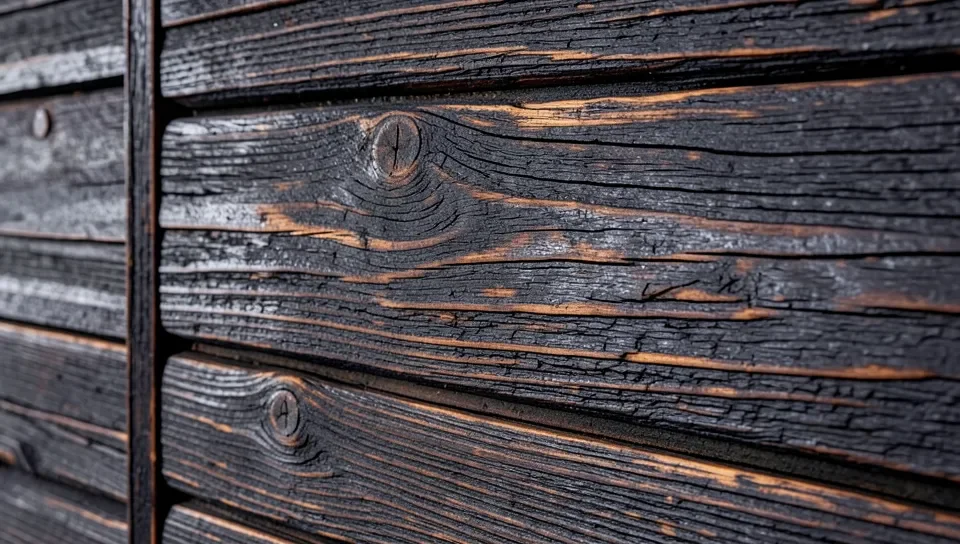
- Charred Wood – boards finished with a shou sugi ban-style burn to darken the surface and highlight the grain, sold as accent-wall planks and trim.
- Native Woods Shiplap – pine shiplap and tongue-and-groove boards left with natural knots and grain, sold raw or pre-stained for walls and ceilings.
None of these are exotic materials – they are all softwood (mostly pine) run through a specific mill process. The “UFP” name is doing the same job a “Kirkland Signature” label does at Costco: it tells you who manufactured the board, not what species or grade it is.
ProWood: UFP’s Pressure-Treated Lumber Brand
ProWood is UFP Industries’ longest-standing brand and its separate line of pressure-treated outdoor lumber – dimensional lumber, decking, and fence products treated with preservative and backed by a lifetime limited warranty against rot and termite damage. It also includes fire-retardant treated lumber for code-restricted framing applications. If a board is stamped “ProWood” rather than “UFP-Edge,” it has gone through a chemical pressure-treating process rather than the drying, priming, or charring processes used on the Edge line – the two brands solve different problems even though both come from the same parent company.
The Common Myth: What “UFP Wood” Is Not
A number of pages online claim UFP stands for things like “Ultra-Fine Particle Wood” or describe it as an engineered composite made from wood fibers and resin, similar to MDF or particleboard. That is incorrect. UFP-Edge and ProWood boards are solid-sawn softwood lumber – mostly pine, sometimes cedar – not a fiber-and-resin composite. The confusion likely comes from mixing up UFP with actual engineered wood products (like OSB or particleboard), which are unrelated materials made by different manufacturers. If a board is labeled UFP-Edge or ProWood, you are buying solid pine that has been primed, heat-treated, charred, or chemically pressure-treated – not a manufactured composite.
Is UFP Wood Good Quality? How It Compares to Plain Lumber
Because UFP-Edge products are graded and finished at the mill rather than picked board-by-board off a generic lumber rack, they tend to run more consistent than the cheapest bundled studs at a home center – finger-jointed primed trim, for instance, is built from shorter defect-free pine sections glued end-to-end specifically to avoid the knots and warping you would find in a single long board of the same grade. Thermally modified wood trades some flexibility for real gains in moisture stability, since the heating process permanently changes the wood’s cell structure rather than just coating the surface. That said, none of these are “better than wood” – they are still softwood, so they still need to be sealed, painted, or finished for long-term outdoor exposure just like any other pine or cedar board.
How to Choose the Right UFP Product for Your Project
- Painting exterior trim or door casing? Premium Primed Trim is built for this – it is already primed and finger-jointed to resist the warping that shows up around door and window casing over time.
- Adding exterior siding or cladding? Thermally modified wood resists cupping and rot better than raw pine siding, but still needs a UV-rated finish once it’s up.
- Building an accent wall? Charred wood or Native Woods shiplap give you a finished look without extra staining, though charred boards should be sealed to keep soot from transferring.
- Building a deck, fence, or anything touching the ground? Skip UFP-Edge and look for ProWood pressure-treated lumber instead – it is rated for ground contact and outdoor structural use in a way the Edge line is not.
Whichever line you use, an unfinished or freshly primed board still needs a real sealer before it goes outside permanently. A clear exterior wood sealer applied to primed trim or thermally modified siding after installation adds a second layer of water resistance on top of the mill treatment, which matters most at cut ends and fastener holes where the factory finish has been broken.
Where to Buy UFP-Edge and ProWood
UFP-Edge is sold as a Lowe’s house brand – every current UFP-Edge product line (Premium Primed Trim, Thermally Modified Wood, Charred Wood, and Native Woods shiplap) shows up under Lowe’s own siding, trim, and wall-plank departments rather than as a general national SKU carried everywhere. ProWood has broader distribution, since pressure-treated lumber is a commodity category carried by most home centers and lumberyards, though the specific brand stamp on the end of the board will vary by which pressure-treater supplies that particular store. If a project calls for a specific UFP-Edge finish – charred wood or thermally modified siding in particular – checking Lowe’s inventory or special-order options first will save a trip, since a generic home center or independent lumberyard is less likely to stock those two lines.
Frequently Asked Questions
What does UFP stand for on lumber?
UFP stands for Universal Forest Products, the original name of UFP Industries, a Grand Rapids, Michigan lumber company founded in 1955. The company renamed itself UFP Industries in 2020, and boards stamped “UFP” are simply telling you which manufacturer milled or treated that piece of lumber.
Is UFP-Edge wood a composite or real wood?
UFP-Edge is solid-sawn softwood, mostly pine, not a fiber-and-resin composite like MDF or particleboard. It comes primed, thermally modified, charred, or left natural, but in every case it starts as real lumber rather than an engineered composite.
What is the difference between UFP-Edge and ProWood?
UFP-Edge is a line of specialty finished wood – primed trim, thermally modified siding, charred accent boards, and shiplap – aimed mostly at above-ground trim, siding, and interior projects. ProWood is UFP Industries’ separate pressure-treated lumber brand, chemically treated for outdoor and ground-contact use like decks and fences, and backed by a lifetime limited warranty against rot and termites.
Do UFP-Edge boards need to be sealed or painted?
Yes. Premium Primed Trim needs a topcoat of exterior paint to be fully weatherproof, and thermally modified or charred wood should be treated with a UV-rated sealer once installed outdoors, since the mill process improves stability but does not replace a finish coat.
Conclusion
“UFP wood” is not a special material – it is a manufacturer’s name on ordinary pine and cedar boards. UFP Industries (formerly Universal Forest Products) sells that lumber under two retail brands: UFP-Edge for primed trim, thermally modified siding, charred accents, and shiplap, and ProWood for pressure-treated outdoor lumber. Match the brand to the job – Edge for trim, siding, and accent work, ProWood for anything touching the ground – and seal or paint the board once it’s installed, the same as you would with any other softwood.
Sponsored / affiliate links. As an Amazon Associate I earn from qualifying purchases. I may earn additional commission from eligible campaigns.