Kreg Screw Size for 1/2-Inch Plywood (Use 1-Inch, Not 1-1/4)
Use a 1-inch, coarse-thread Kreg screw for 1/2-inch plywood — not the 1-1/4-inch size many guides recommend. On a standard Kreg jig, joining two 1/2-inch boards means setting the guide to the 1/2-inch mark, which is calibrated for a 1-inch screw. Going longer risks the screw tip breaking through the face of the second board. This guide covers the full thickness-to-screw chart, why 1-1/4-inch is too long here, and how to set your jig correctly.
Kreg Screw Size Chart by Plywood Thickness
Best 1-Inch Pocket-Hole Screw Pick
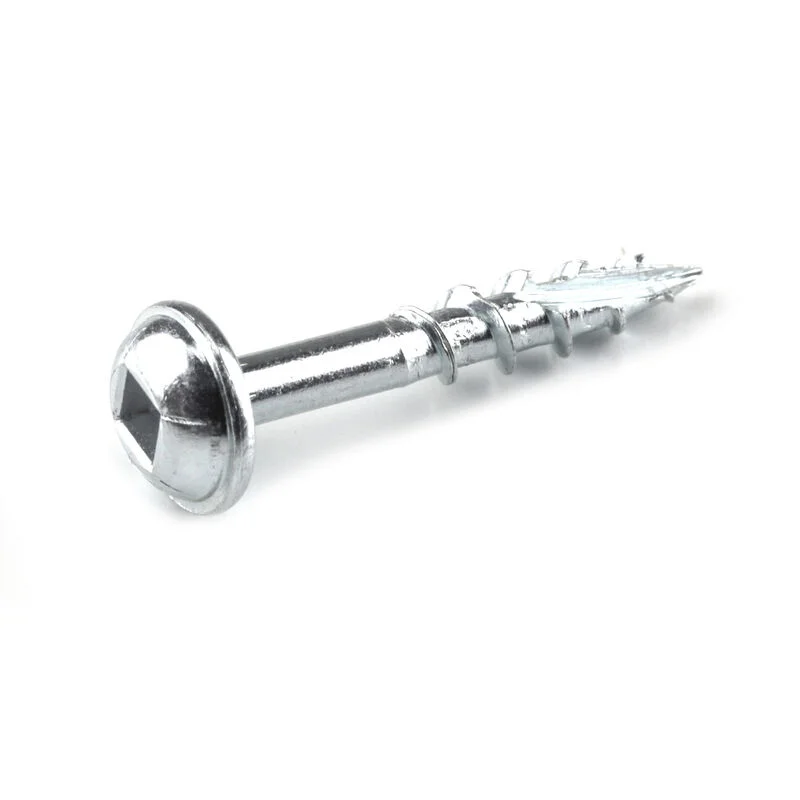 |
Kreg SML-C1-100 Zinc Pocket-Hole Screws, 1″ Coarse Thread (100-Count) – $8.99 This is the exact 1-inch, #8 coarse-thread, Maxi-Loc head screw the chart above calls for when joining two pieces of 1/2-inch plywood — sized correctly so it won’t break through the second board’s face.
|
Kreg’s own jig settings are built around actual material thickness, not a rounded-up guess. When you’re joining two pieces of the same thickness, use this chart:
| Plywood Thickness | Kreg Screw Length | Jig Setting |
|---|---|---|
| 1/4″ | 3/4″ | 1/4″ |
| 1/2″ | 1″ | 1/2″ |
| 5/8″ | 1″ | 5/8″ |
| 3/4″ | 1-1/4″ | 3/4″ |
| 1″ | 1-1/2″ | 1″ |
These lengths assume both boards in the joint are the same thickness. For the full chart covering every material combination, see our Kreg screw length guide. If you’re specifically working with 3/4-inch stock instead, see our Kreg screws for 3/4-inch plywood guide.
Why 1-1/4″ Screws Are Too Long for 1/2″ Plywood
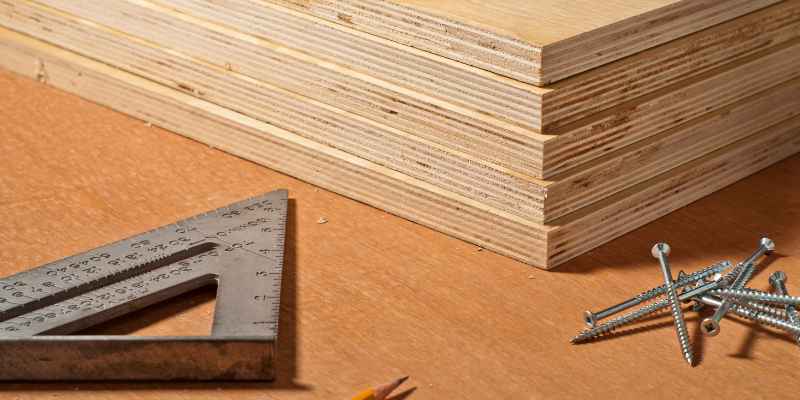
A pocket hole isn’t drilled straight in — it enters at roughly a 15-degree angle through the first board and exits into the second. That angle is exactly why screw length can’t just track material thickness in a straight line. A 1-1/4-inch screw is sized for 3/4-inch material, where the extra length travels through more wood before it runs out of thread. Drop that same screw into 1/2-inch plywood and the tip has noticeably less material to travel through before it reaches daylight on the far face — the most common failure being a screw point poking through near an edge or a thin veneer layer, which shows up as a small raised bump or a visible tip on the finished side.
1-inch is not a rounded-down compromise; it’s the length Kreg’s own jig setting is calibrated for at the 1/2-inch mark. Using the correct length also matters for the coarse-thread engagement described below — a screw that’s the right length keeps its threads seated in the denser inner plies instead of running out into the last, thinnest layer.
📊 Kreg’s jig setting for two 1/2-inch boards is the “1/2-inch” mark, which the manufacturer pairs specifically with a 1-inch screw — not a longer size. Source: Kreg Tool, Choosing the Correct Screw Length
Coarse Thread vs. Fine Thread for Plywood
Kreg sells the same screw lengths in two thread types, and picking the wrong one costs you holding strength even at the correct length.
- Coarse thread — wider gaps between threads, built to bite into softer material. Use this for plywood, MDF, particleboard, and softwoods like pine or fir.
- Fine thread — tighter thread spacing for dense material. Use this for hardwoods like oak, maple, or hickory, where coarse threads can split the grain along the joint.
Standard construction and cabinet-grade plywood almost always calls for coarse thread, regardless of thickness. Hardwood plywood with a veneer face (oak or maple ply) is the one case where fine thread gives a cleaner result.
How to Set Up Your Kreg Jig for 1/2″ Plywood
- Measure the actual thickness: Check both boards with calipers or a ruler — “1/2-inch” plywood often measures slightly under 1/2 inch. Use the measured number, not the nominal label.
- Set the drill guide: Move the jig’s drill guide to the 1/2-inch mark (or the closest measured setting) so the pocket hole depth matches your material.
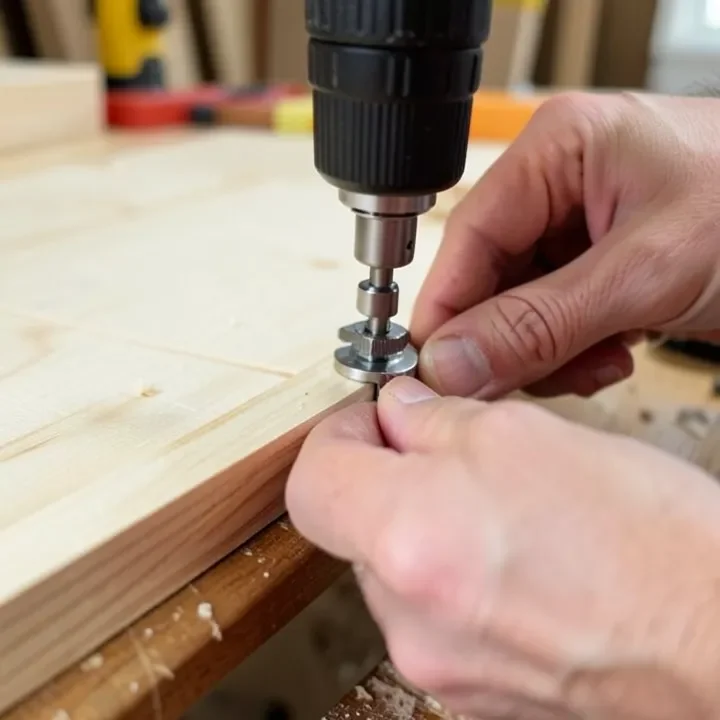
- Set the stop collar on the step-drill bit: Match the collar to the same setting so you don’t drill deeper than the jig requires.
- Clamp the board firmly: Secure the plywood in the jig’s clamp so it can’t shift while drilling — movement is what causes crooked or blown-out holes.
- Drill the pocket holes: Drill at a steady, moderate speed until the stop collar contacts the jig.
- Drive a 1-inch coarse-thread screw: Join the boards and drive the screw until the head seats snugly — stop as soon as it’s flush, since overdriving can strip the pocket hole in softer plywood.
Common Mistakes When Joining 1/2″ Plywood
Most joint failures in 1/2-inch plywood trace back to one of these four mistakes:
- Using a 1-1/4-inch screw “to be safe”: Longer isn’t stronger here — it’s what causes screw breakthrough, as explained above.
- Skipping the actual-thickness check: Cheaper plywood is frequently undersized, which throws off the jig setting even when you’ve picked the right screw length.
- Overtightening: Plywood’s outer veneer is thin. Driving the screw past flush can crack the face layer or strip the hole so it no longer grips.
- Misaligned clamping: If the board shifts while drilling, the pocket hole exits at the wrong angle, and the screw won’t line up with the second board’s center.
Frequently Asked Questions
What size Kreg screw for 1/2 plywood?
Use a 1-inch, coarse-thread Kreg pocket-hole screw for 1/2-inch plywood. On a Kreg jig, set the drill guide and stop collar to the 1/2-inch setting, which is calibrated specifically for a 1-inch screw — not 1-1/4 inch.
Can I use a 1-1/4-inch screw on 1/2-inch plywood instead?
No. A 1-1/4-inch screw is built for 3/4-inch material. On 1/2-inch plywood it travels too far through the pocket hole’s angle and commonly pokes through the front face of the second board, especially near an edge.
What thread type should I use for plywood?
Use coarse-thread Kreg screws for plywood, softwood, and MDF. Coarse threads bite harder into the softer layers of plywood’s core. Save fine-thread screws for dense hardwoods like oak or maple, where coarse threads can split the grain.
How many pocket-hole screws do I need per joint in 1/2-inch plywood?
For most furniture and cabinet joints, two screws per joint is standard. On wider boards (10 inches or more), add a third screw spaced evenly to prevent the joint from twisting under load.
Conclusion
For 1/2-inch plywood, the correct Kreg screw is 1 inch, coarse thread — set your jig to the 1/2-inch mark and let that setting do the work instead of sizing up “for extra grip.” A 1-1/4-inch screw belongs on 3/4-inch material, where the pocket hole’s angle gives it enough wood to travel through safely. Measure your actual plywood thickness, match it to the chart above, and the joint will hold without a screw tip poking through the far side.
Sponsored / affiliate links. As an Amazon Associate I earn from qualifying purchases. I may earn additional commission from eligible campaigns.