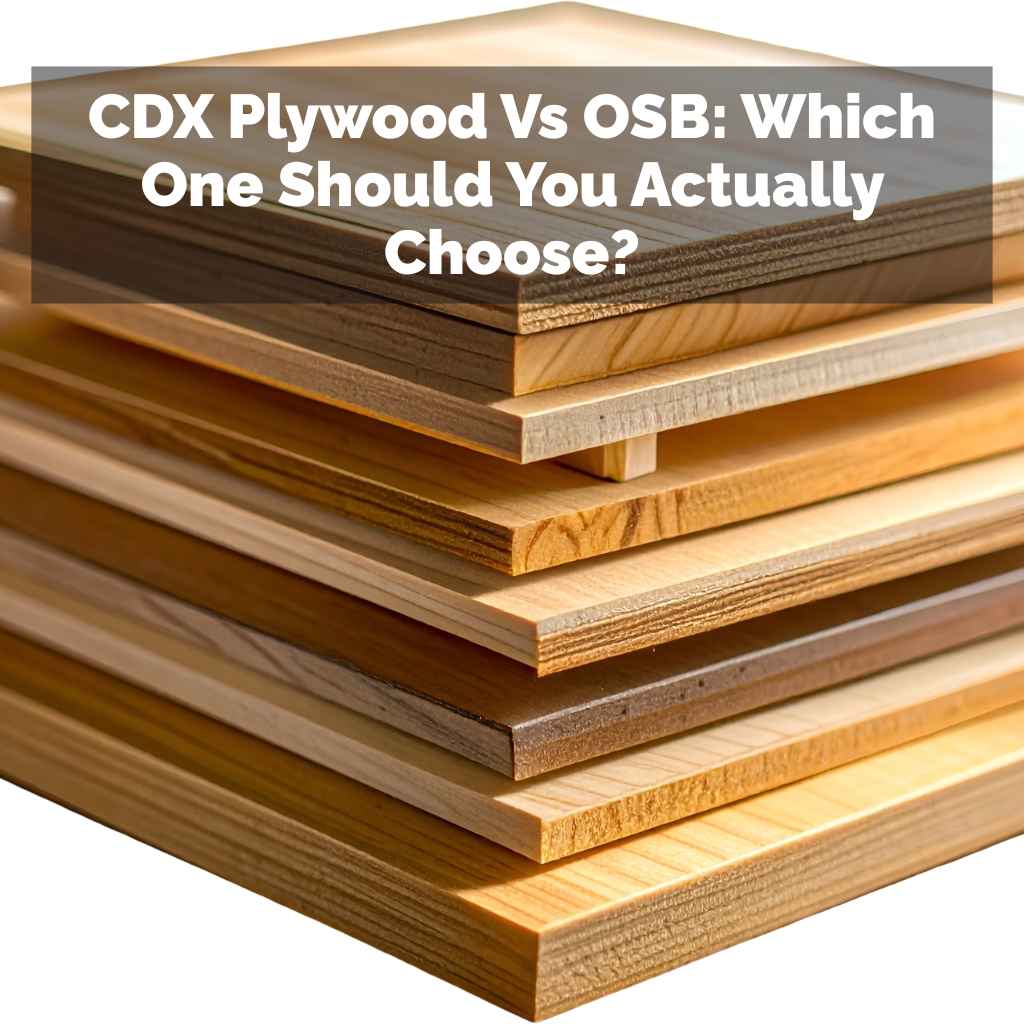
CDX Plywood Vs OSB: Which One Should You Actually Choose?
Choosing between CDX plywood and OSB often depends on your specific project needs. Plywood is generally stronger and more moisture-resistant. OSB is typically more cost-effective and offers good structural integrity for many uses. Understanding their unique properties guides the best choice.
Cut yourself in the shop? Read can super glue be used on cuts and the safe alternatives first.
Understanding CDX Plywood
CDX plywood is a common type of wood panel. The “CDX” tells you about its quality. ‘C’ and ‘D’ refer to the grade of the wood.
‘C’ means it has more knots and imperfections. ‘D’ means it has even more. The ‘X’ stands for exposure.
This means it can handle some moisture.
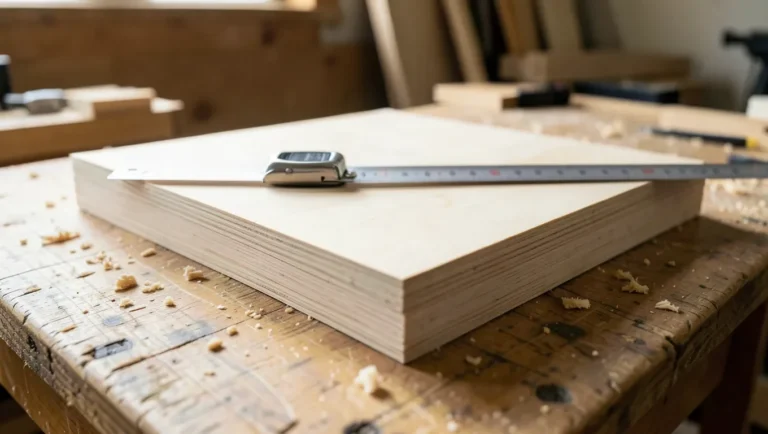
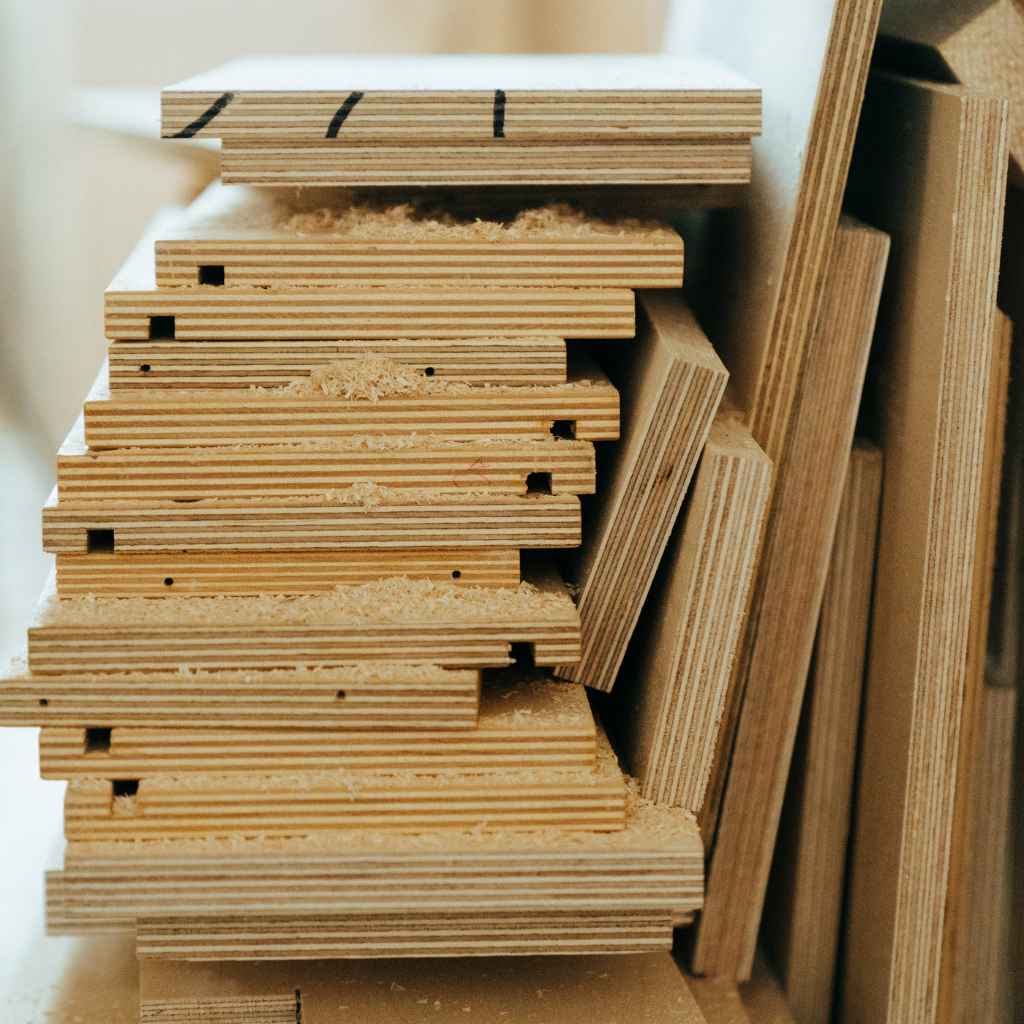
Plywood is made from thin layers of wood. These layers are glued together. The grain of each layer runs in a different direction.
This criss-cross pattern makes plywood very strong. It resists warping and splitting better than solid wood. CDX is often used for subflooring.
It’s also good for walls and roofing.
Think of it like building with tiny, strong planks. Each plank is glued tight. Then you stack them up with their grain going different ways.
This makes the whole sheet very stable. It doesn’t easily bend or break in weird ways. That’s why it’s a trusted material for many jobs.
Understanding OSB
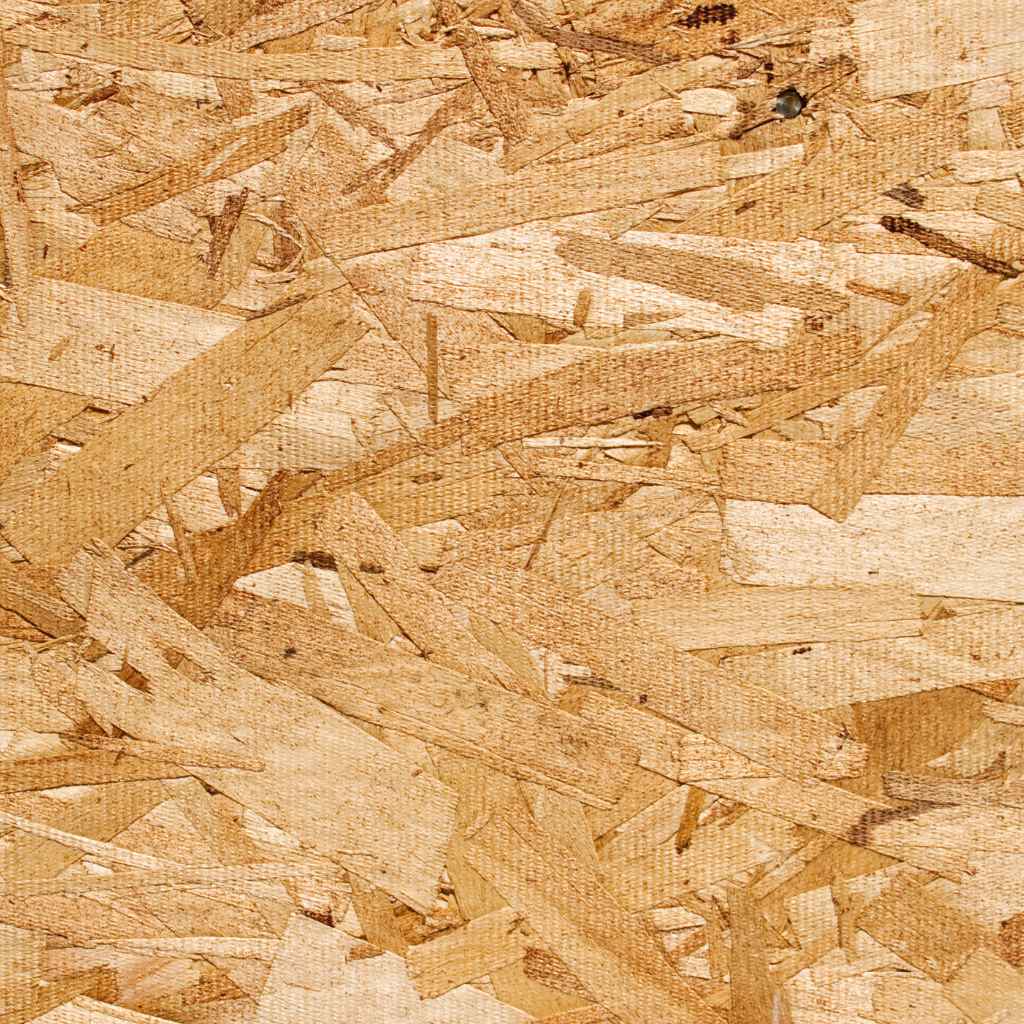
OSB stands for Oriented Strand Board. It’s made differently than plywood. OSB uses wood strands, not thin layers.
These strands are long and flat. They are mixed with resin and wax. Then, they are pressed together under heat and pressure.
The strands are oriented in specific directions.
This creates a strong, stable panel. The strands are laid in layers. The outer layers have strands going one way.
The inner layers have strands going the other way. This gives OSB strength. It’s also usually cheaper than plywood.
This makes it a budget-friendly choice.
See our full breakdown of cheap OSB pricing by thickness for exact per-sheet costs and where to find discounted sheets.
Imagine taking wood chips and making them flat. Then you mix them with glue. You press them all together.
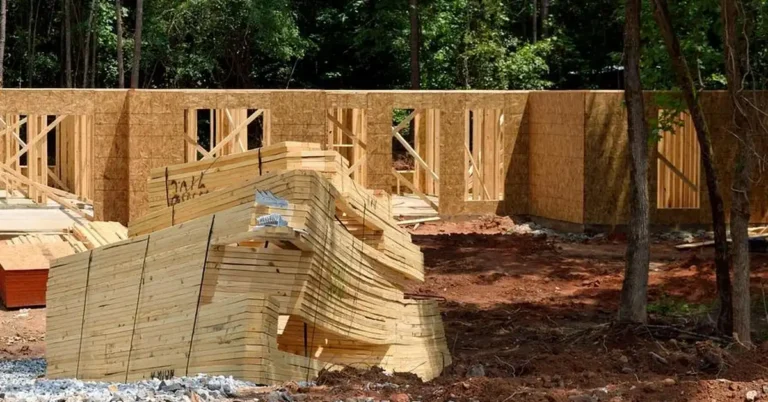
You make sure the wood pieces line up smartly. This makes a strong sheet that holds together well. OSB is also very common for subflooring and walls.
CDX Plywood vs. OSB: Key Differences
The main differences lie in how they are made and their performance. Plywood uses whole veneer sheets. OSB uses shredded wood strands.
This fundamental difference affects their strength, moisture resistance, and cost.
Plywood tends to be more consistent in its strength. Each sheet is made from glued layers. The wood grain direction is always alternating.
This makes it predictable. OSB’s strength comes from the way the strands are pressed. Its strength can be very good, but sometimes it can vary a bit.
Moisture is another big factor. CDX plywood has a slight edge here. Because it’s made from solid wood layers, it handles getting wet better for short periods.
OSB can swell more when it gets soaked. It takes longer to dry out. Both can be damaged by prolonged moisture exposure, though.
Cost is often a deciding factor. OSB is generally less expensive than plywood. This is because it uses smaller wood pieces and more efficient manufacturing processes.
For large projects, this cost saving can add up quickly.
CDX Plywood vs. OSB: At a Glance
Construction:
- Plywood: Thin layers (veneers) of wood glued together with alternating grain direction.
- OSB: Wood strands mixed with resin and wax, pressed together with oriented strands.
Strength:
- Plywood: Excellent strength, very stable, less prone to edge sagging.
- OSB: Very good strength, but can sometimes have more variation between panels.
Moisture Resistance:
- Plywood: Better resistance to brief moisture exposure.
- OSB: Can swell more with prolonged moisture, takes longer to dry.
Cost:
- Plywood: More expensive.
- OSB: More budget-friendly.
Common Uses:
- Plywood: Subflooring, walls, roofing, cabinets, furniture.
- OSB: Subflooring, walls, roofing, sheathing.
Pros and Cons of CDX Plywood
Let’s dive into what makes plywood a favorite for some. It has some clear advantages. It also has a few drawbacks to keep in mind.
Advantages of CDX Plywood
Strength and Stability: Plywood’s layered construction makes it incredibly strong. It resists bending and breaking. The alternating grain patterns mean it won’t easily split along one direction.
This is crucial for structural integrity.
Moisture Resistance: As mentioned, CDX is rated for exposure. It can handle occasional rain or humidity better than OSB. This is a big plus in many building environments.
It means less worry about damage during construction delays.
Edge Performance: The edges of plywood are generally more stable. They don’t fray or break down as easily when cut or nailed. This makes for tighter seams and a more finished look.
Fewer Imperfections: The ‘C’ and ‘D’ grades mean there are some knots and repairs. However, compared to the large wood strands in OSB, plywood often has a more uniform surface. This can be important for some finishing applications.
Disadvantages of CDX Plywood
Cost: Plywood is usually more expensive. This can be a significant factor, especially for large projects or when working on a tight budget.
Weight: Plywood sheets can be heavy. This can make them harder to handle and install, especially when working alone.
Durability of Grades: While CDX is good, higher grades of plywood are much more expensive. If you need a very smooth or strong panel for specific uses, you might have to step up to a higher, pricier grade.
Environmental Concerns: The production of plywood can sometimes involve more resources than OSB. However, this depends on the specific manufacturing practices.
Pros and Cons of OSB
OSB has become incredibly popular for good reasons. It offers great value. But like anything, it’s not perfect.
Here’s a look at its good and not-so-good points.
Advantages of OSB
Cost-Effectiveness: This is OSB’s biggest selling point. It’s typically cheaper than plywood. This makes it a smart choice for budget-conscious builders.
You get a lot of panel for your money.
Availability: OSB is widely available. You can find it at almost any lumber yard or home improvement store. It’s a standard building material.
Structural Performance: Despite being made of strands, OSB is very strong. When installed correctly, it provides excellent structural support for floors, walls, and roofs. Its engineered nature gives it good rigidity.
Uniformity: OSB panels are very uniform in thickness and density. There are no large voids or knots that can cause problems. The consistent nature makes installation easier in some ways.
Disadvantages of OSB
Moisture Sensitivity: OSB can absorb water more readily than plywood. If it gets wet and stays wet, it can swell significantly. This can cause it to warp or break down over time.
It needs good protection from the elements during construction.
Edge Swelling: The edges of OSB are particularly prone to swelling if they get wet. This can create uneven surfaces if not managed properly.
Not as Impact Resistant: While strong, OSB might not stand up to sharp impacts as well as plywood. A hard blow could potentially chip or damage the surface more easily.
Fraying: When cut, OSB can sometimes fray or shed small wood strands. This isn’t a structural issue but can be a minor annoyance during installation and finishing.
OSB Quick Scan: Key Features
- Composition: Strands of wood mixed with adhesive.
- Manufacturing: Heat and pressure press strands into panels.
- Strength: High structural strength due to dense strand arrangement.
- Cost: Generally lower than plywood.
- Moisture: More prone to swelling than plywood.
- Edges: Can be more susceptible to damage if wet.
- Surface: Uniform, but can fray when cut.
Personal Experience: The Subfloor Saga
I remember one project years ago. We were building a small addition. The budget was tight.
We had to choose between CDX plywood and OSB for the subfloor. I’d always used plywood for subflooring. It felt like the gold standard.
My dad always said, “Plywood for floors, son. It’s solid.”
But the lumber prices were high that year. The OSB was noticeably cheaper. My friend, who was also a builder, swore by it.
“It’s just as strong,” he said. “And you save a bundle.” I hesitated. My gut instinct was to go with plywood.
I worried about how it would hold up to foot traffic during construction. What if it rained before we put the roof on?
We ended up going with the OSB. The first few days were fine. It cut easily enough, though I noticed the fraying.
We laid it down quickly. It seemed solid underfoot. Then, a big storm rolled in.
It poured for three days straight. The site was a muddy mess. We couldn’t get the roof on fast enough.
After the rain stopped, I walked onto the subfloor. My heart sank a little. Some of the OSB edges had visibly swelled.
It wasn’t terrible, but it was there. It made the seams a bit uneven. We had to sand down those high spots.
It added extra work and a bit of stress I didn’t need.
In the end, the floor turned out fine. We put down the finished flooring, and you couldn’t tell. But that experience taught me a lot.
For subflooring, especially in places where weather can be unpredictable, plywood offers peace of mind. The extra cost felt worth it for that bit of extra protection. I learned that ‘cheaper’ isn’t always ‘better’ if it means more headaches later.
When to Use CDX Plywood
Given its strengths, CDX plywood shines in specific applications. It’s a reliable choice when you need a bit more resilience.
Subflooring in Wet Areas: If your project is in a region with high humidity or frequent rain, plywood is often preferred for subfloors. This includes basements, bathrooms, and kitchens. It offers better defense against accidental spills or leaks during the building phase.
Roof Sheathing in Exposed Areas: When the roof might be exposed to weather for an extended period before roofing materials are applied, plywood is a safer bet. Its better moisture resistance means it’s less likely to warp or weaken.
Wall Sheathing Where Durability is Key: For exterior walls, especially where the siding might be delayed, plywood provides a more robust barrier against the elements. It’s also good for walls that might experience more impact, like in garages.
When a Smoother Finish is Needed: Although CDX has some imperfections, it generally provides a smoother surface than OSB. If you’re applying thin finishes or certain types of siding, plywood might be easier to work with.
Cabinetry and Shelving: For DIY projects like building shelves or cabinets, plywood is often chosen for its strength and smooth surface. It holds screws well and doesn’t tend to warp over time.
Plywood Project Checklist
Ideal for:
- Subfloors in potentially damp areas
- Roof sheathing exposed to weather
- Exterior wall sheathing
- Projects needing a smoother surface
- Durable shelving and cabinetry
Consider if:
- Budget is less of a concern
- Moisture protection is a high priority
- You need excellent edge stability
When to Use OSB
OSB’s cost-effectiveness makes it a smart choice for many standard building applications. It offers great value when conditions are right.
Subflooring in Dry Conditions: If you are confident that the subfloor will be protected from significant moisture during construction, OSB is an excellent option. It’s strong and saves money.
Wall and Roof Sheathing (Protected Areas): When the roof structure will be completed quickly, or walls will be enclosed promptly with house wrap and siding, OSB is perfectly suitable. It provides the necessary structural support.
Cost-Sensitive Projects: For any project where budget is a major driver, OSB is the go-to material for sheathing and subflooring. It allows you to allocate funds elsewhere.
Manufactured Homes and Prefabs: OSB is widely used in factory-built homes. Its uniformity and cost make it ideal for mass production. This shows its reliability in controlled environments.
Temporary Structures: If you need a quick, strong surface for a temporary shed or workshop, OSB can be a good choice. It offers good performance without breaking the bank.
OSB Project Checklist
Ideal for:
- Subflooring in dry, controlled environments
- Roof and wall sheathing with prompt enclosure
- Budget-focused construction projects
- Manufactured and prefabricated structures
Consider if:
- Cost savings are a priority
- You can ensure good protection from moisture during construction
- You need a uniform panel thickness
Real-World Context and Scenarios
Let’s look at how these materials perform in actual homes and building sites. The environment plays a huge role.
Scenario 1: A New Home Build in the Pacific Northwest
The Pacific Northwest is known for its rain. If you’re building a new home here, moisture management is critical. For subflooring, using CDX plywood is a common and wise choice.
It offers that extra buffer against unexpected downpours during construction. Builders often go with plywood to avoid issues like swollen edges that can lead to callbacks.
For roof sheathing, it’s similar. If there’s a chance the roof will sit exposed for a few weeks, plywood is often specified. Once the house is dried in with tar paper and roofing material, OSB can be a very good option for both walls and roofs.
But that initial phase is key.
Scenario 2: Building a Shed in the Desert Southwest
In drier climates like the Southwest, the risk of prolonged moisture exposure is much lower. Here, OSB becomes a very attractive option for shed construction. It’s cost-effective and provides all the necessary structural strength for a small building.
For a shed, quick construction means the OSB likely won’t be exposed to damaging moisture for long.
A builder might use OSB for the floor, walls, and roof. The savings can be significant, especially for a DIY project. As long as the shed is reasonably well-built and waterproofed once done, the OSB will perform excellently.
The key is understanding the local climate and construction timeline.
Scenario 3: Remodeling a Kitchen
When remodeling a kitchen, you’re dealing with potential water sources: sinks, dishwashers, refrigerators with ice makers. If you’re replacing the subfloor in a kitchen, CDX plywood is often the preferred material. Why?
Because it offers better resistance to spills and leaks that are almost inevitable during a kitchen renovation.
Even after the new kitchen is installed, a leaky sink or dishwasher can cause damage. A plywood subfloor offers more resilience. While OSB could work, the risk of water damage in a high-moisture area like a kitchen often leads builders and homeowners to opt for plywood for that extra peace of mind.
What This Means for You
Understanding these differences helps you make smarter choices for your projects. It’s about matching the material to the job and the environment.
When It’s Normal to Choose Plywood
You should lean towards CDX plywood when:
- You need the highest level of moisture resistance possible for temporary exposure.
- Your project budget allows for a slightly higher material cost.
- You want the most stable edges for tight joints and a smooth finish.
- You are building in a consistently damp climate.
- The structural integrity needs to be absolutely top-notch, with minimal variation.
When It’s Normal to Choose OSB
OSB is a great choice when:
- Cost savings are a primary concern.
- You can ensure the material will be protected from prolonged moisture during construction.
- The project is in a drier climate.
- The primary goal is structural support and the finish is less critical.
- You are building structures that are quickly enclosed and waterproofed.
Simple Checks Before You Buy
Before you head to the lumber yard, do a quick check:
- Project Type: What are you building? A house? A shed? A cabinet?
- Location Climate: Is it generally wet or dry where you live?
- Construction Timeline: How long will the material be exposed before it’s protected?
- Budget: How much can you realistically spend on materials?
- Personal Experience: What have you used before that worked well?
These questions will guide your decision between CDX plywood and OSB.
Contrast Matrix: Plywood vs. OSB
| Feature | CDX Plywood | OSB |
|---|---|---|
| Construction | Thin wood layers glued | Wood strands glued |
| Strength | Very strong, consistent | Strong, can have variation |
| Moisture Handling | Better temporary resistance | Prone to swelling if prolonged |
| Cost | Higher | Lower |
| Edge Performance | More stable | Can swell, fray |
Quick Tips for Using Either Material
No matter which you choose, some best practices apply. These tips help you get the most out of your wood panels.
Proper Installation: Always follow manufacturer guidelines. Use the correct fasteners (nails or screws) and spacing. This ensures the material functions as designed.
Edge Sealing: For OSB, and even for CDX in damp areas, consider sealing the edges with a wood sealer or appropriate primer. This adds an extra layer of protection.
Ventilation: Ensure good ventilation during construction. This helps any material that might get slightly damp to dry out quickly.
Protect from Weather: Keep panels covered when not being installed. Tarps are your friend. Don’t let them sit out in the rain unprotected.
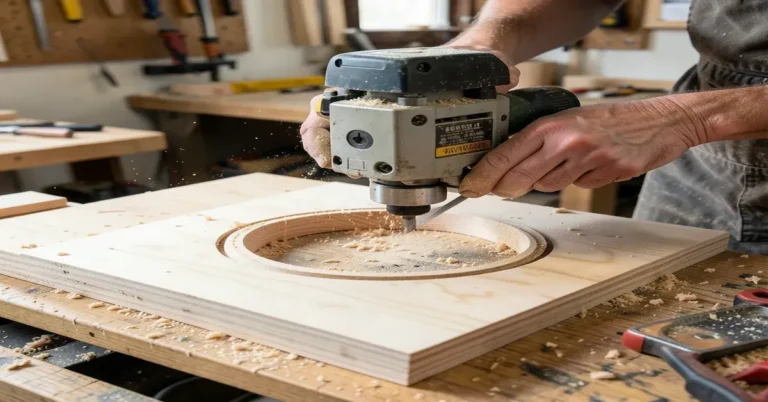
Cutting: Use sharp blades when cutting both plywood and OSB. For OSB, a good quality blade will minimize fraying. Always wear safety glasses and a mask when cutting wood products.
Acclimation: Allow wood panels to acclimate to the site conditions for a day or two before installation. This helps prevent movement.
Frequently Asked Questions
Is CDX plywood stronger than OSB?
Generally, CDX plywood offers more consistent strength and is less prone to warping due to its layered construction and alternating grain patterns. However, OSB is also very strong when installed correctly and can be comparable in structural integrity for many applications.
Can OSB be used for exterior siding?
OSB is not typically used as exterior siding directly. It’s a sheathing material. It needs to be covered by proper siding materials like vinyl, wood, or fiber cement.
OSB can swell if exposed to weather for too long.
How do I prevent OSB from swelling?
Prevent swelling by protecting OSB from moisture during construction with tarps or plastic sheeting. Once installed, ensure it’s promptly covered with house wrap and siding. Sealing the edges with a suitable product can also help.
Is plywood better for subfloors in humid climates?
Yes, CDX plywood is generally considered better for subfloors in humid climates due to its superior resistance to moisture absorption and swelling compared to OSB.
Can I use OSB for furniture?
While OSB can be used for simple, budget-friendly furniture projects, it’s not ideal for fine furniture. Plywood offers a smoother finish and better stability for most furniture applications. OSB can also fray and is more susceptible to moisture damage.
What does “CDX” mean on plywood?
“CDX” refers to the grade of the plywood. ‘C’ and ‘D’ are the face and back grades, indicating some knots and minor imperfections are present. ‘X’ means it’s rated for exposure to moisture, making it suitable for many exterior applications like sheathing.
Conclusion
Choosing between CDX plywood and OSB comes down to your project’s needs. Both are excellent building materials. Think about strength, moisture, and cost.
Your local climate matters too. Plywood offers more resilience in damp conditions. OSB provides great value where budget is key.
Make the choice that fits your situation best. If you’re specifically weighing RTD-stamped sheathing, see our RTD plywood outdoor use guide.
Sponsored / affiliate links. As an Amazon Associate I earn from qualifying purchases. I may earn additional commission from eligible campaigns.