What Wood Are Church Pews Made Of? (Solid Wood vs Veneer)
Church pews are most often made from red oak, white oak, maple, or cherry – but the real quality question isn’t the species, it’s whether the pew is solid wood or a veneer over particleboard. Particleboard pews squeak within a few years and can’t be refinished; solid wood ones last generations and can be sanded and refinished repeatedly. This guide covers the common species, how to spot solid wood versus veneer, and how to care for what you already have.
Introduction To Church Pew Materials
Best Wood Pew Care Pick
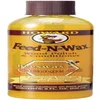
Howard Feed-N-Wax Wood Polish & Conditioner, 8oz – $6.45
A beeswax and orange oil conditioner that feeds dry wood fibers, not just a surface shine – the maintenance step covered below that keeps solid oak and cherry pews from drying, cracking, or fading.
- Best for: conditioning solid wood pews, altars, and trim between deeper refinishing
- Why we picked it: beeswax and carnauba wax condition the wood instead of just coating it, unlike silicone-based sprays
- Main drawback: not a fix for veneer damage – it’s for solid wood surfaces only
As an Amazon Associate we earn from qualifying purchases.
Wood remains the standard material for church pews because of its warmth, durability, and the way it ages rather than simply wearing out. Manufacturers commonly build pew bench ends and frames from red oak, white oak, maple, cherry, walnut, birch, sapele mahogany, or European beech.
| Type Of Wood | Characteristics |
|---|---|
| Red Oak | Industry-standard choice – strong, prominent grain, takes stain evenly |
| White Oak | Denser and more rot-resistant than red oak, tighter grain |
| Maple | Light color, smooth, subtle grain |
| Cherry | Reddish-brown tone that deepens with age and light exposure |
Whichever species a church chooses, the pews are a decades-long investment – which is exactly why a wood polish and conditioner belongs on every maintenance schedule, not just an occasional touch-up.
Common Types Of Wood Used In Church Pews
Oak is the most common choice for church pews, prized for its strength and classic grain pattern. It’s durable enough to handle decades of daily use without structural failure.
Pine is a budget-friendly option, lighter and easier to work than oak, though softer and more prone to dents and scratches over time.
Sapele mahogany offers a rich, reddish-brown tone and is increasingly used as a more available substitute for genuine mahogany. It resists warping well in temperature-controlled sanctuaries.
Cherry ages beautifully, deepening in color under UV exposure – a real consideration in sanctuaries with large stained-glass windows.
Geographical Variations In Wood Selection
Wood choice for church pews often follows what’s regionally abundant and traditional. European churches historically favored oak and walnut, both dense, long-lasting hardwoods available locally.
In North America, red oak and cherry dominate because both are domestically farmed and cost less to source than imported species. Tropical regions favor mahogany and teak for their natural resistance to humidity and insects – the same properties that make teak popular for outdoor furniture.
The Art Of Crafting Church Pews
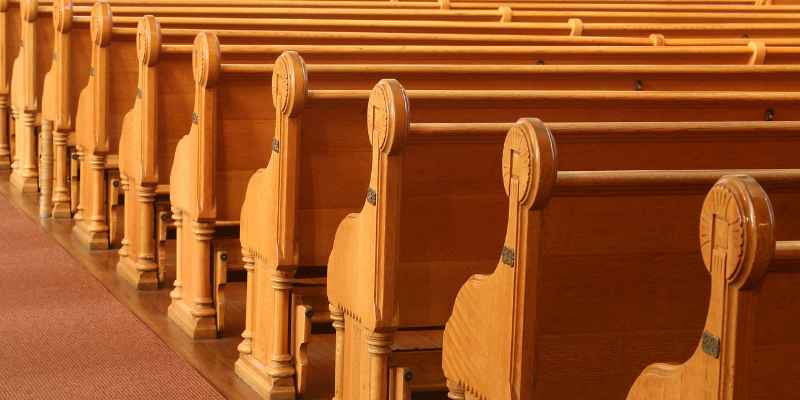
The single biggest quality distinction in pew construction isn’t the species – it’s whether the pew is solid wood or a veneer glued over particleboard. Particleboard doesn’t hold screws as well as solid lumber, and it’s the reason older pews start to squeak and wobble when people stand or sit.
Traditional joinery – dovetail and mortise-and-tenon joints – is still used by dedicated church furniture manufacturers for the load-bearing frame, even when modern CNC machining handles the decorative end-panel carving. The joinery method matters more for longevity than the wood species does.
Wood Finishes And Preservation
The finish protects the wood underneath and determines how the pews age. Oil, varnish, and lacquer are the three most common options, each trading off differently between appearance, durability, and how easy the finish is to touch up later.
📊 A pew that squeaks when weight shifts on it is almost always particleboard under veneer, not solid wood – solid lumber holds screws and joints far more securely over decades of use. Source: Church Interiors, “Church Pews, Solid Oak & Maple Pews”
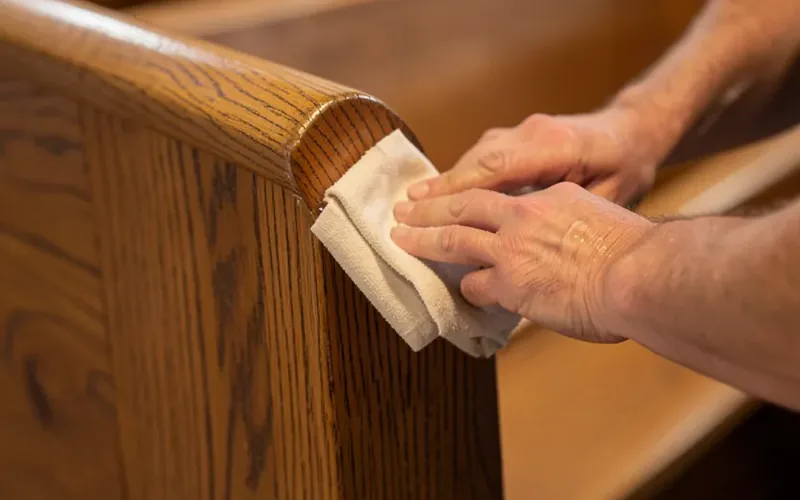
- Dust regularly with a soft cloth – buildup traps moisture against the finish.
- Use a wood-safe polish and conditioner (see the pick above) rather than an all-purpose furniture spray.
- Keep pews out of direct, prolonged sunlight to slow fading and prevent warping.
- Maintain stable indoor humidity – wide swings cause solid wood to expand, contract, and eventually crack.
The Role Of Wood In Church Architecture
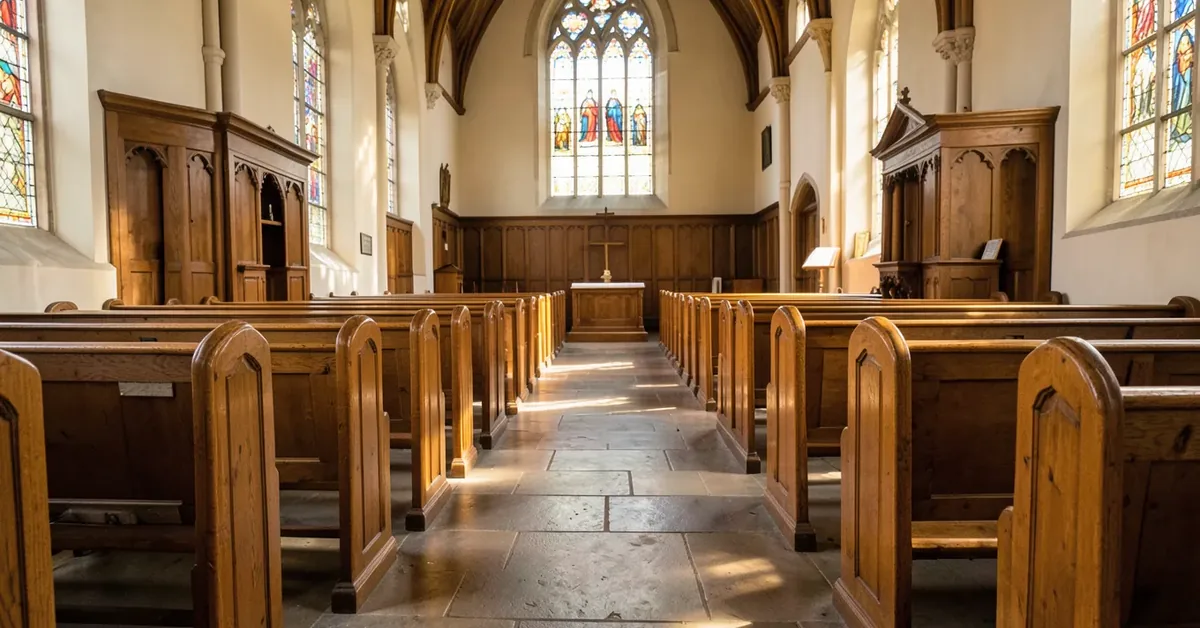
Wood tone directly shapes a sanctuary’s atmosphere. Warm oak and cherry tones complement stone and stained glass rather than competing with them, which is part of why hardwood remains the default choice even as budgets and materials evolve.
Carved end panels and detailing on pews aren’t purely decorative – they historically also served to identify family or donor-sponsored pews in older churches, a practice still visible in many historic buildings today.
Contemporary Trends In Church Pew Design
Newer worship spaces increasingly mix wood with metal frames, upholstered seats, and modular chairs instead of fixed pews, largely to support flexible seating for concerts, conferences, and multi-use events. Solid wood pews remain the standard in traditional and historic sanctuaries, where matching existing architecture matters more than flexibility.
The Future Of Church Pews
Reclaimed wood and FSC-certified lumber are becoming more common as congregations weigh sustainability alongside tradition. Flexible seating – chairs that can be rearranged or removed – is also gaining ground for churches that host non-worship events during the week.
Church furniture manufacturers consistently note that particleboard-and-veneer pews cost less upfront but rarely last as long or refinish as well as solid hardwood construction – a distinction worth checking before a congregation commits to a large pew order.
Frequently Asked Questions
What Types Of Wood Are Commonly Used For Church Pews?
Church pews are most often made from red oak, white oak, maple, and cherry, chosen for durability and grain appearance. Walnut, birch, and sapele mahogany also appear on higher-end or custom pews.
Why Is Hardwood Preferred For Church Pews?
Hardwood withstands decades of daily use and can be sanded and refinished multiple times as the surface wears, unlike particleboard or softwood, which wear out and can’t be meaningfully restored.
How Can I Tell If Pews Are Solid Wood Or Veneer?
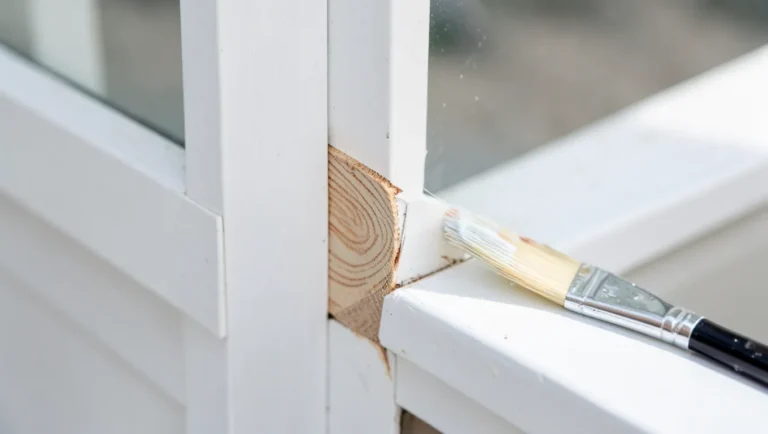
Check for squeaking or flex when weight shifts – that’s a strong sign of particleboard under a veneer layer. You can also examine an edge or underside where the surface has chipped; solid wood shows consistent grain all the way through, while veneer reveals a different material underneath.
Can Church Pews Be Customized In Terms Of Wood Type?
Yes. Most church furniture manufacturers offer a selection of wood species and stain colors to match a sanctuary’s existing architecture, and custom end-panel carving is common on larger orders.
Conclusion
Red oak, white oak, maple, and cherry cover most church pews you’ll encounter, but the species matters less than whether the pew is solid wood or veneer over particleboard. Solid wood costs more upfront and rewards that cost with decades of use and the option to refinish rather than replace.
Sponsored / affiliate links. As an Amazon Associate I earn from qualifying purchases. I may earn additional commission from eligible campaigns.