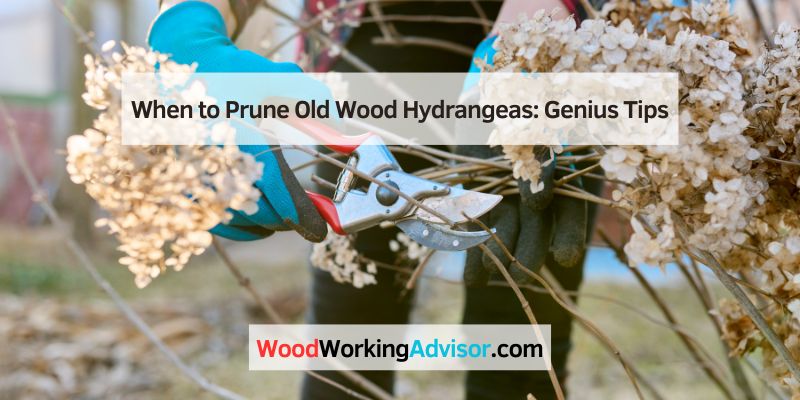
When to Prune Old Wood Hydrangeas: Genius Tips
You need to prune old wood hydrangeas in late summer or early fall, or in early spring AFTER the danger of frost has passed. This approach ensures you don’t accidentally cut off the all-important flower buds that form on last year’s growth during winter. Proper timing supports healthy plant structure and abundant blooms next season with simple techniques explained below.
Hello, fellow garden enthusiasts and DIY amigos! Md Meraj here, ready to talk about something near and dear to my heart, but perhaps a source of occasional panic in your garden: Hydrangeas.
Specifically, we’re diving into the wonderful world of hydrangeas that bloom on old wood after consulting numerous reliable garden guides. We all love their big, beautiful blooms, right? But when it comes to pruning these beauties, many of us wonder: `when to prune hydrangeas that bloom on old wood`. It’s a common question, and for good reason. This type of hydrangea gracefully displays flowers year after year — but only if we don’t snip off the bloom-producing branches at the wrong time!
If you’ve ever held your pruning shears with confusion, worrying about cutting off a season’s worth of color, you’re in solid company. The good news? It doesn’t have to be a mystery! Following a simple guideline and understanding a few key signs will give you the confidence to trim your plants like a seasoned pro.
By the end of this guide, you’ll know exactly when to prune these special hydrangeas and a bit about why. Get ready to banish your pruning apprehension and prepare for lush, glorious blooms. Let’s get our hands (and heads!) into it!
Deciphering Your Hydrangea Growth: Old Wood vs. New Wood Bloomers
Gardening is all about observation, isn’t it? One of the greatest successes is identifying your plants and what they love. When it comes to blueberries, figs, and some beloved raspberries, we know they all benefit from unique watering schedule, just like specific pruning can make all the difference for hydrangeas.
Before we even think about nipping a single stem, it’s crucial to know what kind of hydrangea you have – particularly whether it blooms on old wood or new wood (or both!). Flowers are the big clue!
- Old Wood Bloomers: These types form their flower buds on the stems from the previous year’s growth. You’ll usually see these tiny buds nestled at the base of the leaves along the sides of the stems, often visible by late summer or fall. Think of classic Hydrangea macrophylla (Bigleaf Hydrangeas, like Mopheads and Lacecaps) and Hydrangea serrata. Getting this wrong can mean swapping a bloom-filled spring for a sadly un-flowered one.
- New Wood Bloomers: Hydrangeas like Hydrangea paniculata (Panicle Hydrangeas, e.g., ‘Grandiflora’, all the ‘Limelight’’ types) and Hydrangea arborescens (Smooth Hydrangeas, e.g., the famous ‘Annabelle’) create their blooms on the current season’s growth. This makes them a bit more forgiving when it comes to timing, but old wood bloomers have timing requirements that protect future flowers.
For our purposes today, when we talk nesting buds protectively and worrying about the calendar, we are absolutely discussing the old wood bloomers. Our goal is simple: conserve, rather than remove, those precious potential flowers.
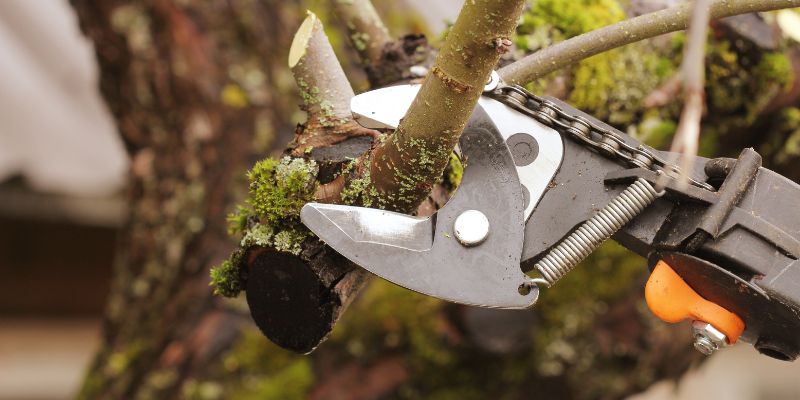
The Grand Reveal: When to Prune Old Wood Hydrangeas
This is the golden question! Timing is EVERYTHING for these plants. Mess it up, and you might stare at beautiful foliage but no big, bouncy blooms filling your garden throughout summer. Let’s lock in when to prune your “eat your vegetables first” blooms so you can enjoy your “garden cake and eat it too”!
Generally speaking, you’ll find two key windows:
- Late Summer to Early Fall: This is prime territory! After the main flush of flowers has faded (you’ll notice it – they’ll start to brown and look dried out), and before the serious chill of winter sets in, is an ideal time for a careful tidy-up.
- Early Spring (After Frost!): The second fantastic window is after your last expected frostdate has come and gone. Think March or April in many cooler climates. This is when you can clearly see any winter damage and can remove clearly dead or damaged wood from the previous year.
Let’s unpack these timings and what “pruning” actually means for these plants.
1. The “Tuck Them In for Winter” Prune: Late Summer/Early Fall
This prune is more about tidiness and encouraging good habit than anything else.
- Why it is great: The plant has already done its part for the season. Flowers are past their peak; it’s the perfect moment to address your plant’s shape, remove spent blooms for a tidy look, and encourage energy to be directed towards establishing strong stems for next year’s flowers.
- What Blooms Support: You will see small buds already developing on the existing stems. Think of them tightly held tight. This type of shaping keeps the architecture of the plant focused and tidy as summer winds down.
- What to do: Trim off the spent flower panicles right down to the first set of healthy, large leaves. Cut back any small, spindly growth that’s not likely to mature into supportive wood strong enough to carry big flowers or is simply in the way. Dead or diseased branches should always be removed whenever you see them. Keep these cuts clean and do not cut anywhere near to sleeping big buds for the upcoming winter’s display! For plants damaged from severe winds or hail, remove those compromised blooms. This keeps the show tidy.
2. The “Wake Up Call Before Spring Explosion” Prune: Early Spring Bloomers
This method gets you the clear picture after winter shows what has survived, so it’s easier to see brown and decide which to prune in anticipation of fresh, fast growth.
- Why it is important: Winter can be tough. Cold snaps, frost, and even lack of snow cover can damage outwardly appearing good wood that is actually dead. Pruning in early spring lets you remove branches that simply did not survive the winter. This helps the plant allocate its energy to the parts that are still alive and healthy, promising lovely blossoms.
- When to trim Hydrangetas that bloom upon mature wood: A good benchmark is to wait after you are certainly clear of any spring frosts typically. For most people, this falls anytime from MARCH to APRIL. Look closely at your stems for green growth, which signals they are still “live.”
- What to do: Use clean shears! Cut back any stems that are a sickly brown or black color and snap them in the wind – this generally relates to stem rot – whereas healthy stems are somewhat pliable when pinched against damage. Make cuts just above a healthy, outward-facing leaf bud. This encourages outward growth and promotes better air circulation within the plant’s structure. Removal of these bad parts is done to strengthen overall form; it would not directly hinder next bloom’s potential to appear if you do it correctly via pruning only dead stems or too weak ones you have too MANY of, at opportune timing which is very important.
The “What NOT to Do” List: Pruning Mistakes to Avoid
As a woodworker and a garden fan, I am a proponent of keeping things simple and effective. Here are quick tips. Our absolute biggest boo-boo with old wood bloomers:
- Incorrect Timing: Pruning in late spring or early summer when buds are actively swelling or already developing could remove those crucial flower buds. This is the #1 mistake most often made.
- Over-pruning: Less IS more! Hydranceas grown on wood remember, mean all growth occurs alongside existing wood. Removing all or too much, means removing previous future from show’s beauty. You’re not pruning a shrubby fruit tree right before sprouting fruit!! Follow these directions AND my guidance closely.
- Using Dull Tools: While this applies to all crafting, be extra mindful here. As stated on Oregon State University Gardens Resource, dull tools compress stems, creating ragged edges that are inviting to disease, whereas sharp shears slice cleanly and prompt healing to start quickly.
- Cutting Right Back to the Ground each Year: Unlike hydrangea that produce flowers from current wood (which often benefit from a hard cut-back), old wood hydrangeas might not flower much if you cut them back severely or eliminate everything year after year (unless you know for SURE the specie can and will recover bloom on fresh growth which is often hard to track!!) Follow these suggestions.
How-To” Prune Your Old Wood Hydrangea: Simple Steps
Let’s get practical! Grab your tools. Imagine you’re carefully trimming a piece of delicate furniture, planning each cut to enhance the form. Safety first, always!
Gather Your Sturdy Tools
You don’t need anything fancy, just what’s reliable. Good pruners do the vast bulk effort best!
- Hand Pruners: Bypass pruners are best for clean cuts on stems up to about ¾ inch thick. This will handle most tendrils you’ll reach.
- Loppers: For larger, older branches, up to 1 ½ inches thick.
- Pruning Saw: Only for really mature, thick older stalks that are too substantial for loppers. Think of it as the finer shaping tool from an experienced craftsman. Always use with awareness especially along these garden crafts.
All tools should be cleaned with rubbing alcohol to prevent spreading of disease, before and after pruning.
Step-by-Step Pruning Guide
Alright, let’s make those plants happy!
A. Identify Growth: Looking close, check each major woody stem. Can you see small, plump buds clustered near the base of existing leaves and branches on last spring’s growth? Or are you only seeing new green fuzzy shoots at branch tips? For our species we are reviewing THIS YEAR we NEED them along all older lengths of twig! These are your FUTURE FLOWERS! Make SURE that your flowers have been grown in the previous calendar year…
If yes, it’s likely your hydrangea produces flowers on old wood, so your task is very cautious pruning, focused on maintenance and refinement rather than drastic rejuvenation.
B. Inspect for Distress: Walk around your hydrangea. Are any branches genuinely dead—brittle, greyish or black, with no sign of green when scratched lightly with a fingernail or the side of your pruner, even a month or longer into the growing seasons. Are any clearly broken, diseased, or rubbing together? Trim away these troubled spots; this is never mistimed. Ensure your cuts are just above plump outward-facing leaf buds.
C. Address Spent Blooms: Past blooms you can trim are lovely, brown blooms dried out and are a faded color of autumn leaves. Cut off the entire flower head right above the first set of healthy, green leaves located at the stem closest above. It redirects the plant’s intent into root as well because every leaf photosynthesizes sunlight into sustenance.
D. Thin Out Thinned Growth: Looking closely for underdeveloped, skinny, wispy stems you can generally spot emerging from base toward mid-morning… trim those completely back to the ground surface. They are unlikely produce substantial bloom structures adequate to justify the energy cost to run them properly during winter snow for your plants, when done correctly, plus could hinder vigorous upright vigor.
E. Shape Responsibly: If your plant looks leggy or overgrown, you can reduce the height of several older, dominant stems. Make these cuts just above an outward-facing leaf bud, usually where the stem is thicker than half an inch for best success. This encourages bushier, fuller growth from lateral buds outward.
F. Final Tidy: Remove any small offshoots growing from inside the main structure of this bush and any foliage debris collected around the base during your shaping activity. Cleanup ensures good sanitation.
Pruning Examples for Old Wood Hydrangeas
Let’s see what the result of your excellent work should look like and highlight the success criteria with specific kinds:
| Hydrangea Bloom Timing Indicator | Action Needed if Blooming on Old Wood | When Best to Action This |
|---|---|---|
| Flower buds visible low on this year of growth or previous season’s growth upon stem at end of summer/ autumnal conditions. | Avoid mid-winter shearing! Prune spent blooms, spindly pieces, whole dead sections (broken, cold-damaged) soon by summer’s end. Or wait until true frost disappears to remove branches showing true death or damage. | Late summer to early fall OR Truly early spring, post-hard-frost danger. |
| Delicately shaped blossoms from year prior remain connected to larger pieces below. | As above for prior season blooms. Check often: a touch of cold with severe dehydration means loss at the limb. Hydrangeas often develop fine buds there on old stem! To ensure a grand show, don NOT take too many old stems in summer with regard to these older plants; be careful! | After the main bloomer season is past and it feels right — before freezing temps are certain next season, or when checking it when spring’s thawed from ground! What type of branch are you now pruning will determine exact timing to optimize. |
It’s crucial to confirm identification, which many trusted garden sites explain in great factual descriptions. University extensions, for example, from places like the University of California Agriculture AND Natural Resources (UC ANR) is outstanding resource for plant pest research in different regions of the nation along with expert guides!
Recognizing and Dealing with Winter Damage
Even if you prune at the latest beneficial point last summer, winter weather is always something of a surprise card when growing any woody plants. Harsh winters might lead to disappointment:
- Dormant Dehydration: Some areas experience periods of frost AND extreme arid from the sky. This will kill out the most tender parts off on an otherwise stable shrub, whether it’s hydrangeas or nearly trees needing good hydration plan well from onset to prevent such issues impacting flowers.
- Frosted Flower Buds: Even without branch dieback, flower buds on older wood can be killed by a sharp, late spring frost after* they’ve started to swell. This is why late winter pruning is preferred!{‘ ‘}
- Mechanical Damage: Heavy snow-fall, icy winds, falling branches, or wildlife nibbling might fracture older branches.
This is precisely why the early spring check-up is so invaluable! By then, you can see clearly which growth is dead (snaps cleanly) and which has survived (bends and looks fresh) without guesswork. Then it is safe to cleanly shear off winter damage back to nearest a visible healthy point.
A Word on Rejuvenation Pruning for Older Shrubs
If you have a very old, overgrown hydrangea that hasn’t bloomed properly in years, it might need a more severe “rejuvenation” pruning. However, this kind needs patience because you need to spread the pruning over a few years!
The “Three-Year Plan”: Gradual Renewal
- Year 1: In early spring, just AFTER frost threat disappears, remove about one-third of the very oldest, thickest, woodiest stems, cutting them all the way back to the soil surface. Focus the remainder of your work on that clean up described.
- Year 2: In the next spring, again after the frost threat is gone, remove another third of the oldest available woody stems. Work within current flower maintenance tips you found earlier for continuing growth!
- Year 3: In the third and final spring, cut out the last of the oldest, thickest wood from prior year’s plan. By this method, ensure that you are not affecting what year it blooms.
This gradual approach prevents shock and encourages consistent, while new growth sprouts from the base for the plant throughout its recovery method. This keeps the plant healthy while also ensuring you still get blooms every year during this regeneration strategy while preserving strong root health by distributing stress! Some guides such as those on the University of Florida IFAS Extension, stress an immense amount of watering when dealing with plants recovering after extreme pruning and stress, more like some garden work that requires careful maintenance of soil.
With patience and consistent, well-timed steps as shown this process offers remarkable comeback blooms to the plants.
How Pruning Your Roses Differs (For Quick Comparison!)
It’s helpful to mention by illustration that not ALL blooming plants follow the hydrangea’s old-wood-toering regimen. My best friend, Joe—he’s incredible too—mentions his roses a week past Mother’s Day!
For example, certain Hydrangeas like those that create flowers upon recently produced leaf material instead of those that appear off established prior WOOD, like say, ‘Pinky Winky‘ for Panicle Hydrangea, will benefit strongly by being sheared further at that annual time from its prior growing region. Then its flowers that open later next spring will start forming by MAY. This means you cut out ALL potential for buds of the season IF you prune during spring’s thaw.
Fertilizing Old Wood Hydrangeas After Pruning
Pruning often goes hand-in-hand along fresh growth, for plant stimulation. Properly pruned old wood hydrangeas generally look ready for a boost.</p
- When to fertilize: The best time to feed your plant is about two weeks AFTER your pruning has been done in early spring. This allows the plant to respond effectively to the nutrients as New foliage begin expanding into plant life.
- What fertilizer to use: Go for a balanced, slow-release fertilizer. Something granular with a ratio like 10-10-10 (Nitrogen-Phosphorus-Potassium) is usually suitable for most hydrangeas on woody material.
- How to apply: Sprinkle the fertilizer around the base of the plant, in a band starting a few inches from the main stem out towards the drip line. Water the area really is effective application
Remember, these plants are heavy feeders, especially after being refreshed, BUT more is NOT always bett They’ll utilize the food efficiently. Healthy roots ensure spectacular flower bud formulation!
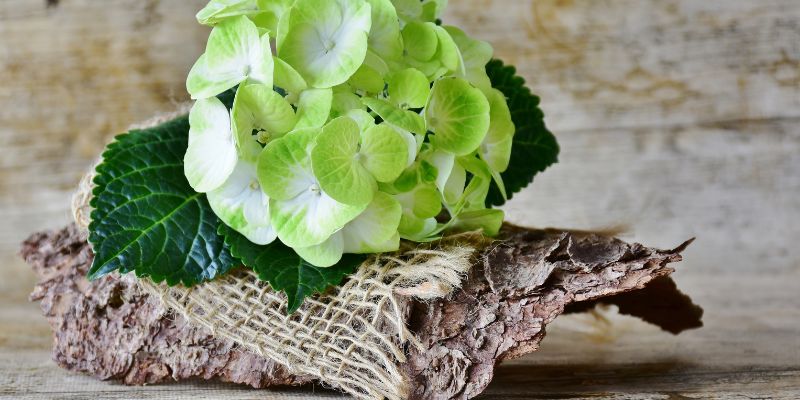
Conclusion: Confident Shears Mean Beautiful Blooms
As the aroma of sawdust fills my shop, the scent of our thriving hydrangeas fills gardens nationwide! I hope these instructions have transformed any apprehension you might’ve had about when to prune hydrangeas that bloom on old wood into true confidence.
By remembering the two crucial windows – late summer/early fall for a light tidy-up of spent flowers and branch thinning, and again in very earliest spring after seeing actual evidence of winter death or damage — you can protect those precious flower buds. Keep your blades sharp, trust your knowledge, and plant away!
Enjoy the stunning waves of flowers your carefully nurtured ‘old wood’ companions provide year after year. It’s a cycle of enduring garden beauty.
Frequently Asked Questions About Pruning Old Wood Hydrangeas
What are the key differences betwixt pruning an old wood blooming hydrangea vs that that develop blooms on annual growth?
The core difference revolves around the stems: Old wood hydrangeas form flower buds from last year’s growth. Pruning these incorrectly, typically in deep spring after last Frost melts away but before they actively blossom or grow, chops of many many potential display. Flowers are thus typically limited, to just a few stems or very few even at all next year, by such aggressive removal actions, leading to severe plant upset and no blooms at hand, as if you saw how poorly your last projects turned out due our new year of work.
Hydrangeas of various sorts also sprout in areas that see flower buds of NEW growth in the form of new vigorous wood this season — typically means they will bear their full bounty in coming months and bloom from them. This second set of popular plants is where it’s actually okay—beneficial even to spring shape and renew those types!
Can fertilizing impact when blossoms begin to?
Not often too dramatically; it boosts green development on all limbs after successful rejuvenation. For OLD wood varieties it usually makes them sturdier, helping future buds develop stronger stem support.
Is hydrangeas are over grown what needs to me practiced towards its growth health?
An enormous, overgrown specimen would need to wait many season’s! Such a plant needs renewal through an adjusted ‘3-stage revival’ plan from beginning of springtime in season’s end over following three years, with, on average, one three year old piece per yr is managed for total growth stimulation!
Hydrangea Flower power might appear on all parts that are dead?
No, totally dead wood CANNOT have potential from production display at all — they are an unhealthy, dry, grey / brown extension. You need to