Where Does MDF Come From: Unveiling Its Origins
Have you ever wondered where the material that shapes your furniture, cabinets, and even some flooring comes from? Medium Density Fiberboard, or MDF, is everywhere in your home, but its origins might surprise you.
Understanding where MDF comes from can help you make informed decisions about your purchases and home improvements. Imagine knowing exactly how this versatile material is created, and why it’s often chosen over solid wood. Discover the fascinating process behind MDF and uncover the reasons it might be the perfect choice for your next project.
As you delve deeper into the world of MDF, you’ll find that its story is as intriguing as its widespread use. Let’s explore the journey from raw materials to the smooth boards you see in stores, and why MDF might just be the secret ingredient to enhancing your living space.

Credit: en.wikipedia.org
MDF Basics
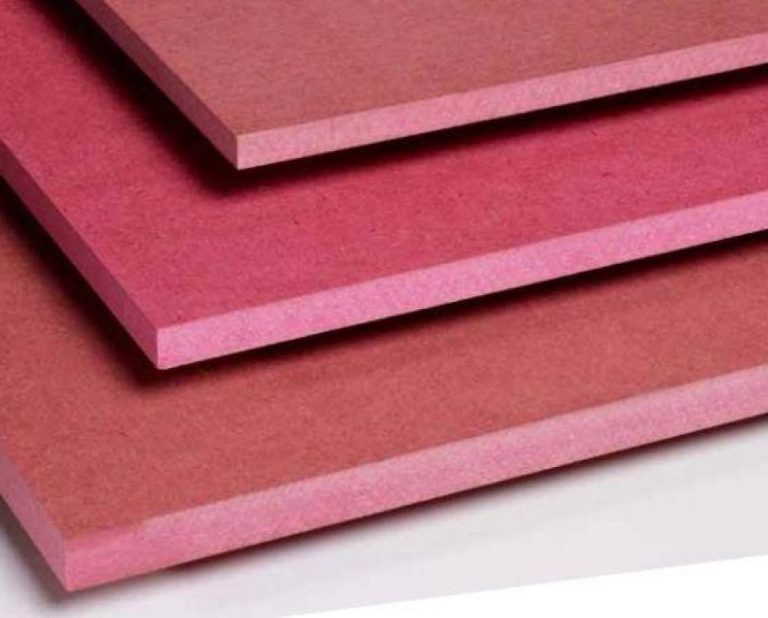
MDF stands for Medium-Density Fiberboard. It is made from wood fibers. These fibers are mixed with wax and resin. The mixture is then pressed into panels. MDF is strong and smooth. It is used in furniture and buildings.
MDF is very dense. It is heavier than plywood. It has a smooth surface. This makes it easy to paint. It does not have knots or grain patterns. Cutting MDF is easy. It does not chip or crack. It is more affordable than solid wood.
Raw Materials
Medium-density fiberboard (MDF) originates from sawdust and wood fibers. The raw materials are pressed together using heat and resin. This process transforms waste wood into versatile and affordable boards, widely used in furniture and construction.
Wood Fiber Sources
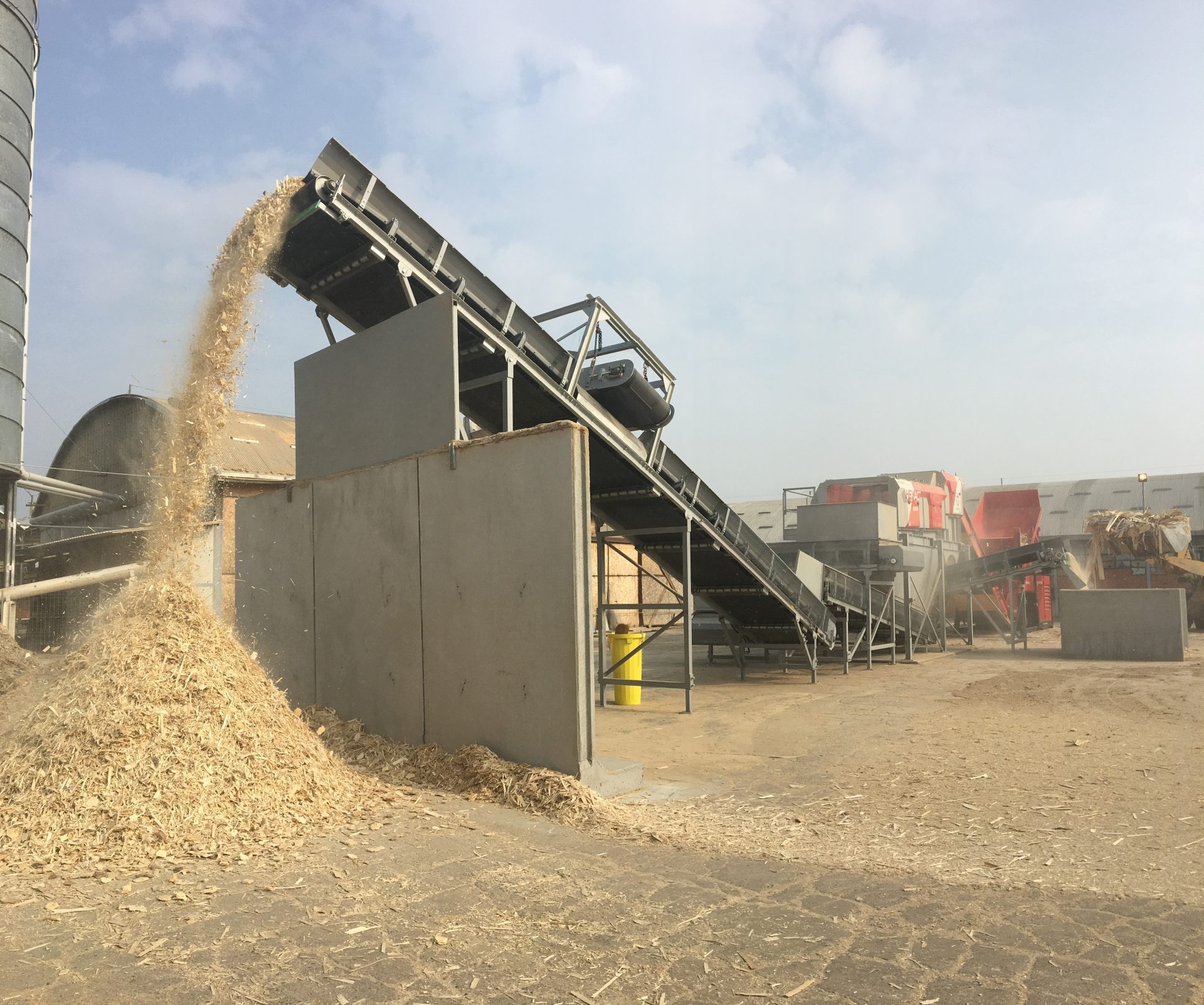
MDF is made from tiny wood fibers. These fibers come from different trees. The most common trees are pine, spruce, and birch. These trees are often found in forests. Sometimes, even scrap wood is used. This helps in saving resources and reducing waste. Wood fibers are very important for making MDF.
Resins And Adhesives
Resins and adhesives hold the fibers together. They make the MDF strong and durable. Formaldehyde is a common resin used. It helps in binding the fibers tightly. The resin also makes the board smooth. A smooth surface is good for painting and finishing. Resins are key for the quality of MDF.
Manufacturing Process
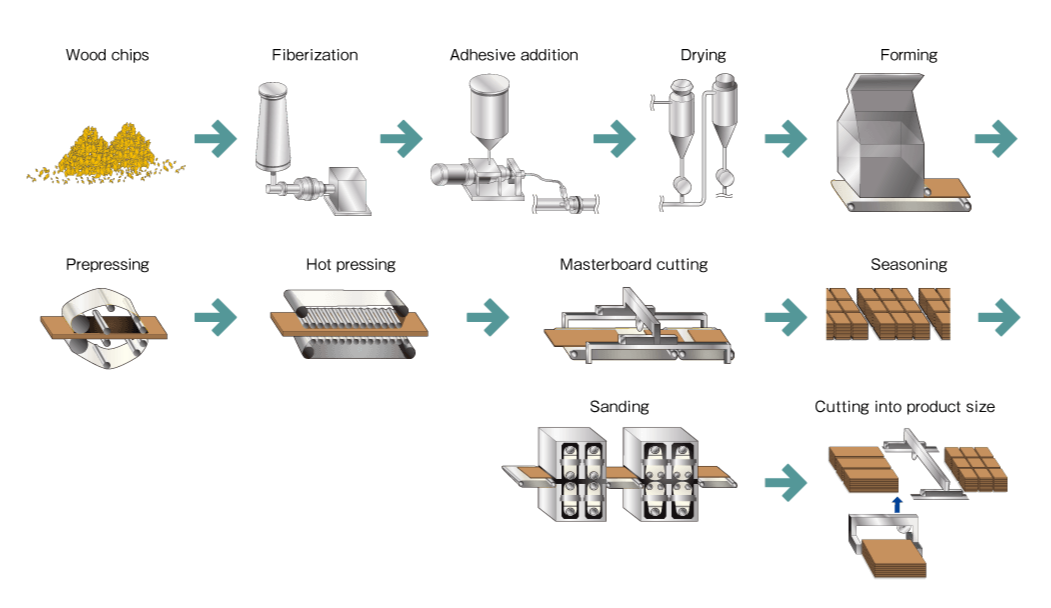
MDF starts with wood fibers. These fibers are collected from wood chips. Workers clean and refine them. The fibers are then mixed with glue. This glue holds them together. The mixture is ready for the next step.
After preparation, the fibers form panels. Machines spread the mixture in layers. These layers create sheets. The sheets are flat and smooth. Workers check the sheets for flaws. Only perfect sheets move on.
Sheets go through pressing. This step compresses them tightly. Heat is used to cure the sheets. Curing makes them strong and durable. Pressing and curing gives MDF its final shape.
Geographical Origins
MDF, or Medium Density Fiberboard, comes from many places. North America is a big producer. Europe also makes a lot of MDF. Asia is growing fast in MDF production. These places have many trees. Trees are used to make MDF. They are the main material.
Local resources affect MDF production a lot. Forests give wood for MDF. Water is needed in the process. Energy is also important. Factories need power to run. Some places have more trees and water. They can make more MDF. Other places have less. They make less MDF.
Historical Development
MDF, or Medium Density Fiberboard, began as a creative idea. Wood scraps were used to make a new product. Inventors tried different ways to use wood fibers. They wanted something strong and easy to work with. The first MDF was made in the 1960s. It was used in homes and buildings. People liked it because it was smooth and easy to paint.
Technology made MDF better. Machines helped make it faster. Special glue made it stronger. The process became safer and more efficient. MDF is now used all over the world. It is in many things like furniture and floors. Scientists keep improving it. MDF is now more durable and eco-friendly. It helps save trees by using leftovers.

Credit: en.wikipedia.org
Environmental Impact
MDF production uses wood fibers. These fibers come from small trees and wood waste. This reduces the need for cutting big trees. Factories often use renewable energy to make MDF. This helps save the planet’s resources. Many companies now plant new trees after cutting. This keeps forests healthy and full of life.
MDF helps in keeping big trees safe. By using wood waste, it reduces pressure on forests. Smart forestry ensures more trees grow back. This means forests stay green and lively. Protecting forests helps animals too. They need trees for homes. Every piece of MDF plays a part in saving nature.
Applications And Uses
MDF is popular in the furniture world. It is used to make cabinets and shelves. This material is smooth and perfect for painting. It is also easy to cut and shape. Many chairs and tables use MDF. It is cheaper than wood. Yet, it looks very nice. Strong and durable, MDF lasts long. It helps create beautiful pieces.
MDF is handy for building projects. It is used for wall panels and ceilings. Also, floors often use MDF. This material is tough and stable. It resists damage and lasts years. Builders love it for its flexibility. It can be molded into different shapes. MDF is also good for soundproofing. It keeps rooms quiet.
Credit: www.daiken-ad.com
Frequently Asked Questions
Where Does Most MDF Come From?
Most MDF (Medium Density Fiberboard) is produced in China. Other major producers include the United States, Germany, and Brazil. These countries have extensive wood-processing industries and advanced manufacturing facilities, which contribute to high MDF production. The global demand for MDF continues to grow, supporting its widespread production.
Why Is MDF Illegal In America?
MDF is not illegal in America. Concerns arise from formaldehyde emissions, a chemical in MDF. Regulations manage exposure, ensuring safety in its usage. Always check local guidelines for specific restrictions.
What Is The Primary Source Of MDF?
MDF primarily originates from wood fibers bonded with resin under high pressure and temperature. It’s sourced from recycled wood materials. This process creates a dense, uniform board ideal for furniture and construction. MDF is environmentally friendly, utilizing wood waste efficiently.
Its composition ensures smooth surfaces perfect for painting and laminating.
Should I Avoid MDF Furniture?
Avoiding MDF furniture is not necessary. It’s affordable, versatile, and ideal for indoor use. Consider its durability and moisture sensitivity. Regular maintenance can enhance its lifespan. Evaluate your needs before deciding.
Conclusion
MDF originates from wood fibers and resin. It’s pressed into dense sheets. These sheets form a versatile material. Builders and furniture makers love it. It’s affordable and easy to work with. MDF is perfect for indoor projects. It’s not for outdoor use.
The material swells with moisture. Always seal edges to protect it. MDF is eco-friendly too. It uses wood waste efficiently. Now you know its origins and uses. Consider MDF for your next project. It’s a practical choice for many needs.