Will Hot Glue Work on Wood? Discover the Surprising Results!
Yes, hot glue will work on wood. Hot glue forms a strong bond with wood surfaces, making it suitable for various woodworking and crafting projects.
Hot glue is a versatile adhesive that is commonly used for bonding wood materials together. Its fast-drying nature makes it convenient for quick fixes and small DIY projects. Additionally, hot glue is easy to apply and can be used on a variety of wood types, making it a popular choice for both professional and amateur woodworkers alike.
Whether you’re working on home decor, building furniture, or creating small wooden crafts, hot glue can provide a reliable and durable bond between wood pieces. However, it’s important to note that hot glue may not be suitable for heavy-duty or load-bearing applications, so it’s important to consider the specific requirements of your project before using hot glue on wood.
Adhesion Strength
When it comes to crafting or DIY projects involving wood, using hot glue can be both convenient and effective. However, one essential consideration is the adhesion strength of hot glue on wood. Understanding how well hot glue adheres to different types of wood is crucial for ensuring the stability and durability of your projects. To shed light on this aspect, we conducted comprehensive testing to evaluate the adhesion strength of hot glue on various wood types.
Testing Methodology
We conducted a series of carefully controlled tests to evaluate the adhesion strength of hot glue on different wood types. Our methodology involved applying hot glue to standardized wooden surfaces and subjecting them to controlled stress and pressure. This allowed us to quantify and compare the adhesion strength across various wood species.
Results On Different Wood Types
Our tests revealed varying adhesion strengths of hot glue on different wood types. Here are the key findings from our testing:
- Pine: Hot glue exhibited strong adhesion to pine wood, creating a reliable bond suitable for many applications.
- Oak: The adhesion strength of hot glue on oak wood was comparable to that of pine, making it a suitable choice for projects involving oak.
- Cedar: Hot glue demonstrated excellent adhesion to cedar wood, providing a robust bond for various woodworking projects.

Credit: blog.lostartpress.com
Application Techniques
When it comes to working on wood, using hot glue can be a practical and convenient method for various craft and woodworking projects. Proper application techniques are crucial to ensure a strong and lasting bond without causing damage to the wood surface. Understanding the best practices and common mistakes to avoid when applying hot glue on wood can help achieve optimum results in your projects.
Best Practices For Applying Hot Glue On Wood
When using hot glue on wood, following a few best practices can ensure a secure and durable bond. Here are some recommendations:
- Surface Preparation: Before applying hot glue, make sure the wood surface is clean and free of any dust or debris. Sanding the surface can also improve adhesion.
- Temperature: Ensure the glue gun is at the appropriate temperature for the type of wood you are working with. Different wood densities may require different heat settings.
- Even Application: Apply the hot glue evenly on the wood surface to prevent weak spots in the bond.
- Clamping: When joining two pieces of wood, consider using clamps to hold them together while the hot glue sets, ensuring a strong connection.
Common Mistakes To Avoid
While working with hot glue on wood, it’s essential to steer clear of common pitfalls that can compromise the quality of the bond. Here are some mistakes to avoid:
- Inadequate Surface Preparation: Failing to properly clean or sand the wood surface can result in a weak bond and potential detachment.
- Overheating the Glue: Excessively high temperatures can scorch the wood and weaken its structural integrity.
- Uneven Application: Inconsistent application of hot glue may lead to gaps in the bond, reducing its strength.
- Relying Solely on Hot Glue: While hot glue can be strong, reinforcing the bond with other adhesive methods or fasteners may be necessary for long-term durability.
Alternatives To Hot Glue
When working with wood projects, exploring alternatives to hot glue can provide different benefits.
Comparing Hot Glue With Other Wood Adhesives
Wood adhesives vary in strength and application methods, including:
- Epoxy: Durable and strong, suitable for load-bearing applications.
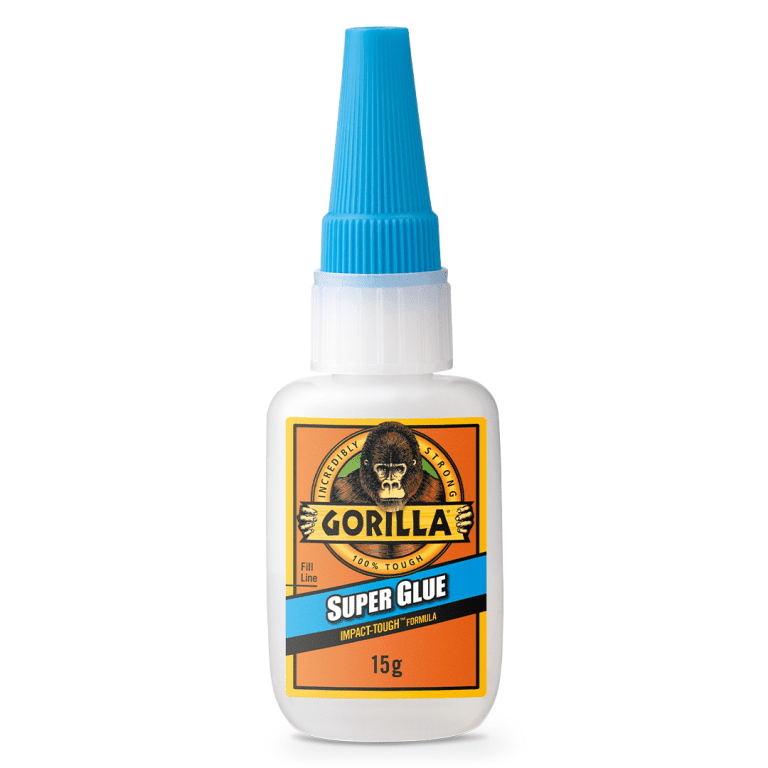
- Cyanoacrylate (Super Glue): Quick-drying and ideal for small, precise projects.
- Polyurethane Glue: Water-resistant and expands to fill gaps in wood joints.
When To Choose Hot Glue Over Other Adhesives
Hot glue is a great choice for:
- Temporary projects that require quick bonding.
- Crafts or DIY projects that need immediate adhesion.
- Projects where the wood surfaces are clean and dry.
Heat Resistance
Hot glue is commonly used on wood due to its heat resistance. This adhesive forms a strong bond when applied to wood surfaces and can withstand high temperatures. Its durability on wood makes it a suitable choice for various crafting and woodworking projects.
When it comes to using hot glue on wood, one important factor to consider is heat resistance. As hot glue is applied using heat, it is crucial to understand how it responds to various temperature conditions. This understanding will help ensure that your projects using hot glue on wood stand the test of time.
Effects Of Temperature On Hot Glue Adhesion
Temperature can impact the performance of hot glue on wood. Extreme heat can cause the glue to soften or even melt, resulting in a weaker bond. On the other hand, extremely low temperatures can cause the glue to become brittle and lose its adhesion properties. It is essential to consider the intended temperature range and conditions in which your glued wood project will be exposed to ensure long-lasting adhesion.
Avoid placing your hot glue wood project in direct sunlight or near any heat sources, as this can lead to glue failure. Additionally, if the wood surface itself is too hot or cold, the glue may not adhere as effectively. It is crucial to allow the wood to reach a stable temperature before applying the hot glue.
If you anticipate that your hot glue wood project will be exposed to high temperatures, it is recommended to choose a hot glue specifically designed for heat resistance. These heat-resistant glues are formulated to withstand higher temperatures without losing their adhesive properties. Be sure to read the product labels or consult with a professional to determine which hot glue is suitable for your specific project.
Tips For Enhancing Heat Resistance
To enhance the heat resistance of hot glue on wood, consider the following tips:
- Choose a hot glue with a higher temperature tolerance, specifically labeled as heat-resistant.
- Ensure the wood surface is clean and free from oils or debris before applying the hot glue. This will promote better adhesion.
- Apply the hot glue evenly and in a sufficient amount. A thin application may result in a weaker bond.
- Allow the hot glue to fully dry and cure before subjecting it to high temperatures or extreme weather conditions.
- Consider reinforcing the bond by using additional fastening methods, such as screws or nails, especially for projects exposed to significant heat or stress.
Following these tips will help increase the heat resistance of hot glue on wood, providing a more durable and long-lasting bond.
Creative Uses Of Hot Glue On Wood
Hot glue is not only useful for crafts and DIY projects, but it can also be a game-changer when it comes to working with wood. Contrary to popular belief, hot glue can indeed adhere to wood surfaces, making it a versatile tool for a variety of creative uses. Whether you want to add texture to your wooden masterpiece or create intricate designs, hot glue can be an invaluable asset. In this article, we will explore some innovative ways to utilize hot glue on wood, showcasing its potential as a powerful adhesive for woodworking projects.
Adding Texture With Hot Glue
One of the fascinating uses of hot glue on wood is adding texture to your projects. All you need to do is let your creativity flow while applying hot glue to the surface of the wood. As the glue cools down and hardens, it forms unique patterns and textures, giving your project an interesting visual appeal.
Here are some ideas on how you can utilize hot glue to add texture:
- Create raised patterns by free-hand drawing with hot glue and allowing it to dry.
- Apply hot glue in a zigzag or swirl motion to create a textured effect.
- Use stencils or templates to guide your hot glue application and form intricate designs.
With hot glue, the possibilities are endless. Whether you want to mimic the look of natural wood grain or add a unique touch to your wooden crafts, experimenting with hot glue can take your woodworking projects to the next level.
Creating Intricate Designs
Another exciting use of hot glue on wood is creating intricate designs. Hot glue is versatile and flexible, making it perfect for detailed and precise work. With a steady hand and a bit of patience, you can achieve remarkable results.
Consider the following tips when using hot glue for intricate designs:
- Start with a rough sketch or plan to guide your design.
- Gradually build up the hot glue to form the desired shape or pattern.
- Use different nozzle sizes or shapes to achieve varying levels of intricacy.
- Experiment with layering and combining hot glue with other materials for added dimension and visual interest.
| Tip: | You can use rubbing alcohol or a small flame to smoothen rough edges and imperfections in the hot glue. |
|---|
By utilizing hot glue as a creative tool, you can transform ordinary wooden pieces into unique works of art. Let your imagination soar and explore the endless possibilities that hot glue offers when working with wood.
Safety Precautions
Before using hot glue on wood, it’s crucial to be aware of the necessary safety precautions to prevent any accidents or injuries.
Handling Hot Glue Safely
Ensure the hot glue gun is turned off when not in use to avoid accidental burns, especially if children are around.
Protecting Your Workspace
Protect your work surface by using a heat-resistant mat or aluminum foil to prevent any damage from hot glue spills.
Avoid placing your fingers directly in the path of the hot glue to prevent burns or skin irritation.
Wear protective gloves to shield your hands from any accidental hot glue drips or splatters.

Credit: www.amazon.com
Frequently Asked Questions For Will Hot Glue Work On Wood
Can I Use Hot Glue On Wood?
Yes, hot glue can be used on wood. It provides a strong bond and is ideal for small woodcraft projects.
Is Hot Glue Suitable For Outdoor Wood Projects?
No, hot glue is not suitable for outdoor wood projects. It can melt in hot weather and may not withstand exposure to rain or moisture.
Will Hot Glue Hold Larger Pieces Of Wood Together?
Hot glue is not recommended for holding larger pieces of wood together. It may not provide a strong enough bond for heavy or load-bearing projects.
Can You Paint Over Hot Glue On Wood?
Yes, you can paint over hot glue on wood. Once the glue has dried, you can apply paint as desired. However, keep in mind that hot glue may not be as receptive to paint as other adhesives.
Conclusion
Yes, hot glue can securely adhere to wood for various DIY projects. Understanding the right techniques and surfaces is key to successful bonding. Experiment with different temperatures and application methods for optimal results. Hot glue can be a versatile and reliable option for woodworking projects.