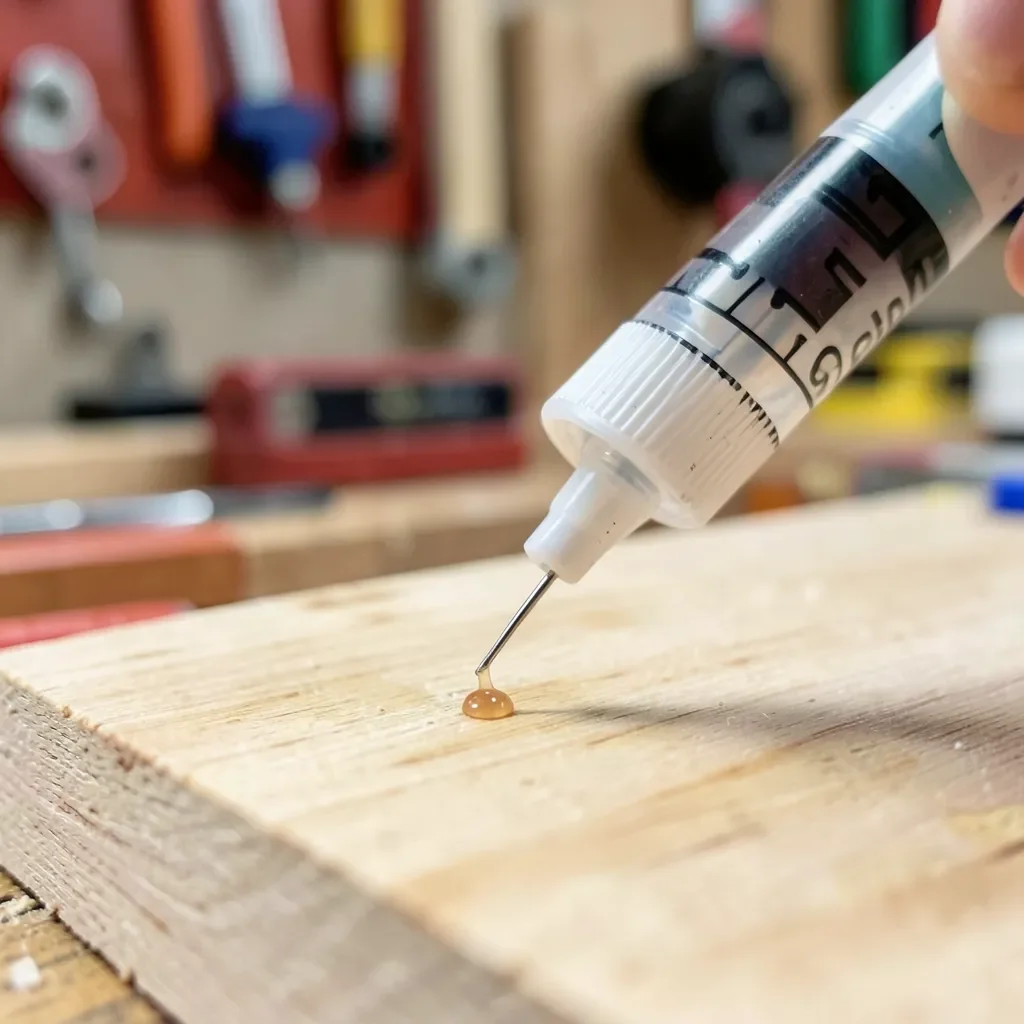
Glue Syringe: Precision Glue Application (Sizes & Gauges)
A glue syringe injects adhesive directly into tight joints, veneer blisters, and hairline cracks that a brush or bottle tip can’t reach cleanly. Pick the needle gauge by glue viscosity, not project size — too fine a tip clogs thick wood glue, too wide a tip wastes control on delicate repairs. This guide covers gauge selection, filling technique, and fixing the two most common failures: clogging and leakage.
Quick Answer
Use a wider gauge (14-16) blunt tip for thick PVA wood glue and a finer gauge (20-25) for thin adhesives like CA glue or ink. Fill the barrel slowly to avoid trapped air, and clean immediately after use — dried glue inside the barrel is the most common reason syringes get thrown away early.
The Role Of Glue Syringes In DIY Projects
Best Glue Syringe Set Pick
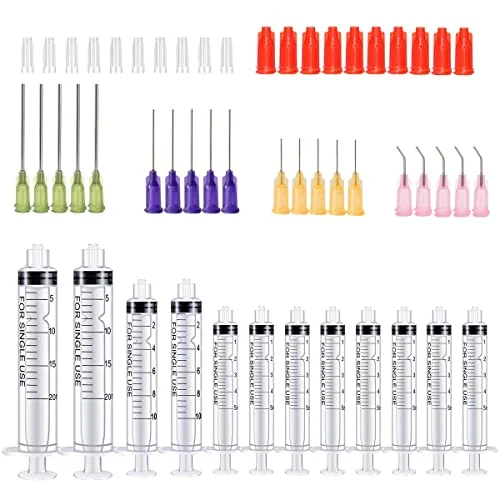 |
52-Piece Glue Syringe Set, 5/10/20ml with Blunt Tip Needles – $6.99 Comes with multiple barrel sizes and needle gauges, so you can match tip width to glue viscosity the way this guide recommends instead of forcing one syringe to do everything.
|
Glue syringes are essential tools for intricate work in DIY projects. They allow precise application of glue, making small and detailed tasks easier.
With a glue syringe, users can control the flow of adhesive. This control helps avoid messes and ensures that every drop counts.
These syringes are versatile and work well with various materials. Whether it’s wood, fabric, or plastic, glue syringes provide strong bonds.
Using glue syringes can save time and effort. They help in crafting, repairs, and more. With the right technique, results are often professional.
Types Of Glue Syringes
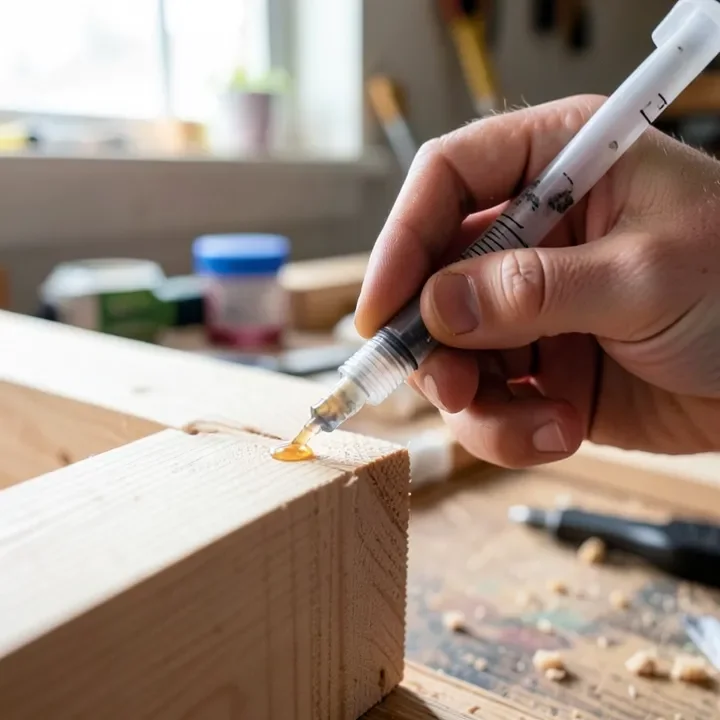
Glue syringes come in two main types: disposable and reusable. Disposable glue syringes are used once and thrown away. They are easy to use and clean. Reusable glue syringes can be cleaned and filled multiple times. They are cost-effective over time.
The needle gauge is also important. Different gauges affect the flow of glue. A smaller gauge offers a fine tip for detailed work. A larger gauge provides a thicker flow for filling larger areas.
| Type | Features |
|---|---|
| Disposable | Single use, easy to handle, hygienic. |
| Reusable | Cost-effective, eco-friendly, needs cleaning. |
| Needle Gauge | Smaller for precision, larger for quick application. |
Selecting The Right Glue For Your Syringe
Choosing the right adhesive is crucial for your glue syringe. Different adhesives have unique properties. Some are strong, while others offer flexibility.
Check the compatibility with the materials you plan to use. Not all glues work well with every surface. For example, some glues bond well with plastic but struggle with metal.
| Adhesive Type | Properties | Compatible Materials |
|---|---|---|
| Super Glue | Fast-drying and strong | Plastic, metal, wood |
| Epoxy | Durable and waterproof | Wood, metal, ceramics |
| Hot Glue | Flexible and easy to use | Fabric, paper, some plastics |
Mastering Precision: Techniques For Using Glue Syringes
Using a glue syringe can improve your projects greatly. Control the flow by applying gentle pressure. Start with a small amount of glue. This helps avoid excess glue on your surfaces.
📊 Titebond III wood glue has roughly 8-10 minutes of open assembly time before it starts to skin over, and about 20-25 minutes total assembly time. A pre-filled syringe lets you inject glue into several joints in that window instead of racing a brush against the clock. — Source: Titebond
To prevent air bubbles, use a slow and steady motion. Keep the tip submerged while applying glue. If you notice a clog, remove the tip and clean it. A pin or needle works well for this task. Always check the syringe before starting your project.
| Tip | Benefit |
|---|---|
| Gentle pressure | Controls glue flow |
| Submerged tip | Prevents air bubbles |
| Clean regularly | Avoid clogs |
Maintenance And Cleaning
To extend the life of your glue syringe, regular maintenance is key. Always clean the syringe after each use. Rinse it with warm water to remove any leftover glue. Use a soft brush to reach tight spots.
For hygiene and safety, always wear gloves while handling glue. Store the syringe in a cool, dry place. Keep it away from direct sunlight. Avoid sharing syringes to prevent contamination.
Proper care will ensure the syringe works well for a long time. A little effort goes a long way in maintaining its quality.
Creative Uses For Glue Syringes In Crafts
Glue syringes are great tools for enhancing detail work in crafts. They allow precise application of glue. This helps in achieving clean lines and neat finishes. Use them for small projects or intricate designs.
Mixed media applications benefit from glue syringes too. Combine different materials like paper, fabric, and beads. The syringe helps control the amount of glue used. This prevents messy spills and ensures strong bonds. Try using various glue types for different effects.
Troubleshooting Common Issues
Dealing with leakage in a glue syringe can be frustrating. Check the seal and ensure it is tight. If the plunger is not pushed correctly, glue may leak out. Always use the syringe on a flat surface to avoid spills.
Resolving adhesive drying in the syringe is crucial. Store the syringe in a cool and dry place. If the glue hardens, try soaking the tip in warm water. This can help to soften the adhesive.
Innovative Glue Syringe Products On The Market
Many innovative glue syringes are now available. They help with precise application. Choosing the right brand matters for projects.
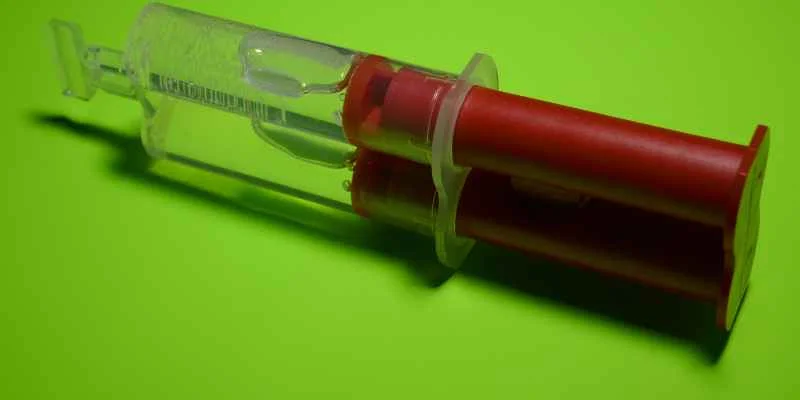
Brands like Gorilla, Elmer’s, and Aleene’s stand out. They offer different features and sizes. Some syringes come with reusable nozzles for easy use.
Emerging trends include eco-friendly materials and designs. Brands are focusing on user-friendly features. Many syringes now have adjustable tips for better control.
| Brand | Features | Eco-Friendly |
|---|---|---|
| Gorilla | Strong bond, reusable nozzles | Yes |
| Elmer’s | Precision tip, quick-drying | No |
| Aleene’s | Adjustable tip, easy cleanup | Yes |
Frequently Asked Questions
What Is A Glue Syringe Used For?
A glue syringe is designed to dispense adhesives precisely. It allows for controlled application, making it ideal for intricate projects. Whether you’re crafting or repairing, it helps avoid mess and waste. You can use it for wood, fabric, or other materials that require a strong bond.
How Do You Fill A Glue Syringe?
Filling a glue syringe is straightforward. Start by removing the plunger from the syringe. Next, pour the adhesive into the barrel, ensuring not to overfill. Then, reinsert the plunger slowly to avoid air bubbles. This ensures smooth and effective application during your projects.
Can Glue Syringes Be Reused?
Yes, glue syringes can be reused with care. After use, clean the syringe thoroughly to remove any residue. Ensure the nozzle is free of obstructions. However, avoid using different adhesives in the same syringe to prevent contamination. Proper maintenance will extend its lifespan and effectiveness.
Are Glue Syringes Safe For Kids?
Glue syringes can be safe for kids with supervision. Always choose non-toxic adhesives suitable for children. Teach them the proper handling techniques to prevent accidents. Ensure they understand the importance of safety while using any adhesive, keeping it away from their mouths and eyes.
Conclusion
A glue syringe is an invaluable tool for precise applications. It enhances accuracy and minimizes mess, making projects easier. Whether for crafts or repairs, its versatility is unmatched. Choosing the right glue syringe can elevate your work quality. Invest in this handy tool and experience the difference it makes. For broad, even coverage on flat glue-ups — where a syringe is the wrong tool — see how the different roller applicators compare.
Sponsored / affiliate links. As an Amazon Associate I earn from qualifying purchases. I may earn additional commission from eligible campaigns.