Filling Hardwood Floor Gaps: Which Ones You Should Actually Fill
Before you fill anything, figure out whether your gaps are normal seasonal movement or an actual problem — filling the wrong kind of gap is what causes cracked, squeezed-out filler a year later. Hardwood expands and contracts with humidity every year; gaps that open in dry winter months and close back up in humid summer are the floor doing exactly what wood does, and permanently filling them can cause buckling when the boards expand again. Gaps worth filling are the ones that stay open year-round, or that are wide enough to snag heels and small objects regardless of season.
Seasonal Gaps vs. Real Gaps
Best Filler for Small to Medium Gaps
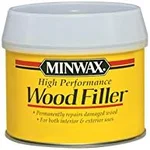 |
Minwax High Performance Sand Wood Filler – $23.55 A sandable, stainable filler suited to the hairline-to-1/8” gaps this guide says are actually worth filling permanently — not the seasonal ones.
|
Solid hardwood moves across the width of the board as it absorbs and releases moisture — that’s just how wood behaves, not a defect. A gap that’s hairline in humid summer and grows to 1/16″–1/8″ in dry winter, then closes back up again next summer, is normal seasonal movement across the whole floor. Rigid fillers (epoxy, most wood putties) don’t compress, so packing them into a gap that’s about to close will squeeze the filler back out or push adjacent boards up into a slight cup. If your gaps are seasonal and under about 1/8″, the better move is usually to leave them alone, or use a flexible rope caulk designed to compress with the wood rather than fight it.
Gaps worth actually filling: ones that stay open the same width year-round (a sign of a manufacturing defect, subfloor movement, or a board that’s shrunk more than its neighbors), gaps wide enough to catch heels, pet claws, or small objects, or gaps in a floor you’re refinishing anyway where you want a uniform look.
Timing Matters More Than Most Guides Mention
If you do decide to fill gaps permanently, do it during the driest part of the year — typically winter, when heating systems pull humidity out of the air and the boards are at their most contracted, so gaps are at their widest. Filling then means the filler goes into the biggest version of the gap; when the boards expand back in humid summer months, they compress gently against filler that’s already in place instead of forcing still-wet or freshly-cured filler to squeeze out under pressure it wasn’t designed for.
Three Filling Methods, by Gap Size
Wood Filler or Putty — Hairline to About 1/8″
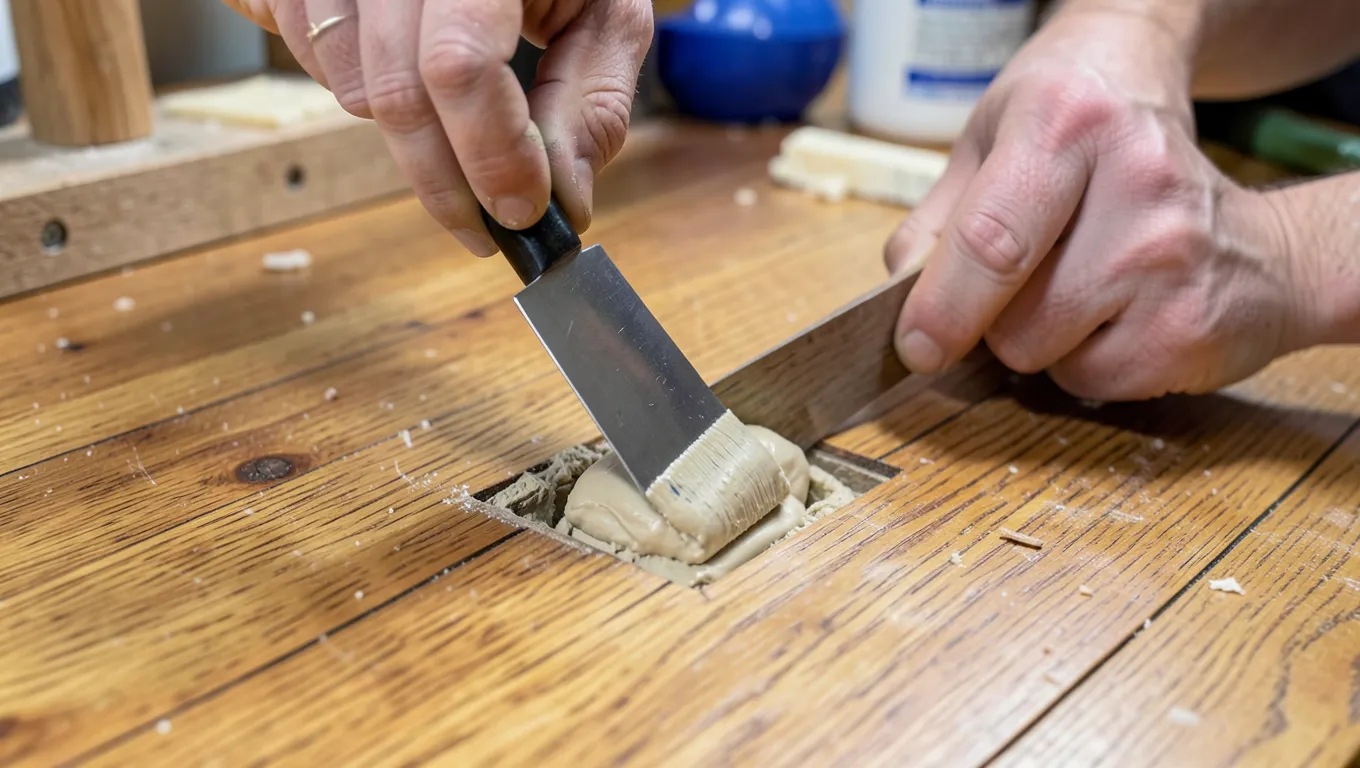
Latex or solvent-based wood filler, tinted or stained to match, handles small gaps cleanly. Press it in with a flexible putty knife, slightly overfilling since it shrinks a bit as it cures, then sand flush once fully dry. It’s the fastest option and the easiest to color-match from a store shelf, but it’s rigid once cured, which is exactly why it’s not the right call for wide seasonal gaps.
Sawdust-and-Glue (or Epoxy) Mix — Best Color Match
Mix fine sanding dust collected from your own floor with wood glue (for small jobs) or a clear epoxy (for durability on larger or high-traffic areas) into a thick paste. Because the “pigment” is literally your floor’s own wood, the color match after staining and finishing is usually better than any pre-tinted commercial filler. Pack it in with a putty knife, let it cure fully per the glue or epoxy’s instructions, then sand flush. This is the method most worth the extra effort when the gaps are in a visible, finished area rather than under furniture.
Rope Caulk or Wood Slivers — Wide or Seasonal Gaps
For gaps around 1/8″ to 1/4″ that still move seasonally, a flexible rope caulk (a caulking cord pressed into the gap, sometimes with a bit of matching wood putty over the top for a cleaner look) compresses instead of cracking as the floor swells. For very wide, stable gaps in older plank flooring — genuinely a structural condition, not seasonal movement — thin wood slivers glued in and sanded flush is the traditional trade fix; it’s more labor per gap but far more durable than filler in a gap wider than about a quarter inch.
Basic Process
- Vacuum and clean the gaps thoroughly — any dust or debris left inside will show through the filler and weaken its bond.
- Lightly sand the immediate area if the wood is worn or the gap edges are rough, then clean again.
- Apply your chosen filler slightly proud of the surface, working it fully into the gap with a flexible putty knife.
- Let it cure fully per the product’s instructions — rushing this step is the most common reason filler cracks or sinks later.
- Sand flush with the surrounding floor, then match your existing finish (stain if needed, then a compatible topcoat) so the repair blends in rather than standing out.
Frequently Asked Questions
Should I fill every gap in my hardwood floor?
No. Gaps that open in dry months and close in humid months are normal wood movement, and rigid filler in a seasonal gap can crack or push boards up when the wood expands. Fill gaps that stay open year-round or are wide enough to be a real snag hazard.
What time of year is best for filling gaps?
Winter, when indoor heating lowers humidity and the boards are at their most contracted, so gaps are at their widest. Filler applied then has room to be gently compressed as the floor expands in humid months, instead of being forced out under pressure.
What gives the best color match for filling floor gaps?
A sawdust-and-glue or sawdust-and-epoxy paste made from your own floor’s sanding dust, since the actual wood particles provide the color rather than a dyed filler trying to approximate it.
When should I use rope caulk instead of wood filler?
When the gap is genuinely seasonal and moves with humidity. Rope caulk compresses instead of cracking, unlike rigid wood filler or epoxy, making it the better choice for gaps that will keep opening and closing year after year.
What causes wood floor gaps to open in the first place?
Humidity changes are the most common cause — wood shrinks as it dries out in winter and swells as it reabsorbs moisture in summer. Gaps that don’t follow this seasonal pattern are more likely a manufacturing defect, subfloor movement, or improper acclimation before installation.
Sponsored / affiliate links. As an Amazon Associate I earn from qualifying purchases. I may earn additional commission from eligible campaigns.