Wooden Spindle Calculator UK: Simplify Your Measurements Today
Are you planning to install wooden spindles in your home? You need to know how many spindles to buy. This is where a Wooden Spindle Calculator comes in handy. This guide will help you understand how to use a Wooden Spindle Calculator in the UK.
What is a Wooden Spindle?
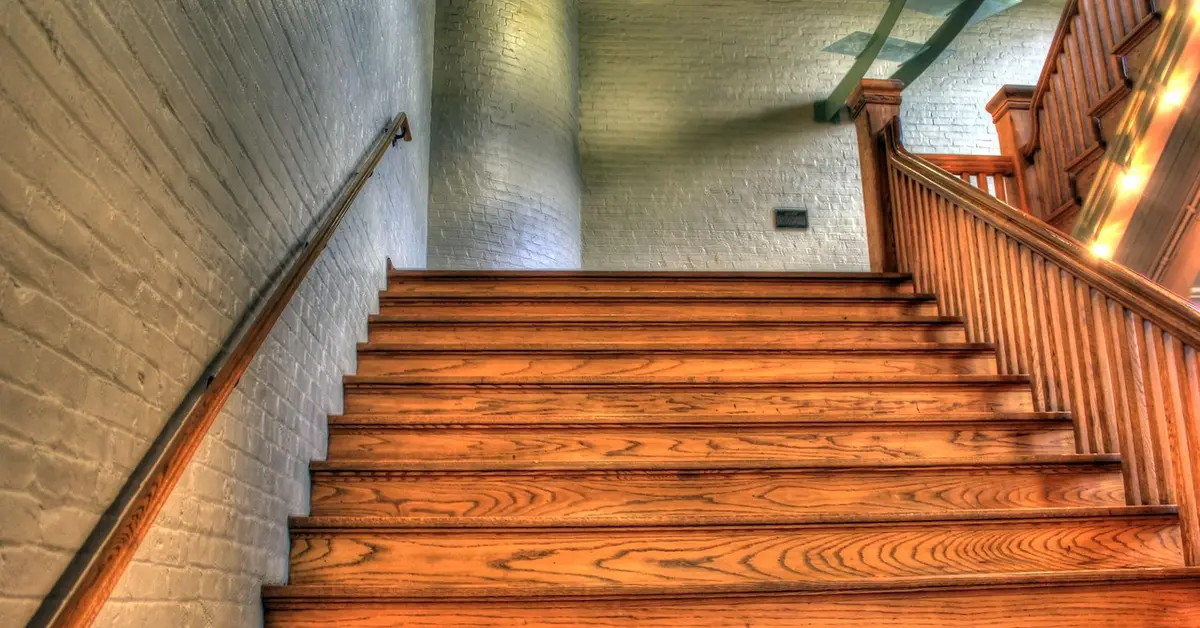
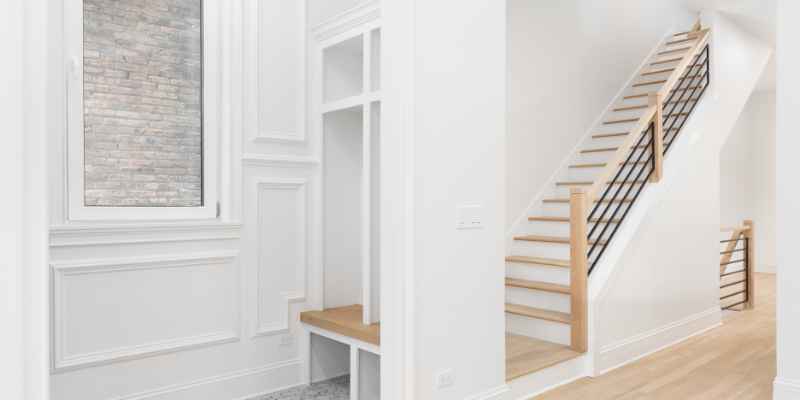
A wooden spindle is a vertical post or rod. It is used in railings and staircases. Spindles provide support and add beauty to your home. In the UK trade, you will often hear the same component called a “baluster” or “banister rod” — the terms are used interchangeably, and any spindle calculator that asks for baluster spacing is asking for the same measurements described below.
UK Building Regulations: The 100mm Sphere Test
Before you calculate spacing, you need to know the legal limit. UK Building Regulations Approved Document K governs guarding for stairs, ramps, and landings. The core rule that affects spindle spacing is the “100mm sphere test”: a sphere 100mm in diameter must not be able to pass through any gap in the balustrade. In practice, this means the clear gap between two adjacent spindles — and between the bottom rail and the floor or pitch line of the stair — cannot exceed 100mm.
Most joiners and stair fitters build in a small safety margin and design to a maximum gap of around 99mm rather than cutting it exactly to 100mm, since timber swells slightly with humidity and small installation variances can otherwise push a gap over the legal limit. Approved Document K applies most strictly where children under five could have access to the stair, but in practice nearly every UK residential staircase, balcony, and landing balustrade is built to the 100mm rule as standard good practice, because building control inspectors apply it uniformly at sign-off. Any spindle calculator worth using should let the 100mm ceiling drive your spacing figure, not just an arbitrary “looks about right” gap.
Why Use a Wooden Spindle Calculator?
A Wooden Spindle Calculator helps you find out how many spindles you need. This saves you time and money. You won’t buy too many or too few spindles.
Benefits Of Using A Wooden Spindle Calculator
- Accurate calculation
- Saves time
- Reduces waste
- Helps in budgeting
Standard Spindle Sizes and Timber Species Used in the UK
UK stair spindles are sold in a handful of standard cross-sections, and knowing which one you are buying changes both your spacing calculation and your budget:
- 32mm square (stop-chamfered or plain): the most common size for straightforward pine staircases and landing balustrades — light, inexpensive, and widely stocked.
- 41mm square: a heavier-section spindle used on wider staircases or where the design calls for a chunkier, more traditional look; also the more common starting size for turned (decoratively shaped) spindles.
- Turned spindles: lathe-shaped with a decorative profile (barley-twist, colonial, or contemporary designs). These are usually cut from 41mm or 55mm square blanks before turning, so always measure the widest point of the profile, not the base, when calculating spacing.
- Plain/stop-chamfered spindles: square-section with the corners chamfered off along the middle length, leaving square “stop” sections at each end — a popular mid-price option.
On timber species, pine (redwood) is the standard choice for painted staircases because it is affordable and takes paint well. Oak is the usual upgrade for a stained or oiled natural-wood finish and is considerably more durable and dimensionally stable, though it costs more per spindle. Hemlock sits between the two: a straight-grained softwood that is often used as a budget alternative to oak when a staircase will be stained rather than painted, since it takes stain more evenly than pine.
How to Use a Wooden Spindle Calculator
Using a Wooden Spindle Calculator is easy. You need a few measurements. Here is a step-by-step guide:
Step 1: Measure The Length Of The Area
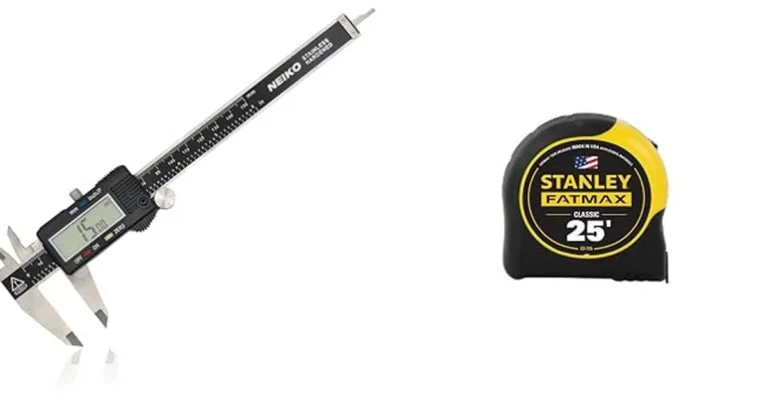
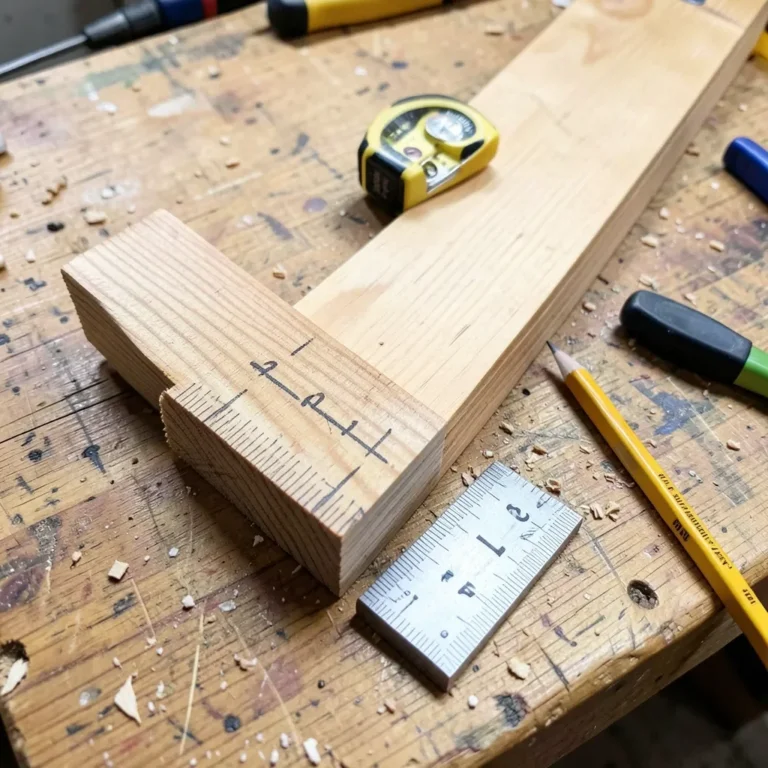
First, measure the length of the area where you will install the spindles. Use a measuring tape. Write down the measurement in inches or centimeters.
Step 2: Measure The Width Of A Spindle
Next, measure the width of one spindle. This will help you calculate how many spindles fit in the space. If you are working with turned spindles, measure across the widest decorative point, not the narrower base.
Step 3: Decide The Spacing Between Spindles
Decide how much space you want between each spindle. The spacing is important for safety and looks. Common spacing is 4 inches or 10 centimeters — but remember, under Approved Document K this gap must not exceed 100mm (roughly 3.9 inches) on a UK staircase, so treat that as your ceiling, not just a style preference.
Step 4: Use The Calculator
Now, use the Wooden Spindle Calculator. Enter the measurements you took. The calculator will tell you how many spindles you need.
Example Calculation
Let’s do an example calculation. Suppose the length of the area is 120 inches. The width of one spindle is 2 inches. You want a spacing of 4 inches between spindles.
| Measurement | Value |
|---|---|
| Length of Area | 120 inches |
| Width of Spindle | 2 inches |
| Spacing Between Spindles | 4 inches |
Here is the formula to calculate the number of spindles needed:
Number of Spindles = (Length of Area) / (Width of Spindle + Spacing Between Spindles)
Using the example values:
Number of Spindles = 120 / (2 + 4) = 120 / 6 = 20 spindles
Metric Worked Example, Checked Against the 100mm Rule
Here is a second example using UK metric measurements and the Approved Document K limit, since most balustrade suppliers quote in millimetres. Say you have a 2400mm staircase run and are using 32mm square spindles, and you want to stay safely under the 100mm gap rule with a 99mm design gap.
Pitch (spindle width + gap) = 32mm + 99mm = 131mm
Raw spindle count = 2400mm / 131mm ≈ 18.3
You cannot buy 0.3 of a spindle, and rounding down to 18 would leave the actual gap larger than 99mm once the leftover length is spread out — potentially pushing you over the legal 100mm limit. The correct approach is to round up to 19 spindles, then recalculate the real gap: with 19 spindles at 32mm each, that is 608mm of spindle width, leaving 1,792mm of gap space. Spread evenly across the run — before the first spindle, between each pair, and after the last — that is 20 gaps (one more than the number of spindles), giving an actual gap of 1,792 ÷ 20 = 89.6mm per gap, comfortably compliant.
Common Mistakes When Calculating Spindle Quantities
- Counting gaps instead of spindles (the off-by-one error): if spindles are evenly spaced with a gap before the first and after the last, the number of gaps is always one more than the number of spindles, not equal to it. Forgetting this either short-changes the order by one spindle or leaves a gap that is wider than planned.
- Ignoring the 100mm sphere-test rule entirely: a calculator that only balances “looks good” spacing without checking it against Approved Document K can produce a balustrade that fails building control sign-off and has to be redone.
- Getting the newel-post offset wrong: the length you plug into the calculator should be the clear run between the inside faces of the newel posts (or between a newel and a wall), not the overall staircase length including the posts themselves. Measuring to the outside of the newels overstates the available run and results in ordering too many spindles.
- Mixing up spindle width and spindle spacing: a surprisingly common data-entry mistake is swapping the two figures, which can produce a spindle count that is wildly wrong in either direction.
Where to Find a Wooden Spindle Calculator
You can find Wooden Spindle Calculators online. Here are some websites to check out:
- Woodworkers UK Spindle Calculator
- Balustrade Components Spindle Calculator
Tips for Choosing Wooden Spindles
Choosing the right spindles is important. Here are some tips:
- Choose a style that matches your home decor.
- Select high-quality wood for durability.
- Consider the safety of your family, especially children.
- Check the local building codes for spacing requirements.
Frequently Asked Questions
What Is A Wooden Spindle Calculator?
A wooden spindle calculator determines the spacing and quantity of spindles for railings or balustrades.
How To Use A Spindle Calculator?
Enter the length of the railing and spindle width to get the correct spacing and quantity.
Why Use A Spindle Calculator?
Using a spindle calculator ensures evenly spaced spindles for safety and aesthetic purposes.
Where To Find A Spindle Calculator?
Online tools and apps offer wooden spindle calculators for free.
What Is The Maximum Legal Gap Between Staircase Spindles In The UK?
Under Building Regulations Approved Document K, the gap between spindles must not allow a 100mm sphere to pass through. Most joiners design to a 99mm gap to leave a safety margin for timber movement.
What Size Are Standard UK Stair Spindles?
The two most common cross-sections are 32mm square, used on standard pine staircases, and 41mm square, used on wider staircases and as the base size for many turned spindle designs.
How Many Gaps Are There For A Given Number Of Spindles?
When spindles are evenly spaced with a gap before the first and after the last, the number of gaps is always one more than the number of spindles — a common source of off-by-one errors when ordering.
Should I Measure To The Outside Or Inside Of The Newel Posts?
Always measure the clear run between the inside faces of the newel posts (or between a newel and a wall). Measuring to the outside of the posts overstates the available length and leads to ordering too many spindles.
Conclusion
A Wooden Spindle Calculator is a helpful tool for home projects. It ensures you get the right number of spindles while staying compliant with the UK’s 100mm sphere-test rule under Approved Document K. This saves you time, money, and a possible re-fit if building control flags an over-wide gap. Follow the steps in this guide, double-check your figures against the common mistakes above, and choose spindles in the right size and timber species for your staircase. Enjoy the beauty and safety they provide.
For more information, visit the websites listed above. Happy building!
Sponsored / affiliate links. As an Amazon Associate I earn from qualifying purchases. I may earn additional commission from eligible campaigns.