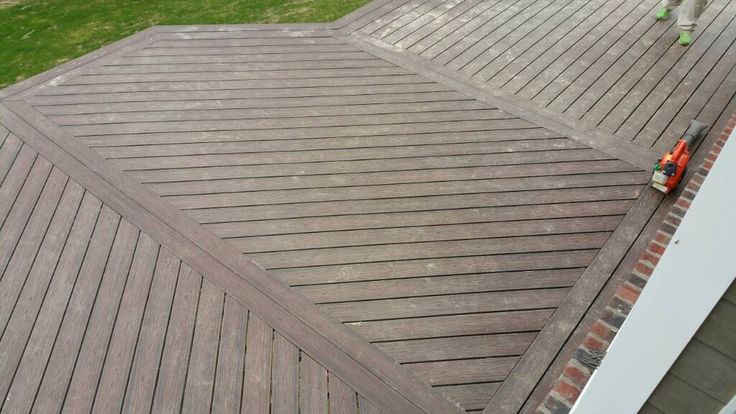
Wrap Around Decking Ideas: Genius, Essential
Wrap around decking ideas can dramatically enhance your home’s outdoor living space, offering versatile layouts for relaxation, dining, and entertaining. These designs are essential for maximizing usable outdoor area, connecting different parts of your home seamlessly, and adding significant aesthetic and functional value.
Got a house with a unique shape or a desire for more outdoor space? A wrap-around deck might be the perfect solution! It’s like giving your home a beautiful, functional hug. Many homeowners find themselves with limited patio space or wanting a more integrated outdoor experience. This can feel a bit frustrating when you dream of barbecues and lazy afternoons outside. But don’t worry, creating a fantastic wrap-around deck doesn’t have to be complicated. We’ll walk you through some brilliant ideas, making it easy for you to visualize and plan your own essential outdoor upgrade. Get ready to transform your home!
What is a Wrap-Around Deck?
A wrap-around deck is essentially a deck that extends along two or more sides of your house. Instead of just sticking out from one back door, it curves or angles around corners, often connecting different entry points, like a kitchen door and a living room sliding door. Think of it as a spacious balcony that encircles a portion, or even the entirety, of your home’s exterior. This design is incredibly versatile and can dramatically increase your usable outdoor square footage.
Why Choose Wrap-Around Decking? The Essential Benefits
Choosing a wrap-around deck isn’t just about aesthetics, though it certainly boosts curb appeal. It’s a smart, functional choice with several key advantages that make it an essential addition for many homes.
- Maximizes Outdoor Space: This is the most obvious benefit. If your house has an irregular shape, or you simply want more space for outdoor activities, a wrap-around design utilizes every available corner.
- Enhances Flow and Accessibility: It creates seamless transitions between your indoor living areas and the outdoors. Multiple access points mean easy entry and exit from different rooms, making entertaining a breeze.
- Creates Distinct Zones: The extended nature of a wrap-around deck allows you to easily divide the space into different functional areas. You can have a dining area on one side, a seating lounge on another, and perhaps a grilling station tucked away.
- Adds Architectural Interest: A well-designed wrap-around deck can significantly improve your home’s exterior appearance, adding depth, character, and a sense of grandeur.
- Improves Home Value: Like any significant home improvement, a beautiful and functional deck can increase your property’s market value.
- Versatile Design Options: This style lends itself to a wide range of creative designs, accommodating various lot shapes and house styles.
Genius Wrap-Around Decking Ideas to Inspire You
Now for the fun part! Let’s explore some brilliant ways to design and utilize your wrap-around deck space.
1. The Multi-Zone Oasis
This is where the wrap-around deck truly shines. Instead of one large, undifferentiated space, you create distinct “rooms” for different activities.
- Dining Al Fresco: Place your dining table and chairs on the section adjacent to your kitchen or dining room. This makes serving meals effortless.
- Lounge and Relax: Dedicate a corner or a longer stretch of the deck to comfortable seating – think sofas, armchairs, and coffee tables. This area is perfect for morning coffee or evening relaxation.
- Grilling Station: Position your grill on a section of the deck that’s easily accessible but perhaps slightly set apart, ideally on a portion that doesn’t require carrying food too far from the kitchen. Ensure proper clearances from any combustible materials, as recommended by local building codes and manufacturers.
- Sunbathing Nook: If you have a sunny spot, add some loungers for soaking up the rays.
2. Connecting Key Entry Points
Does your home have a door from the living room and another from the kitchen? A wrap-around deck is the perfect way to link these spaces, creating a continuous flow.
Imagine stepping out from your living room onto a spacious seating area, then walking around the corner to find your grilling station next to the kitchen door. This level of convenience is a game-changer for everyday living and entertaining.
3. Corner Awesomeness: Wraps for L-Shaped Homes
If your house has an L-shape, a wrap-around deck can beautifully complement that existing structure. It hugs the corner, creating a cozy, integrated outdoor space that feels like a natural extension of the house.
This is particularly effective for defining outdoor “rooms” within the L-shape, giving each area a sense of purpose and privacy.
4. Multi-Level Magic
For homes with varying ground levels or an elevated main floor, a multi-level wrap-around deck can be incredibly effective. You can have a main level deck accessible from your primary living area, with stairs leading down to a lower-level patio or deck area, perhaps around a pool or a garden.
This adds visual interest and can help manage landscaping and changes in elevation.
5. Integrating Natural Features
Use the wrap-around design to artfully incorporate existing trees or landscape features. Curves in the deck can flow around a mature tree, making it a beautiful centerpiece, or a split-level design can accommodate a gentle slope.
These thoughtful integrations make your deck feel like it belongs, rather than being an imposition on the landscape.
6. Deck Features to Enhance Your Wrap-Around Design
Beyond the layout, consider these features to elevate your wrap-around deck.
- Built-in Seating: Benches or seating built into the deck structure can save space and create a cohesive look.
- Planter Boxes: Integrate planters directly into the deck design for greenery and color.
- Lighting: Consider subtle LED lighting along the edges, stairs, and within seating areas for ambiance and safety after dark.
- Pergolas or Covers: Add a pergola or a partial roof to provide shade and define specific zones, like a dining or seating area.
- Multi-level Stairs: If your deck wraps around a corner with significant access points, consider elegant multi-level stairs to enhance flow.
Materials Matter: Choosing the Right Decking
The material you choose significantly impacts the look, durability, and maintenance of your wrap-around deck. Here’s a quick look at popular options:
| Material | Pros | Cons | Best For |
|---|---|---|---|
| Pressure-Treated (PT) Lumber | Affordable, widely available, good rot and insect resistance. | Can warp, crack, or splinter over time; requires regular sealing/staining. May contain chemicals. | Budget-conscious projects, basic durability. |
| Cedar/Redwood | Naturally beautiful, resistant to rot and insects, smells great, softer feel. | More expensive than PT, can dent/scratch, requires sealing to maintain color. | Natural aesthetic, luxury feel, homeowners avoiding chemicals. |
| Composite Decking | Low maintenance, resistant to fading, staining, and rot, wide variety of colors/styles. | Higher upfront cost, can get hot in direct sun, heavier than wood. | Low-maintenance focus, modern look, busy homeowners. |
| PVC Decking | Extremely low maintenance, very durable, resistant to moisture and insects, lightweight. | Highest upfront cost, can look less natural than composite, potential for expansion/contraction. | Coastal areas, humid climates, ultimate low-maintenance desire. |
When selecting materials, consider your climate, budget, and how much time you’re willing to spend on maintenance. For instance, in areas with high humidity or frequent rain, moisture-resistant materials like composite or PVC might be a wise investment. Always check the Environmental Protection Agency (EPA) guidance on wood preservatives to understand the chemicals involved in pressure-treated lumber.
Planning Your Wrap-Around Deck: Essential Steps
Building a deck involves careful planning. Here are the key steps to get you started:
- Check Local Regulations: Before you even draw a sketch, contact your local building department. You’ll need to understand zoning laws, setback requirements, and if you need permits. Many municipalities require a permit for decks over a certain height or size. You can usually find this information on your city or county’s official website, often under the building or planning department.
- Assess Your Property:
- Note the location of utilities (underground and overhead).
- Identify any easements or property lines.
- Consider the sun’s path throughout the day and how it will affect different parts of your deck.
- Observe drainage patterns around your house.
- Design and Sketch:
- Measure your house’s perimeter accurately.
- Sketch out your desired layout, marking access points, potential zones, and desired features.
- Consider the flow of traffic.
- Think about the height of your deck in relation to your doors.
- Choose Your Materials: Based on your budget, desired look, and maintenance tolerance, select your decking, railing, and framing materials.
- Create a Materials List: Once your design is finalized, list all the lumber, fasteners, hardware, and accessories you’ll need. This is crucial for budgeting and purchasing.
- Budgeting: Get quotes for materials and consider any costs for professional help (e.g., drawing plans, engineering if required, or hiring contractors for parts of the build).
- Permits and Approvals: Submit your plans and application for necessary permits. This process can sometimes take time, so start early.
Key Considerations for a Safe and Sturdy Build
Safety and structural integrity are paramount. Even for a DIY project, understanding the basics of deck construction is vital. For comprehensive guidance on safe building practices, the Fine Homebuilding website offers excellent, detailed resources.
Foundation and Support
Proper footings are the bedrock of a safe deck. They must be deep enough to extend below the frost line in your region to prevent heaving. Referencing resources like the International Residential Code (IRC), accessible through the International Code Council (ICC), can provide essential guidelines on footing depth and spacing. Your local building department will likely have specific requirements as well.
Joist Spacing and Framing
The size and spacing of your deck joists (the horizontal timbers that support the decking boards) are critical for preventing sagging. This depends on the type of wood used and the span the joists need to cover. Correctly sized joists, properly attached to beams and ledgers, ensure a solid, safe surface. Using joist hangers and appropriate fasteners, like corrosion-resistant screws or nails, is essential for structural integrity.
Railing Strength
If your deck is elevated, railings are a safety must-have. Building codes specify minimum heights and structural requirements for railings and balusters to prevent falls. Ensure that posts are securely attached to the substructure, not just the decking boards, and that balusters are spaced closely enough to prevent a child from squeezing through.
Ventilation
Proper ventilation under your deck is crucial to prevent moisture buildup, which can lead to rot and mold. Ensure there’s adequate airflow between the ground and the underside of your deck joists.
DIY vs. Hiring a Professional
Deciding whether to tackle a wrap-around deck project yourself or hire a professional is a big decision. Here’s a breakdown to help you choose.
| Factor | DIY Approach | Hiring a Professional |
|---|---|---|
| Cost | Potentially lower material costs (if you already own tools), labor is “free” in terms of money. | Higher upfront cost due to labor, but provides expertise and efficiency. |
| Time Investment | Significant time commitment for planning, purchasing, building, and finishing. | Shorter project timeline, as professionals work efficiently. |
| Skill Level Required | Requires woodworking, measuring, cutting, and basic construction knowledge. Understanding of local codes is vital. | Professionals have the necessary skills and experience. |
| Tools & Equipment | Requires investment in or rental of specialized tools (e.g., miter saw, circular saw, post-hole digger, level). | Professionals bring their own tools. |
| Permits & Codes | You are responsible for understanding and adhering to all codes and obtaining permits. Mistakes can be costly. | Professionals handle permitting and ensure code compliance. |
| Stress & Complexity | Can be high, especially with complex designs or unforeseen issues. | Significantly lower stress as experts manage the project. |
| Warranty/Guarantee | None (unless material warranties apply). | Often provide a warranty on their workmanship. |
If you’re comfortable with tools, have a good understanding of construction basics, and plenty of time, a DIY approach can be very rewarding. For complex designs, if you’re short on time, or if you want the peace of mind that comes with professional expertise and guarantees, hiring a deck builder might be the better choice.
Frequently Asked Questions About Wrap-Around Decks
Q1: How much does a wrap-around deck cost?
A1: The cost varies greatly depending on size, materials (wood vs. composite), complexity, and your location. Basic wood wrap-around decks can start from $20,000-$40,000 for an average-sized home, while high-end composite materials and elaborate designs can push costs much higher, potentially $60,000+.
Q2: Do I need a permit for a wrap-around deck?
A2: In most cases, yes. Any deck that is elevated above a certain height (often just a few feet) or has a significant square footage typically requires a building permit. Always check with your local building department.
Q3: How do I design the layout for a wrap-around deck?
A3: Start by identifying your home’s entry points and how you want to use outdoor space. Sketch different zones for dining, lounging, and grilling. Consider traffic flow and how the deck connects to your interior rooms. Online design tools or consulting with a professional designer can help visualize options.
Q4: What are the best materials for a wrap-around deck in a wet climate?
A4: For wet climates, consider moisture-resistant materials like composite decking, PVC decking, or naturally rot-resistant woods like cedar or redwood. Ensure proper ventilation underneath to prevent issues.
Q5: Can a wrap-around deck be added to any house?
A5: While a wrap-around deck can be adapted to many house styles, its feasibility depends on the home’s foundation, surrounding landscape, and local building codes. Consulting with a contractor or structural engineer is advisable for unique situations.
Q6: How much maintenance does a wrap-around deck require?
A6: Maintenance depends on the material. Pressure-treated wood requires annual cleaning, staining, and sealing. Cedar/redwood needs regular cleaning and sealing for color retention. Composite and PVC decks are very low maintenance, typically only needing occasional washing.
Conclusion
Wrap-around decking is more than just an expansion; it’s a strategic enhancement that can transform your home’s connection to the outdoors. By thoughtfully incorporating multi-zone living, seamless transitions, and architectural beauty, you create an essential extension of your home that offers comfort, style, and lasting value. Whether you’re a seasoned DIYer or planning to hire help, understanding the possibilities, planning meticulously, and prioritizing safety will lead you to a spectacular wrap-around deck that you and your family will enjoy for years to come. Imagine the summer barbecues, the quiet mornings with coffee, the evening gatherings – all made better by this genius, essential feature.