1 2 Inch Nap Vs 3 8 Nap Roller: Discover the Ultimate Painting Tool!
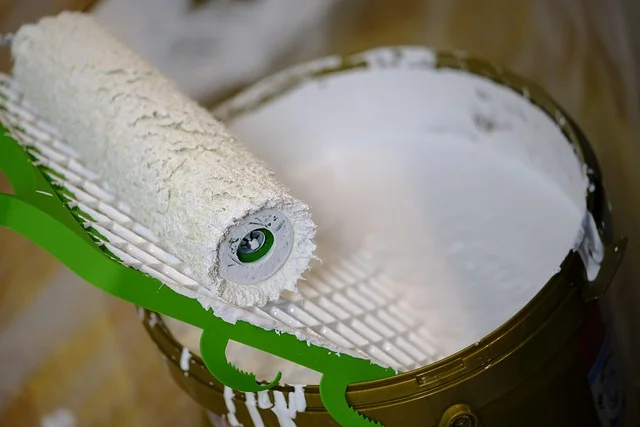
1/2 inch and 3/8 inch nap rollers are both commonly used for painting projects, but the difference lies in the texture of the finish they provide. A 1/2 inch nap roller is better for rough surfaces like stucco or textured walls, while a 3/8 inch nap roller is ideal for smoother surfaces like drywall or smooth wood.
The choice between the two depends on the type of surface being painted and the desired texture of the finish. Choosing the right roller nap for your painting project is essential to achieve the desired results. The thickness or nap, measured in inches, plays a crucial role in determining the texture of the finish.
We will explore the differences between a 1/2 inch nap roller and a 3/8 inch nap roller and help you understand which one is suitable for different surfaces. By understanding the distinctions, you can make an informed decision and achieve a professional-looking paint job. So, let’s dive in and discover which nap roller is best for your specific needs.

Roller Nap Sizes: Full Comparison


| Nap Size | Best Surface | Paint Texture Left | Paint Absorption |
|---|---|---|---|
| 1/4″ | Very smooth (glass, metal, trim) | Minimal | Low — frequent reloading |
| 3/8″ | Smooth drywall, smooth wood, cabinets | Light | Moderate |
| 1/2″ | Light-texture walls, orange peel drywall | Moderate | Good |
| 3/4″ | Textured walls, stucco, popcorn ceilings | Heavy | High |
| 1″+ | Brick, heavily textured masonry | Very heavy | Very high |
How to Choose the Right Nap for Woodworking Projects
- Cabinet doors and furniture: A 3/8″ nap (or a foam roller for the smoothest possible finish) minimizes the “orange peel” stipple texture that shows on close inspection of fine furniture.
- Raw plywood or MDF panels: A 3/8″ nap handles the slightly more absorbent surface without leaving excess texture, though a thin first coat with a brush can help work paint into any rough spots first.
- Fence, deck, and exterior trim: A 1/2″ nap holds more paint or stain and covers slightly rougher exterior wood grain faster than a 3/8″ nap would.
- Shop walls or garage cabinets (utility finish): A 1/2″ or 3/4″ nap speeds up coverage where a flawless finish isn’t the priority.
Roller Cover Material Matters Too
Nap length is only one variable — the roller cover’s material affects the finish as much as its thickness:
- Foam rollers lay down the smoothest possible finish for varnish, polyurethane, and other clear or semi-gloss finishes on furniture and cabinets, but hold less material and need more frequent reloading.
- Microfiber and woven covers hold more paint and release it evenly, a good all-around choice for latex and acrylic paints on walls and larger wood surfaces.
- Knit covers shed less lint than cheaper woven covers, which matters for glossy finishes where stray fibers are highly visible once dry.
Common Mistakes When Choosing a Roller Nap
- Using too thick a nap on furniture or cabinets. A 1/2″ or 3/4″ nap leaves visible stipple texture that’s hard to sand out smoothly between coats.
- Using too thin a nap on textured surfaces. A 1/4″ or 3/8″ nap on stucco or heavily textured drywall will miss the low spots in the texture, leaving an inconsistent, patchy coat.
- Reusing a roller cover across very different finishes. Oil-based and water-based products, or high-gloss and flat paints, can leave residue in the nap that contaminates the next project — a cheap cover per project type avoids cross-contamination.
- Overloading the roller. Regardless of nap size, dipping too deep and not working excess paint out on the tray’s ridged section causes drips and an uneven coat.
Can You Use One Nap Size for an Entire Project?
Many DIYers try to get by with a single roller for a whole project, but mixed surfaces usually benefit from switching nap sizes. A common example in woodworking-adjacent projects: painting built-in shelving with smooth face frames but a slightly textured back panel. Using a 3/8″ nap on the smooth frame and switching to a 1/2″ nap for the textured back gives each surface an appropriate finish rather than compromising with a middle-ground nap that under-performs on both. The cost of an extra roller cover is minor compared to the time spent fixing an uneven finish afterward.
Cleaning and Reusing Roller Covers
A quality roller cover, regardless of nap size, can be reused several times if cleaned properly right after use. For water-based paints, rinse thoroughly under running water while working the nap with your fingers until the water runs clear, then spin or squeeze out excess moisture and let it dry fully before storing. For oil-based paints, use the appropriate solvent recommended on the paint can, and always let covers dry completely and stand upright (not resting on the nap) to avoid flattening the fibers, which changes how the roller performs on its next use.
Frequently Asked Questions For 1 2 Inch Nap Vs 3 8 Nap Roller
What Is A 3 8 Nap Roller Used For?
A 3/8 nap roller is used for applying smooth, thin coats of paint on smooth surfaces like walls and ceilings. It works well with paints that have a low viscosity or level, providing a professional finish.
Can I Use 1 2 Roller For Smooth Walls?
Yes, you can use a 1 2 roller for smooth walls.
What Size Nap To Use For Smooth Walls?
For smooth walls, use a nap size of 3/8 inch or smaller. This size helps achieve a smooth finish without leaving texture on the walls. Make sure to select a high-quality nap to ensure a professional result.
Does The Nap Of A Paint Roller Make A Difference?
Yes, the nap of a paint roller does make a difference. The nap refers to the fibers or pile on the roller cover. A longer nap can hold more paint and is suitable for rough surfaces, while a shorter nap is better for smooth surfaces.

Conclusion
With this comparison between a 1/2 inch nap and a 3/8 inch nap roller, you can now confidently choose the one that suits your painting project. While the 1/2 inch nap roller is ideal for textured surfaces, the 3/8 inch nap roller works well for smooth surfaces.
Remember to consider the surface type and desired finish before making your decision. Happy painting!
Sponsored / affiliate links. As an Amazon Associate I earn from qualifying purchases. I may earn additional commission from eligible campaigns.