23/32 vs 3/4 Plywood: Same Thickness, Different Labels
23/32″ and 3/4″ plywood are the same sheet — 23/32″ is the actual manufactured thickness and “3/4 inch” is the nominal label. The APA (American Plywood Association) sets 23/32″ as the official actual standard for every sheet sold as “3/4 plywood.” The 1/32″ gap (0.79mm) only matters for dado and rabbet cuts in cabinet making — a groove cut to a full 3/4″ leaves a sloppy fit around a 23/32″ panel. This guide covers the nominal vs actual thickness chart, when the difference matters, and what 23/32 plywood is used for.
This post contains affiliate links. As an Amazon Associate, I earn from qualifying purchases at no extra cost to you.
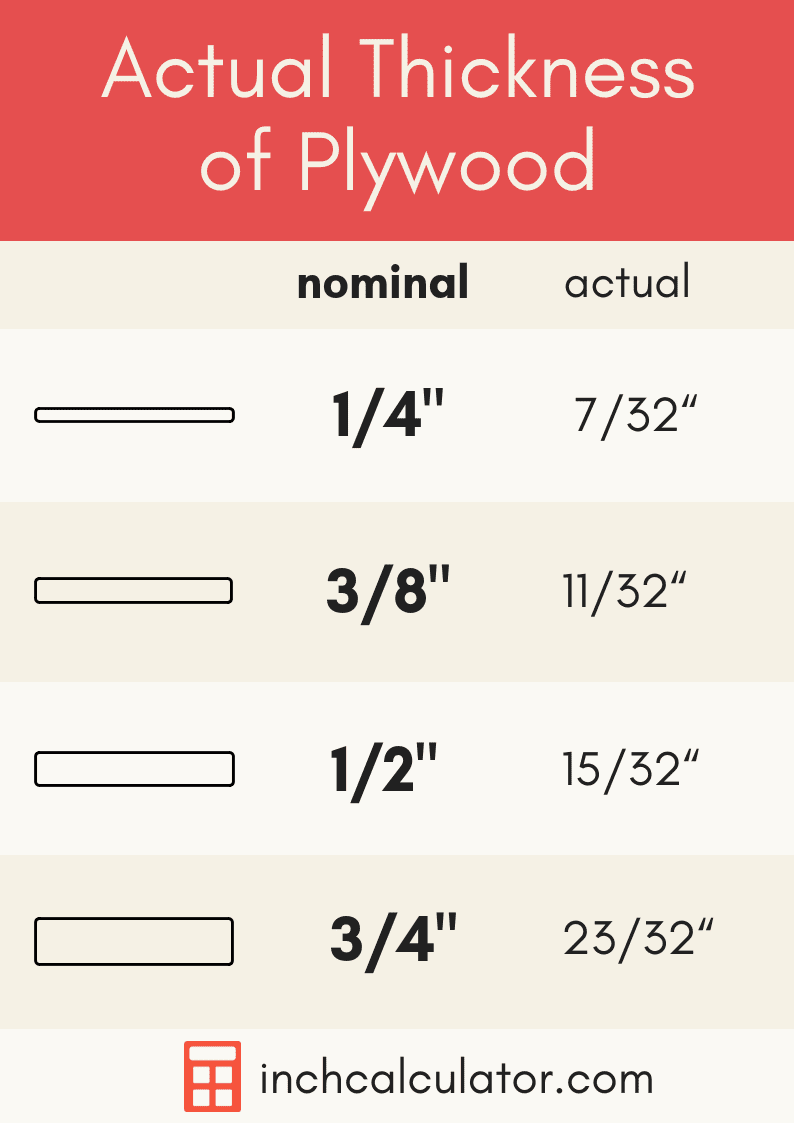
Yes — 23/32″ is the actual thickness of nominal 3/4″ plywood. Every sheet sold as “3/4 inch plywood” at a lumber yard measures 23/32″ (0.71875″) due to manufacturing and sanding. They are the same product with two names. The only time the 1/32″ difference matters is when cutting precise dados for cabinet joinery — use the actual 23/32″ measurement, not 3/4″.
Plywood Thickness Explained: Nominal vs Actual
Best for 23/32 vs 3/4 Plywood
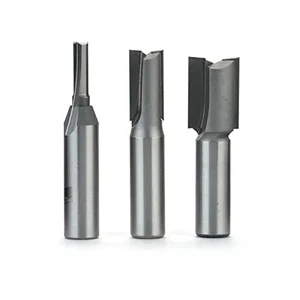 |
Whiteside 470 Plywood Dado Set: Includes Solid Carbide Straight Bit (SC218), 2 C – $71.07 The product this guide names by name for 23/32 vs 3/4 plywood – matched here to a real, currently listed ASIN.
|
Plywood is sold by nominal thickness — the name used to identify the product — but the sheet you take home measures slightly less. This is because manufacturing processes (pressing, drying to target moisture content, and sanding) reduce the final thickness below the nominal number. The APA sets the official actual thicknesses for every nominal size.
This nominal vs actual gap exists for every plywood size, not just 3/4″. The full chart:
| Nominal Thickness | Actual Thickness | Millimeters | Common Uses |
|---|---|---|---|
| 1/4″ | 7/32″ | 5.56 mm | Cabinet backs, drawer bottoms |
| 3/8″ | 11/32″ | 8.73 mm | Wall sheathing, light shelving |
| 1/2″ | 15/32″ | 11.91 mm | Roof sheathing, furniture panels |
| 5/8″ | 19/32″ | 15.09 mm | Subfloor (24″ OC), wall panels |
| 3/4″ (nominal) | 23/32″ (actual) | 18.26 mm | Subfloor (16″ OC), cabinets, furniture |
| 1″ | 31/32″ | 24.61 mm | Heavy structural, workbench tops |
Is 23/32 the Same as 3/4? The Direct Answer
23/32 plywood is the actual measured thickness of what is sold and labeled as “3/4 inch plywood.” They are not two different products — they are the same sheet identified two ways. At Home Depot, Lowe’s, or any lumber yard, when you pick up a sheet of “3/4 plywood,” you are holding a sheet that measures 23/32″ (0.71875″). The nominal name “3/4 inch” is simply the product category label, identical to how a 2×4 stud actually measures 1.5″ × 3.5″.
The APA (American Plywood Association) under standards PS 1 and PS 2 defines 23/32″ as the official actual thickness for nominal 3/4″ structural plywood and sheathing panels. This is not a manufacturing defect or a cost-cutting measure — it is the documented standard that every North American plywood manufacturer follows.
Why Is 3/4″ Plywood Actually 23/32″?
Three manufacturing steps reduce a nominal 3/4″ panel to its actual 23/32″ thickness.
- Veneer drying. Individual plies lose moisture during kiln drying, which slightly reduces their thickness before pressing.
- Hot pressing. The glued veneer stack is pressed under heat and pressure. The final compressed thickness lands below the nominal name.
- Sanding. Finish-grade plywood (Cabinet Grade, hardwood plywood) is sanded to a smooth face. Each sanding pass removes a small amount of material. Sheathing-grade panels are unsanded but still measure 23/32″ due to pressing tolerances.
The result is consistent: every panel labeled “3/4 inch” — regardless of grade, species, or brand — measures 23/32″ in actual thickness.
When Does the 1/32″ Difference Matter?
For most woodworking and construction uses, 23/32″ and 3/4″ are completely interchangeable. The 1/32″ gap matters in exactly one context: precision joinery where the plywood panel fits into a routed groove or dado.
| Application | Does the 1/32″ gap matter? | What to use |
|---|---|---|
| Subfloor (16″ OC) | ❌ No | Nominal “3/4″ = 23/32” — same thing |
| Roof/wall sheathing | ❌ No | Interchangeable |
| Furniture, shelving, workbenches | ❌ No | Interchangeable |
| Cabinet boxes (butt joints, screws) | ❌ No | Interchangeable |
| Dado / rabbet joinery for cabinets | ✅ YES | Cut dado to actual 23/32″ — use an undersized dado set |
| Matching existing panels in a renovation | ✅ YES | Measure the existing panel first |
Cabinet makers who route dados for shelf panels use an undersized dado set — a router bit or table saw dado stack specifically sized for the actual 23/32″ panel, not the nominal 3/4″. A standard 3/4″ dado leaves a 1/32″ gap on each side of the panel, which is visible in finished cabinet work.
Cutting Dadoes for 23/32″ Plywood? Use an Undersized Dado Set
A dado stack sized specifically for 23/32″ plywood gives a snug, gap-free fit for cabinet shelves and dividers. Avoids the loose joint you get with a standard 3/4″ dado bit.
View Undersized Dado Sets on Amazon →As an Amazon Associate I earn from qualifying purchases.
23/32 Plywood Features and Common Uses
Because 23/32″ plywood IS nominal 3/4″ plywood, its features and uses are identical to anything spec’d at “3/4 inch.”
- Subfloor. APA-rated Sturd-I-Floor panels at 23/32″ are the standard for 16″ on-center joist spacing per IRC and IBC code. This is the most common residential subfloor thickness.
- Roof decking. APA-rated 23/32″ sheathing works for rafter or truss spacings up to 24″ on center.
- Wall sheathing. 23/32″ structural panels meet most residential shear wall requirements.
- Cabinet boxes and furniture. The standard thickness for face-frame and frameless cabinet carcasses, workbenches, shelving, and tabletops.
- Concrete forming. Structural 1 grade 23/32″ plywood is rated for concrete forming applications.
Cost: Is 23/32 Plywood Cheaper Than 3/4?
No — because they are the same product. A sheet labeled “23/32 plywood” and a sheet labeled “3/4 plywood” at the same store are identical panels at identical prices. The label difference is nominal classification only. Price varies by grade (sheathing vs sanded face vs Baltic Birch), core type (veneer core vs MDF core vs Combi core), and species — not by the 23/32 vs 3/4 label distinction.
Durability and Strength
Strength and stiffness in plywood panels are determined by grade, species, number of plies, and core construction — not by the 1/32″ nominal/actual gap. An APA Rated Sheathing panel marked 23/32″ has identical structural performance to the same panel marked 3/4″. The load capacity of 3/4″ plywood applies directly to 23/32″ panels because they are the same sheet.
Suitability for Different Projects
Choose your plywood based on grade and application — not on whether the label says “23/32” or “3/4”. For subfloor applications, look for APA-rated Sturd-I-Floor or Rated Sheathing in 23/32″. For cabinet boxes, choose hardwood plywood (birch, maple, oak) in the same thickness. For exterior sheathing, use CDX-grade panels. The 23/32″ designation on the label simply confirms you are buying the correct actual thickness.
Frequently Asked Questions
Is 23/32 equivalent to three quarter inch plywood?
Yes. 23/32″ is the actual manufactured thickness of nominal “3/4 inch” plywood. The APA (American Plywood Association) defines 23/32″ as the official actual thickness under PS 1 and PS 2 plywood standards. Every sheet sold as “3/4 plywood” at a lumber yard measures 23/32″ (0.71875″). The two terms refer to the same physical product.
Is 23/32 the same as 3/4?
Yes — 23/32″ plywood and 3/4″ plywood are the same sheet. “3/4 inch” is the nominal (named) thickness and “23/32 inch” is the actual measured thickness after manufacturing. The difference is 1/32″ (0.79mm), which exists because pressing and sanding reduce the panel slightly below the nominal size. They are interchangeable for all construction and most woodworking uses.
Is subfloor 3/4 or 23/32?
Subfloor panels are sold and installed as nominal “3/4 inch” — which means they are actually 23/32″. APA Sturd-I-Floor 23/32″ is the standard residential subfloor panel for 16″ on-center joist spacing per IRC code. Since 23/32″ and 3/4″ are the same product, this distinction has no practical impact — you are buying the same panel regardless of which label is on the package.
What is 23/32 plywood used for?
23/32″ plywood (nominal 3/4″) is used for subfloor (16″ OC joist spacing), roof decking (up to 24″ OC), wall sheathing, cabinet carcasses, furniture, workbench tops, and concrete forming. It is the most common structural plywood thickness in residential construction. As nominal 3/4″ plywood, it is available in every plywood grade from CDX sheathing to hardwood veneer cabinet panels.
Does the 1/32″ difference between 23/32 and 3/4 matter for cabinet making?
Yes — but only for dado and rabbet joinery. If you rout a dado to a full 3/4″ (0.75″), a 23/32″ panel drops in loosely with a visible gap. Cabinet makers use an undersized dado set sized for actual 23/32″ stock to get a snug, gap-free fit. For butt-jointed cabinet boxes assembled with screws and pocket holes, the 1/32″ difference has no practical effect.
Conclusion
23/32″ and 3/4″ plywood are the same sheet — different names for one product. The nominal label “3/4 inch” is the product category; the actual measurement “23/32 inch” is what the manufactured panel delivers. For subfloor, sheathing, furniture, and general construction they are completely interchangeable. The only place the 1/32″ gap matters is cabinet joinery with fitted dados — where you should always cut to the actual 23/32″ measurement. When you go to the lumber yard and ask for 3/4″ plywood, you will receive 23/32″ panels, as always. For the full actual-thickness chart for every plywood size and the stacking math, see is 23/32 the same as 3/4 plywood.
Sponsored / affiliate links. As an Amazon Associate I earn from qualifying purchases. I may earn additional commission from eligible campaigns.
 Baltic Birch Plywood 1/8'' x 12'' x 18'', 6 Pack, B/BB Grade, Void-Free Core, Laser Cutting Ready, Flat Sheets for CNC, Engraving, DIY Crafts, Art Painting, Wood Burning, Staining
 Baltic Birch Plywood Sheets Box of 45 - Laser Engraving Cutting, Scroll Saw Nature Veneer Color, Stronger Than Basswood, A/A Grade,12 x 12 x 1/8”, 3mm Thickness Perfect for Wood Burning