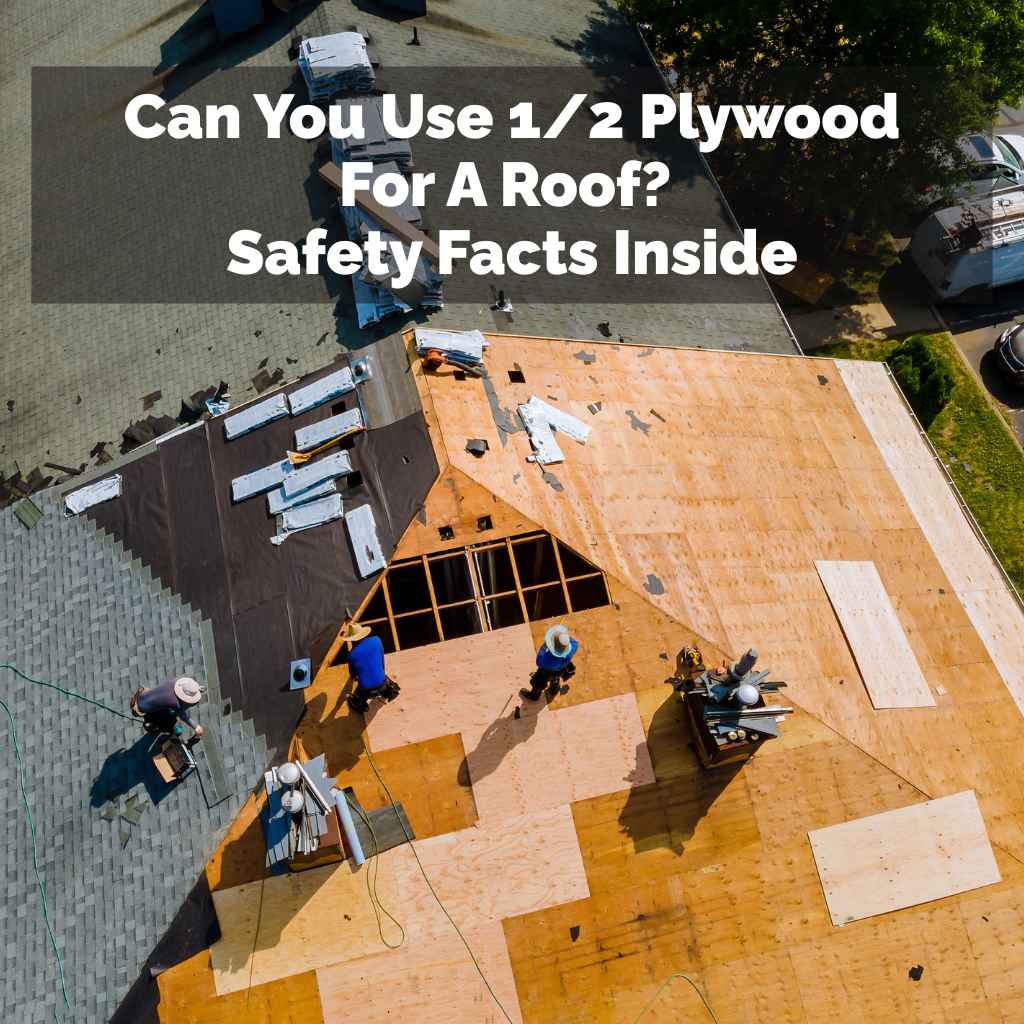
Can You Use 1/2 Plywood For A Roof? Safety Facts Inside
It’s a question many DIYers and even some seasoned builders ponder when looking at a roofing project: can you use 1/2 inch plywood for a roof? You might be tempted by the cost savings or availability. But when it comes to something as critical as your home’s roof, cutting corners can lead to big problems down the line.
Let’s break down what you need to know to make the right choice.
A 1/2 inch plywood is generally not recommended as the primary sheathing for most residential roofing applications. Thicker, stronger materials like 5/8 inch or 3/4 inch plywood or OSB are typically required to meet structural demands, building codes, and ensure long-term roof performance and safety.
For panel-thickness-specific H-clip options, structural screws and real 2026 CDX/OSB pricing, see our best plywood for roofing comparison.
What is Roof Sheathing and Why Does It Matter?
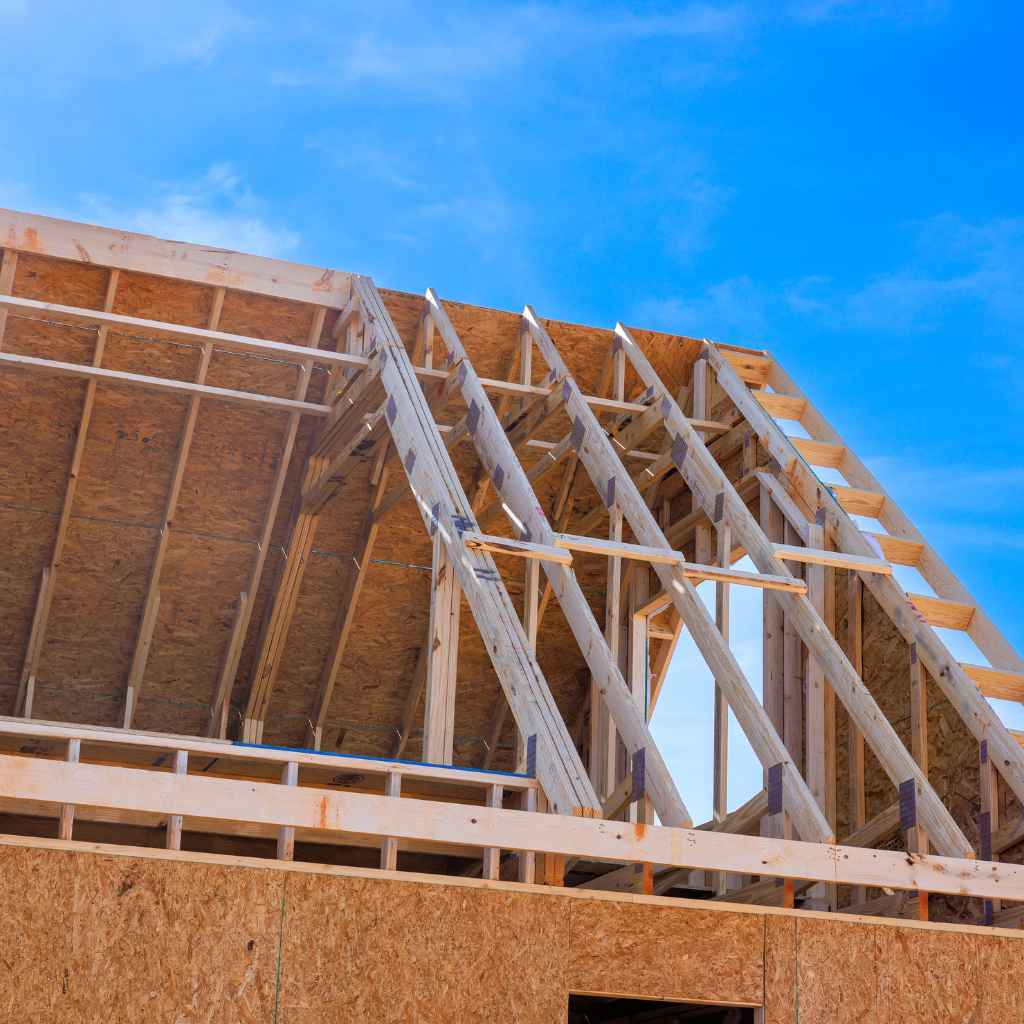
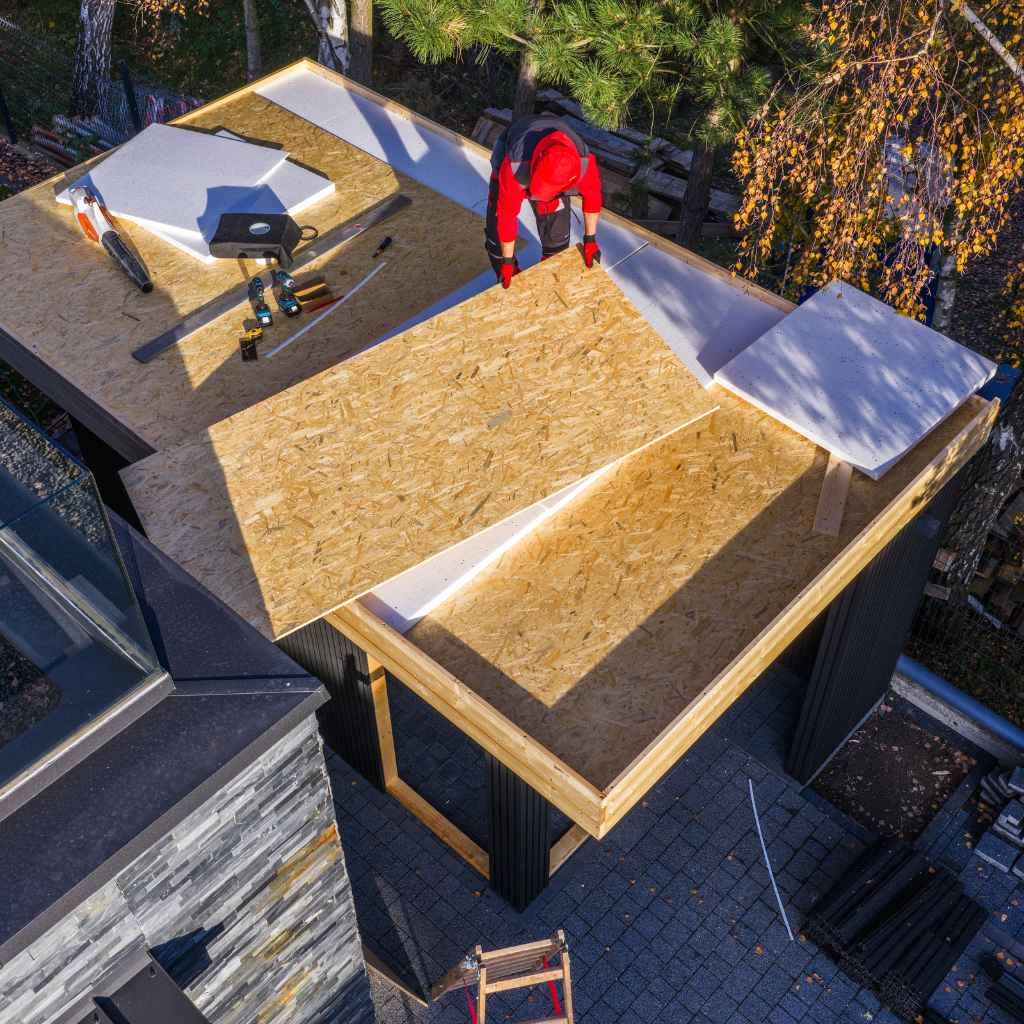
Roof sheathing is the solid layer that covers your roof rafters. Think of it as the base for your shingles or other roofing material. It’s super important because it does a lot of work.
It holds everything together. It spreads the load from snow, rain, and even people walking on it.
The sheathing is what gives your roof its shape and strength. Without it, your roof would sag. It would be weak.
It needs to be strong enough to handle wind. It must also support the weight of the roofing materials themselves. Plus, it acts as a barrier.
It keeps water out.
Building codes set rules for roof sheathing. These rules are there for safety. They ensure your roof can handle the forces it will face.
Using the wrong thickness or type of sheathing can lead to leaks. It can cause structural damage. It might even lead to the roof failing.
That’s a very bad day.
The Role of Plywood in Roofing
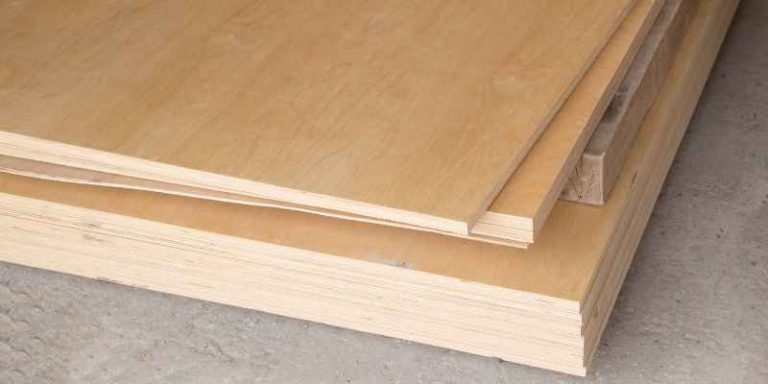
Plywood has been a popular choice for roof sheathing for a long time. It’s made from thin layers of wood glued together. These layers run in different directions.
This makes plywood strong. It resists bending and breaking.
Different types of plywood exist. For roofing, you usually see CDX plywood. The ‘C’ and ‘D’ refer to the quality of the wood.
‘X’ means it’s suitable for exterior use. This means it can handle some moisture.
Plywood needs to be thick enough. It needs to be strong enough for the job. The thickness is measured in fractions of an inch.
Common thicknesses for roof sheathing are 1/2 inch, 5/8 inch, and 3/4 inch. Each has its place.
But not all thicknesses are good for every roof. The span between your rafters matters. The type of roofing material matters.
Snow loads in your area matter too. These all affect how strong your sheathing needs to be.
Why 1/2 Inch Plywood Is Often Not Enough
So, why is 1/2 inch plywood often not the best choice for a roof? It comes down to strength and support. A 1/2 inch panel is thinner.
It’s not as rigid as thicker options. This means it can bend more.
Imagine snow piling up on your roof. Or think about heavy rain. A 1/2 inch sheet might not hold that weight well.
It could start to sag between the rafters. This sagging puts extra stress on the shingles above it. It can cause them to crack or lift over time.
Wind is another big factor. Strong winds can lift shingles. They can also put pressure on the roof deck.
A thinner sheathing might not resist this uplift force as well. This can lead to shingles blowing off. Or worse, parts of the roof could be damaged.
Building codes are very specific. They usually call for thicker sheathing. This is especially true if your rafters are spaced far apart.
Standard rafter spacing for roofs is often 24 inches on center. For this spacing, 1/2 inch plywood is rarely sufficient.
Let’s look at a quick example. If your rafters are 24 inches apart, 1/2 inch plywood might flex too much. It doesn’t have enough strength to span that distance safely.
Codes often require 5/8 inch or 3/4 inch for this span. For closer rafter spacing, like 16 inches, 1/2 inch might be acceptable in some limited cases, but it’s still pushing it. It’s always best to check local codes.
Plywood Thickness vs. Rafter Spacing
Label: Rafter Span
Note: The distance between your roof rafters is a key factor. Longer spans need stronger sheathing. 1/2 inch plywood is best for very short spans.
Building Codes and Structural Integrity
Building codes are your best friend here. They are not just suggestions. They are legal requirements.
They exist to protect you and your family. They ensure your home is safe and sound.
Different areas have different codes. These codes consider things like local weather. They look at typical snow loads.
They also look at wind speeds. A region with heavy snowfall will have stricter requirements for roof strength.
Most residential building codes specify the minimum thickness of roof sheathing. They also define the maximum spacing allowed between rafters or trusses. For standard roof framing (24-inch on-center rafters), 1/2 inch plywood is almost never allowed for the main roof deck.
For example, the International Residential Code (IRC) is used in many parts of the U.S. It often requires 5/8 inch or 3/4 inch tongue-and-groove plywood. Or it might allow 5/8 inch OSB (Oriented Strand Board).
These are for spans up to 24 inches. If you use 1/2 inch plywood, the rafter spacing would need to be much closer, perhaps 16 inches or even less.
It’s vital to check with your local building department. They can tell you exactly what is required in your specific area. Don’t guess.
Don’t assume. A permit is usually needed for a roof replacement. The inspector will check the materials used.
Using the wrong sheathing could mean failing inspection. You might have to tear it all out and start again.
My Own Roof Scare
I remember working on a friend’s shed roof a few years back. He was on a tight budget. He found a great deal on some 1/2 inch plywood.
He was convinced it would be fine. “It’s just a shed,” he said.
I looked at the plans. The rafters were spaced 24 inches apart. I felt a knot in my stomach.
I explained that building codes usually require thicker sheathing for that span. I told him about the risks: sagging, leaks, and potential collapse if it got too much weight.
He waved it off. “It’s cheap, and it’s a small roof.” I reluctantly agreed to help, but I kept worrying. A few months later, we had a really heavy snowstorm.
I got a call from him. He sounded panicked. Water was dripping into his shed.
He was afraid the roof was going to cave in.
When I went over, I could see the plywood roof deck visibly sagging in the middle of the spans. It was a mess. Water had found its way through tiny gaps.
We had to pull off the shingles and
Common Plywood Grades for Roofing
CDX Plywood: Most common for roof sheathing. ‘C’ and ‘D’ refer to the veneer quality, ‘X’ means it’s rated for exterior use.
APA Rated Sheathing: Look for the APA (Engineered Wood Association) stamp. It confirms the panel meets specific structural standards.
OSB vs. Plywood for Roof Sheathing
You’ll often see OSB used for roof sheathing too. It’s another type of engineered wood. OSB is made from wood strands pressed and glued together.
It’s often cheaper than plywood. It can also be very strong.
For structural purposes, OSB and plywood perform similarly when they are the same thickness and quality. Many building codes allow OSB as an alternative to plywood. For example, 7/16 inch OSB is often equivalent to 1/2 inch plywood in strength.
But again, codes specify what’s acceptable.
OSB can be more sensitive to moisture. If it gets wet and stays wet, it can swell and delaminate. Plywood, with its cross-grained layers, tends to hold together better when damp.
However, both need to be protected by roofing materials.
When choosing between them, consider the cost. Also, consider your local climate. If you have very wet conditions, plywood might offer a slight edge in durability.
But for most typical applications, a properly installed OSB roof deck is just as good as plywood.
The key is always using the correct thickness for the rafter span. And ensuring the panels are installed correctly. This means staggering the seams.
It means using the right fasteners.
OSB vs. Plywood: Key Differences
Plywood: Layers of wood veneer glued cross-grain. Strong, good moisture resistance.
OSB: Wood strands glued in layers. Often more affordable, can swell if exposed to moisture.
Performance: Similar structural strength when same thickness and quality.
Code Approval: Both are widely accepted by building codes when used correctly.
When Might 1/2 Inch Plywood Be Okay? (Very Limited Cases)
There are very few situations where 1/2 inch plywood might be considered for a roof. These are usually for structures that don’t face the same demands as a home’s main roof.
Think about a small garden shed. Or a simple playhouse. The rafters on these might be spaced very close together, like 16 inches on center.
If the structure won’t hold much weight (no heavy storage, no foot traffic), and the climate is mild, then 1/2 inch might work.
However, even in these cases, it’s still a gamble. Codes might still apply. If you plan to put shingles on it, they need a solid deck.
A 1/2 inch deck might not provide enough grip for the nails. Shingles might pull out over time.
Another scenario could be using 1/2 inch plywood as a second layer over an existing, solid roof deck. But this is rare and needs expert advice. Adding layers without understanding the structural implications can be dangerous.
The safest answer is almost always to go with thicker, code-approved materials. The extra cost is minimal compared to the potential repair bills and safety risks.
The Importance of Proper Fastening
Even if you use the correct thickness of sheathing, installation is crucial. How you attach the panels matters a great deal. This is where many DIY projects run into trouble.
You need to use the right nails. They should be ring-shank nails or screws. These provide better holding power.
They resist the wood panels from pulling away. The length of the fasteners is also important. They need to go through the sheathing and bite firmly into the rafters.
Nail spacing is specified in building codes. Typically, nails are placed every 6 inches along the edges of the panels. They are spaced about 12 inches apart in the field (the middle of the panel).
Properly nailing ties the sheathing securely to the framing.
It’s also important to stagger the seams. This means the seams of one row of panels should not line up with the seams of the next row. This creates a stronger, more continuous surface.
Think of it like laying bricks. You don’t want all the cracks to line up.
Fastening Basics for Roof Sheathing
Fastener Type: Use ring-shank nails (1-1/2″ to 2″) or structural screws.
Edge Spacing: 6 inches on center along panel edges.
Field Spacing: 12 inches on center in the field of the panel.
Seam Staggering: Ensure panel edges don’t align. Use 3-tab or staggered patterns.
Tongue-and-Groove: If using T&G panels, nails are driven through the tongue.
What This Means for Your Roof Project
If you’re planning a new roof or a repair, understanding sheathing is key. Using 1/2 inch plywood is a risk you likely don’t want to take. It might seem like a cost-saver upfront, but the long-term consequences are too severe.
When it’s normal to consider thicker materials: For virtually all residential homes, 5/8 inch or 3/4 inch plywood or OSB is the standard and required material for roof sheathing. This applies to homes in areas with moderate to heavy snow loads or high winds.
When to worry about thinner materials: If you are considering 1/2 inch plywood for your main home’s roof deck, you should worry. It’s highly probable it won’t meet code and will lead to premature failure.
Simple checks you can do: Before starting, get a copy of your local building codes. Look up the requirements for roof sheathing thickness and rafter spacing. If you have an existing roof, you can carefully inspect the underside.
Look for any sagging between the rafters. This is a sign the sheathing might be too thin or failing.
Always consult with qualified roofing professionals. They know the codes. They know the best materials for your specific climate and home structure.
They can ensure the job is done right the first time.
Quick Tips for Choosing Roof Sheathing
Here are some simple steps to follow:
- Check Local Codes First: Always start with your local building department. They have the final say.
- Know Your Rafter Spacing: Measure the distance between your roof rafters or trusses. This is critical.
- Opt for Thicker is Better: For most homes, 5/8 inch or 3/4 inch plywood or OSB is the standard.
- Look for the APA Stamp: Ensure the wood panels are rated for structural use.
- Consider Climate: Areas with heavy snow or strong winds need stronger sheathing.
- Factor in Roofing Material: Some roofing materials might have specific sheathing requirements.
- Don’t Skimp on Fasteners: Use the correct nails or screws and space them properly.
- Hire Professionals: If in doubt, get a qualified roofer to assess your needs.
Frequent Questions About 1/2 Inch Plywood for Roofs
Is 1/2 inch plywood ever allowed for a roof?
In very rare cases, for small, non-critical structures like sheds with very close rafter spacing (16 inches on center) and mild climates, 1/2 inch plywood might be technically permissible by some codes. However, for a main residential roof, it is almost never sufficient or compliant with modern building standards.
What thickness of plywood is standard for roofing?
For most residential roofs in the U.S., the standard thicknesses for plywood or OSB sheathing are 5/8 inch or 3/4 inch, especially when rafters are spaced 24 inches on center. Thinner plywood might be allowed for closer rafter spacing, but 1/2 inch is often considered too thin for typical house roofs.
Can I use 1/2 inch OSB instead of plywood?
The same rules apply to OSB. If 1/2 inch plywood is not sufficient, then 1/2 inch OSB is likely not sufficient either. The structural requirements are based on the material’s strength and thickness relative to the span it needs to cover.
7/16 inch OSB is often considered equivalent to 1/2 inch plywood in strength.
What happens if I use too thin of plywood for my roof?
Using sheathing that is too thin can lead to sagging between rafters. This can cause shingles to crack, lift, or lose their granular coating prematurely. It also compromises the roof’s ability to withstand snow loads and wind uplift, increasing the risk of leaks or structural failure.
How do I know what thickness my roof needs?
The best way to know for sure is to check your local building codes. You can also consult with a professional roofer or structural engineer. They will consider your rafter spacing, expected snow loads, and wind speeds to determine the appropriate sheathing thickness.
Does the type of shingle affect the plywood thickness needed?
While the primary driver for plywood thickness is structural support for loads and spans, the type of shingle can play a minor role. Heavier shingles might require a very rigid deck to prevent movement. However, code requirements for sheathing thickness are mainly driven by structural integrity, not the weight of the shingles themselves.
Conclusion
Making the right choice for your roof sheathing is about safety and longevity. While 1/2 inch plywood might seem like a bargain, it rarely meets the structural demands of a modern home. Stick to code-approved materials like 5/8 inch or 3/4 inch plywood or OSB.
This ensures your roof can handle the elements and protect your home for years to come.
Sponsored / affiliate links. As an Amazon Associate I earn from qualifying purchases. I may earn additional commission from eligible campaigns.