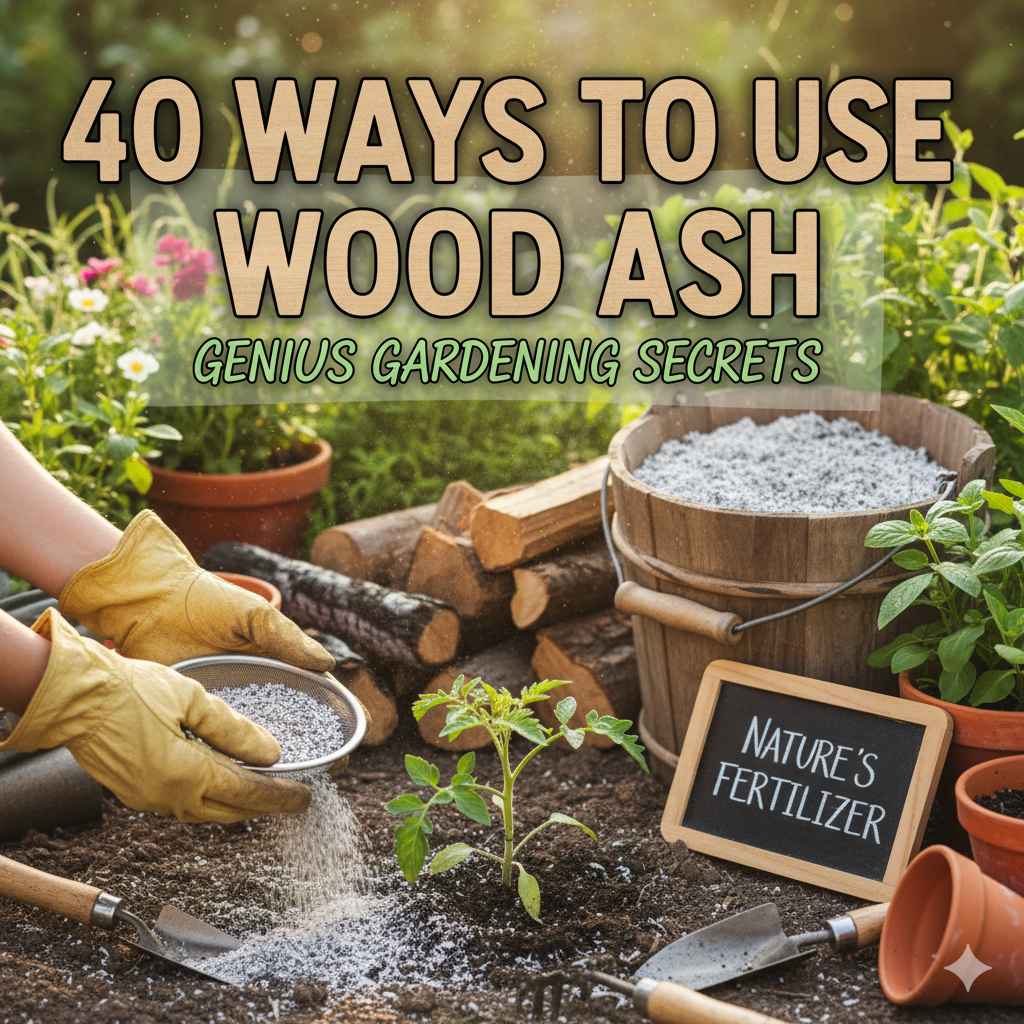
40 Ways to Use Wood Ash: Genius Gardening Secrets
Discover 40 incredible ways to use wood ash in your garden! From fertilizing and pest control to improving soil and even washing dishes, this guide unlocks the hidden potential of fireplace ash, making your gardening simpler, cheaper, and more effective.
Hello there, fellow DIYers and garden enthusiasts! Md Meraj here. If you’ve ever enjoyed the warmth of a crackling fire, you’ve likely ended up with a pile of wood ash. Many people just toss it, but I’m here to tell you that this “waste” is actually a treasure trove for your garden! It might seem a little unusual, but repurposing wood ash is a time-honored practice that can make a big difference in your gardening success.
Thinking about how to get the most out of your garden without spending a fortune? Or maybe you’re just curious about what you can actually do with that bucket of ash? You’re in the right place! We’ll walk through simple, effective ways to use wood ash, transforming it from a fireplace byproduct into a garden powerhouse. Get ready to unlock some truly genius gardening secrets!
Unlocking the Power of Wood Ash: What’s Inside?
Before we dive into the “how-to,” let’s quickly understand what makes wood ash so special for your garden. It’s not just fluffy grey stuff; it’s packed with beneficial minerals!
- Potassium (K): Essential for plant growth, flowering, and fruiting.
- Phosphorus (P): Important for root development and energy transfer.
- Calcium (Ca): Helps build strong cell walls in plants and can sweeten acidic soil.
- Micronutrients: Smaller amounts of magnesium, zinc, copper, and others that plants need.
Think of it as a natural, free fertilizer and soil amendment. It can help balance your soil’s pH, making it more hospitable for many plants. However, it’s crucial to use it correctly. Overdoing it can cause more harm than good, so always start small and observe your plants.
Important Safety & Preparation Tips Before You Begin
Before we get to all the amazing uses, let’s cover a few safety pointers. Working with wood ash is generally safe, but a little preparation goes a long way:
- Cool Ash Completely: Never use hot or even warm ash. Ensure it has cooled for at least 24-48 hours after your fire has gone out. This prevents accidental fires.
- Use Ash from Untreated Wood: Only use ash from natural, untreated hardwoods like oak, maple, or fruitwoods. Avoid ash from pressure-treated lumber, painted wood, or particleboard, as these can contain harmful chemicals you don’t want in your garden.
- Wear Protection: Ash can be dusty and irritating to your lungs and eyes. Wear a dust mask and gloves when handling it, especially when sifting or spreading. Safety glasses are a good idea too.
- Sift for Uniformity: For many applications, especially granular uses, it’s best to sift the ash through a screen (like a window screen or a dedicated sifter) to remove larger chunks of unburnt wood or debris. This ensures a more consistent application.
- Store Properly: Keep your cooled, dry ash in a sealed container (like a plastic bin or metal trash can) to prevent it from becoming damp, which can cause it to clump and lose its effectiveness.
- Know Your Soil: Before adding ash, it’s a good idea to know your soil’s pH. Wood ash will raise pH (make it more alkaline). If your soil is already alkaline, you might want to skip ash applications or use them very sparingly. A simple soil pH test can tell you a lot.

40 Genius Ways to Use Wood Ash in Your Garden and Home
Alright, the moment you’ve been waiting for! Let’s explore the incredible versatility of wood ash. We’ll cover gardening, pest control, and even a few household uses.
1. Soil pH Adjuster (Lime Alternative)
This is the most well-known use. Wood ash is alkaline and can help raise the pH of acidic soil. Many vegetables and flowers thrive in slightly acidic to neutral soil (pH 6.0-7.0).
2. Natural Fertilizer
Rich in potassium and calcium, wood ash provides essential nutrients that promote strong growth, flowering, and fruiting. Sprinkle lightly around plants that love potassium, like tomatoes, beans, and root vegetables.
3. Compost Booster
Adding a thin layer of sifted wood ash to your compost pile can help balance the pH and add valuable minerals. Avoid adding too much, as it can slow down decomposition. A sprinkle every few inches of compost is usually plenty.
4. De-Icer for Walkways
On icy patches, a light dusting of wood ash can provide traction and help melt ice, offering a more eco-friendly alternative to salt. It’s gentler on plants near your paths.
5. Slug and Snail Barrier
Create a ring of dry wood ash around vulnerable plants. Slugs and snails dislike the abrasive texture and will usually avoid crossing it. This works best when the ash is dry.
6. Aphid Deterrent
Lightly dusting affected plants with dry wood ash can deter and dehydrate aphids. Be gentle and rinse the plants with water later if you see ash residue building up.
7. Ant Killer (Natural)
Ants often dislike crossing a line of wood ash. Sprinkle it around ant hills or entry points into your home.
8. Improves Tomato and Pepper Yields
Tomatoes and peppers often suffer from “blossom end rot,” a calcium deficiency. Lightly incorporating ash into the soil around these plants can provide a slow release of calcium.
9. Strengthens Root Systems
The calcium in wood ash contributes to sturdy root development, helping plants anchor themselves well and absorb nutrients more efficiently.
10. Nutrient Boost for Root Vegetables
Carrots, potatoes, and radishes benefit from the potassium and other minerals for healthy growth and good flavor.
11. Strengthens Cell Walls
The calcium in ash helps plants develop stronger cell structures, making them more resistant to pests and diseases.
12. Deterrent for Cabbage Worms
Dusting cabbage, kale, and broccoli plants with ash can deter cabbage worms and other munching pests.
13. Enhances Flower Colors
For some flowering plants, particularly hydrangeas, the available aluminum content (released from ash in certain soil conditions) can promote blue blooms, while a lack of it might lead to pink.
14. Cleans Garden Tools
Rubbing a damp cloth with a bit of wood ash on metal garden tools can help remove rust and grime. The fine abrasive quality works wonders.
15. Neutralizes Odors
Place an open container of dry wood ash in smelly areas like sheds, garages, or even near compost bins to absorb odors.
16. Creates Traction in Mud
Spread a layer of ash on muddy garden paths or driveways to create a more stable, less slippery surface.
17. Strengthens Seedlings
A very light dusting over seedbeds or around young seedlings can provide a gentle nutrient boost and help them grow stronger.
18. Weed Control (Carefully!)
Sprinkling ash along cracks in pavement or on gravel paths can help prevent weeds from growing. Be cautious, as it can kill any plant it directly touches.
19. Pest Control for Fruit Trees
Apply a light ring of ash around the base of fruit trees to deter borers and other pests that crawl up the trunk.
20. Promotes Healthy Lawn
A very light, even application of sifted ash in the spring can add potassium and calcium to your lawn, improving its overall health and resilience. Avoid over-application, which can burn grass.
21. Improves Drainage in Heavy Clay Soil
While not a primary amendment, a small amount of ash mixed into heavy clay soil can help improve its structure and drainage over time due to the calcium content.
22. Natural Abrasive Cleaner
Use ash with a damp cloth to scrub stubborn grime off pots, pans, or sinks. It’s a mild abrasive that won’t typically scratch surfaces but removes tough residues. Test in an inconspicuous area first.
23. Controls Powdery Mildew
A light dusting of wood ash on plants susceptible to powdery mildew (like squash or lilacs) can help dry it out and prevent its spread. Apply in the morning when dew is present.
24. Enriches Garden Beds
Gently work a light layer of ash into the top few inches of your garden beds each spring or fall to continually enrich the soil with minerals. Remember, a little goes a long way.
25. Helps Deter Fleas and Ticks (Outdoor Areas)
Some people report success in sprinkling a bit of ash in areas where pets frequent outdoors to deter fleas and ticks. This is a less conventional use but worth a try for some.
26. Natural Antacid for Soil
For gardens that are naturally too acidic (common in areas with high rainfall), ash acts like a natural antacid, bringing the pH closer to neutral and benefiting a wider range of plants.
27. Aids in Compost Aeration
When added in moderate amounts, the fine particles of ash can help improve the aeration of your compost pile, preventing it from becoming too dense.
28. Boosts Vegetable Flavor
Minerals like potassium are crucial for developing sugars in fruits and vegetables, potentially leading to improved taste and sweetness.
29. Natural Frost Protection Aid
A light dusting around the base of tender plants can offer a tiny bit of insulation and help absorb some ground moisture, potentially offering minimal frost protection.
30. Improves Pasture Health
For livestock owners, a light application on pastures can add essential minerals for grazing animals, particularly if soil tests indicate deficiencies in potassium or calcium.
31. Cleans Grill Grates
After cleaning off food residue, a bit of ash on a brush can help scrub away stubborn grease and burnt-on bits from grill grates. Rinse thoroughly afterward.
32. Soap Making (Trace Amounts)
Historically, lye derived from hardwood ash was used in soap making. While complex and potentially hazardous due to lye concentration, trace amounts of ash can contribute minerals to modern, cold-process soap recipes for cosmetic purposes (but be sure to research safe lye substitute methods thoroughly).
33. Restores Shine to Enameled Surfaces
A paste made from ash and water can be used to gently clean and restore the shine to old enamelware or tubs. Test first!
34. Pest Barrier for Seedlings
A fine ring of ash around newly planted seedlings can deter cutworms and other ground-dwelling pests that might damage them.
35. Neutralizes Stink Bugs
If you have stink bugs in your garden, a gentle dusting of ash can help dehydrate and deter them. They often hide on the undersides of leaves.
36. Strengthens Flower Stems
Calcium is vital for plant structure. Ash can help provide this, leading to stronger stems on flowers, making them less prone to drooping or breaking.
37. Aids in Disease Prevention
Healthier, stronger plants with robust cell walls (thanks to calcium) are naturally more resistant to various fungal and bacterial diseases. Ash can contribute to this overall plant health.
38. Improves Soil Structure in Sandy Soil
While less effective than in clay, adding ash to sandy soil can bind particles slightly, improving water and nutrient retention due to mineral content.
39. Deodorizing Pet Bedding/Litter Boxes
A very light sprinkle of dry ash mixed into pet bedding or dry litter can help absorb odors. Ensure minimal ash is used and it won’t be ingested.
40. Enhances Growth of Legumes
Legumes like beans and peas often appreciate the potassium and calcium wood ash provides, supporting their nitrogen-fixing abilities and overall growth.
When NOT to Use Wood Ash
It’s just as important to know when to hold back. Here are a few situations where wood ash might not be your friend:
- On Acid-Loving Plants: Plants like blueberries, azaleas, rhododendrons, and evergreens prefer acidic soil. Wood ash will raise the pH, harming these plants.
- If Your Soil pH is Already High: If your soil is already neutral or alkaline (pH 7.0 or higher), adding more ash will make it too alkaline for most plants.
- In Excessive Amounts: Too much of a good thing can be bad. Over-application can lead to nutrient burn, soil imbalances, and lock up other essential nutrients. A light, even application is key.
- On Newly Sown Seeds Unless Very Diluted: While it can offer some benefits later, a heavy application on seeds can inhibit germination due to potential salt buildup or pH shock.
- From Treated or Contaminated Wood: As mentioned, never use ash from painted, varnished, or chemically treated wood.
- When Wet: Wet ash clumps and is hard to spread evenly; it also loses some of its beneficial properties. Always use it dry.
How Much Wood Ash is Too Much?
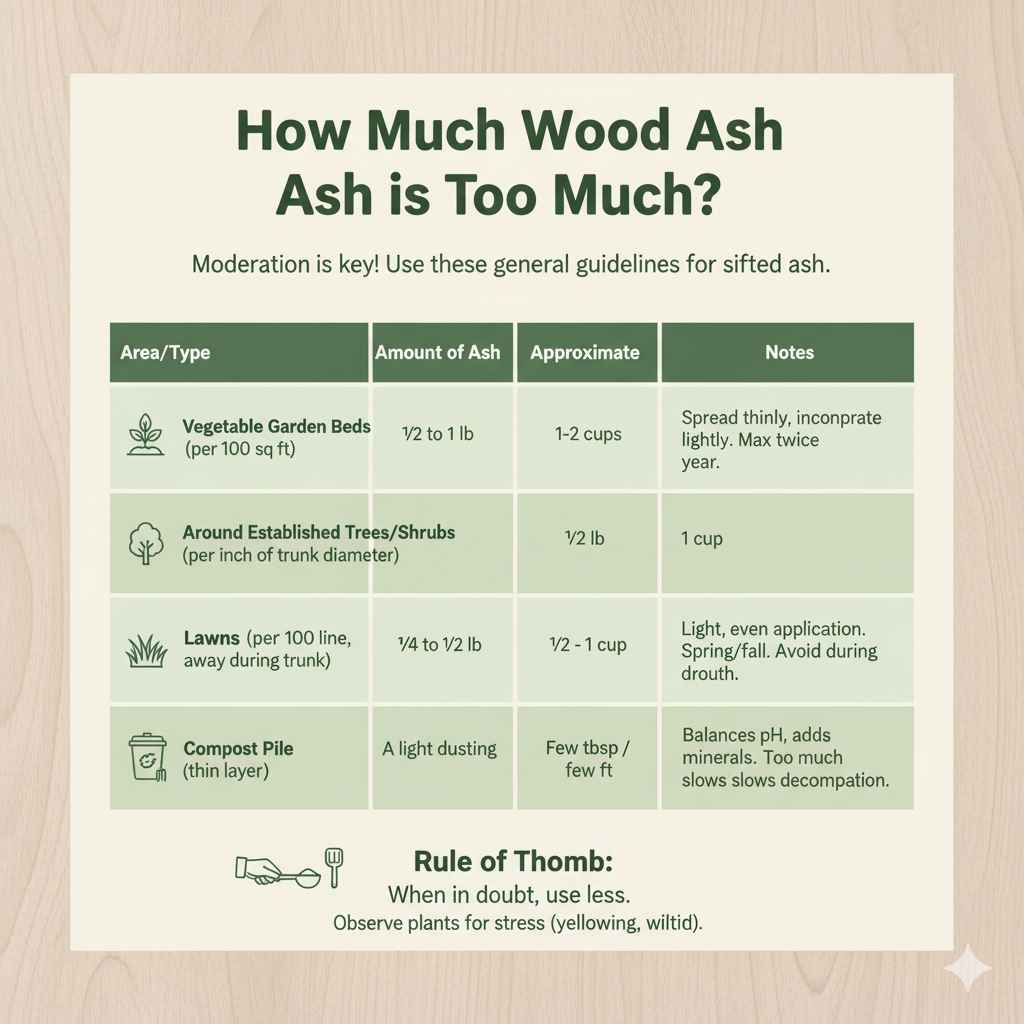
This is a critical question! Since wood ash is alkaline and can raise soil pH, moderation is key. There’s no single “magic number” as it depends on your soil type, current pH, and plant needs. However, here are some general guidelines:
General Application Rates (Sifted Ash):
For typical garden soil amendment (to raise pH by about 0.5 points):
| Area/Type | Amount of Ash | Notes |
|---|---|---|
| Vegetable Garden Beds (per 100 sq ft) | ½ to 1 lb (approx. 1-2 cups) | Spread thinly and lightly incorporate. Do not apply more than twice a year. |
| Around Established Trees/Shrubs (per inch of trunk diameter) | ½ lb (approx. 1 cup) | Apply at the drip line, not touching the trunk. |
| Lawns (per 100 sq ft) | ¼ to ½ lb (approx. ½ – 1 cup) | Very light and even application in spring/fall. Avoid during drought. |
| Compost Pile (thin layer) | A light dusting (a few tablespoons every few feet of compost) | Helps balance pH and adds minerals. Too much hinders decomposition. |
Rule of Thumb: When in doubt, use less. You can always add more later if needed. Observe your plants for signs of stress (yellowing, wilting) which could indicate too much alkaline material.
For more precise recommendations based on your soil, consult your local Cooperative Extension Service. They often offer free or low-cost soil testing and tailored advice.
Frequently Asked Questions About Wood Ash
Q1: Can I use ash from my backyard fire pit for gardening?
A: Yes, as long as it’s from natural, untreated wood and has cooled completely. Avoid ash from treated lumber, painted wood, or coals from charcoal briquettes, as these can be harmful.
Q2: How often can I apply wood ash to my garden?
A: It’s best to apply wood ash sparingly, typically no more than twice a year, or even less. Overuse can make your soil too alkaline and create nutrient imbalances. Always observe your plants and soil.
Q3: What’s the best way to apply wood ash?
A: For soil amendment, spread a thin, even layer and lightly work it into the top few inches. For barriers (like slug deterrents), apply a dry ring around plants or garden beds.
Q4: Will wood ash harm my acid-loving plants like blueberries or azaleas?
A: Absolutely. Wood ash is alkaline and will raise soil pH. Acid-loving plants need acidic soil (low pH), so avoid applying ash anywhere near them.