4×8 1/2 Inch Plywood Sheets Prices and Deals
Finding the right plywood can feel a bit tricky, especially when you’re just starting out. You want to know about 4×8 1/2 Inch Plywood Sheets: Prices & Best Deals but aren’t sure where to begin. It’s like looking for a specific tool in a big workshop; there are many options!
Don’t worry, we’ll make it super simple. We’ll walk through everything step by step, so you’ll know exactly what to look for to get the best value for your projects. Let’s find out how to get great plywood without breaking the bank.
Finding 4×8 1/2 Inch Plywood Sheets Best Deals
This section is all about helping you discover where and how to find the most affordable 4×8 1/2 inch plywood sheets. We’ll talk about different types of stores, what to look for when comparing prices, and some smart ways to save money. Getting good quality plywood at a good price makes a big difference in your project budget and the final outcome.
We’ll cover how to check for quality, understand different grades, and even explore less obvious places to find deals.
Where to Buy Plywood
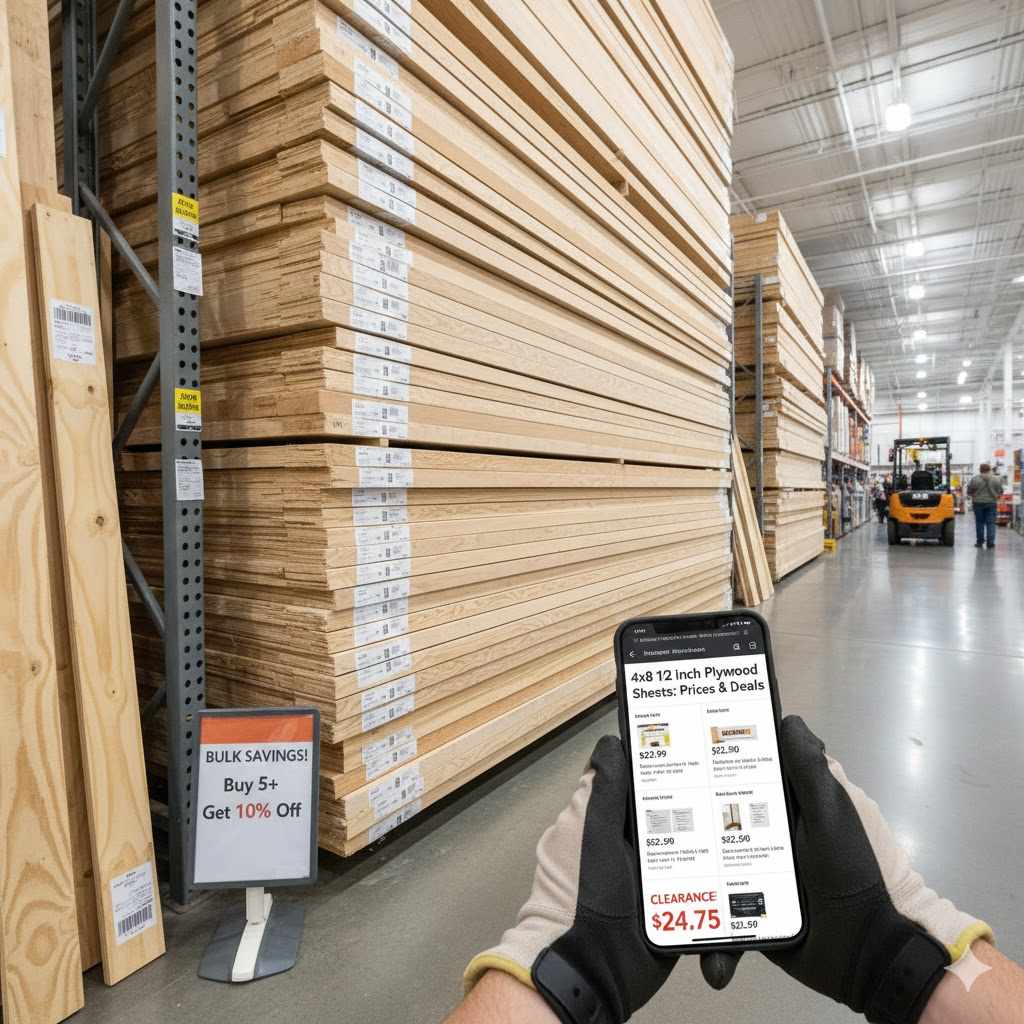
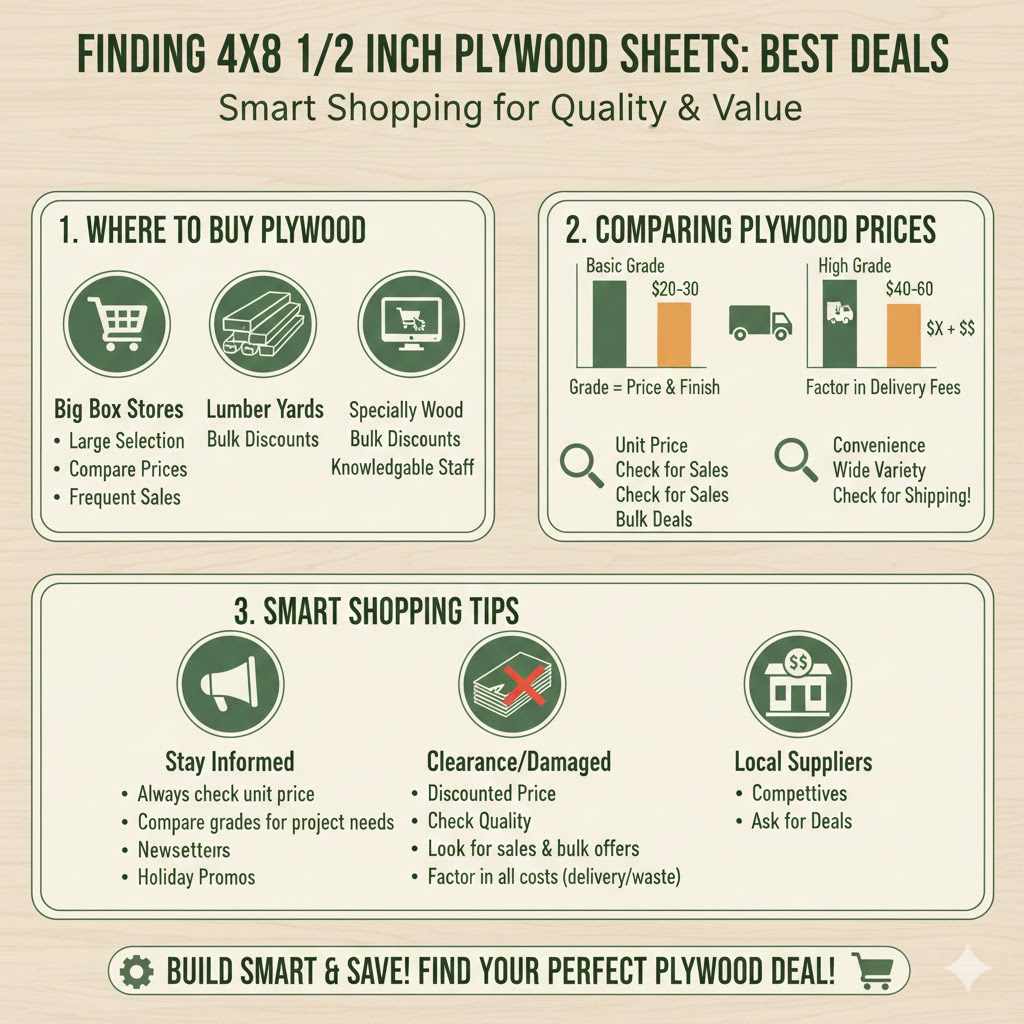
Many places sell plywood, but some are better for finding deals on specific sizes like 4×8 1/2 inch sheets. Big box home improvement stores are common choices, offering a wide selection. Lumber yards are another great option, often providing more specialized wood products and sometimes better pricing if you buy in bulk.
Local hardware stores can also be good for smaller projects, though their selection might be more limited. Online retailers are growing in popularity, too, offering the convenience of delivery.
- Big Box Stores: These stores, like Home Depot or Lowe’s, have large lumber sections. They carry many types of plywood, from common pine to more specialized options. You can usually find different grades and thicknesses. It’s easy to compare prices side-by-side in person.
- Lumber Yards: Professional lumber yards cater to contractors but are often welcoming to DIYers. They may have better quality wood and more knowledgeable staff. Prices can sometimes be lower, especially for larger quantities. They might also stock specialty plywood not found in big box stores.
- Online Retailers: Shopping online for plywood can be convenient, with many websites offering various brands and types. Delivery straight to your home is a big plus, saving you a trip. Make sure to check shipping costs, as plywood is heavy. Reading customer reviews can help you gauge quality.
Comparing Plywood Prices
When you’re looking for the best deals on 4×8 1/2 inch plywood sheets, comparing prices is key. Prices can vary a lot based on the wood species, grade, and the seller. Always check the unit price to make sure you are comparing apples to apples.
Don’t forget to factor in any delivery fees if you’re not picking it up yourself. Sometimes, a slightly higher price at one place might be a better deal overall if it includes free shipping or better quality.
A common mistake is only looking at the sticker price. Consider the grade of the plywood. Higher grades will cost more but offer a smoother finish and fewer imperfections, which might be worth it for visible projects.
Lower grades are fine for structural or hidden uses. Always ask if there are any sales or discounts happening. Some stores offer discounts for bulk purchases, which can lead to significant savings if you need many sheets.
Tips for Finding Discounts
Finding discounts on plywood often involves being a smart shopper. Many stores have weekly flyers or online sales that list discounted items. Signing up for store newsletters can alert you to special promotions.
Keep an eye out for clearance sections, where you might find slightly damaged sheets at a reduced price. These can be perfect for projects where appearance isn’t critical. Sometimes, end-of-season sales or holiday promotions offer good savings.
Another way to save is by looking for bundles or special offers. Some retailers might have deals if you buy a certain number of sheets. Also, consider looking for local sawmills or smaller lumber suppliers.
They might not have the same marketing budgets as large chains but can offer very competitive prices, especially if you’re buying a significant amount. Don’t be afraid to ask about any potential deals or upcoming sales.
Understanding Plywood Grades and Types
Plywood isn’t just one thing; it comes in different grades and types, each suited for specific uses and priced accordingly. Knowing these differences helps you choose the right 4×8 1/2 inch sheet for your project and avoid overspending on something you don’t need. The grade tells you about the quality of the wood’s surface, while the type tells you about its construction and intended environment.
This knowledge is crucial for getting the best value and performance.
Plywood Grading Explained
Plywood is graded based on the quality of its face (front) and back veneers, as well as the inner plies. The grading system typically uses letters. The face grade is usually better than the back grade.
For example, an “A-B” grade means the face is an A-grade veneer and the back is a B-grade veneer. An “A-A” grade is the highest quality, with smooth, blemish-free surfaces on both sides.
Grades like “C” and “D” indicate more imperfections such as knots, patches, or sanding flaws. “C-D” plywood is typically used for subflooring or projects where the surface won’t be seen. Understanding these grades helps you match the plywood’s appearance to your project’s needs.
For furniture or visible cabinetry, you’ll want a higher grade like A or B. For utility shelves or workshop benches, a C or D grade might be perfectly adequate and much cheaper.
- A-Grade: This is the smoothest and most attractive grade. It has a uniform texture and is free of knots or patches, making it ideal for painted or stained finishes where appearance is important.
- B-Grade: Slightly less perfect than A, B-grade may have small, neatly made repairs or patches. It’s still a good surface for painting and can be used for visible surfaces when cost is a factor.
- C-Grade: This grade has more visible defects, like football-shaped patches or knots. It’s often used where appearance is not the primary concern, such as utility shelving or backing.
- D-Grade: The lowest grade, D-grade plywood has larger knots, open splits, and other significant defects. It’s the most economical choice and is suitable for hidden structural applications or when you plan to cover it completely.
Types of Plywood
Beyond grades, plywood is also categorized by its intended use, especially concerning moisture resistance. The most common types are interior, exterior, and marine-grade plywood. For 4×8 1/2 inch sheets, you’ll likely encounter these distinctions.
Choosing the right type ensures your project lasts and performs as expected, especially if it will be exposed to different conditions.
Interior plywood uses adhesives that are not waterproof. It’s designed for dry indoor environments like furniture, cabinetry, and wall paneling. Exterior plywood uses waterproof adhesives, making it suitable for outdoor applications like sheds, fences, or furniture that might get wet.
Marine-grade plywood is the most durable, made with waterproof glues and high-quality veneers, designed to withstand constant moisture and even immersion in water, often used for boat building.
Comparing Common Plywood Species
The type of wood used to make the plywood also affects its price, strength, and appearance. Common species include pine, fir, poplar, birch, and hardwood varieties. Pine and fir are often more affordable and widely available, making them great for general construction and utility projects.
Poplar is a good middle-ground option, offering a smoother surface than pine and often used for painted furniture. Birch plywood is known for its strength, durability, and smooth, light-colored surface, making it a popular choice for cabinets and high-end furniture. Hardwood plywood, made from species like oak, maple, or cherry, offers the best appearance and durability but comes at a higher price point.
For general DIY projects, pine or fir 4×8 1/2 inch sheets are often the best value.
| Plywood Type | Adhesive | Best Use | Typical Price Range (per sheet) |
|---|---|---|---|
| Interior | Non-waterproof | Furniture, cabinets, dry indoor use | $20 – $40 |
| Exterior | Waterproof | Sheds, fences, outdoor furniture | $30 – $60 |
| Marine | Waterproof, high strength | Boat building, high moisture areas | $70 – $150+ |
Factors Affecting 4×8 1/2 Inch Plywood Sheet Prices
Several factors influence the cost of 4×8 1/2 inch plywood sheets, beyond just the grade and species. Understanding these variables helps you predict price fluctuations and identify when a deal is truly good. The thickness of the plywood is a primary driver of cost, as is the manufacturing location and current market demand.
Economic conditions also play a role, affecting the price of raw materials and transportation.
Thickness and Its Price Impact
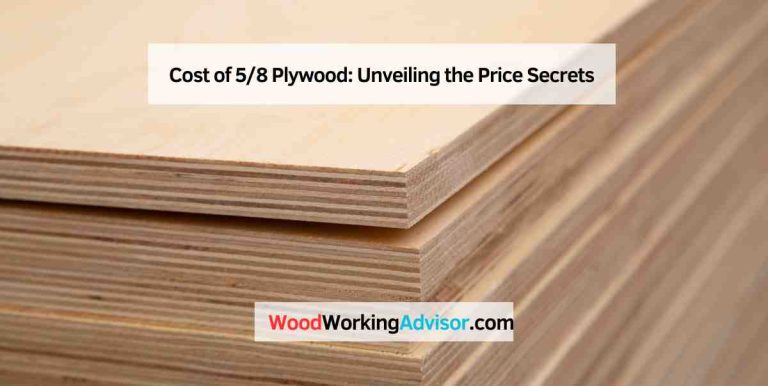
The thickness of plywood is measured in fractions of an inch. Common thicknesses for 4×8 sheets include 1/4 inch, 3/8 inch, 1/2 inch, 5/8 inch, and 3/4 inch. Generally, the thicker the plywood, the more wood veneer is used, and the higher the cost.
A 3/4 inch sheet will be significantly more expensive than a 1/4 inch sheet of the same grade and species.
For projects requiring structural integrity or heavy support, thicker plywood is necessary. However, if your project only needs a surface or light support, a thinner, cheaper sheet will suffice. For example, 1/2 inch plywood is often used for shelving or cabinet backs, while 3/4 inch might be needed for a workbench top or subflooring.
Always choose the thickness that meets your project’s needs without going overboard, to maximize savings.
Market Demand and Supply
Like any commodity, plywood prices are subject to the forces of supply and demand. When demand is high, for instance, during a construction boom or a surge in DIY projects, prices tend to rise. Conversely, if there’s an oversupply or a slowdown in construction, prices may drop.
Staying informed about general economic trends and the construction industry can give you clues about pricing patterns.
The availability of raw materials, such as timber, also affects supply. If there are shortages or price increases in lumber, this will likely translate to higher plywood prices. Some seasons might see higher demand than others; for example, springtime often brings an increase in outdoor building projects, potentially driving up prices for exterior-grade plywood.
Geographic Location and Transportation Costs
Where you buy your plywood can significantly impact its price. Prices can vary from region to region due to local market conditions, the cost of doing business, and transportation expenses. Plywood manufactured closer to your location might be cheaper because of lower shipping costs.
Conversely, if you’re buying imported plywood, the price will include costs associated with international shipping and tariffs.
Big box stores often have a standardized pricing structure across their locations, but local lumber yards may offer more regional pricing. It’s worth checking multiple sources, including those outside your immediate neighborhood if feasible, especially if you’re buying in bulk. The cost of fuel also plays a part in transportation expenses, so prices might fluctuate with gas prices.
Real-Life Example: A DIY Cabinet Project
Consider a DIYer building a set of kitchen cabinets. They need 4×8 1/2 inch plywood for the cabinet boxes and shelves. They decide to use 1/2 inch birch plywood for its durability and smooth finish, suitable for painting.
Scenario 1: Shopping at a Big Box Store
Price per sheet of 1/2 inch birch plywood: $55
Number of sheets needed: 5
Subtotal: $275
Delivery fee: $50
Total cost: $325
Scenario 2: Shopping at a Local Lumber Yard
Price per sheet of 1/2 inch birch plywood: $52
Number of sheets needed: 5
Subtotal: $260
Delivery fee: $30 (offered a better bulk rate)
Total cost: $290
In this example, the local lumber yard offered a better overall deal due to a slightly lower per-sheet price and a more favorable delivery charge for multiple sheets. This illustrates how comparing different retailers is essential for finding the best prices and deals. The DIYer saved $35 by doing a little extra research.
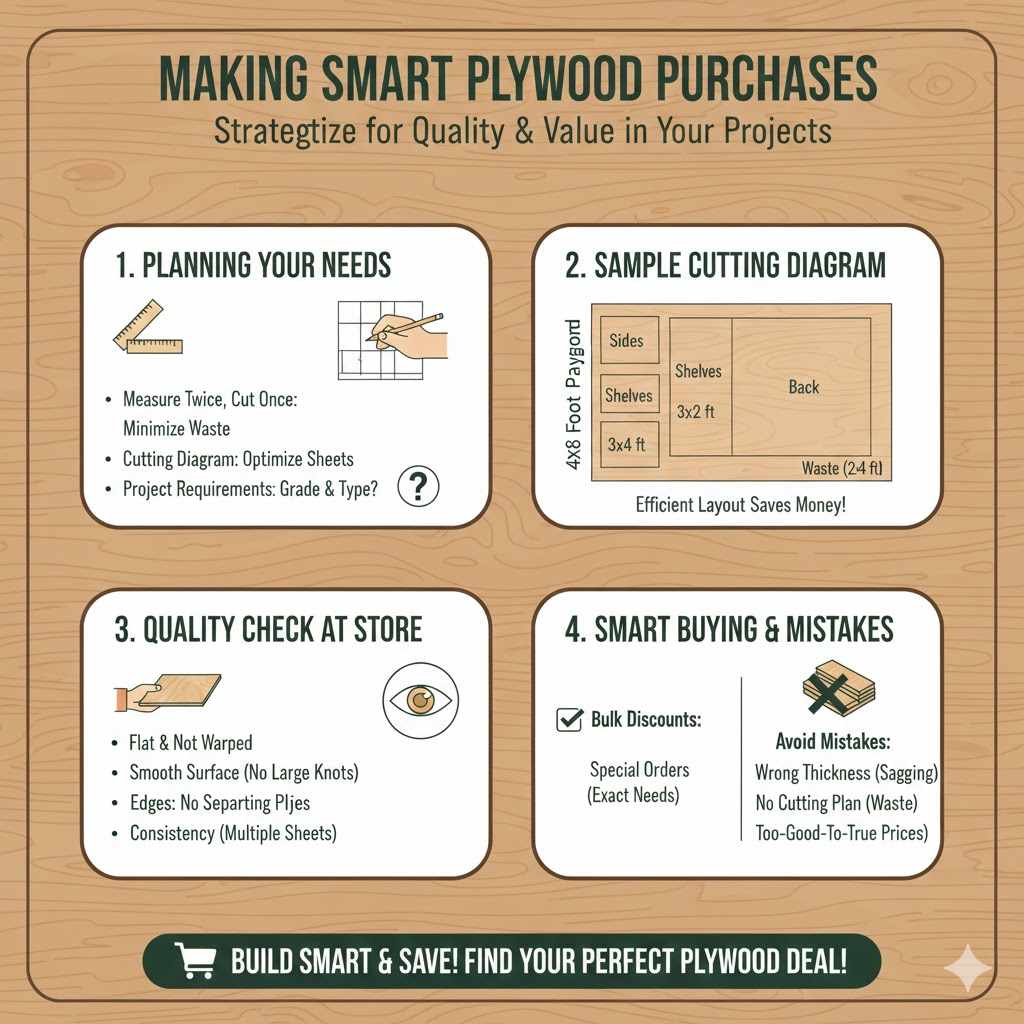
Making Smart Plywood Purchases
Once you know where to look and what to look for, making smart purchases of 4×8 1/2 inch plywood sheets becomes much easier. It’s about balancing cost, quality, and your project’s specific needs. Buying too much or the wrong type can be wasteful, while buying the cheapest option might compromise your project’s durability.
We’ll cover how to plan your purchase and avoid common pitfalls.
Planning Your Plywood Needs
Before you even head to the store, measure your project carefully. Create a cutting diagram to figure out exactly how many sheets you need and how to cut them most efficiently. This planning step is crucial for minimizing waste.
Sometimes, a slightly different size sheet might be cheaper if it fits your cuts better. Always round up to the nearest whole sheet to avoid running short.
Also, consider the specific requirements of your project. Will the plywood be visible? Does it need to withstand moisture?
Is it for structural support? Answering these questions will help you determine the appropriate grade, type, and thickness, guiding you toward the most cost-effective choice that still meets quality standards.
Sample Cutting Diagram Scenario
Imagine you need to build a small storage unit with shelves. You need:
- Two sides measuring 3 feet by 4 feet.
- One top and one bottom measuring 3 feet by 2 feet.
- Three shelves measuring 3 feet by 2 feet.
- A back panel measuring 4 feet by 6 feet.
A standard 4×8 foot sheet is 48 inches by 96 inches.
- To get the two 3×4 foot sides (36×48 inches), you can cut one 4×8 sheet in half, yielding two 4×4 pieces (48×48 inches). You’ll need to trim these to 3×4 feet, leaving some waste. Or, you can get one 4×4 piece and cut the 3×4 from it, and use the remaining piece for other parts.
- The top, bottom, and shelves are 3×2 feet (36×24 inches). From a 4×8 sheet, you can cut several of these. For example, cutting a 48×96 sheet into 24-inch strips gives you four 48×24 inch pieces. You could get one top (48×24) and two shelves (36×24) from one of these strips.
- The back panel is 4×6 feet (48×72 inches). You could cut this from a 4×8 sheet, leaving a 4×2 foot piece.
Careful planning with a cutting diagram, often drawn to scale, helps determine the most efficient way to cut all your pieces from the fewest number of 4×8 1/2 inch plywood sheets, thereby minimizing costs and waste.
Checking Plywood Quality at the Store
When you’re at the store, take a moment to inspect the plywood sheets you are considering. Look for flat sheets that aren’t warped or twisted. Run your hand over the surface to feel for large knots, splits, or rough patches, especially if you’re buying a higher grade.
Check the edges of the sheet to ensure the plies are well-bonded and not separating. Some minor surface imperfections are normal, especially in lower grades, but excessive damage can weaken the sheet. If buying multiple sheets, try to select ones that are as similar in quality as possible to ensure consistency in your project.
Avoiding Common Mistakes
One common mistake is buying plywood that is too thin or too thick for the intended use. This can lead to sagging shelves, weak joints, or unnecessary expense. Another mistake is not accounting for waste; cutting complex shapes or multiple small pieces from a large sheet often results in leftover material.
Always plan your cuts.
Also, be wary of prices that seem too good to be true. Extremely low prices might indicate lower quality, damaged goods, or a different grade of plywood than advertised. Always verify the grade and type of plywood before purchasing to ensure you’re getting exactly what you need for your 4×8 1/2 inch plywood sheets: prices & best deals.
Bulk Buying and Special Orders
If you have a large project or anticipate needing a lot of plywood, consider buying in bulk. Many retailers offer discounts for purchasing a full pallet or a large quantity of sheets. This can lead to significant savings per sheet compared to buying them individually.
If you need a specific type or size of plywood that isn’t readily available, ask about placing a special order. Lumber yards are particularly good at accommodating special requests. While this might take some time, it ensures you get the exact material you need, potentially at a better price than trying to find a substitute.
Frequently Asked Questions
Question: What is the most common thickness for 4×8 plywood sheets
Answer: The most common thicknesses for 4×8 plywood sheets are 1/4 inch, 1/2 inch, and 3/4 inch. 1/2 inch is very popular for many general woodworking and construction tasks.
Question: Can I use exterior plywood for indoor projects
Answer: Yes, you can use exterior plywood for indoor projects. It is generally stronger and more durable due to its waterproof glue. However, it usually costs more than interior plywood, so it’s often not necessary for dry, indoor applications.
Question: How can I tell if plywood is warped
Answer: To check for warping, lay the plywood sheet flat on a level surface. Look down the length and width of the sheet. If you see a noticeable curve or bow, it is warped.
You can also try standing it on its edge to see if it leans significantly.
Question: What does the ‘1/2 inch’ refer to in 4×8 1/2 Inch Plywood Sheets
Answer: The ‘1/2 inch’ in 4×8 1/2 Inch Plywood Sheets refers to the thickness of the plywood sheet. This means the sheet is half an inch thick.
Question: Are there cheaper alternatives to plywood for some projects
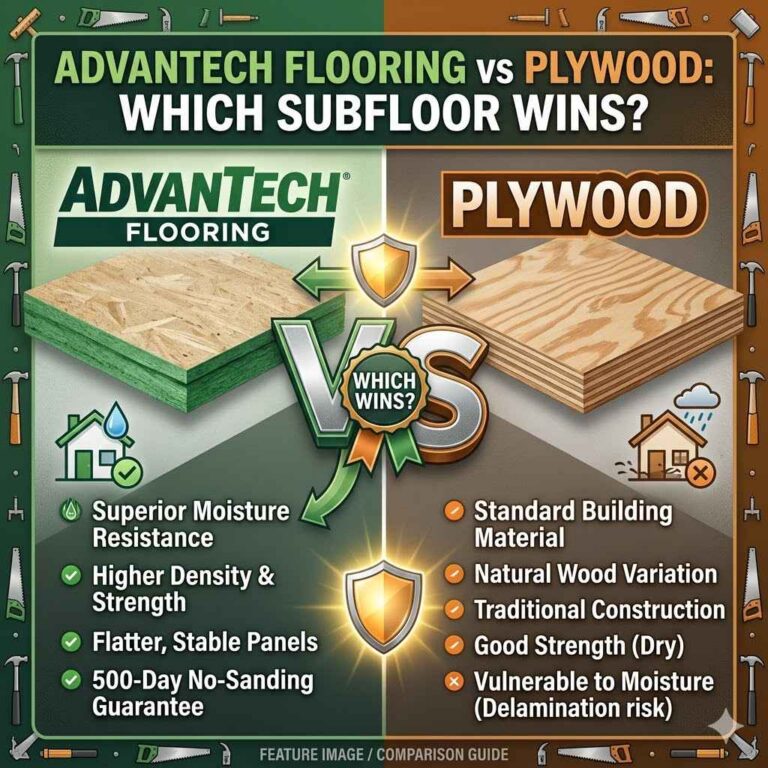
Answer: Yes, depending on the project, alternatives like particleboard, MDF (Medium-Density Fiberboard), or OSB (Oriented Strand Board) might be cheaper. However, they each have different strengths and weaknesses compared to plywood, especially regarding moisture resistance and structural integrity.
Wrap Up
Finding great prices and deals on 4×8 1/2 inch plywood sheets is achievable with smart shopping. You now know to compare grades, types, and thicknesses from various sellers. Always plan your cuts to minimize waste.
Checking quality at the store ensures you get durable material for your projects. Happy building and saving.