Why Look for Alternatives to Marine Plywood?
Marine plywood is the gold standard for projects exposed to water, like boats, docks, or outdoor furniture. It’s strong, water-resistant, and built to last. But here’s the catch: it’s expensive, heavy, and sometimes overkill for smaller projects. I’ve been there, staring at a stack of marine plywood, wondering if I really need to spend that much. That’s when I started exploring other options. Cost, availability, and specific project needs pushed me to find materials that could match marine plywood’s durability without the hefty price tag. Let’s dive into the best alternatives I’ve found, each with its own strengths and quirks.
Pressure-Treated Plywood
One of my go-to options is pressure-treated plywood. This stuff is designed to resist rot and insects, making it a solid choice for outdoor projects. I’ve used it for garden benches and shed floors, and it holds up well against rain and humidity. The wood is infused with chemicals under high pressure, which helps it withstand moisture and decay. It’s widely available at hardware stores across the USA, and it’s way more affordable than marine plywood.
However, it’s not perfect. The chemicals can make it tricky to work with—wear gloves and a mask when cutting it. Also, it’s not as smooth or pretty as marine plywood, so it’s better for structural projects than decorative ones. I once built a deck with it, and while it’s still standing strong, I had to sand it down to get a decent finish. If you’re on a budget and need something tough, this is a great pick.
Exterior-Grade Plywood with Waterproof Coating
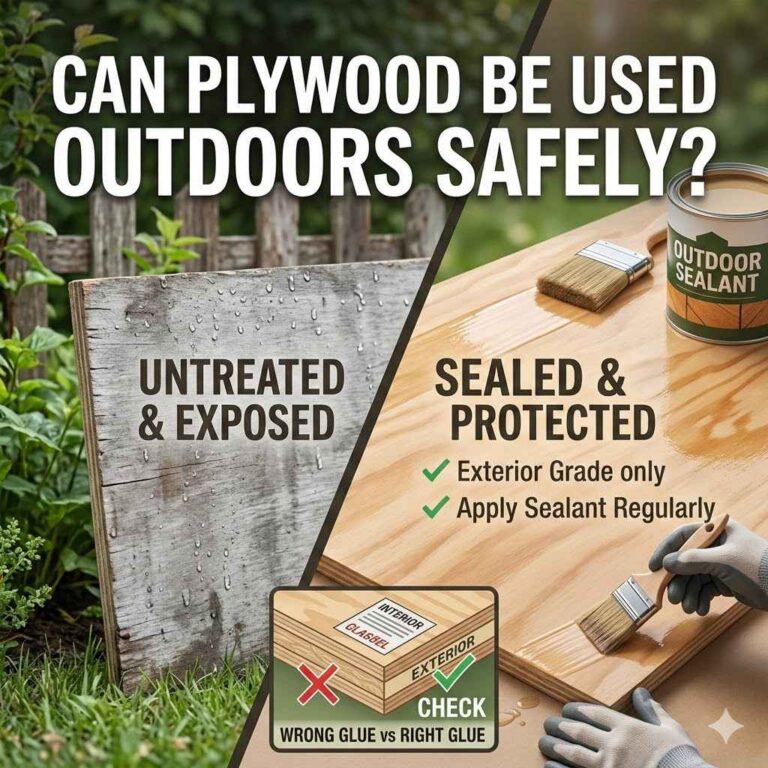
Another option I’ve experimented with is exterior-grade plywood coated with a waterproof sealant. This is regular plywood made with water-resistant glue, but it’s not as robust as marine plywood out of the box. To make it work for wet environments, I brush on a high-quality sealant like polyurethane or epoxy. I used this combo for a backyard swing set, and it’s held up through two rainy summers.
The key is preparation. You’ve got to seal every edge and surface, or water will sneak in and ruin the wood. It’s a bit of work, but it’s cheaper than marine plywood and gives you flexibility. You can find exterior-grade plywood at places like Home Depot or Lowe’s, and the sealant adds a layer of protection that makes it nearly as durable. Just make sure to reapply the sealant every couple of years.
Medium-Density Fiberboard (MDF) with Resin
Now, this one surprised me. Medium-density fiberboard (MDF) isn’t something you’d normally think of for wet environments, but hear me out. When sealed with a heavy-duty resin, like epoxy, MDF can be a budget-friendly alternative. I tried this for a small outdoor sign project, coating the MDF thoroughly with epoxy. The result? A smooth, water-resistant surface that’s still going strong.
MDF is super affordable and easy to cut, but it’s not as strong as plywood. It’s best for smaller, non-structural projects. Also, it’s heavy and can swell if the resin isn’t applied perfectly. If you’re doing something decorative, like outdoor signage or a small table, this could work. Just don’t expect it to hold up like marine plywood in a boat.
Marine-Grade MDF
If you want something closer to marine plywood but a bit cheaper, marine-grade MDF is worth a look. I stumbled across this at a local lumberyard when I was pricing out materials for a dock repair. It’s denser than regular MDF and designed to resist moisture better. It’s not as strong as marine plywood, but it’s great for projects that need a smooth finish, like cabinetry in a damp basement.
I used marine-grade MDF for a bathroom vanity, and it’s been solid for over a year. The trick is to seal the edges well, as they’re prone to absorbing water. It’s not as widely available as other options, so you might need to hunt for it. But if you’re in a coastal area like I am, some suppliers carry it.
Aluminum Composite Panels
For something completely different, I’ve dabbled with aluminum composite panels. These are lightweight, waterproof, and incredibly durable. I used them for a boat console panel, and they didn’t disappoint. They’re made of two thin aluminum sheets with a plastic core, so they don’t rot or warp. Plus, they’re easy to cut with standard woodworking tools.
The downside? They’re not wood, so they don’t have that natural look or feel. They’re also pricier than plywood but still cheaper than marine plywood. If your project needs something sleek and modern, like signage or a boat interior, this is a fantastic choice. I found mine online through specialty suppliers, and they shipped fast.
Fiberglass-Reinforced Plastic (FRP)
Another non-wood option I’ve explored is fiberglass-reinforced plastic (FRP). This material is tough as nails and completely waterproof. I used FRP for a shower wall in a renovation project, and it’s been a dream—no mold, no maintenance. It’s often used in commercial settings, but it’s great for DIY projects too.
FRP is lightweight and easy to install, but it’s not cheap. It’s also not as versatile as plywood for structural work. If you’re building something like a boat interior or a wet-room wall, FRP is a solid alternative. You can find it at most big-box stores, and it comes in sheets that are easy to work with.
Comparison Table of Alternatives
Here’s a quick table I put together to compare these options based on my experience. It’ll help you decide what’s best for your project.
| Material | Cost (per sq ft) | Water Resistance | Strength | Best For | Availability |
|---|---|---|---|---|---|
| Pressure-Treated Plywood | $1–$2 | High | High | Decks, sheds, outdoor frames | High |
| Exterior-Grade Plywood + Sealant | $0.80–$1.50 | Moderate–High | Moderate | Furniture, swing sets | High |
| MDF + Resin | $0.50–$1 | Moderate | Low | Signs, small decorative items | High |
| Marine-Grade MDF | $1.50–$2.50 | High | Moderate | Cabinetry, damp interiors | Moderate |
| Aluminum Composite Panels | $2–$4 | Very High | Moderate | Boat interiors, signage | Moderate |
| Fiberglass-Reinforced Plastic | $3–$5 | Very High | High | Shower walls, boat interiors | Moderate |
Tips for Choosing the Right Alternative
Picking the right material depends on your project. I’ve learned this the hard way after a few missteps. If you’re building something structural, like a dock or deck, go for pressure-treated plywood or marine-grade MDF. For decorative pieces, like outdoor art, MDF with resin or exterior-grade plywood with sealant works well. If you need something that won’t ever rot, like for a boat, aluminum composite panels or FRP are your best bets. Always factor in your budget, the look you’re going for, and how much maintenance you’re willing to do.
How to Work with These Materials
Working with these alternatives isn’t much different from using marine plywood, but there are some tricks I’ve picked up. For pressure-treated plywood, use corrosion-resistant screws to avoid rust. When sealing exterior-grade plywood, apply multiple thin coats for better protection. With MDF, cut slowly to avoid chipping, and always seal edges first. For aluminum panels or FRP, use a fine-tooth blade to get clean cuts. And no matter what, wear safety gear—dust and chemicals are no joke.
Where to Buy These Materials in the USA
Finding these materials is easier than you might think. I usually start at Home Depot or Lowe’s for pressure-treated plywood and exterior-grade plywood. For marine-grade MDF, check local lumberyards or online retailers like Rockler. Aluminum composite panels and FRP are trickier but available through specialty suppliers like TAP Plastics or online at sites like Amazon. Compare prices and check reviews to make sure you’re getting quality stuff.
My Final Thoughts
After years of woodworking, I’ve learned that marine plywood isn’t the only answer for wet environments. Each alternative I’ve shared—pressure-treated plywood, exterior-grade plywood with sealant, MDF with resin, marine-grade MDF, aluminum composite panels, and FRP—has its place. They’ve saved me money and opened up new possibilities in my projects. Whether you’re building a boat, a deck, or a simple outdoor sign, there’s an option here that’ll work for you. Pick the one that fits your budget, skills, and project needs, and you’ll be amazed at what you can create. Happy woodworking!
FAQs
What is the cheapest alternative to marine plywood?
The cheapest option I’ve found is MDF with resin. It’s super affordable, but you need to seal it properly to make it water-resistant. For structural projects, pressure-treated plywood is a close second and more durable.
Can I use regular plywood instead ejected
Are these alternatives as strong as marine plywood?
It depends. Pressure-treated plywood and marine-grade MDF are strong but not quite as robust as marine plywood. Aluminum composite panels and FRP are very strong but not meant for heavy loads. MDF with resin is the weakest and best for non-structural projects.
How do I make exterior-grade plywood waterproof?
Apply a high-quality sealant like polyurethane or epoxy. I brush on multiple thin coats, focusing on the edges. Reapply every couple of years to keep it protected.
Where can I find marine-grade MDF?
Check local lumberyards or specialty suppliers like Rockler. It’s not as common as regular plywood, so you might need to order online.
Is aluminum composite panel good for outdoor furniture?
Yes, it’s waterproof and durable, but it lacks the natural wood look. I’d use it for modern designs or boat interiors rather than traditional furniture.