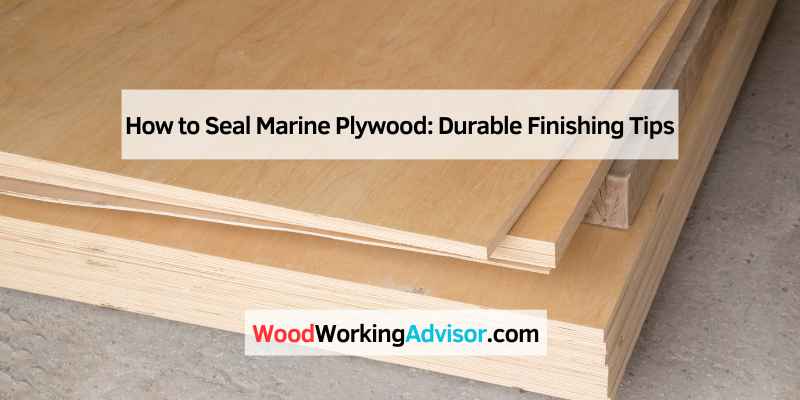
How to Seal Marine Plywood: Epoxy vs Varnish (Cure Times)
Marine plywood resists rot because its glue bonds waterproof — but the wood itself still soaks up water, especially through unsealed cut edges. Skip edge-sealing and the panel can delaminate at the cuts even while the face still looks fine. This guide covers penetrating epoxy vs marine varnish, the coats-per-layer rule, and how long each needs to cure before use.
Is Marine Plywood Already Waterproof?
Best Marine Plywood Sealer Pick
TotalBoat Clear Penetrating Epoxy Wood Sealer (1.5 Quart)
A low-viscosity epoxy that soaks into end grain and cut edges, then cures into a waterproof barrier from the inside out.
- Best for: cut edges and end grain, the spots most likely to wick water and rot first
- Why we picked it: penetrates deeper than surface varnish, so it protects even before a topcoat goes on
- Main drawback: two-part mixing and a 2-5 day full cure means more prep time than a one-step varnish
Compare more marine plywood sealer options
 Option 1 TotalBoat Gleam Spar Varnish
|
 Option 2 TotalBoat Halcyon Water-Based Varnish
|
 Option 3 Rust-Oleum Marine Spar Varnish
|
As an Amazon Associate we earn from qualifying purchases.
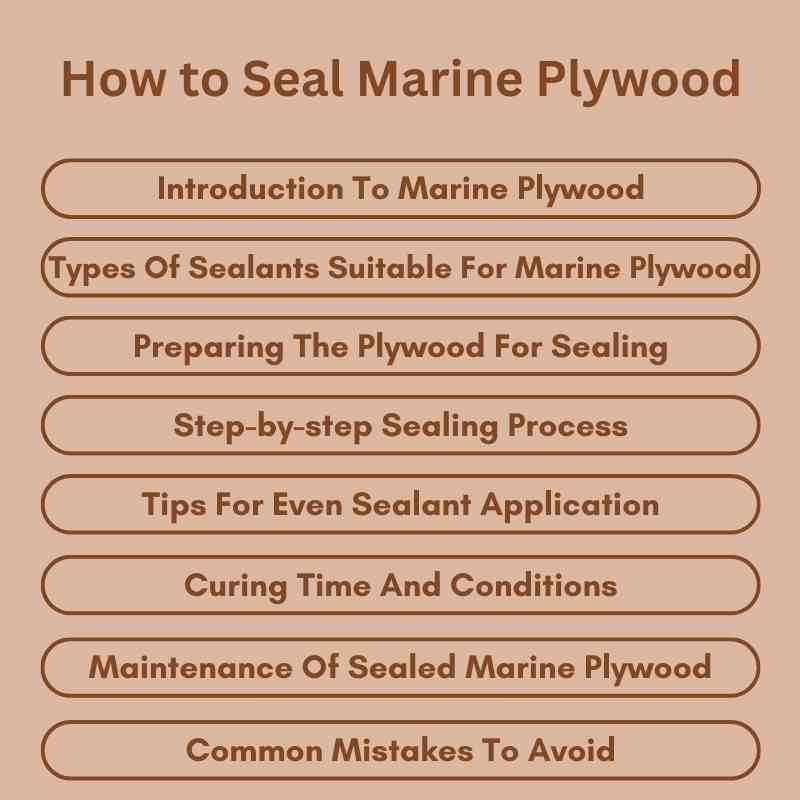
Marine plywood is a plywood grade bonded with waterproof (WBP) adhesive and built from a void-free hardwood core — it is not a wood species that repels water on its own. The glue holding the veneer layers together won’t come apart when wet. The wood fibers themselves can still absorb moisture, swell, and eventually rot if the surface is left unsealed.
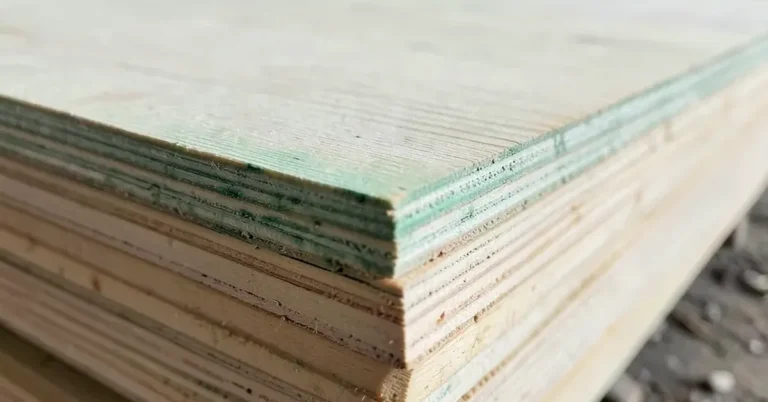
The real vulnerability is at cut edges. Cutting a sheet exposes raw end grain, and end grain pulls in water through capillary action far faster than a sealed face ever would. That’s why unsealed marine plywood can deteriorate quickly even though the panel itself is rated for wet environments — and it’s the single detail most sealing guides skip.
Common sealants for marine plywood include:
- Penetrating epoxy – soaks into the wood and cures into a waterproof barrier from the inside out; best on edges and end grain.
- Oil-based spar varnish – a classic amber, UV-resistant topcoat for faces and visible surfaces.
- Water-based marine varnish – lower odor, faster recoat, easier cleanup than oil-based varnish.
Best Sealants for Marine Plywood: Epoxy vs Spar Varnish vs Water-Based Varnish
Penetrating epoxy gives marine plywood the deepest protection because it soaks into the wood fiber instead of just sitting on top — it’s the right choice for cut edges, end grain, and any spot with constant water exposure. Spar varnish and water-based marine varnish are better suited to the flat faces, where appearance and UV resistance matter as much as waterproofing.
| Sealant Type | Coats Needed | Best For |
|---|---|---|
| Penetrating epoxy | 2-3 coats, applied until the wood stops absorbing | Cut edges, end grain, high-moisture exposure |
| Oil-based spar varnish | 4-6 coats minimum for outdoor use | Visible faces, classic amber gloss, max UV resistance |
| Water-based marine varnish | 4-6 coats for exterior use | Low-odor jobs, fast same-day recoating |
How to Prepare Marine Plywood Before Sealing
Start by wiping the surface down with denatured alcohol or acetone. This removes mill oils, grease, and handling residue that a damp cloth alone won’t touch — skipping this step is a common reason a first coat beads up instead of soaking in.
Next, sand both faces and all four edges with 220-grit sandpaper. This is finer than the old “medium-grit” advice — 220-grit is what sealant manufacturers actually specify for adhesion, and it won’t leave scratches deep enough to telegraph through a clear finish. Vacuum the dust rather than wiping it, since a rag can leave fine grit embedded in the grain.
Step-by-Step: How to Seal Marine Plywood
- Degrease and sand: Wipe with denatured alcohol or acetone, then sand faces and edges with 220-grit sandpaper and vacuum the dust.
- Seal the edges first: Brush penetrating epoxy into every cut edge and any drilled holes — this is the entry point for water, so it gets sealed before the faces.
- Coat the faces: Apply the first coat of epoxy or varnish to both faces with a foam brush or roller, working with the grain.
- Recoat on schedule: Follow the product’s recoat window — typically 1 hour at 72°F for varnish, or once the epoxy is still tacky but no longer wet.
- Match coats to layers: A practical rule of thumb is to apply roughly as many coats as there are veneer layers in the panel, with a 2-3 coat epoxy minimum or 4-6 coat varnish minimum for anything used outdoors.
- Cure fully before use: Let the final coat cure completely — not just dry to the touch — before the panel takes any load or sees water.
Tips for an Even, Bubble-Free Sealant Finish
A high-quality foam brush or roller gives the most even coat for most sealants; a spray gun can speed up large, flat areas if you have one. Keep a clean rag or putty knife nearby to catch drips before they set — a bubble or drip in an epoxy coat has to be sanded out once cured, which is far more work than wiping it wet.
Apply thin coats rather than one thick one. A thick pour skins over on the surface while staying uncured underneath, which traps solvent and shows up later as soft spots or wrinkling. Always check the product’s own technical data sheet for its specific recoat window — it varies by brand and formula, and using a generic timeline is how amine blush or fisheye defects happen.
Cure Time and Conditions
Cure time depends on which sealant you’re using and the temperature it’s applied at — the generic “24 to 48 hours for everything” advice you’ll see elsewhere doesn’t hold up against actual manufacturer data sheets.
| Sealant | Application Temp | Full Cure |
|---|---|---|
| Penetrating epoxy (regular formula) | 65–90°F | 2–5 days at 75°F |
| Penetrating epoxy (cold-weather formula) | 40–65°F | 4–8 days at 40°F |
| Oil-based spar varnish | 45–105°F, under 85% humidity | Recoat in 1 hr at 72°F; no sanding needed within 48 hrs |
| Water-based marine varnish | 50–90°F, under 85% humidity | Recoat in 1 hr at 72°F; no sanding needed within 12 hrs |
📊 Don’t put a panel into service on “dry to the touch.” Epoxy sealers are typically dry to the touch within hours but not fully cured for 2–5 days — loading or wetting the panel before that point is one of the most common reasons a “properly sealed” project still takes on water. — Source: TotalBoat penetrating epoxy technical specifications
How Often to Reseal Marine Plywood
How often you reseal depends on which product is on the surface — treating every sealant the same is why maintenance schedules online contradict each other. As a general guide:
- Penetrating epoxy (with a topcoat): the epoxy layer itself typically holds up 3-4 years before it needs attention, since it’s sealed underneath a UV-resistant topcoat rather than exposed directly to sunlight.
- Spar varnish or water-based marine varnish (exposed to sun): manufacturers recommend 1-2 fresh maintenance coats every year — UV breaks down varnish film faster than it breaks down epoxy, so this is the coat that needs the most frequent attention.
Inspect the surface each season regardless of schedule. Cracks, peeling, discoloration, or a dull chalky texture all mean the topcoat has started breaking down and it’s time to clean the surface and recoat before water finds its way back to the wood.
Common Mistakes to Avoid
Skipping edge sealing is the single most common mistake with marine plywood. Edges are pure end grain, and end grain absorbs water many times faster than a sealed face — a panel with perfectly finished faces and bare edges will still rot from the outside in.
“Cut edges are pure end grain, so they wick water faster than any face on the panel — sealing the flat sides and skipping the edges is the single most common way a marine plywood project fails early.”
Rushing the schedule is the second-biggest mistake. Recoating before the previous layer has skinned over traps solvent underneath, and using the panel before full cure (not just surface-dry) is how water gets back into wood that was supposedly protected. Take the extra day — it’s cheaper than replacing the panel.
Frequently Asked Questions
How do you seal marine plywood effectively?
Wipe the surface with denatured alcohol or acetone, sand faces and edges with 220-grit sandpaper, then seal the cut edges first with penetrating epoxy before coating the faces with epoxy or marine varnish. Apply roughly as many coats as the panel has veneer layers, and let the final coat fully cure — not just dry to the touch — before use.
What is the best finish for marine plywood?
Penetrating epoxy is the best finish for cut edges and end grain because it soaks in rather than sitting on the surface. For visible faces, an oil-based spar varnish gives the most UV resistance, while a water-based marine varnish gives faster recoating and easier cleanup with similar protection.
How often should you reseal marine plywood?
Epoxy-sealed edges under a topcoat typically hold up 3-4 years before needing attention. Spar varnish or water-based varnish exposed to direct sun should get 1-2 fresh maintenance coats every year, since UV breaks down varnish film faster than it breaks down epoxy underneath.
Can I use regular paint on marine plywood?
Regular interior paint is not recommended on marine plywood used outdoors or near water. It lacks the flexibility and water resistance of marine-specific finishes and tends to peel or crack as the wood expands and contracts with moisture and temperature. Use a marine-grade paint, epoxy, or varnish instead.
Is marine plywood waterproof without sealing?
No. Marine plywood is bonded with waterproof glue so the layers won’t delaminate when wet, but the wood fibers themselves are not waterproof and can still absorb moisture through the faces and especially the cut edges. Sealing is what actually keeps water out of the wood.
How many coats of sealant does marine plywood need?
A practical rule is to apply roughly as many coats as the plywood has veneer layers. In manufacturer terms, that’s typically 2-3 coats of penetrating epoxy on edges and end grain, and 4-6 coats of spar varnish or water-based marine varnish on faces used outdoors.
Conclusion
Marine plywood’s waterproof glue protects the layers from delaminating, but the wood itself still needs a real sealant — especially at the cut edges, where end grain pulls in water fastest. Seal edges with penetrating epoxy, finish the faces with spar or water-based marine varnish, match your coat count to the panel’s veneer layers, and let every coat fully cure before the panel goes into service.
Sponsored / affiliate links. As an Amazon Associate I earn from qualifying purchases. I may earn additional commission from eligible campaigns.