American Walnut Vs Walnut: Essential Differences
The essential difference between American Walnut and “Walnut” usually means comparing Black Walnut (American Walnut) against English or European Walnut. American Walnut is prized for its deep, rich chocolate color, superior stability, and common availability in North America, making it a top choice for fine furniture and veneers over its lighter, often more expensive European counterpart.
When you step into a lumberyard looking for that rich, dark wood for your next project, you often see the term “Walnut.” This can get confusing fast! Are you getting the domestic superstar, American Black Walnut, or perhaps the imported English Walnut? As a fellow woodworker, I know that choosing the right wood is half the battle. Getting the wrong one can mean unexpected color shifts or stability issues down the line.
Don’t sweat it! This confusion is totally normal for beginners and even seasoned folks working outside their usual region. The good news is that the differences are distinct, and once you know what to look for, picking the perfect piece of walnut for your build becomes easy. We are going to break down exactly what sets American Walnut apart from other walnuts so you can shop confidently and finish strong.
Let’s grab our tape measures and dive into the fascinating world of walnut lumber!
Understanding the Walnut Family: Why Specification Matters
When woodworkers talk about “Walnut,” we are almost always talking about the Juglans genus. However, geography makes a huge difference in the final product we bring home. For most North American DIYers, the comparison boils down to two main players: Black Walnut and English Walnut.
Knowing the scientific name helps, but seeing the practical differences is what truly matters for your project’s success. Think of it like comparing apples—a Honeycrisp tastes very different from a Granny Smith, even though both are apples!
The Star Player: American Black Walnut (Juglans nigra)
American Black Walnut is the gold standard in North America. It’s incredibly popular for high-end cabinetry, gunstocks, and custom furniture because of its superb working properties and stunning visuals.
- Origin: Primarily found in the Eastern and Midwestern United States.
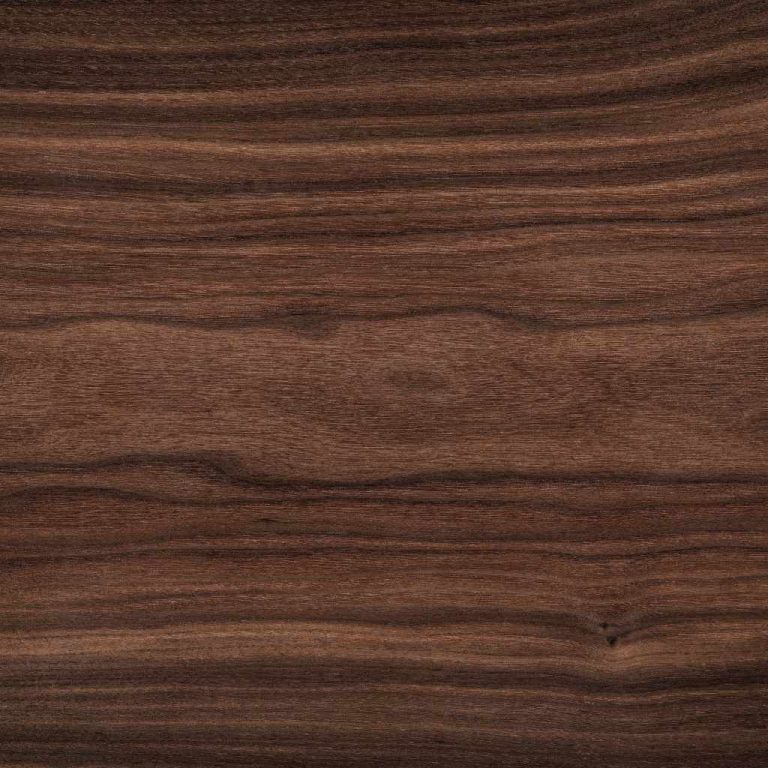
- Color: Famous for its deep, dark chocolate-brown heartwood. It can sometimes have purplish or grayish streaks.
- Availability: Generally easier and often more affordable to source within the US, though high-quality, wide boards are always premium.
- Stability: It’s known for being very stable once dried, resisting warping and checking better than many other hardwoods.
The European Cousin: English Walnut (Juglans regia)
English Walnut, sometimes called European Walnut or Common Walnut, has a different profile, often desired for special applications, especially veneer work or in areas where Black Walnut is scarce.
- Origin: Native to regions stretching from Southern Europe through Central Asia.
- Color: Typically lighter than American Black Walnut. It often leans toward richer brown or tan tones, sometimes having a slightly yellowish hue.
- Availability: Less common in standard North American lumberyards unless imported. When found domestically (on rare occasions), it might be from cultivated trees.
- Grain Pattern: Often exhibits more dramatic, swirling, and highly figured grain patterns compared to the straighter primary grain of Black Walnut.
The Big Showdown: Key Differences Between American and English Walnut
To make this crystal clear for your next purchase, let’s compare these two timbers side-by-side across the factors that matter most to a builder: color, working properties, and cost.
1. Color and Aesthetics
This is often the first thing you notice. If you want that classic, rich, dark wood tone pictured on Pinterest, you are likely looking for Black Walnut.
American Black Walnut heartwood starts dark and often darkens further with age and exposure to sunlight (though sunlight curing can sometimes lighten it initially before it settles into its final deep tone). The sapwood (the outer part of the log) is creamy white, often creating beautiful, natural contrasts when kept in the final piece.
English Walnut tends to present a spectrum of browns, generally lighter than Black Walnut. While beautiful, it usually lacks the profound, almost black depth that Black Walnut offers straight off the mill. Figures like crotch grain and burl on English Walnut are often highly sought after for veneer because of their chaotic, beautiful patterns.
2. Workability and Durability
Both species are generally wonderful to work with—they plane smoothly, take finishes beautifully, and carve nicely. However, there are subtle differences.
Black Walnut is generally easier to find in wider, straighter grain patterns, which is a huge plus for maximizing material yield on large tabletops. It’s known for excellent dimensional stability once properly kiln-dried. Always remember to check moisture content for any hardwood! The Forest Products Laboratory (FPL) provides excellent guidelines on proper wood drying to ensure ultimate stability.
English Walnut, while workable, can sometimes be slightly harder or denser depending on where it was grown. Its high figure often means more tear-out potential if you are planing against the grain, requiring sharp tools and slower feed rates. Always use sharp carbide cutters for best results on figured wood.
3. Availability and Cost
In the USA, this is where American Black Walnut shines for the average buyer.
Due to sustainable harvesting practices and widespread domestic supply, you can usually find rough-sawn Black Walnut much easier and, oftentimes, at a lower cost per board foot than imported English Walnut. However, remember: high-grade, quartersawn Black Walnut lumber is never cheap!
English Walnut is usually an imported specialty item. This specialized status, plus transportation costs and potentially smaller sizes of usable wood, makes it significantly more expensive for most hobbyists.
Quick Comparison Table
Use this table to quickly reference the key distinctions:
| Feature | American Black Walnut (J. nigra) | English Walnut (J. regia) |
|---|---|---|
| Typical Heartwood Color | Deep chocolate to near-black; rich consistency. | Medium brown to tan; often lighter with more yellow/gray tones. |
| Grain Pattern | Often straighter, highly regular availability in wide boards. | Can be more wild, swirling, and highly figured. |
| Domestic Availability (USA) | Excellent; widely available. | Poor; usually imported specialty. |
| Cost (General) | Premium, but typically better value domestically. | Higher due to import costs and specialty status. |
| Stability | Very stable when dried correctly. | Good, similar stability profiles. |
Deciding Which Walnut Is Right For Your Project
So, how do you choose? It really comes down to three simple questions: What look are you aiming for? How big is your piece? And what is your budget?
When to Choose American Black Walnut
If your goal fits any of the following, stick with domestic Black Walnut:
- The Classic Look: You desire that famous, deep, dark walnut color for heirloom-quality projects like cutting boards, dining tables, or desks.
- Wide Boards: You need large, stable slabs for a tabletop or panel glue-up. Local sourcing often means wider pieces are available.
- Budget Control: You need to keep costs reasonable while maintaining high quality (relative to other domestic hardwoods).
When to Consider English Walnut (or other species)
You might opt for English Walnut or decide against using walnut altogether if:
- Extreme Figure Needed: You are looking for highly figured veneer for decorative boxes or cabinet doors where the wild, swirling grain is the main attraction.
- Specific Toning: You prefer a lighter brown that may accept certain oil finishes with a slightly warmer final tone than Black Walnut provides.
- Sourcing Limitations: You are working outside North America where English Walnut is the standard local hardwood walnut option.
Pro-Tip from Meraj: If you find a piece of Black Walnut that looks too light (perhaps mostly sapwood), don’t discard it! Try testing a small scrap piece with a light coat of boiled linseed oil or a sanding sealer. Often, the deep color will bloom beautifully, giving you a stunning mix of colors in one board.
Working With Walnut: Tips for Beginners
Whether you pick American or English, working with walnut is generally a joy. But like any premium wood, a few simple precautions will ensure a professional result.
Safety First: Dust Control
Walnut dust, especially Black Walnut, can be an irritant to some individuals, much like exotic woods. Never skip dust collection!
- Wear Protection: Always wear a good quality N95 mask, especially when sanding.
- Machine Dust Collection: Hook up your shop vacuum or cyclone system to your planer, table saw, and router to minimize airborne particles.
- Ventilation: Ensure you have good airflow in your shop.
Finishing Walnut to Maximize Color
The finish you choose dramatically impacts how the final piece looks. This is critical when you are comparing the two species.
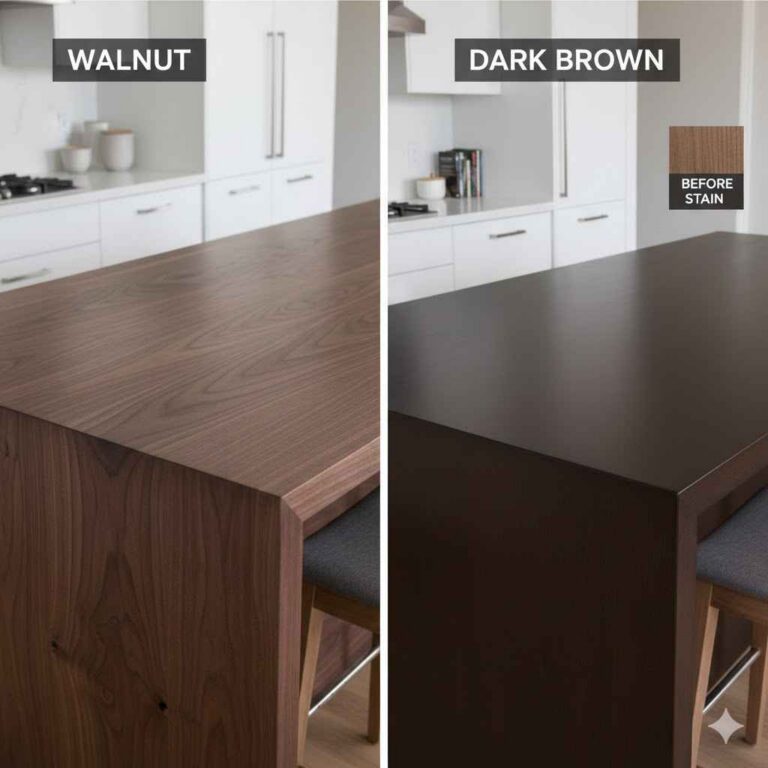
- Oil-Based Finishes (e.g., Tung Oil, Oil-Varnish Mixes): These tend to deepen the color of Black Walnut, bringing out that rich chocolate hue. They provide a natural, low-sheen look that many prefer for furniture. They slightly warm the tone of English Walnut as well.
- Wipe-On Polyurethane: This offers strong protection and a medium sheen. It generally maintains the true color of the wood well but might not push the depth as much as pure oil.
- Water-Based Finishes: Use these cautiously. They can sometimes pull a slightly grayish or dull tone out of the dark heartwood, making it look less vibrant.
For a beginner, a simple wiping varnish (like thinned polyurethane) is a fantastic choice—easy to apply, easy to repair, and looks phenomenal on walnut.
Comparing Walnut Properties in a Nutshell
To help solidify your choices, this table summarizes the general characteristics you should expect from the two primary types of walnut lumber you encounter.
| Property | American Black Walnut | English Walnut |
|---|---|---|
| Density (lb/ft³ – Avg.) | 38–42 lbs/ft³ | 35–40 lbs/ft³ (Slightly lighter on average) |
| Janka Hardness (approx.) | 1010 lbf | 950–1010 lbf |
| Resistance to Decay | Moderately Durable | Durable |
| Gluing Performance | Excellent (Requires clean, fresh surfaces) | |
| Pre-drilling for Screws | Often recommended, especially near edges. | Recommended, particularly for harder pieces or small hardware. |
When looking at hardness, you see they are very similar. The Janka rating might vary slightly based on the specific region the tree grew in. For practical woodworking purposes, treat the finished wood the same way regarding screw size and drilling practices.
Sourcing Sustainable Walnut Lumber
As members of the woodworking community, it is our responsibility to source materials ethically. While Black Walnut is abundant, good quality, sustainably harvested lumber is always the best route.
Look for suppliers who:
- Source from Urban Sawmills: Many beautiful old walnut trees are removed during city development. These urban logs provide incredible, often large, highly figured wood without harming forest ecosystems. Look for independent urban sawyers in your area.
- Are FSC Certified: If buying from a larger distributor. The Forest Stewardship Council certification ensures responsible forest management practices. You can check resources from organizations like the FSC to find certified suppliers.
- Source Locally: Buying locally reduces the carbon footprint associated with long-distance transport, which is particularly relevant when comparing domestic vs. imported wood.
Choosing local, well-dried American Black Walnut is usually your most sustainable and user-friendly option for most home projects.
Frequently Asked Questions (FAQ) About Walnut Lumber
Q1: Can I use lighter-colored sapwood from American Walnut in my project?
Absolutely! The creamy white sapwood contrasts stunningly with the dark heartwood. Many beautiful projects deliberately incorporate this contrast. Just be aware that sapwood generally finishes slightly differently than heartwood, so test your stain or oil first.
Q2: Is English Walnut stronger than American Black Walnut?
Not significantly. Their Janka hardness ratings are very close. Any perceived difference in strength usually comes down to how dense the specific growth ring was, not the species itself. For general furniture making, they are equally strong for your application.
Q3: Will my walnut project turn gray outside or in direct sunlight?
Walnut darkens initially, but like most dark woods (cherry, for example), prolonged, intense UV exposure can eventually bleach or dull the color. It’s best to use a high-quality exterior finish with UV inhibitors if the piece will see direct sun often. For indoor use, the color is very stable.
Q4: Why is high-grade American Black Walnut so expensive?
It is expensive because demand far outstrips supply for truly wide, straight, clear, and perfectly quarter-sawn boards (minimal knots, minimal sapwood). Much of the commercially available walnut includes sapwood or smaller boards, which are priced lower. Premium lumber commands a premium price.
Q5: Do I need to pre-stain American Walnut before applying my clear finish?
Most of the time, no! Black Walnut has such a rich, deep natural color that adding pigment stain often just muddies the beauty. Apply a clear finish, such as an oil finish, to let the natural chocolate tones shine through. If your board has excessive sapwood, a light wiping stain can even out the tone.
Q6: How can I tell the difference between Black Walnut and Claro Walnut?
Claro Walnut (Juglans hindsii) is another Californian species. It tends to have much lighter contrast between sapwood and heartwood compared to Black Walnut, and the heartwood itself is often a lighter, sometimes reddish-brown. If you are in the East, you are almost certainly dealing with Black Walnut.
Conclusion: Building with Confidence
Navigating the world of wood species can feel like deciphering a secret code, but I hope this deep dive into “American Walnut vs Walnut” has clarified things for you. Remember that when shopping domestically, “Walnut” usually means the fantastic, deep-toned American Black Walnut. English Walnut is a different, often lighter, and pricier beast reserved for specialty appearances.
The most important takeaway is this: Both woods are phenomenal materials that reward careful work with heirloom-quality results. Select the richness of American Black Walnut for your next major build, or choose English Walnut if you find a piece with incredible, unique figuring you can’t resist. Equip yourself with sharp tools, prioritize dust safety, and apply your finish thoughtfully. You now have the knowledge to confidently walk into the lumberyard and choose exactly the right walnut for the job. Happy building!