Agatized vs Petrified Wood: What the Labels Really Mean
Agatized wood is petrified wood. The word describes how a piece looks, with agate-like color and banding, not a separate kind of fossil. Petrified wood is the big category: wood whose cells were replaced by minerals, mostly silica. Below is what the labels actually mean, how to tell the common types apart, and how to cut and polish the stuff without breathing in the dust.
I run a woodworking site, so I get asked about this by people who want to turn a slab into a coaster, inlay a chip into a tabletop, or just figure out what they bought at a rock show. The confusing part is that sellers use the names loosely, so it helps to know what is behind them.
Agatized Wood vs Petrified Wood: The Short Answer
Use petrified wood when you mean any wood turned to stone. Use agatized wood only as a description of appearance. Whichever label is on the piece, cutting it means working with stone, which throws off silica dust, so start with the right respirator.
BEST P100 DUST RESPIRATOR |
3M Half Facepiece Reusable Respirator Kit 6291 with P100 Filters (Medium)
|
How Wood Turns to Stone
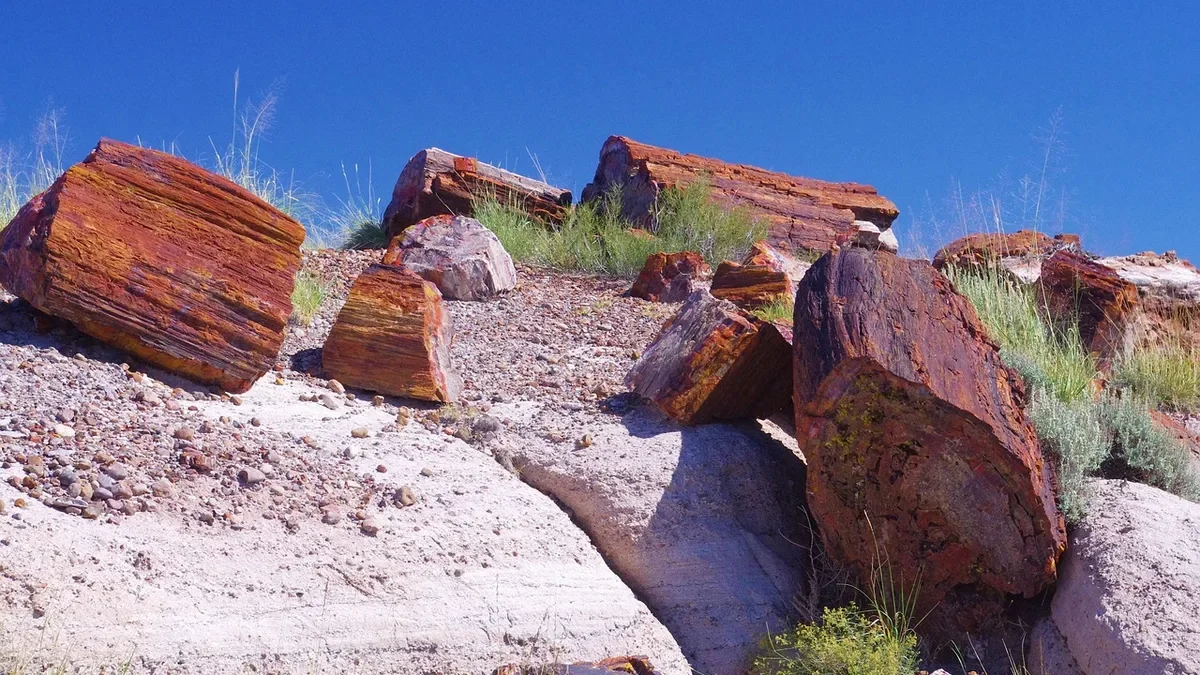
According to Petrified Forest National Park, the petrified logs there washed into an ancient river system more than 200 million years ago and were buried fast enough that oxygen was cut off and decay slowed. Silica dissolved from volcanic ash then soaked into the porous wood and crystallized inside the cell structure, replacing the organic material as it broke down. The park describes the result as almost solid quartz. For the full story, see our guide on what petrified wood is and how it forms.
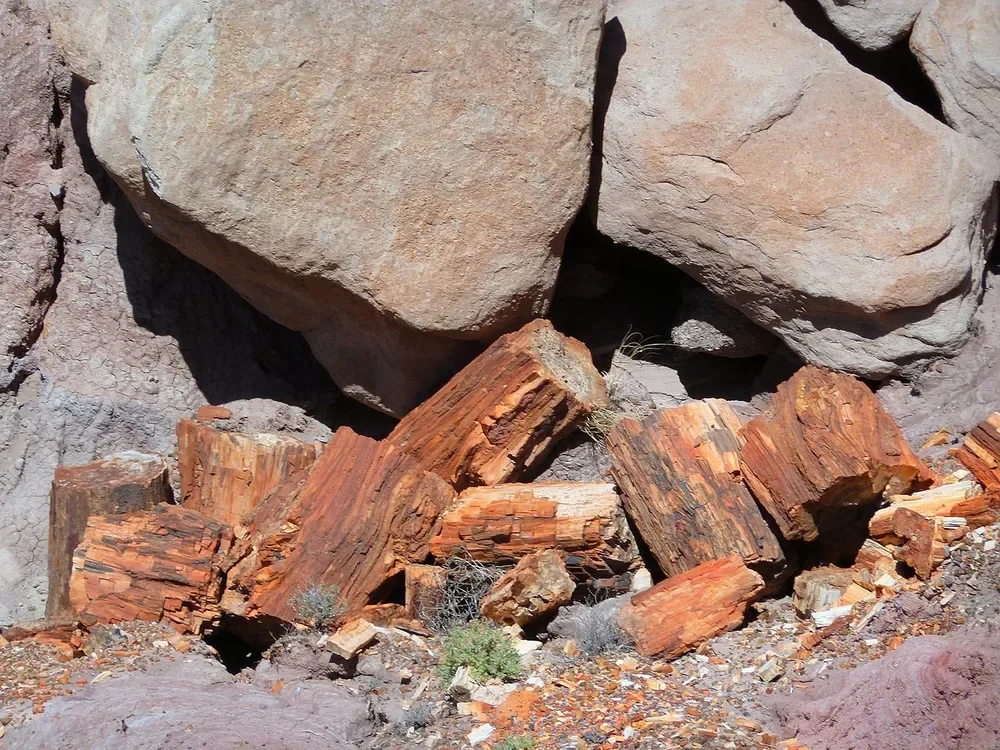
The same source explains the colors: iron, carbon and manganese impurities in the quartz produce the rainbow of reds, oranges, blacks and browns. Where cracks opened in a log, clear quartz, purple amethyst, yellow citrine and smoky quartz crystals grew inside them. Because everything here is a form of silica, the mineral that fills the wood decides how the finished piece looks, cuts and polishes.
Where the Word Agatized Comes From
Agate is a translucent, banded variety of microcrystalline quartz that forms when silica is deposited in layers from groundwater, according to Geology.com. Because so many colorful fossil-wood pieces look agate-like, sellers call them agatized. The catch is that Geology.com also points out that petrified wood cabochons often assumed to be agate are actually chalcedony, the plain microcrystalline quartz that agate is a banded form of.
That is the myth worth correcting. When you see wavy or concentric bands in a polished slab, those bands are usually not the tree’s growth rings. Agate-style banding comes from layers of silica laid down in a cavity or crack. Growth rings, wood grain, knots and bark are the parts that show the piece was once a tree, and they are what make it petrified wood rather than plain agate.
| Label you will see | What it really is | Main mineral | Mohs hardness |
|---|---|---|---|
| Petrified wood | Umbrella term: wood whose cells were replaced by minerals | Mostly silica (quartz family or opal) | About 5 to 7, depends on the mineral |
| Agatized wood | Trade and collector label, usually for petrified wood with agate-like color and banding | Often chalcedony; true banded agate is less common | About 7 |
| Jasperized wood | Opaque, richly colored petrified wood | Quartz colored by iron and other impurities | About 7 |
| Opalized wood | Petrified wood made of opal instead of quartz | Opal, almost always common opal | 5 to 6 |
Hardness figures for agate and opal come from Geology.com and the Geology.com opal reference. The quartz-family rows are rounded, and individual pieces vary with impurities and porosity.
How to Tell Which Type You Have
A lab can name the exact mineral, but a few checks at home narrow it down. Our step-by-step guide to identifying petrified wood covers the basic hardness test in more detail.
- Look for wood structure first. Visible grain, cell detail, knots or bark texture confirm it is fossil wood. Smooth banding with no grain points toward plain agate or chalcedony.
- Check translucency. Hold a thin edge up to a bright light. Glowing, waxy or glassy edges suggest chalcedony or agate. Fully opaque, earth-toned material is often jasper-type quartz.
- Feel the weight. Opal is lighter for its size: the opal reference above lists a specific gravity of 2.0 to 2.2, because opal contains water. Quartz-family wood feels denser. Our page on how heavy petrified wood is has weight comparisons.
- Try a gentle scratch test on a hidden spot. A steel blade is commonly cited at roughly 5.5 on the Mohs scale, so quartz-family material should resist it while softer opal may mark. Test lightly, since a scratch on a display piece is permanent.
Cutting and Polishing Safely
Once you cut or grind a piece, you are working stone, not lumber. Standard woodworking blades, HSS bits and router bits are the wrong tools, and a table saw is not designed for this job. Use diamond blades, wheels or bits made for stone. If you need to put a hole through a piece, our guide to drilling holes in rocks covers diamond bits and water.
Silica dust is the real hazard
OSHA states that respirable crystalline silica is created when stone, rock, concrete, brick and mortar are cut, sawn, ground or drilled, and that the particles are at least 100 times smaller than beach sand. Breathing them raises the risk of silicosis, an incurable lung disease, as well as lung cancer, COPD and kidney disease. Petrified wood is largely quartz, so treat it the same way.
- Cut and grind wet whenever possible so water keeps the dust from becoming airborne.
- Wear a properly fitted P100-rated respirator when you cut, grind or dry-sand. A paper dust mask is not the right protection.
- Work outdoors or with strong ventilation, and clean up with a wet cloth or HEPA vacuum instead of dry sweeping or compressed air.
- Wash your hands and change out of dusty clothes before you go into the house.
Dry abrasive blasting is a related source of silica dust, and we cover it in our guide on sandblasting wood.
Polishing progression
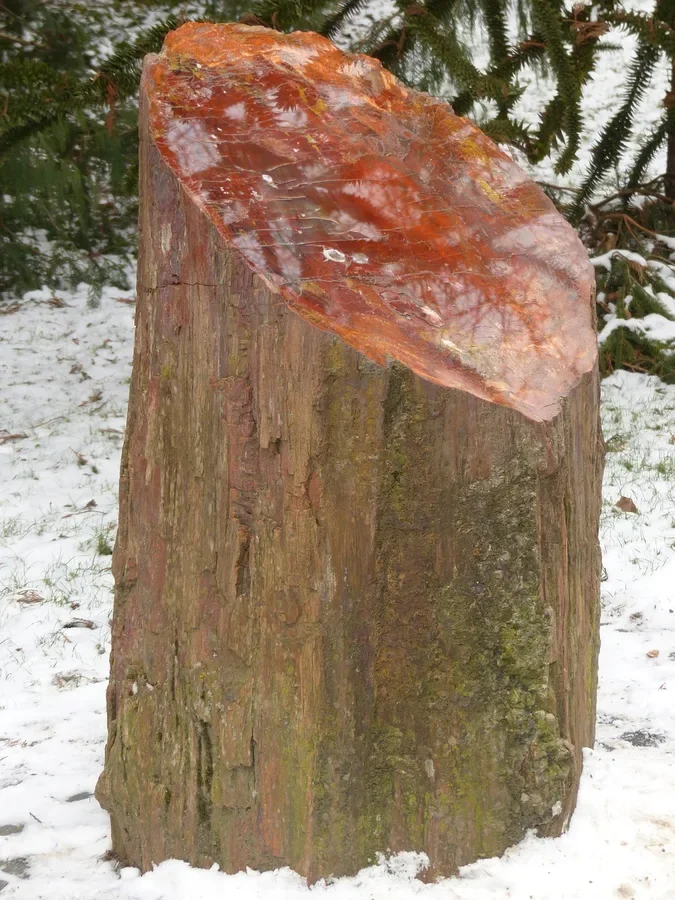
Lapidary shops usually work through a sequence of diamond grits: shape with a coarse wheel, then move to progressively finer pads, and finish with a polish such as cerium oxide on felt. Each stage should remove the scratches from the one before it. Keep everything wet during grinding and sanding, and expect opalized pieces to polish differently because they are softer and more prone to cracking.
Using Agatized Wood in Woodworking Projects
Small polished pieces work well as inlays and accents in wood. Because they are stone, they will not move with humidity the way the surrounding wood does, so the joint needs to allow for that.
- Seal first. Clean and dry the stone thoroughly, then follow the resin maker’s directions for a thin seal coat before the main pour.
- Use epoxy, not oil. Linseed or tung oil will not do anything for stone. A clear epoxy locks a piece into a river-table style inlay or pendant and bonds well to wood.
- Mind the weight. Stone is far heavier than wood of the same size, so use a proper mechanical or bonded fixing for anything on a wall or lid.
Value and Collecting Rules
Collectors tend to pay more for vivid color, visible cell detail and complete log sections, which is why the agatized label sells. For what makes some colors scarce, see how rare petrified wood really is. On the legal side, the National Park Service does not allow removal of petrified wood from Petrified Forest National Park. Souvenir pieces come from local gift and rock shops, and rules on public land vary, so check with the Bureau of Land Management before collecting.
FAQ: Agatized and Petrified Wood
Is agatized wood the same as petrified wood?
Agatized wood is a kind of petrified wood, but the word is a trade label rather than a strict mineral name. Every agatized piece is petrified wood. Not every petrified piece is agatized, and much of the material sold as agatized is chalcedony rather than true banded agate.
Is opalized wood softer than agatized wood?
Yes. Opal has a Mohs hardness of about 5 to 6, while agate and other quartz-family material sits around 7. Opal also holds water and is more brittle, so opalized wood chips and cracks more easily.
Can I cut agatized wood on a table saw or with a router?
No. Woodworking blades and router bits are not made to cut stone and will dull almost immediately. Stone needs a diamond blade or diamond bit used with water, plus dust protection.
Do I need a respirator to polish petrified wood?
Plan on it any time you cut, grind or dry-sand it. OSHA says cutting, sawing, grinding and drilling stone creates respirable crystalline silica, which can cause silicosis. Wet methods cut the dust down, and a properly fitted P100 respirator is a sensible backup.
Can I take petrified wood from Petrified Forest National Park?
No. The National Park Service does not allow visitors to remove petrified wood from the park. Buy souvenir pieces from local rock shops instead, and check Bureau of Land Management rules before collecting on public land.
The Bottom Line
Petrified wood is the category, and agatized wood is a descriptive label inside it. Look for real wood structure to confirm it is fossil wood, expect most colorful pieces to be chalcedony-type quartz rather than pure agate, treat opalized wood as the soft and fragile one, and protect your lungs any time you cut or grind it.
Sponsored / affiliate links. As an Amazon Associate I earn from qualifying purchases. I may earn additional commission from eligible campaigns.