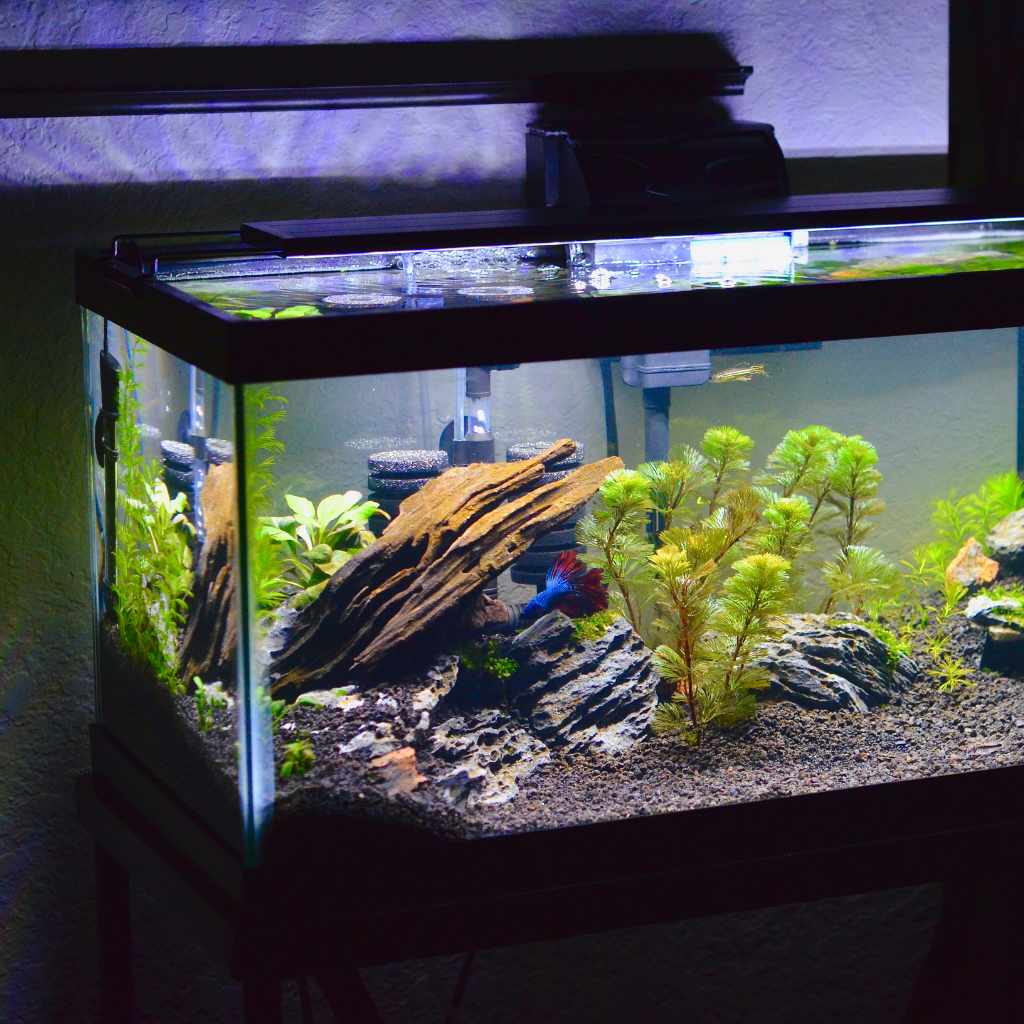
Aquascape Ideas with Driftwood: Effortless Genius
Bolded Quick Summary (Top of Article)
Achieving stunning aquascape ideas with driftwood doesn’t need expert skills. Start successfully by choosing safe wood types, gently preparing your materials, and using simple composition techniques like the Rule of Thirds for beautiful aquatic layouts that look high-end but require very little hassle.
The art of aquascaping can feel a little overwhelming at first sight. Seeing those truly amazing fish tanks makes ours sometimes feel plain. Specifically, using beautiful pieces of driftwood seems reserved only for the pros building complicated underwater tablescapes. That feeling stops right now! Driftwood adds instant character and nature to any tank design easily. With a few straightforward tips, you’ll learn straightforward methods to create stunning aquariums that impress without causing you kitchen headaches. Let’s dive in and discover how simple this “effortless genius” truly is by focusing on safety, preparation, and smart styling.
Why Driftwood is the Star of Any Aquascape
Driftwood isn’t just cool-looking wood floating around oceans or rivers; it’s one of the single best hardscape elements you can use in a planted or regular aquarium. It naturally resists the changes in water well and provides hidden spaces for fish and beneficial microbes. Forget expensive resin or plastic fake rocks initially. Real wood simply works better and looks more real.
The Natural Balance Driftwood Brings
Driftwood mimics structures found across ponds and shady riverbeds globally. This organic feel instantly soothes the tank environment for both the human viewer and the fish inside. When you add décor that looks native to an environment, you promote a calmer, richer habitat.
Think about safety first. Using the right kind of wood, correctly processed, is really important for your fish buddies. We want that artistic look, not sick tank inhabitants!
Safety First: Choosing and Preparing Your “Art Show” Pieces
Because you never want to just scoop wood from the park straight into your aquarium—it can harm your fish—proper selection and preparation are vital steps you simply cannot skip. As beginners, focusing on safety first makes the whole project less stressful later on from tank failures.
Step 1: Selecting Beginner-Safe Wood Types
Not all wood ages gracefully in the tank water equivalent of a bath. Soft woods (like most pine) dissolve too fast, releasing excessive tannins, while treated wood holds unknown, toxic chemicals. Stick to known safe varieties for superb aquascaping success:
- Mopani Wood: Very dense, offers incredible visual contrast (light interior dark bark remnants), lasts a long time.
- Elm Wood (especially very old, weathered Elm): Often has a rich, appealing texture.
- Spider Wood: Known for slender roots that spread wonderfully branching for midground detail.
- Manzanita Wood: A classic favorite, great branching structure, readily available.
A great starting place for ethically sourced, tested wood comes from dedicated aquarium supply businesses who understand wood reactivity for tank use. We avoid random pieces found right by the road mostly through due diligence or purchasing vetted product. When in doubt, always lean toward purchasing specific aquascape supplies; it saves learning hard lessons later by replacing decaying wood that hurts water chemistry. For more technical reading on water composition and organic intrusion, the U.S. Geological Survey (USGS Website) offers educational overviews regarding water safety and unwanted pollutants which informs decisions around placing outdoor wood indoors near animals.
Step 2: The Essential Boiling Process (De-Tannining)
Fresh wood, even safe types, leaks tannins rapidly into your water. Tannins stain the water amber or tea-colored over days or sometimes hours. Some longtime dry-skapers actively want this effect intentionally to mimic softwater river blackwater setups; this is a great advanced move once you’ve mastered stability!
However, most beginners prefer crystal clear water on opening day. To prevent excessive color shock and ensure the sinking process: most wood must be boiled. This achieves a few things: cleaning the surface to kill unwanted organisms, and driving air out of the wood structure—this means it sinks quickly later! Trying to wedge waterlogged sticks underwater after one shallow soak feels like using wood straight from the air!
Boiling Checklist:
- Use an old pot where you don’t actually need perfectly clean cooking residue anymore (some tannin discoloration lasts).
- Submerge the driftwood completely in hot tap/room temperature water, then turn the heat source (stove setting) to boil.
- For small, typical pieces, boil strongly around one hour per every square inch of thickness. Large decorative roots might take several sessions over days.
- Turn heat off, let cool completely in the water. Cooling must be done slowly underwater.
- Rinse off any scum sediment, refresh water, and keep testing its soak/buoyancy in a large bucket for 2–3 days. If bubbles surface consistently, continue simmering stages periodically.
Mentor Tip Safety Note: Never boil wood chunks on a plastic/glass aquarium lid or on porous wood blocks on the stove—dry elements will char rapidly! Use only clean stainless steel or cast iron setup dedicated to this task occasionally cleaned.
Effortless Genius: Blueprinting Simple Aquascape Layouts With Structure
The “genius” part in achieving brilliant results effortlessly comes from knowing where to place the elements ahead of time using simple design guides. We aim for balance that takes minutes to conceptualize but looks like designers slaved over for hours assembling!
Introducing Harmony: Focal Points and The Rule of Thirds
Professionals don’t just drop wood randomly; they build around key viewing lines. The simplest framework is the Rule of Thirds, easily scalable to your tank dimensions. Draw an imaginary tic-tac-toe board overlaying your fish tank glass (top view/front view). Two vertical lines, two horizontal lines. Four intersection points. Usually, the most visually interesting components line up on these lines or intersections.
When planning an “aquascape ideas with driftwood” concept, picture your largest, most striking root structure (your Japant or centerpiece). Where would you place its main trunk relative to those intersections?
| Focus Area on Tank Grid | Recommended Visual Weight | Visual Effect Encouraged |
| Center Intersection Point | Primary Focal Element | Immediate Audience Attention |
| Upper Left/Right Lines | Secondary Accent or Leaf Clusters | Guide viewer’s eye continuation |
| Base Gravel Line | Foreground elements & contrast | Stability and Depth Perception |
Style Templates Using Driftwood as the Anchor
Below are three incredibly user-friendly, low-effort, high-impact aquascaping styles that rely heavily on creative driftwood placement for success. You only need driftwood, good base substrate, and maybe one type of beginner plant rather than an entire woodland.
Template 1: The Lone Root ‘Wabi-Kusa Inspired Rock Garden’
This is the simplest yet most profound aquascape for modern beginners lacking sophisticated carving skill. It embraces negative space. Picture a serene Zen garden, but aquatic.
Goal: Highlight one spectacular piece of driftwood entirely unimpeded by many other elements.
Placement: Place your strongest, gnarly piece, possibly vertically emerging upward or dramatically angled, slightly off-center per the Rule of Thirds template intersection.
Substrate Work: Use simple-colored gravel or fine sand around the driftwood base. Mound it slightly higher near the contact point to make the root appear anchored strongly for decades!
Planting (Optional): Add hardy Anubias or Java Fern rooted firmly onto small anchor points of the wood itself using twine or Super Glue (remove from tank; let glue harden completely first; this glue has negligible threat once cured). The key here: keep planting strictly off this star wood.
This focuses all attention (the effortless style upgrade!) onto the beautiful naturally weathered contours of the wood structure itself.
Template 2: The “Nature Immersion” Waterfall (Root Slope Principle)
This mimics a fallen, mossy log directing materials outward, channeling the eye naturally from upper depth toward lower foreground coverage.
Goal: Create apparent motion or a source where plants stream away from the highest wood point.
Wood Selection: You need pieces naturally suited to layering. You aren’t tying branches together; you look for naturally spread roots or layered limbs.
Construction Flow (Left-to-Right Example): Place the darkest, thickest branch section (high cost/difficulty) toward the imagined “background point” which, in this style, might be the back-left corner, angling it gently towards center-right base of the tank glass in theory. Alternatively, use smaller mid-sized pieces chained lightly together visually, getting thinner and shorter as they flow toward the lower right.
Substrate Action: Very important here: grade your substrate steeply. Make the substrate deep dark sand/dirt blend against the thick part of the wood, quickly sloping toward a lighter gravel strip at the front leading away from the wood. This visual depth makes your rooted wood stand seem huge and deeply established within simulated river banks.
Tip from Experience: Flow is created by lines—use texture change or slope to imply movement away from solid hardscape elements.
Template 3: The Root Bivouac (The Small Jungle Canopy)
For slightly larger tanks or viewers wanting more foliage action near feature wood, this focuses on surrounding anchor points with texture to create depth quickly.
Goal: Use multiple smaller elements of driftwood chained together architecturally beneath a canopy of foreground plants to imply a shadowy hidden clearing or root network shelter.
Chaining Wood: You need 3 functional pieces:
Anchor Upright (tallest point defining the vertical axis).
Primary Base Runner (this bridges area horizontally near surface behind the anchor if viewing from a side, defining breadth against a wall).
Low Profile Root Crevice Supplier (spread pieces angled carefully just above or buried snugly into the substrate mix).
Substrate Work (Crucial): Use dark soil or nutrient base topped lightly with dark, chunky gravel. The contrast hides rough placement interfaces between water-exposed wood sections and substrate sections exceptionally well.
Plant Strategy Simple Planting: Only use one or two varieties of bushy stem plants right behind the main root masses. Because the wood visually complicates the background view, the small number of complementary plants look dramatically full without you painting green all over space constantly.
If you follow visual aids like this detailed guide from ADA Aquarium Systems, you can see how complex forms are built from arranging pieces to direct one another naturally, enhancing the apparent density greatly through mere positioning choice.
Tools You Need Aren’t Scrapers, Waders, or Power Tools (!)
Unlike high drama woodworking that requires massive jigs, building your first gorgeous aquascape with driftwood needs surprisingly few heavy-duty things meant for dry construction. Mostly, you only need specific, gentle aids. No roaring table saws or hand planes required for aquascaping beauty!
Essential Toolkit for Hardscape Manipulation:
- Boiling Pot & Safety Tongs: Non-negotiable for wood preparation/cleaning.
- Gloves (Flexible Rubber/Nitrile): Always protect hands when washing dirty submerged wood pulled from hard water buckets (or even testing bins).
- Long Tweezers/Forceps (10–12 inches): The actual planting superheroes after the wood drops. Necessary for placing ferns onto wood mid-water gracefully.
- Super Glue Gel (Cyanoacrylate): Must be the type rated 100% colorless and fully safe by seller context clues for jewelry repairs or skin use once dried. Essential for instant grafting small hardy plants to surfaces where ties keep falling out constantly.
- Strong Winding Fiber twine (cotton or black Kevlar often best looking when visible momentarily during startup). Required for securing early growth onto hard surfaces allowing adhesion time before the plants establish roots into cracks naturally looking undisturbed months later.
This simplified setup supports constructing layouts where the placement is truly the art, not specialized hardware. Mastering these simple additions makes assembly quick and clean, preventing accidental scraping of the sand bed as you settle weighty logs.
Getting Fancy Affordably: Low-Effort Texturization Techniques
If your piece of beautiful driftwood looks a bit too “bald” or singular in decoration, you often want to add subtle texture to imply age, mineral absorption, or symbiotic growth over many years of immersion—all accomplished today instead of waiting decades.
Enhancing Wood Surfaces Simply
These hacks use simple textures to turn one sturdy anchor root installation into what looks like four!
Moss Placement: Instant Age & Texture Density
Moss (like Java moss or Peatmoss) excels because it’s almost indestructible when tethered to established areas. Use extreme patience here!
- Use that long tweezers you invested in yesterday. Dip them into the water bucket your tank centerpiece piece sits in right now—you don’t need heavy water displacement to start installation!
- Dab a minimal speck of gel super glue (Read about high science insights into cyanoacrylate safety upon curing from NIH if interested, recognizing this source is medically contextual but emphasizes curing safety).
- Quickly press a small portion (dime-sized pinch—don’t use huge clumps) of the selected moss onto the root junction or a knobby knob right where major branches break off to imply historic wear around fissures.
- Repeat sparingly on perhaps 2–3 strategic darker junction points closest yet hidden relative to your desired main viewing area. Not all exposed wood needs coating! That highlights wear where it occurred naturally via turbulence.
These tiny controlled bursts of texture elevate that starter piece wonderfully while you gain experience designing complex plant carpets later.
Using Substrate Capping for Seamless Wood Transitions
This is another secret handshake of masters—make the wood rise organically from the environment, stopping abrupt, fake looking lines where floor meets giant timber base for superb “aquascape ideas with driftwood” execution.
Table showcasing Substrate Blending for Visual Flow:
| Placement Zone | Material Choice | Application Goal | Confidence Rating |
| Immediate Base Contact: < 4 inches from point tip | Dark Nutrition Layer / Soil Mix | High point support; blend messy cuts /] | Beginner Secure Path (8/10) |
| Middle Transition: < 5cm on buried roots | The Bottom Clay/Gravel Blend | Visually rough up the wood base; hide interfaces | Confident Builder (7/10 skill needed) |
| Outer Perimeter Edge | Fine Light Sand or Top Gravel | Create clear contrast edge for foreshortening eye movement | Minimal Worry Zone (9/10) |
By letting the dark soil material gently creep underneath curves or cradle tight junctures where branches become roots, the wood simply looks like colossal underground anchors in soft silty margins—achieved with patience in spoon-feeding dirt against the wood barrier.
For deep roots extending underground, even if only the bottom inch goes into the substrate, focus on applying that deeper tone directly next to it! You hide flaws by convincing the eye that the view is dark beneath soil level!
Addressing Common Design Pitfalls (How Beginner Driftwood Looks “Beginner”)
Even solid motivation faces challenges! When a client’s new aquascape still looks a bit phoned-after a weekend, usually it isn’t the aquarium glass clarity; it’s how the single dominant dark color—that imported driftwood—is interacting with the background or midground elements.
Pitfall 1: Total Coverage—Making the Tank Look “Root-Bounded”
Beginners use beautiful wood, but try hiding 80% of the background or too many corners. Dark things viewed against dark backgrounds lose dimension.
The Fix: Treat wood as a bone feature, not bulk filling. Leave at least 50% of available background/side glass visually clear, particularly on the primary viewing side. Empty space pushes depth forward unexpectedly well. Think tall versus dense! Let the wood soar vertically if stability allows, rather than sprawling defensively wide immediately against the glass walls.
Pitfall 2: Placing Too Many Independent Pieces
When you source three perfectly good root chunks, it feels wrong to only use one! But combining four visually competing chunks just results in visual traffic congestion, not a beautiful “aquascape” flowing composition.
The Fix: Choose the ABSOLUTE BEST piece—the one whose branching and general sway aligns toward your focal quadrant. Prep that singular stellar hunk well. Set others aside designated ONLY for secondary placement deep against corners (out of primary sight) if you fear losing bulk texture entirely. If the second choices compete actively, exile them until Level 2 mastery (advanced concept!), focusing solely today on Item A’s impact path within design parameters!
Pitfall 3: Bad Contrast Setup
If you have heavily dark Mopani root, placing standard dark algae-prone broad-leaf plants directly in front of its shadows defeats the shadow detail you want to highlight! We learn through demonstration that light elements frame dark elements splendidly where sunlight penetrates thick forests!
The Fix Immediately Done: Plant something bright green, highly buoyant upward like Glossostigma or Riccia, near the base where sun reaches easily onto the wood, provided it highlights the lower body contour rather than hiding bulk surface structures behind major depth blocking features. Alternately, use light algae growths intentionally as textural wear on the upper wood sections of a long submersed portion—nature always makes things fuzzy!
Scaling for Success: Driftwood Layout Sizes
The complexity required scales steeply with effort expected—or time sinks—when the footprint grows across a long display system. As an initiator focused on “effortless genius,” start smaller than you think fits your room ambition!
Compare setup effort required versus water husbandry management ease early on:
| Tank Size Estimate (Gallons/Liters) | Required Setup Style Focus | Driftwood Density Allowance | Substrate Layering Complexity |
| Nano (5–10 Gallons / 19–38L) | Emphasis on Shape & Negative V’space Selection | 1 medium, powerful statement branch OR 2 very small roots. | Low Complexity. Goal: Keep sight lines direct. |
| Starter Entry ($20 – 30 Gallons / 75 – 113L) | Standard Rule of Thirds Structure Alignment Primary | Wood establishes 1 main mountain, possibly one secondary filler stump (back side, blocked heavily by plants later). | Medium Complexity Goal: Graded slope achieved efficiently. | Home Hobby Setup Large (55+ Gallons / 208L+) | Complex Structural Integration (Multiple pieces layered near corners) | Should appear fully grown from ground up using 2-3 main primary woody masses structurally interlocking in appearance. | Medium to High Goal: Must integrate hard hiding tunnels with plant soil masses for stability and root anchoring pathways. |
Focusing heavily on a successful layout for a modest 30-gallon container means that logic scale up flawlessly when you buy that very cool 125-gallon someday! Master focusing sight, not merely focusing wood volume.
Wrapping Up Your Workshop Day: Final Placement Check
You’ve boiled the wood, ensured it’s sinking beautifully, and you placed it according to guiding visualization like one of our simple flow templates. What’s left?
Check the glass one final time before filling or adding primary planting substrate above level adjustments.
- Stand looking through the glass from straight on—is your imagined line clear? Can you see separation, or does it immediately look dense and claustrophobic near planting bed depth?
- Check the sides. In taller rectangular aquariums, the deepest parts matter lots. Make sure the wood doesn’t sit jammed against back light reflectors if water turbulence planning aims for those areas down river!
- If the piece tilts (even the pre-boiled 1-hour submerged starter log, just before soaking commences!)—firm it. Weight is critical. Often, gluing—using aquarium-grade aquarium sealant/silicone for long lasting hold, never gel glue on massive submerged support junctions awaiting years of maturation—is required for extremely weighty roots against the tank bottom glass itself only if safety dictates zero drift during filling!. Remember the general rule taught in reputable building certifications: If gravity alignment concerns arise for materials handled like décor pieces, ensure foundation grip before proceeding.
By prioritizing sound preparation coupled with universally understood artistic principles like the Rule of Thirds, securing fantastic “aquascape ideas with driftwood” setup becomes exceptionally stress-free programming rather than trial-and-error gardening in an unfamiliar environment. You successfully transitioned daunting professional work into straightforward modular creative steps this sunny day here in the making workspace!
Frequently Asked Questions About Driftwood Aquascaping (FAQ)
Q 1: Once my driftwood has sunk, can I just fill the tank with tap water?
A: Almost! Even wood meant to sink can leach mild levels of discoloration substance (tannins) after boiling. Fill slowly, but watch water clarity for the first 48 hours by using robust mechanical filtration for immediate particulate catch.
Q 2: How fast does driftwood need to change after I soak it; does it rot?
A: Good, harvested and then boiled hardwood will last five years, often decades, while still holding shape superbly. Faster rotting implies too soft a wood was chosen, or surface integrity was compromised by aggressive sawing action without sanding edges post-boil phase absorption test.
Q 3: Can I use rocks to hold down lightweight, still-floating driftwood instead of boiling forever?
A: Indeed! Many popular aquarists affix hardscape rock using aquarium non-toxic silicone beneath the wood where the wood sits on the glass; this substitution lowers boiling time immediately, using stable density replacement pieces found at dive/supply stores. Ensure high bond stability using clamps while sealing.
Q 4: Should I plan my aquascape around my wood or grow my plants first then position the driftwood in remaining space?
A: Always plan complex aquascape designs around* the centerpiece hard scape features like your choice of feature driftwood. As the anchor, structure dictates line progression, depth simulation possibilities, shading required (if plants need shaded bases), and overall composition strength before fragile living surfaces are placed!
Q 5: Does algae always cover the wood, making my clean look messy finally?
A: Diatoms (brown fuzzy algae) often coat newly introduced wood in ANY beginner tank systems that are low in light, poor light duration control, OR are not managing NPK balances correctly yet because cycling continues! Increasing fast green plants helps starve surface nutrients required by that brown growth structure naturally preventing issues before they become noticeable eyesores.
Q 6: What color gravel works best if I spent hours choosing my striking dark red Mopani root?
A: Light colors give that immediate dramatic high relief effect contrasted against dark driftwood features—think super fine pale yellow sand or pale tan quartz gravel framing dark brown/black. Dark substrate muddles the detailed wood etching completely!
Safety First Note: Even pieces appearing washed still carry surface bio-residue residues, never trust exterior collected untreated wood unless documentation vouches for its treatment history against pollutants or invasive species—stick to known supply streams.
The End is Just a New Beginning for Your Tanks
Look back what you have covered. Starting an aquascaping project centered around captivating driftwood—the backbone for superb imagery—used to feel like crossing a scary creative gulf from regular fish-keeping. Today, you know that genius is simply applying known guidelines with materials smartly sourced!
You chose sturdy Mopani versus dissolving Pine. Critical preparation like purposeful boiling for stability and sinking power is completed safely. And most assuringly, you implemented basic composition techniques aligning shadows and visuals to real-world viewing physics (like the simplified Rule of Thirds), setting up contrast through strategic yet undemanding substrate work. That one magnificent piece of boiled, sun-dried root structure is now guaranteed a prominent, stable feature, effortlessly tying together a vibrant ecosystem preview.
Go ahead now, place that piece. Fill that tank deliberately according to those learned contour elevations. Add maybe just one very sturdy beginner plant securely attached near its base—and stop stressing about looking professional. Because by concentrating mastery into just a few core safety decisions and smart placement cues derived cheaply through simple art guides, your latest aquascape isn’t just beautiful; it feels totally foundational, stable, and profoundly elegant—the quiet sign of a woodworker’s touch transforming simple elements into permanent, beautiful structures.