Etching Wood With Electricity Is Dangerous — What You Need to Know First
Etching wood with electricity means passing high-voltage current through wood soaked in a conductive solution to burn Lichtenberg-style branching patterns — the same setup has caused at least 33 documented deaths in the US since 2017, and no amount of protective gear makes it safe. This guide explains why we stopped publishing the setup steps and covers two genuinely safe alternatives: a pyrography pen and a CNC laser engraver.
⚠️ Serious Safety Warning — Please Read Before Continuing
Lichtenberg (fractal) wood burning uses extremely high voltage — often from a modified microwave oven transformer — passed through wood soaked in a conductive solution. This is not a minor burn hazard: it is genuinely lethal. At least 33 documented deaths have occurred in the US since 2017 from people attempting this technique, along with many additional serious injuries.
The American Association of Woodturners (AAW) bans demonstrating this technique or selling equipment for it at AAW events and in AAW publications specifically because of the fatality risk.
The danger is electrocution, not just burns — mains-level voltage passing through a person can kill in seconds, even from what feels like brief or minor contact. We strongly recommend against building or using homemade high-voltage equipment for this technique. If you choose to proceed anyway, this should only be with a properly isolated, purpose-built commercial device, under qualified electrical supervision, and never while alone.
Why We Don’t Publish The Etching Setup Steps
Best Safe Wood-Etching Alternative Pick
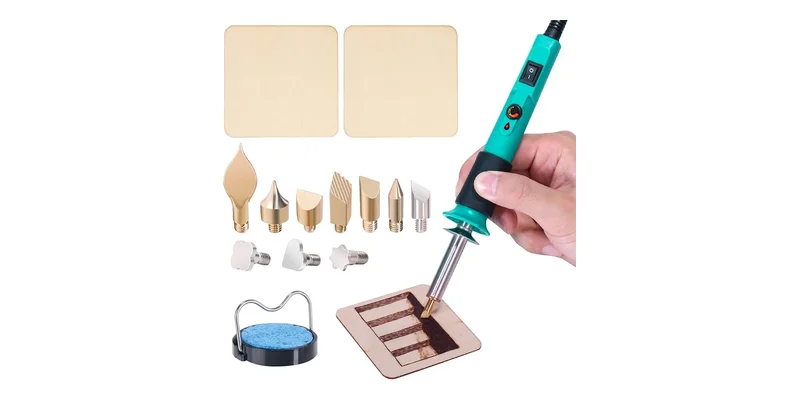
YIHUA 930-IV Pyrography Wood Burning Pen Kit – $15.99
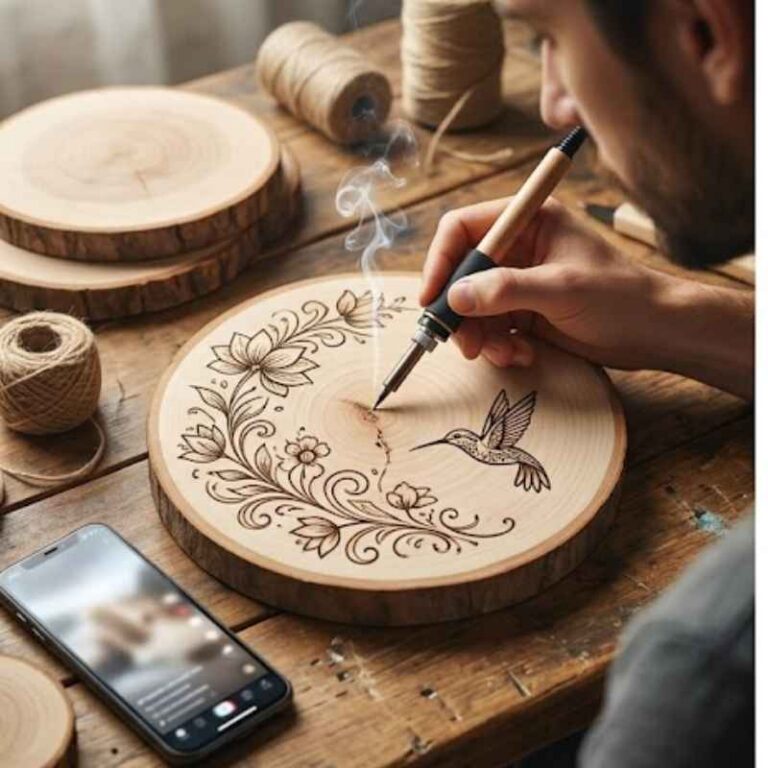
This is the low-voltage pyrography pen this guide recommends instead of wiring a power supply to a conductive solution — it freehands the same branching, etched-look lines without any current passing through the wood or the operator.
- Best for: Beginners who want the Lichtenberg branching look without electrical risk
- Why we picked it: Adjustable heat, 10 interchangeable tips, and a heat deflector for safe, comfortable control
- Main drawback: Freehand lines take practice to look as symmetrical as a true fractal-burn pattern
Compare more safe wood-etching options
 Option 1 TRUArt Pyrography Pen Kit – $39.95
|
 Option 2 ACRSIKR Wood Burning Kit – $27.99
|
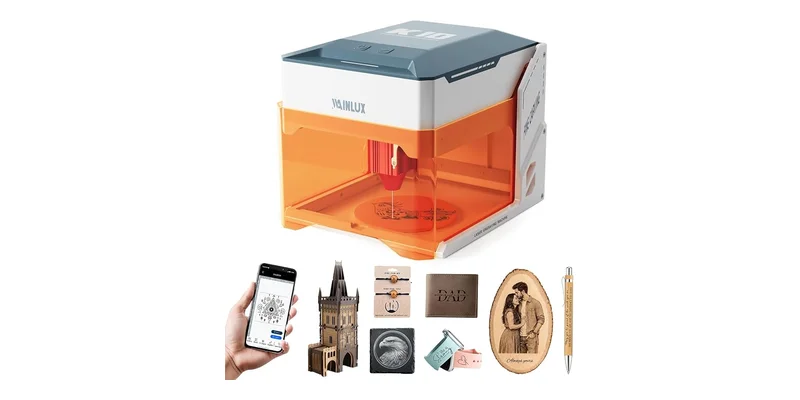
 Option 3 WAINLUXPRO K10 5W Laser Engraver – $151.99
|
As an Amazon Associate we earn from qualifying purchases.
Earlier versions of this page described mixing a conductive solution (water with salt or baking soda), connecting a power supply and electrodes to wood, and adjusting the voltage until the surface etched. We removed those steps. This is the same underlying setup as Lichtenberg (fractal) wood burning — at least 33 documented deaths have occurred in the US since 2017 from people attempting it, and the American Association of Woodturners bans demonstrating the technique at AAW events for that reason. Wearing gloves and goggles does not make this safe; the danger is electrocution from current passing through the conductive solution and the person holding the tool, not just a burn you can shield against with PPE.
Two facts worth knowing:
- A GFCI outlet does not protect you. It monitors the transformer’s primary (input) wiring. The lethal output comes from the secondary coil, which is galvanically isolated from that circuit — the GFCI cannot detect a fault on the output side and will not trip.
- Unplugging the power source does not make it safe to touch. A capacitor paired with a high-voltage transformer stores a charge and can deliver a lethal shock long after the unit is disconnected from the wall.
A Safer Way To Etch Or Burn Designs Into Wood
If you want branching or etched-looking designs in wood without wiring a power supply to a conductive solution:
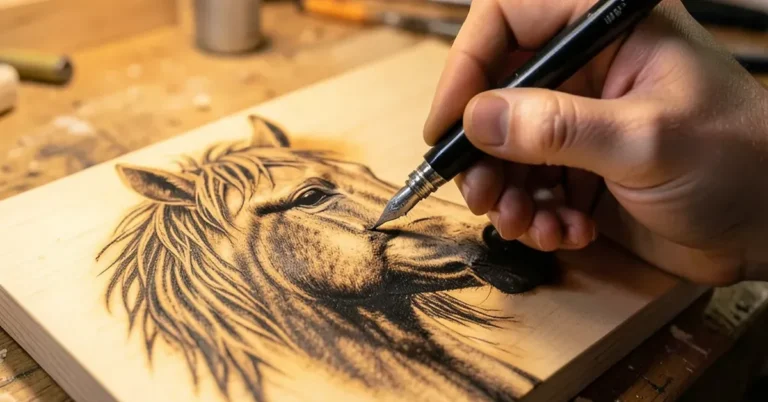
- Pyrography (wood-burning) pen. Freehand branching or etched-style patterns at low, safe voltage.
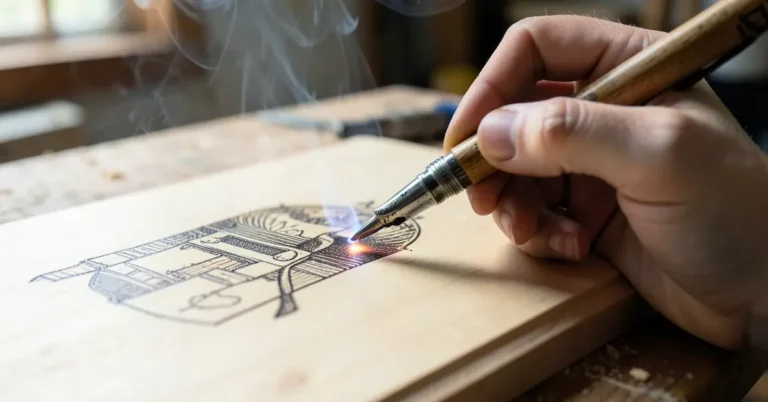
- CNC laser engraver. Load or design a pattern and let the laser etch it in — no current passes through the workpiece or operator.
For the complete Lichtenberg wood burning process and every documented risk in more depth, see our full guide to Lichtenberg wood burning.
Designing Your Artwork
Choosing the right design is key to creating stunning wood art. Simple shapes work well for beginners. Use patterns that inspire you and fit your style. Consider nature, geometric shapes, or even personal symbols.
To transfer your design onto wood, start with tracing paper. Place the paper over your design and trace it with a pencil. Then, secure the tracing paper on the wood surface. Use a ballpoint pen to trace over the lines. Press firmly to leave an imprint on the wood.
For a more advanced method, consider using carbon paper. Place the carbon paper under your design. Trace over the lines to transfer the image directly onto the wood. This method ensures a clear outline for etching.
Finishing Touches
Start by carefully cleaning the etched wood. Use a soft brush to remove dust. A damp cloth helps remove any residue. Make sure the surface is dry before proceeding.
Sealing your artwork protects it from damage. Choose a clear wood finish or sealant. Apply it evenly using a brush or cloth. Allow it to dry completely before using the wood.
Regular maintenance keeps your artwork looking great. Wipe it with a dry cloth to remove dirt. Avoid using harsh chemicals that can damage the surface.
Inspiring Project Ideas
Creating personalized gifts with wood etching is a special touch. Use names or dates to make it unique. Friends and family will love these thoughtful creations.
Enhance your home decor with stunning etched wood pieces. Wall art, coasters, or picture frames can add charm. Choose designs that match your style.
Explore artistic expressions through wood etching. Create custom signs or decorative panels. This technique allows for endless creativity and fun.
Frequently Asked Questions
How Does Electricity Etch Wood?
Electricity etches wood by passing a high-voltage current through a conductive solution (often salt water or baking soda water) painted onto the surface, burning branching patterns into the wood. This is the Lichtenberg/fractal burning technique, and it is genuinely dangerous — at least 33 documented deaths in the US since 2017 have been linked to it. A pyrography pen achieves a similar etched look safely, without conductive solution or high voltage.
What Materials Do I Need For Wood Etching?
We don’t recommend the power-source-and-electrodes approach, given the documented fatality risk. For safe etched/branching designs, all you need is a pyrography (wood-burning) pen and, optionally, design templates or carbon paper to transfer a pattern first.
Is Wood Etching Safe?
Not the high-voltage electrical version — at least 33 documented deaths in the US since 2017 are linked to this technique, and PPE like gloves and goggles does not protect against electrocution. A GFCI outlet does not protect you either, because the lethal output comes from a secondary coil isolated from the circuit a GFCI monitors. A pyrography pen, by contrast, is genuinely safe when used as directed.
Can I Etch Any Type Of Wood?
While many wood types can be etched, softer woods are generally preferred. Woods like pine, cedar, and basswood yield better results. Hardwoods can also be etched but may require more power and time. Always test on a small area first to gauge how the wood reacts.
Is Electric Wood Etching The Same As Lichtenberg Wood Burning?
Yes — electro-etching wood is another name for the same Lichtenberg (fractal) burning technique. Our Lichtenberg wood burning covers the full process history and every documented safety requirement in more depth than this page does.
Conclusion
Etching wood with electricity is the same high-voltage Lichtenberg setup linked to at least 33 documented deaths in the US since 2017 — we don’t recommend building or using it, no matter what protective gear you wear. A pyrography pen or a CNC laser engraver gives you the same branching, etched-look designs without wiring current through a person. For the full technique breakdown and every documented risk, read our complete guide to Lichtenberg wood burning.
Sponsored / affiliate links. As an Amazon Associate I earn from qualifying purchases. I may earn additional commission from eligible campaigns.