Bored Well vs Drilled Well: Which Is Right for Your Home
For most homeowners, a drilled well is the more reliable long-term choice. It reaches deeper, protected water sources that are far less likely to pick up surface contamination, and it keeps producing water through droughts that can leave a shallow bored well dry. A bored well costs less to install, but that upfront savings comes with real tradeoffs in water quality and supply reliability worth understanding before you commit either way.
What Is a Bored Well?
Test Before You Trust It
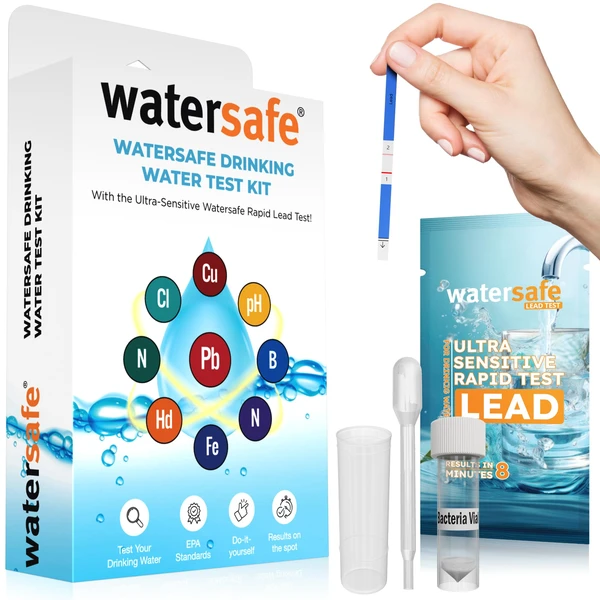 |
Watersafe Drinking Water Test Kit – $32.99 A DIY test for lead, bacteria, nitrates, pH, and hardness – worth running before first use on a new well and annually after, regardless of which well type you have.
|
A bored well (also called a dug well) is made with a large-diameter auger that digs a wide, shallow hole through soft ground – clay, sand, or gravel. Concrete or steel casing sections are lowered in to keep the walls from collapsing, and the well fills with groundwater seeping in from the surrounding soil.
- Wide: typically 24 to 36 inches in diameter, which lets the well itself act as a small storage reservoir.
- Shallow: usually 25 to 100 feet deep, drawing from the unconfined aquifer – the water table closest to the surface.
Bored Well Pros and Cons
Advantages:
- Lower installation cost – simpler equipment and a faster process than drilling.
- Good storage capacity – the wide diameter holds a useful reserve for short, high-volume use.
- Simpler construction – less heavy machinery, which helps on properties with tight access.
Disadvantages:
- Vulnerable to contamination – shallow depth means the well draws from surface water that can carry runoff from pesticides, fertilizer, septic systems, and animal waste. The EPA flags shallow wells as higher-risk for exactly this reason.
- Can run dry – the near-surface water table drops during dry seasons, and a well that’s fine in spring can be empty by late summer.
- Slow recharge – it relies on water seeping back in from the surrounding soil, so heavy use can outpace the refill rate.
- Ground-dependent – only works in soft, unconsolidated earth; it can’t get through bedrock.
What Is a Drilled Well?
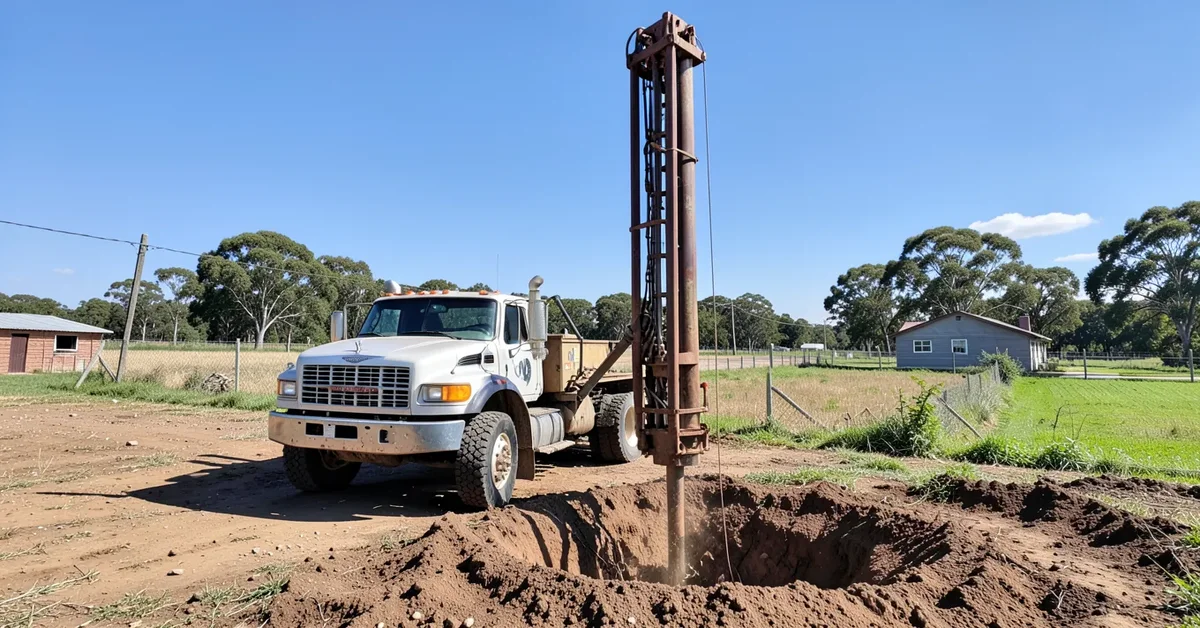
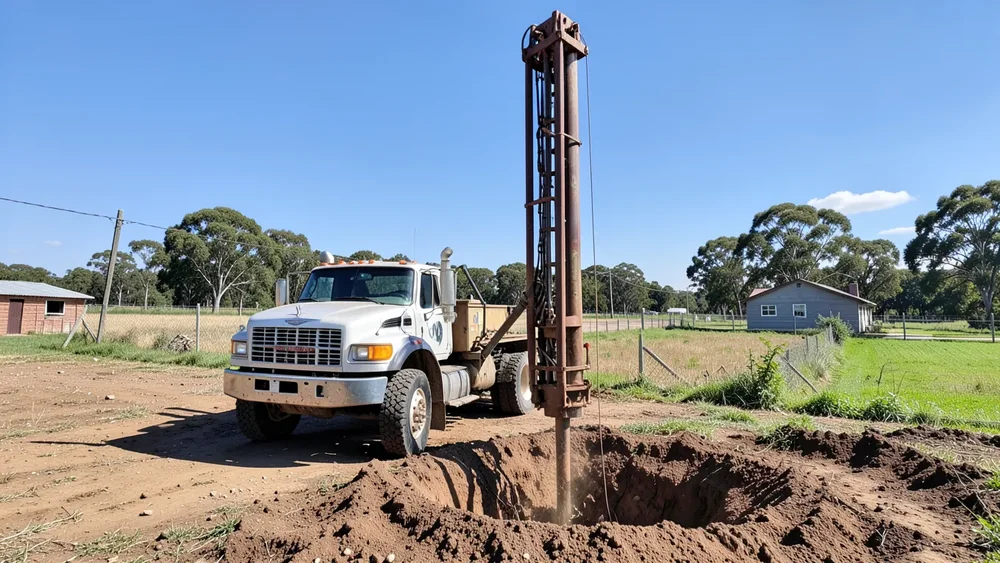
A drilled well uses a powerful rotary or percussion drilling rig capable of cutting through dense clay, packed gravel, and solid bedrock to reach deep, protected aquifers.
- Narrow: typically 4 to 8 inches in diameter.
- Deep: commonly 100 to 500 feet, and sometimes over 1,000 feet where the local aquifer requires it.
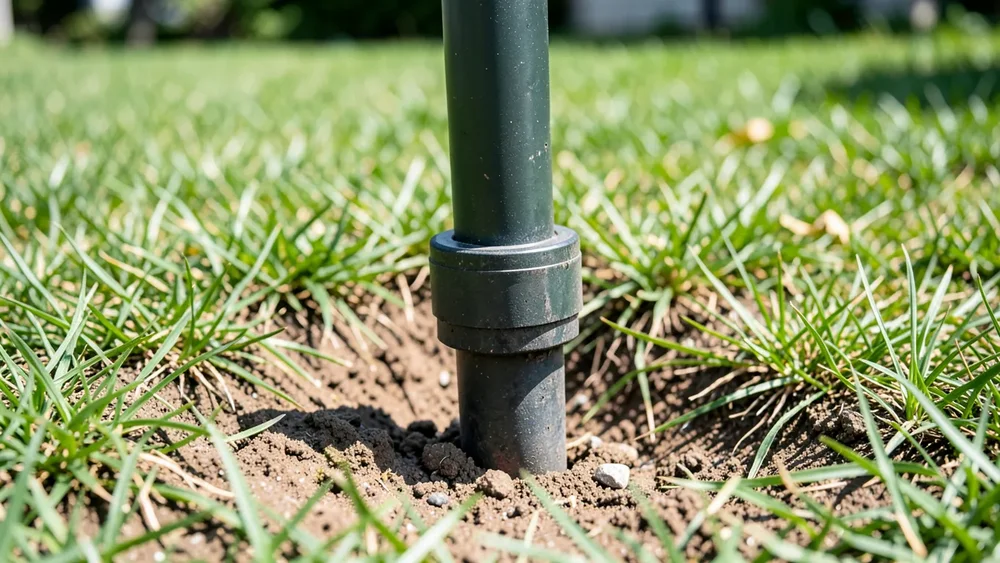
Steel or PVC casing runs the full depth of the well, sealing it off from shallow, potentially contaminated water before the pump is lowered in to bring clean water to the surface.
Drilled Well Pros and Cons
Advantages:
- Better water quality – deep, confined aquifers are naturally filtered by layers of rock and clay, bypassing most surface contaminants.
- More reliable supply – deep aquifers aren’t affected by seasonal changes or short-term drought.
- Higher yield – better suited to modern households with multiple bathrooms, appliances, and outdoor watering.
- Works in any geology – a drilling rig can get through soft soil or hard granite.
- Long lifespan – a properly built drilled well can last 50 years or more with minimal maintenance.
Disadvantages:
- Higher upfront cost – heavier equipment, skilled labor, and depth all add to the price.
- More complex installation – a professional crew and specialized rig, often taking several days.
Bored Well vs. Drilled Well at a Glance
| Feature | Bored Well | Drilled Well |
|---|---|---|
| Average Depth | 25 to 100 feet | 100 to 500+ feet |
| Diameter | Wide (24-36 inches) | Narrow (4-8 inches) |
| Installation Cost | Lower | Higher |
| Water Source | Shallow groundwater (unconfined aquifer) | Deep groundwater (confined aquifer) |
| Water Quality | Lower, vulnerable to surface contamination | Higher, naturally filtered and protected |
| Reliability in Drought | Poor, can run dry | Excellent, largely unaffected |
| Yield / Flow Rate | Low, slow to recharge | High and consistent |
| Typical Lifespan | 20 to 30 years | 50+ years |
| Construction Method | Auger / digging | Rotary or percussion drilling rig |
Four Factors That Should Decide It
1. Your Property’s Geology and Water Table
Deep layers of sand and gravel with a high water table make a bored well physically possible. Shallow bedrock or a deep water table rule it out entirely – a drilled well becomes your only real option. The U.S. Geological Survey (USGS) and local well drillers can tell you what’s under a specific property before you commit to either approach.
2. Household Water Demand
A single occupant in a small cabin needs far less than a family of five running multiple bathrooms and an irrigation system. A drilled well’s higher, steadier yield handles that demand comfortably; a bored well can struggle to keep up during peak use, particularly toward the end of a dry summer.
3. Contamination Risk on Your Property
Nearby farms using pesticides or fertilizer, a septic system on your own lot, or livestock operations upslope all raise the contamination risk for a shallow well. If any of these apply, a drilled well’s depth and casing give real protection a bored well can’t match.
4. Total Cost Over Time, Not Just Upfront
A bored well’s lower sticker price can be offset by ongoing costs: filtration systems to handle lower water quality, annual contaminant testing, and in some cases drilling a proper well later anyway once the bored well runs dry or fails a water test. Weigh the installation quote against those realistic follow-on costs, not just the initial number.
Whichever Well You Choose, Test the Water
Neither well type is guaranteed safe without testing. A drilled well’s depth makes contamination less likely, not impossible – and a bored well should be tested more often given its higher exposure to surface runoff. Most local health departments recommend testing new well water for bacteria and nitrates before first use, then annually after that, plus any time the water’s taste, smell, or color changes.
Frequently Asked Questions
How deep is a bored well compared to a drilled well?
A bored well typically runs 25 to 100 feet deep. A drilled well goes much deeper, commonly 100 to 500 feet and sometimes beyond 1,000 feet, to reach a protected aquifer.
Can I install a water well myself?
No. Both well types require specialized heavy equipment and licensed expertise to meet local codes and safely reach a clean water source. Always hire a licensed, insured well-drilling contractor.
Which well is better for rocky ground?
A drilled well is the only real option in rocky ground. Its rig can cut through solid bedrock, while a bored well’s auger only works in soft earth like sand, silt, or clay.
How do I know if my well water is safe to drink?
Test it. A certified lab test is the gold standard, and an EPA-style home test kit is a reasonable first check for bacteria, nitrates, and pH between lab tests. Test annually, and immediately after any change in taste, smell, or color.
Does a bored well run dry more easily?
Yes. Because it draws from the shallow water table, a bored well’s supply can drop sharply during a dry season or drought. Drilled wells reach deep aquifers that are far more stable through seasonal weather swings.
What is a well casing?
The casing is the pipe lining the inside of the well hole. It keeps the surrounding earth from collapsing in and seals the well off from surface water, protecting the water source below from contamination.
How long does each type of well last?
A well-maintained drilled well can last 50 years or longer. A bored well typically lasts 20 to 30 years, since its shallower construction is more exposed to damage and water quality issues over time.
The Bottom Line
For most homes, a drilled well is worth the higher upfront cost: better water quality, a supply that holds up through drought, and a lifespan roughly double that of a bored well. A bored well can still make sense on the right property – soft, deep soil, a high water table, and low contamination risk – but go in aware of the tradeoffs rather than choosing on price alone. Talk to a local, licensed well contractor who knows your area’s geology before deciding either way, and test the water regardless of which well you end up with.
Sponsored / affiliate links. As an Amazon Associate I earn from qualifying purchases. I may earn additional commission from eligible campaigns.