Are Black Walnut Trees Invasive? Essential Facts
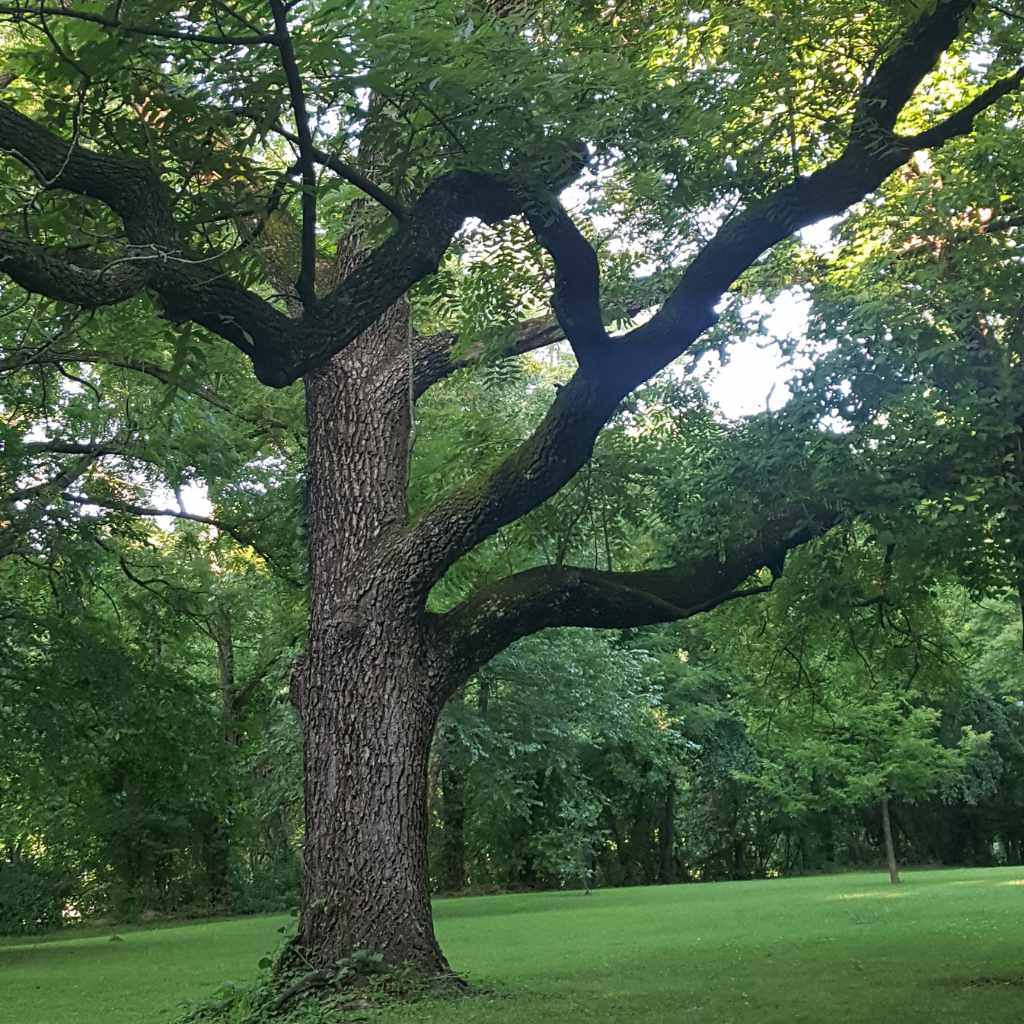
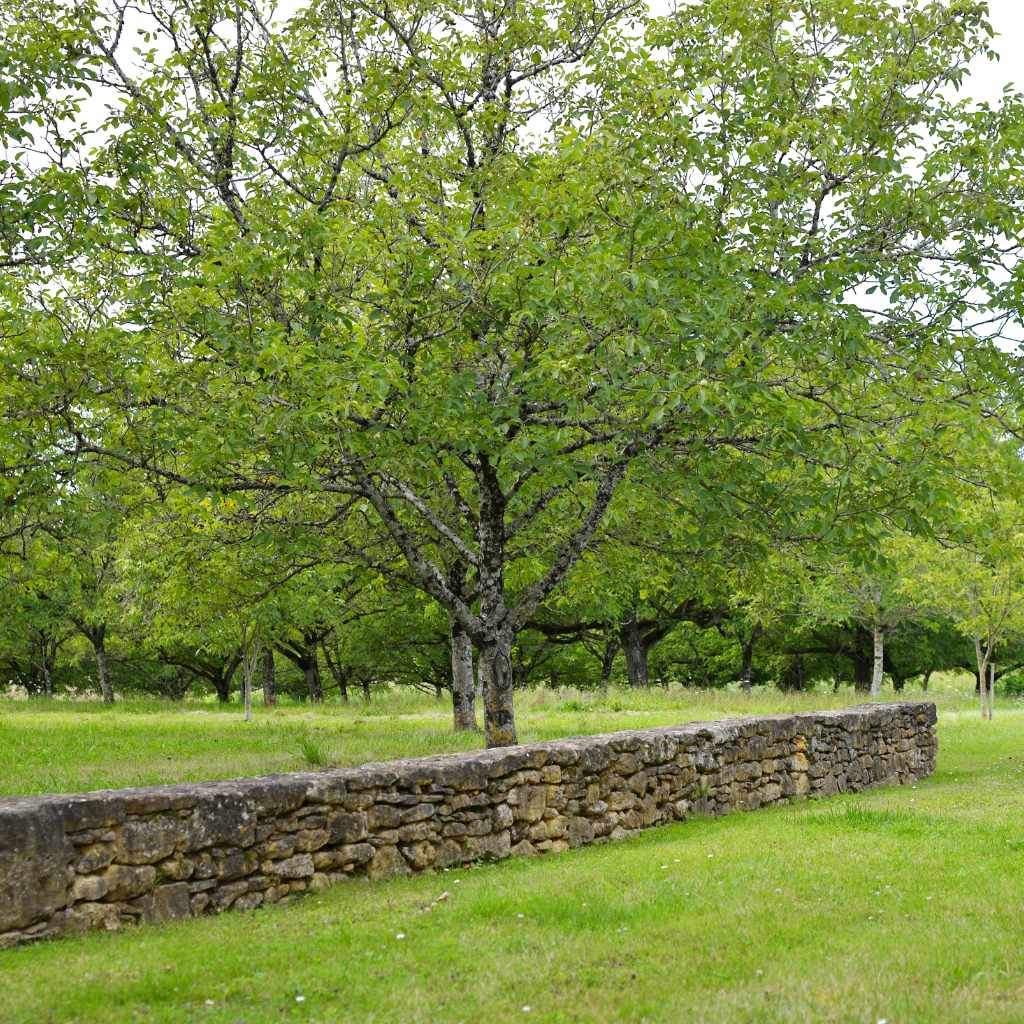
Black Walnut trees are generally NOT considered invasive in most regions of North America, though their specific growth habits require careful management, especially near gardens and desired plants due to the chemical they produce called juglone.
Welcome to the workshop! If you appreciate the rich color and beautiful grain of black walnut wood—or if you’re just admiring a majestic one in your yard—you might be wondering if this tree spreads aggressively. It’s a common question, especially for DIYers planning landscape projects or managing property boundaries. Worrying about invasive species can be frustrating, but I’m here to clear things up. We will look closely at what “invasive” really means for the Black Walnut (Juglans nigra) and show you exactly how to handle this magnificent native tree safely. Let’s get your woodworking and gardening questions answered simply and confidently!
Understanding Invasive Species: What Does “Invasive” Really Mean?
When we talk about invasive plants, we’re talking about species that spread rapidly, aggressively outcompete native plants, and cause harm to local ecosystems. Think kudzu or certain types of honeysuckle. Understanding this definition is step one!
The Official Definition vs. Black Walnut Behavior
Organizations like the USDA often classify invasive plants based on their established behavior in new non-native regions. A key aspect is that the plant must disrupt the ecological balance outside its natural range.
- True Invasives: Spread quickly via wind-blown seeds or root runners, often lacking natural predators in the new environment.
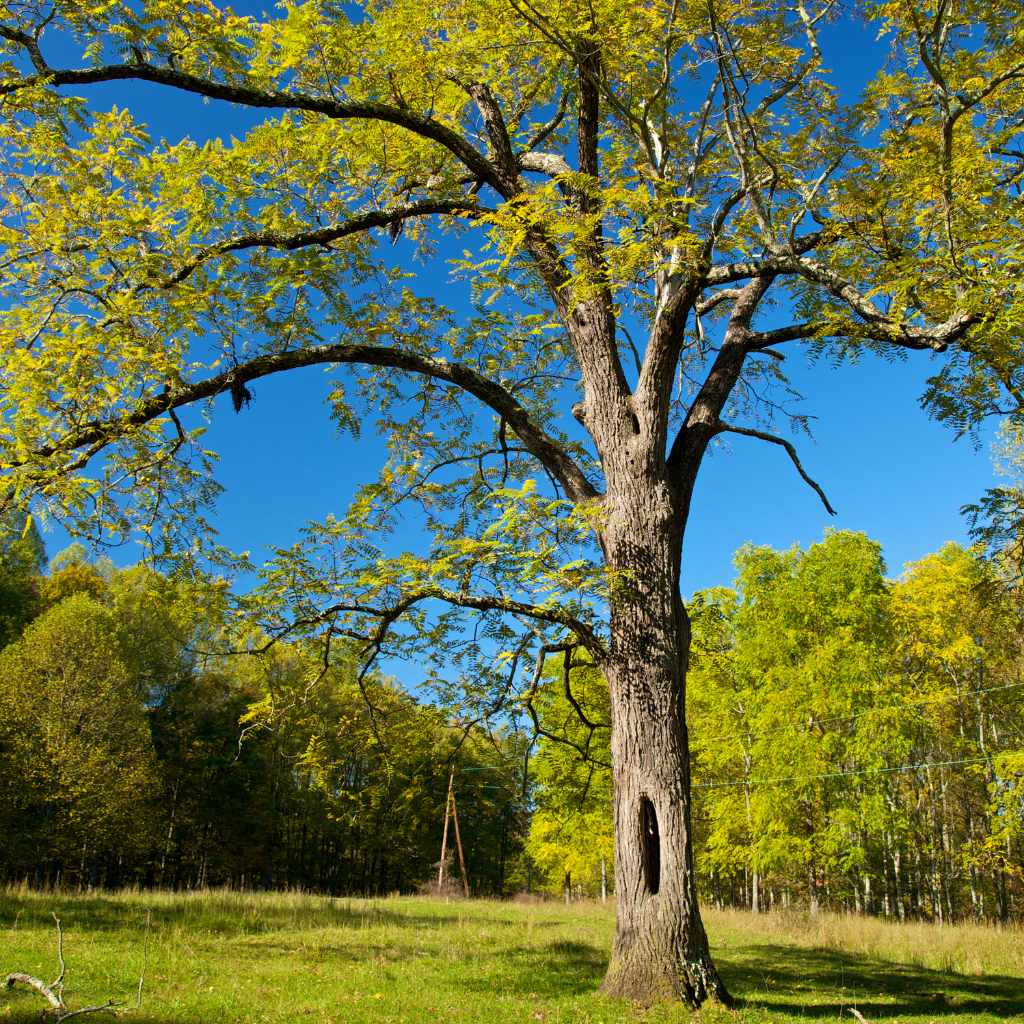
- Black Walnut (Juglans nigra): This tree is native to eastern North America. Because it belongs here, it is not classified as invasive in its native range.
However, just because it isn’t “invasive” doesn’t mean it doesn’t have unique or challenging behaviors homeowners and gardeners need to manage. That brings us to its most famous characteristic: allelopathy.
The Main Concern: Juglone and Allelopathy
The real management concern with Black Walnut isn’t its spreading habit, but a natural chemical defense mechanism it employs called juglone. This is crucial knowledge for anyone planning a garden nearby.
What is Juglone?
Juglone is a naturally occurring compound found in the leaves, roots, bark, husks, and wood of the Black Walnut tree. It functions as a natural herbicide, protecting the tree from competing vegetation.
How Does Juglone Affect Other Plants? (Allelopathy in Action)
The process where one plant releases chemicals to harm or suppress the growth of nearby plants is called allelopathy. Black Walnut does this very effectively. When the leaves drop or the husks decompose, juglone leaches into the soil, which can stunt or kill sensitive plants.
This effect is often mistaken for invasive behavior because the area immediately around a mature Black Walnut can seem barren or resistant to planting. It’s not that the tree spreads everywhere; it’s that the tree actively discourages neighbors in its immediate vicinity.
Plants Highly Sensitive to Juglone
If you have a mature Black Walnut, mapping out what you cannot plant nearby is essential for success. Here are some classic casualties:
- Tomatoes
- Potatoes
- Blueberries
- Asparagus
- Most members of the nightshade family (peppers, eggplant)
Black Walnut’s Natural Spread: Is It Aggressive?
So, how does the Black Walnut reproduce and spread? Generally, it’s a fairly slow, steady process, unlike aggressive invasives that take over rapidly.
Seed Dispersal Mechanisms
The primary way the Black Walnut spreads its seeds (nuts) is naturally, often with the help of wildlife.
- Squirrels and Jays: These are the tree’s best friends! Squirrels bury nuts for winter storage and inevitably forget some of them. These forgotten nuts are perfectly placed to germinate the next spring.
- Gravity: If the nut falls directly under the parent tree, it may sprout there.
- Water Runoff: In some cases, nuts might roll slightly downhill during heavy rains, planting themselves a short distance away.
Root System vs. Spreading Roots
A key difference between Black Walnut and invasive species like the Ailanthus (Tree of Heaven) is the root system. Black Walnut does not typically send out aggressive, shallow runners that choke out lawns or foundations. Its root system is deep and wide, but usually stays contained enough that you won’t find dozens of tiny saplings popping up five rows over.
If you find a cluster of Black Walnut saplings, it’s almost always due to concentrated seed caching by local wildlife, not an aggressive root colonization.
When Black Walnut Might Be Considered Problematic (But Not Invasive)
While native and not technically invasive, there are specific scenarios where a Black Walnut can cause problems for a homeowner or gardener. Managing these issues effectively means understanding the tree’s growth habits.
Scenario 1: Proximity to Vegetable Gardens
As discussed, juglone toxicity around the roots makes garden beds near walnuts challenging. If you are starting a new vegetable patch right under the drip line (the area beneath the outer branches) of a mature tree, you will likely struggle with poor yields or plant death.
Scenario 2: Woodlot Management
If you have a forest area or woodlot, Black Walnut trees can be competitive timber species. They grow tall and straight, but by shading out other valuable, slower-growing hardwoods (like certain oaks), they change the overall composition of the forest over many decades. This is competition, not invasion.
Scenario 3: Tree Placement Near Structures
Like any large, mature tree, a Black Walnut’s massive root system can potentially interfere with underground pipes or foundations over many decades. This is true for oaks, maples, and walnuts alike—it’s a function of size, not invasiveness.
Comparing Black Walnut to Truly Invasive Trees
To put our investigation to rest, let’s compare the Black Walnut to some trees commonly cited as invasive in the US forestry and landscape world. This table highlights the stark difference in their behavior.
| Feature | Black Walnut (Juglans nigra) | Invasive Example (e.g., Tree of Heaven) |
|---|---|---|
| Native Range | Eastern & Central North America | Asia (introduced) |
| Spread Mechanism | Wildlife caching of nuts | Massive seed production, wind dispersal, root suckering |
| Chemical Impact | Allelochemical (Juglone) directly harms sensitive neighbors | Less specific allelopathy; primarily outcompetes through sheer rapid volume |
| Growth Rate | Moderate to Slow | Extremely Rapid |
| Invasiveness Status | Native, Not Invasive | Widely recognized as Invasive (e.g., classified by state agencies) |
As you can see, the Black Walnut fits into the ecosystem naturally. Its “problems” stem from its unique, powerful chemical defense, not from an irresponsible, aggressive growth habit.
How to Successfully Manage Black Walnut (Even If You Love Gardening Nearby)
If you have a Black Walnut on your property and want both the tree and a productive garden, managing the juglone effect is the key. You can’t stop the tree from producing juglone, but you can manage the soil exposure.
Step 1: Assess the Drip Line
Identify the area directly under the canopy of the tree. This is the Danger Zone for sensitive plants. Use a tape measure to find the edge of the longest branches—that sets the general drip line perimeter.
Step 2: Location, Location, Location
If you have a choice, locate your vegetable garden well outside the drip line. A good rule of thumb for a mature tree is to place sensitive plantings at least 50–75 feet away, or where you suspect the roots have minimal concentration. Always check local forestry extension advice for specific regional guidelines, such as those offered by university agricultural programs (check USDA resources for local identification of problematic species).
Step 3: Choose Juglone-Tolerant Plants
If you must plant closer, select species known to tolerate juglone. This is where we get creative with our landscaping!
Juglone-Tolerant Plants List (Good Neighbors)
- Carrots
- Most Herbs (Mint, Oregano, Thyme)
- Onions and Garlic
- Radishes
- Hydrangeas and Lilacs
- Many Fruit Trees (Apples and Cherries are often listed as more tolerant than stone fruits like peaches)
Step 4: Soil Management and Mitigation (For Woodworkers)
When you are harvesting walnuts for their beautiful wood, be aware that the husks decompose and release juglone slowly. Don’t pile fresh husks directly into your compost meant for sensitive beds.
For the soil itself, heavy aeration and adding large volumes of organic matter (like compost or aged manure) can help dilute the juglone concentration over time, though this takes patience. Never use walnut wood chips as mulch directly around sensitive plants.
Identifying Black Walnut Saplings: Are They Worth Keeping?
Often, homeowners see little sprouts popping up and panic, thinking their yard is being taken over. Usually, these are just a few forgotten nuts! Before you pull them, identify them correctly.
Key Identification Features for Young Black Walnuts
If you find a sprout, check these three simple things:
- Leaves: Black Walnut has large, compound leaves (many leaflets arranged along one main stem). They grow alternately on the twig.
- Buds: The terminal (end) bud is fuzzy and usually a pale tan or grayish color.
- Smell: If you crush a green leaf or a fresh husk, it will have a distinct, pungent, sharp smell—the precursor to juglone. Maple or hickory saplings won’t smell like this.
If you decide to keep a sapling because you look forward to future woodworking material, remember they need full sun to grow strong and avoid the deepest shade under mature, competitive trees. As a DIY woodworker, you know that a good foundation is key, and that applies to trees, too!
Harnessing Black Walnut: Harvesting for Wood and Nuts
Since Black Walnut is highly prized—as woodworking material—it’s good to know how to manage the tree when it is time to harvest, whether you are taking nuts or dealing with a fallen log.
Factors Affecting Timber Value
The value and usability of Black Walnut wood change based on how the tree grew. This is another reason why management near other plants is important—good neighbors mean a straight, clear trunk.
| Factor | Impact on Wood Quality | Management Tip |
|---|---|---|
| Light Exposure | Full sun promotes faster, straighter growth. | Thin out surrounding competitive trees when young. |
| Soil Health | Rich, well-drained soil leads to denser, richer colored heartwood. | Avoid planting overly juglone-sensitive neighbors nearby. |
| Branching | Few low branches mean fewer knots in the main trunk lumber. | Prune lower limbs professionally as the tree matures. |
It’s important to know that the wood itself is non-toxic and perfectly safe for all woodworking projects, from cutting boards to fine furniture. The juglone is primarily a concern when the wood is interacting with soil or growing material, not typically when finished and used indoors.
Frequently Asked Questions (FAQ) for Woodworkers & Gardeners
Q1: If I remove the walnut husks, will the soil be safe for gardening?
A: Removing husks stops immediate juglone runoff, but the chemical is present in the tree’s roots and older leaf litter. It takes time and soil aeration/amendment to dilute the existing concentration, so caution is still wise near the trunk.
Q2: How far away does a Black Walnut need to be from my house foundation?
A: For safety regarding structure damage from roots—which is true for any large tree—a mature Black Walnut should ideally be at least 25–30 feet away from the foundation, depending on landscape conditions and drainage.
Q3: Can I use Black Walnut sawdust in my compost pile?
A: It is best to avoid adding fresh sawdust or large amounts of fresh leaves/husks to a compost destined for vegetable gardens. If you compost it separately and allow it to age thoroughly (a year or more), the juglone will degrade, making it safer.
Q4: I see dozens of small walnut trees sprouting. Is my yard about to be overrun?
A: This is usually a sign that a local squirrel or bird has stored many nuts in that specific area. If they are close together, they are too competitive to thrive anyway. You can easily thin them out by pulling the smallest ones up by hand while the soil is damp.
Q5: Are the nuts safe for me to eat if I clean them well?
A: Yes! The nut meat inside the hard shell is delicious and safe. The strong juglone compound is highly concentrated in the green outer husk. Wear gloves when husking, as it can stain skin black and cause minor irritation, but the nut inside is fine to consume after thorough cleaning.
Q6: Does Black Walnut wood leach juglone once it’s milled and dry?
A: No. Once the wood dries and is milled into lumber or finished products, the juglone content is negligible and poses no threat to people or pets using the furniture or items you build.
Final Word: A Magnificent Native That Needs Respect, Not Fear
As Md Meraj, I want to leave you with this reassuring thought: When deciding if a tree is invasive, remember the difference between spreading aggressively and having a unique chemical trait. Black Walnut trees are native residents of our landscape. They are not invasive in the ecological sense, meaning they don’t aggressively colonize new territories and destroy ecosystems like introduced pests do.
The challenges presented by the Black Walnut—primarily the juglone effect—are manageable with planning. If you respect its needs by giving it space from sensitive plants, you can safely enjoy its lumber down the road and appreciate its place in the North American environment. Understanding its growth patterns lets you work with the tree, turning what might seem like a nuisance into a future supply of some of the finest woodworking material available. Keep learning, keep building, and you’ll find that every tree in your yard has a story and a purpose!