Does Walnut Make Good Firewood? BTU, Smoke & Seasoning Facts
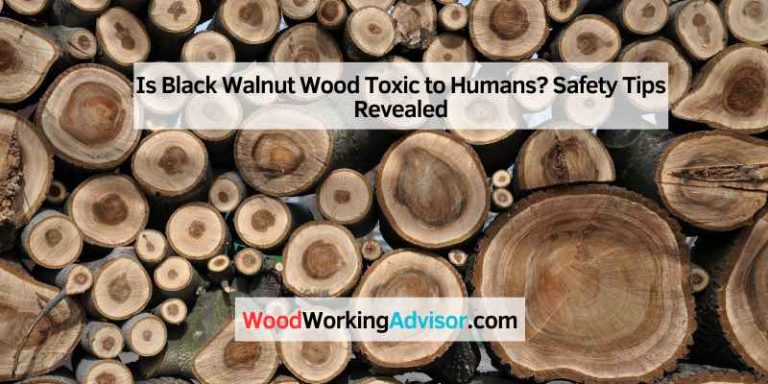
Walnut makes good firewood — it splits easily, burns clean, and puts out roughly 20 million BTU per cord, notably less than oak’s 24 million or hickory’s 27.7 million. The catch: green walnut starts at 70–80% moisture, and burning it before it dries is what causes the smoke and weak heat people blame on the species itself. This guide covers the real BTU numbers, how long to season walnut, and whether black walnut’s juglone compound is actually a smoke hazard.
[Insert Affiliate Disclosure reusable block here]
Walnut Firewood BTU Rating: How It Compares to Oak, Hickory, and Maple
Best Firewood Moisture Meter Pick

General Tools MMD4E Moisture Meter
A pin-type meter built for wood, walls, and leak detection — the same basic check we use before burning a fresh-split load of walnut.
- Best for: Checking firewood before it goes in the stove
- Why we picked it: Trusted brand, simple pin readout, no calibration guesswork
- Main drawback: Pins only test the spot they’re pushed into — check a few pieces per stack, not just one
Compare more moisture meter options
 Option 1 TopTes TS-630 Digital Meter
|
 Option 2 Mecurate Pin-Type Meter
|
 Option 3 RDINSCOS Firewood Meter
|
As an Amazon Associate we earn from qualifying purchases.
Black walnut is a genuine hardwood, but it sits in the middle of the firewood pack rather than at the top. Standardized firewood BTU charts (compiled from University of Kentucky Forestry Extension and Wilson Forest Lands data) put seasoned black walnut at about 20.0 million BTU per cord — enough for steady heat, but well behind the dense hardwoods most people picture when they think “good firewood.”
For comparison inside our own walnut wood guide, walnut’s furniture-grade reputation doesn’t carry over to the woodpile — oak and hickory both out-burn it by a real margin:
| Wood Type | BTU per Cord (seasoned) | Burn Characteristics |
|---|---|---|
| Black Walnut | ~20.0 million | Moderate heat, clean burn, mild aroma when dry |
| White/Red Oak | ~24.0 million | Long-lasting, hot, the firewood benchmark |
| Shagbark Hickory | ~27.7 million | Hottest common hardwood, dense and slow-burning |
| Sugar Maple | ~24.0 million | Hot, easy to split, low sap residue |
| White Ash | ~23.6 million | Splits easily even unseasoned, reliable heat |
📊 Black walnut firewood: ~20.0 million BTU per cord — Source: University of Kentucky Forestry Extension, “Comparison of Properties Affecting Firewood,” and Wilson Forest Lands regional BTU chart.
The gap matters less than it looks. Walnut is easier to split than oak or hickory, seasons in less time because it’s less dense, and burns with almost none of the resin-heavy sputtering you get from pine. It’s a reasonable everyday firewood — just not the wood to reach for on the coldest night of the year.
How Long to Season Walnut Firewood
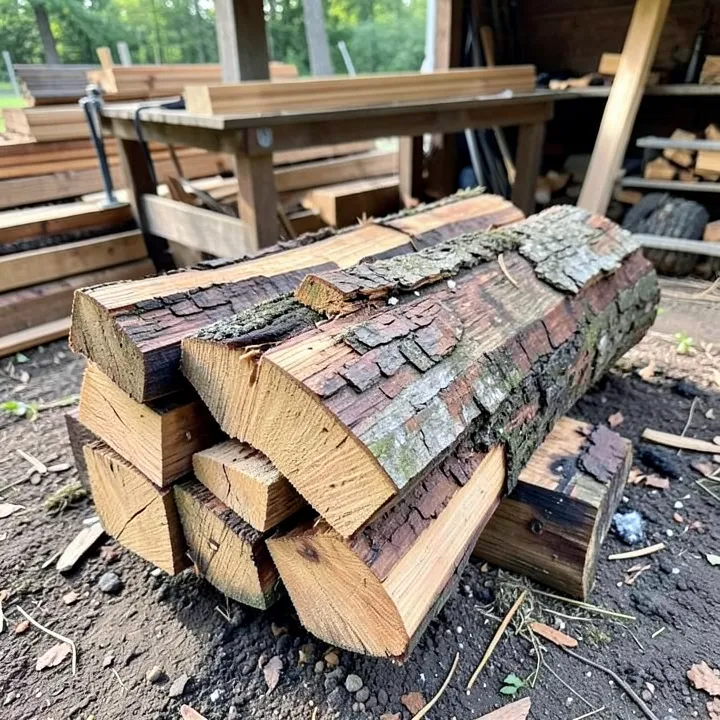
Freshly cut walnut holds 70–80% moisture content. It needs to drop below 20% before it burns cleanly, and that takes real time — typically 6 to 12 months in a dry climate with good airflow, stretching to 18–24 months in humid regions or if the wood is stacked too tight.
- Split it small: Cut rounds into pieces no thicker than 4–6 inches across — more exposed surface area means faster drying.
- Stack off the ground: Use a pallet, rack, or rails so air moves underneath the pile, not just around it.
- Leave the sides open: Cover only the top of the stack. Wrapping the sides traps moisture instead of releasing it.
- Give it real airflow and sun: A spot that catches wind and afternoon sun dries a stack noticeably faster than a shaded, sheltered corner.
- Test before you burn: Push a moisture meter’s pins into a freshly split face (not the weathered outer surface). Anything reading above 20% needs more time on the stack.
In our own wood shed we run every new load through a cheap pin-style moisture meter before it ever goes near the stove — it takes ten seconds and it’s the only way to actually know a piece is ready, since walnut’s dark bark makes it hard to judge by eye the way you can with lighter woods like ash.
Does Walnut Firewood Produce Too Much Smoke?
Not when it’s properly seasoned. Dry walnut (under 20% moisture) burns with a clean flame, low sparking, and a mild, pleasant smell — nothing close to “excessive smoke.” The heavy smoke and hissing people associate with walnut almost always trace back to green or damp wood, not to the species itself. Unseasoned walnut’s high starting moisture has to boil off before the wood can actually burn, and that steam is what shows up as thick white smoke and eventually creosote in a chimney or flue.
The fix is the same one covered above: split it, stack it off the ground with airflow, and check it with a moisture meter before it goes in. If you want a direct answer on whether it’s safe to put walnut in a stove or fireplace at all, we cover that separately in Can You Burn Black Walnut Wood?
Is Walnut Smoke Toxic? The Juglone Question
Juglone is the allelopathic compound black walnut trees are known for — the same chemical that stops tomatoes and other sensitive plants from growing near a walnut’s root zone. It’s real, but it’s a soil and ingestion concern, not a well-documented smoke hazard. Juglone is activated by water and soil microbes and is mainly a problem in fresh roots, hulls, and leaf litter used as mulch — not something reliably shown to transfer into combustion smoke at meaningful levels.
That means the safety rule for walnut firewood is the same one that applies to every species: burn it seasoned, keep your stove or fireplace properly vented, and never run a wood fire indoors without a working flue or chimney. There’s no special juglone-specific precaution for smoke — the seasoning and ventilation basics above already cover it. For the deeper breakdown on black walnut toxicity claims specifically, see Is Black Walnut Smoke Toxic?
Burning Walnut in Wood Stoves and Fireplaces
Seasoned walnut works well in both wood stoves and open fireplaces. It lights easily, holds a steady flame, and the mild aroma makes it a pleasant choice for evening fires even though it won’t out-heat oak on the coldest nights. A few practical notes before you burn it:
- Check split logs for insect activity or soft, punky spots before bringing them inside — standard practice for any firewood, walnut included.
- Some people notice mild skin irritation handling raw walnut wood or bark; gloves are a reasonable precaution if you’re sensitive.
- Walnut is priced and sold as firewood far less often than oak or ash, because standing walnut trees are usually worth more as lumber than as cordwood — expect to pay a premium and to have fewer local sellers if you go looking for it specifically.
If you’re comparing walnut against other species before deciding what to burn this season, we’ve broken down two more common options: Is Cottonwood a Good Firewood? and Does White Birch Make Good Firewood?
Frequently Asked Questions
Is walnut a hardwood or softwood?
Walnut is a hardwood. It’s less dense than oak or hickory, but it’s still classified and burns as a true hardwood, not a softwood like pine or fir.
How long does walnut firewood need to season?
Plan on 6 to 12 months in a dry climate with good airflow, and up to 18 to 24 months in humid regions. Confirm it’s ready with a moisture meter reading under 20% rather than guessing by time alone.
Is walnut firewood safe to burn indoors?
Yes, once it’s properly seasoned. Burn it in a working stove or fireplace with normal ventilation, the same as any other hardwood — there’s no walnut-specific indoor hazard beyond standard wood-smoke precautions.
Does walnut smell good when it burns?
Most people describe seasoned walnut smoke as mild and pleasant rather than strong or sweet like fruitwoods. It’s a subtler aroma than hickory or cherry, which is part of why it’s popular for everyday fires.
Is walnut firewood better than oak?
Not for raw heat output — oak runs about 24 million BTU per cord versus walnut’s 20 million. Walnut’s advantages are that it splits more easily and seasons faster, which matters if you’re processing your own wood on a shorter timeline.
Is it bad to burn green (unseasoned) walnut?
It’s not dangerous, but it burns poorly. Green walnut wastes energy boiling off moisture instead of producing heat, creates more smoke, and builds creosote faster in a chimney or flue. Season it below 20% moisture first.
Conclusion
Walnut is genuinely good firewood, just not the hottest-burning option on the market. At roughly 20 million BTU per cord it trails oak and hickory, but it splits easily, seasons in about a year under normal conditions, and burns clean with a mild aroma once it’s properly dried. Season it below 20% moisture, check it with a meter instead of guessing, and the smoke and creosote problems people blame on walnut mostly disappear.
Sponsored / affiliate links. As an Amazon Associate I earn from qualifying purchases. I may earn additional commission from eligible campaigns.