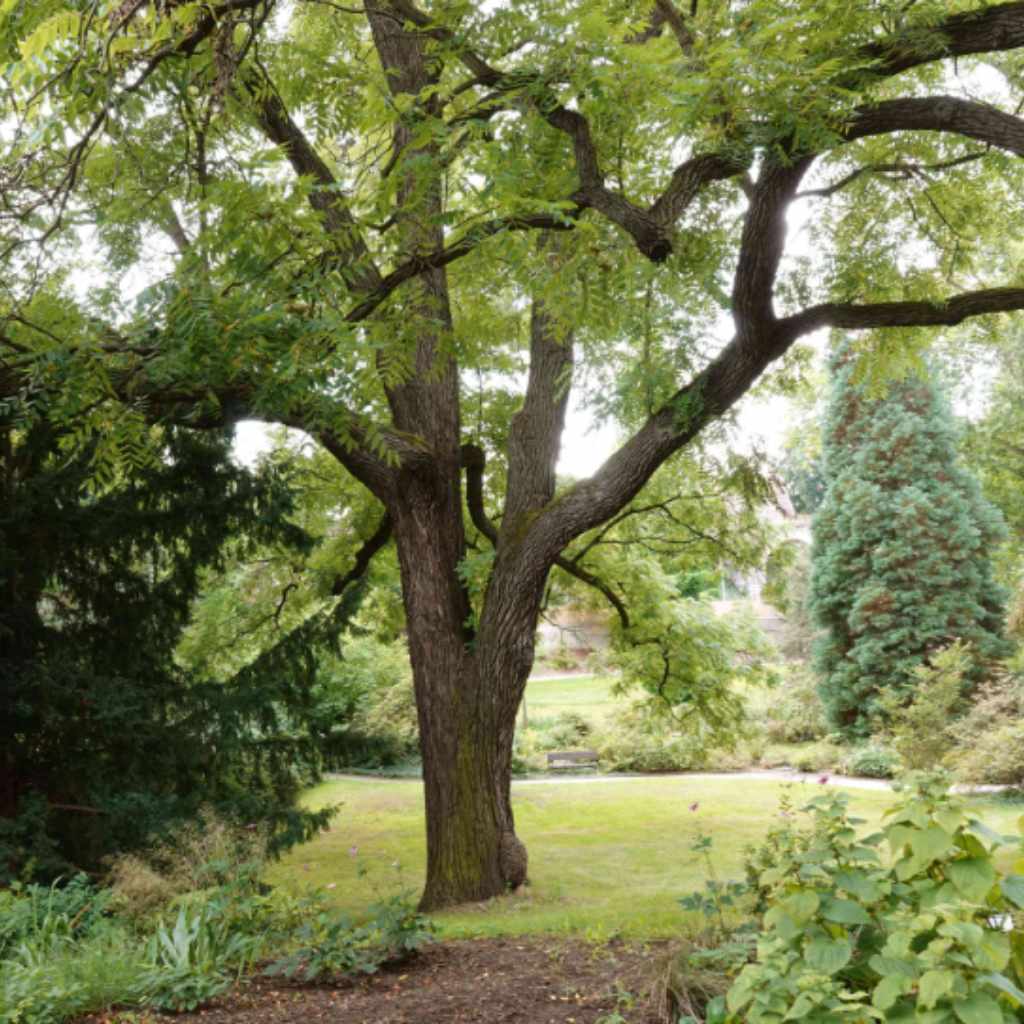
Are Black Walnut Trees Toxic? Essential Dangers
Black Walnut trees are toxic to many plants, most notably causing ‘juglone’ poisoning, which affects roots and soil health, but the wood itself is generally safe for woodworking and furniture when finished properly.
Welcome to the workshop! If you’re planning to harvest or buy beautiful Black Walnut lumber, you might have heard scary stories about its toxicity. It’s natural to worry, especially when working with natural materials around your home or garden. Is this rich, dark wood hiding a dangerous secret? The good news is that for us woodworkers, walnut is surprisingly friendly once it’s cut and dried. We need to understand where the danger really lies—and it’s usually in the sap, leaves, and roots, not the finished lumber. This guide, written by a fellow DIYer, will cut through the confusion clearly. Let’s explore the truth about Black Walnut trees and why you can confidently use this amazing wood for your next project.
Black Walnut: The Woodworker’s Dream with a Toxic Twist
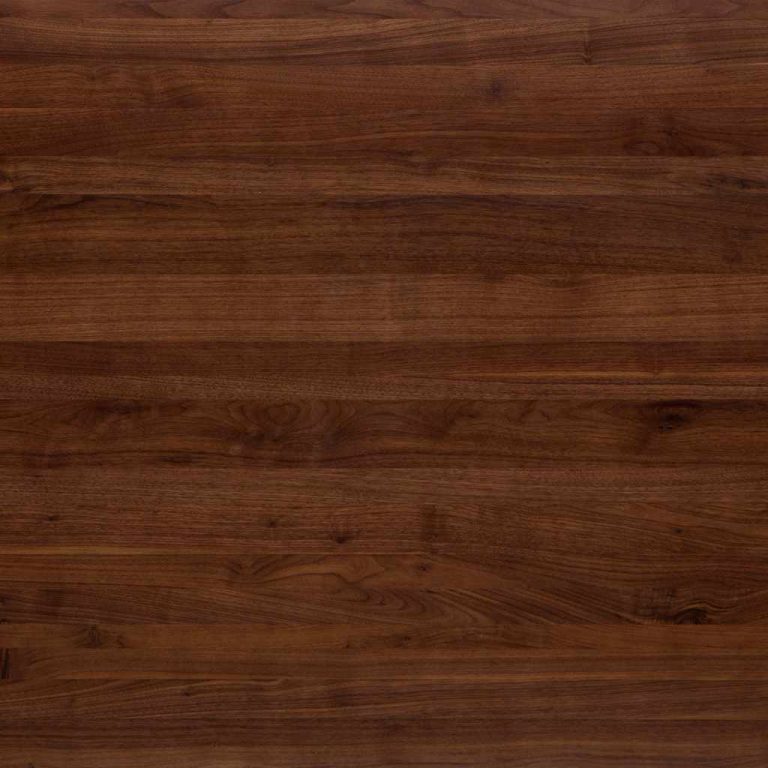
Black Walnut (Juglans nigra) is famous in the world of woodworking. Its deep, chocolate-brown color and beautiful grain make it a top choice for everything from fine furniture to beautiful cutting boards. But every woodworker knows that when you deal with living things, you need to understand their chemical makeup.
The primary concern when discussing “Are Black Walnut trees toxic?” revolves around a naturally occurring chemical called juglone. This isn’t something that usually jumps out at you when you’re sanding a slab, but it’s crucial to understand its source to stay safe in the workshop and protect your garden beds.
What Exactly is Juglone? The Chemical Culprit
Juglone is a naturally occurring chemical compound found in the walnut tree. It acts as a natural defense mechanism against other plants trying to grow too close to it.
Think of it this way: the tree creates a chemical shield to ensure it gets enough water and sunlight. This process is called allelopathy.
Where is juglone concentrated?
- Roots: Highest concentration, leaching directly into the surrounding soil.
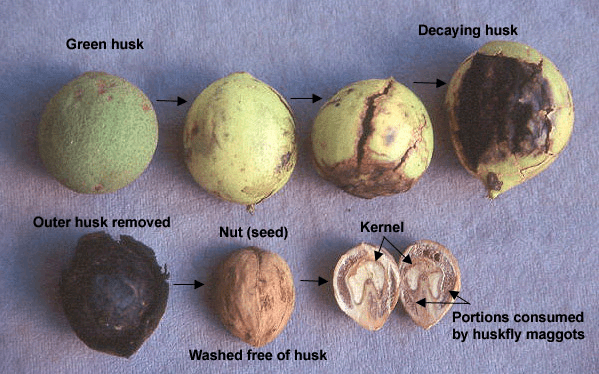
- Hulls (The Green Outer Shell): Extremely high concentration, staining everything they touch.
- Leaves and Twigs: Significant amounts, especially when they break down.
- The Heartwood (The Lumber): Very low concentration, often negligible after drying and finishing.
This distinction is critical: the tree uses juglone to manage its environment, but once we harvest the wood, the risk profile changes dramatically.
Toxicity for Plants: Why Gardners Fear the Walnut Tree
Before we focus on the shop, let’s quickly address the main reason people ask, “Are Black Walnut trees toxic?” It’s because of their profound effect on other plant life. If you plan on planting anything near your walnut tree, this section is essential reading.
The Danger Zone: Identifying Juglone-Sensitive Plants
Juglone inhibits the respiration and cellular activity of sensitive plants, essentially choking them out. This isn’t a minor annoyance; it can severely stunt or kill susceptible species.
If you are moving lumber from a forest where you felled the tree, be very careful about where you stack the green lumber or where you dump the sawdust, as that concentrated material can temporarily poison the soil beneath it.
Table 1: Plant Sensitivity to Black Walnut Toxins
| Sensitivity Level | Examples of Susceptible Plants | Impact |
|---|---|---|
| Highly Sensitive | Tomatoes, Potatoes, Eggplant, Peppers, Cabbage, Lilacs, Blueberries | Severe wilting, yellowing, and death. |
| Moderately Sensitive | Fruit trees (Apples, Cherries), Many types of Conifers | Stunted growth, poor yields, or decline over time. |
| Tolerant/Resistant | Maples, Birch, Some Evergreens (Pine), Raspberries, Hydrangeas | Generally unaffected by a mature, healthy nearby walnut tree. |
When you are milling logs, keep the debris away from your vegetable patch. A good rule of thumb recommended by many agricultural extension offices is to maintain a perimeter buffer zone of at least 50 feet, depending on tree size, when planting vulnerable species. You can reference resources from university agricultural extensions for specific regional advice on allelopathy management.
Toxicity for Humans and Pets: Workshop Safety First
Now, let’s pivot to your workshop. This is where we build things! Is the wood dust harmful? Can finished furniture cause issues for you or your family?
Inhaling Walnut Sawdust: Respiratory Concerns
All sawdust can be an irritant, but Black Walnut sawdust has a reputation. It’s not inherently toxic in the same way lead paint is, but it demands respect, especially for those with sensitivities.
The primary risk comes from fine dust particles irritating your nose, throat, and lungs.
Here are the known potential reactions for woodworkers handling Black Walnut:
- Irritation: Dust can cause sneezing, itching, and mild respiratory discomfort, common with many wood types.
- Sensitization (Rare): In some individuals, repeated exposure can lead to allergic contact dermatitis or asthma-like symptoms. This is more common with exotic woods, but possible with any highly used species.
- Staining: The pitch and natural oils can stain skin and clothing severely. This is a nuisance, not a danger, but it definitely shows up!
Crucial Equipment Check: Always wear appropriate personal protective equipment (PPE) when processing Black Walnut.
- Dust Mask/Respirator: An N95 mask is the minimum for light sanding; a half-face respirator with P100 cartridges is highly recommended for milling or heavy sanding.
- Eye Protection: Always wear safety glasses.
- Gloves: Recommended, as the oils can stain your hands dark brown for days.
Ingestion and Skin Contact: Is Finished Wood Safe?
This is the question most often asked by DIYers making cutting boards or children’s toys.
Once Black Walnut wood is dried, sanded smooth, and sealed with a protective finish (like polyurethane, oil, or wax), the juglone is essentially locked away and inert. These finishes create a barrier.
For food-contact items like cutting boards sourced from properly finished Black Walnut:
- The concentration of juglone remaining in dried, solid lumber is extremely low.
- The act of sanding and finishing removes most surface residues that might remain from the green wood stage.
- No reputable study suggests that properly finished Black Walnut wood poses a systemic toxic risk through brief skin contact or occasional food-contact use.
Remember: We use woods like Oak, Cherry, and Maple for food surfaces. Walnut is perfectly safe once finished correctly. If you are extremely concerned about a food project, use mineral oil or a food-safe beeswax finish, which saturates any potential remaining accessible compounds.
Debunking Myths: Walnut Toxicity Outside the Soil
Let’s tackle some common misconceptions head-on, because fear often leads to unnecessary waste of beautiful lumber.
Myth 1: Walnut Shavings Make Good Animal Bedding
Do NOT use Black Walnut shavings or sawdust as bedding for horses or other livestock, especially equines.
This is one area where the toxicity is scientifically confirmed and dangerous. Research, including studies cited by veterinary sources, has shown that bedding made from Black Walnut shavings can cause laminitis in horses—a serious, painful inflammatory condition of the hoof.
While the exact mechanism is still studied, the toxicity is clearly linked to direct contact with the fresh wood or high concentrations of sawdust. Keep your walnut shavings far away from your pets, especially horses.
Myth 2: Living Near a Walnut Tree is Dangerous
If you have a mature Black Walnut in your yard, you don’t need—and shouldn’t worry about—cutting it down due to human health risks. Local governments and public health agencies do not classify mature walnut trees in residential yards as a general human health hazard.
The risk is entirely environmental (to plants) or occupational (to the woodworker handling large volumes of dust). Sitting under the shade of a healthy walnut tree is perfectly safe.
Myth 3: Walnut Oil is Poisonous
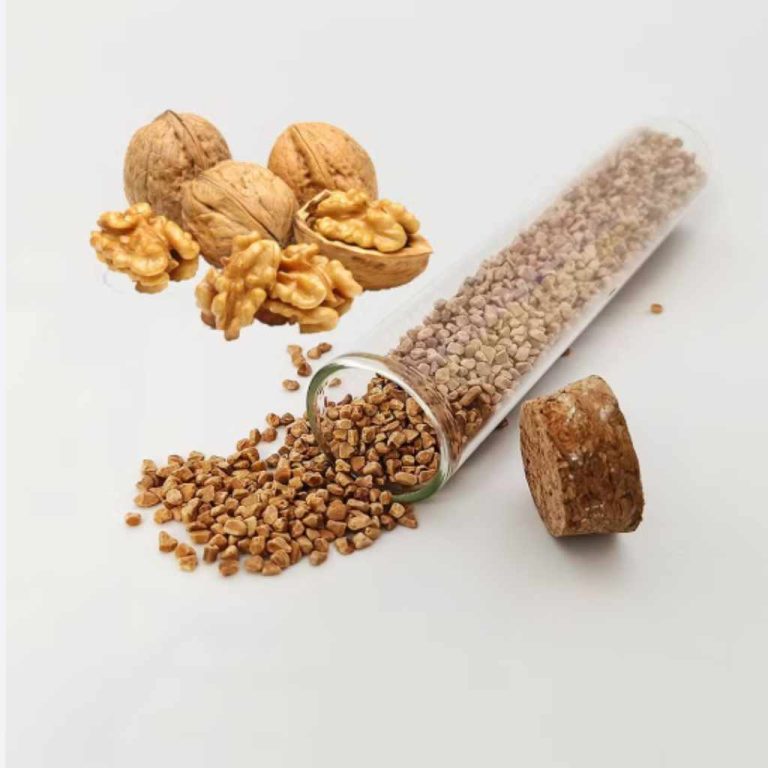
Walnut oil, the cooking oil pressed from the nuts, is completely safe and delicious! In fact, the oil used for cooking comes from the nut kernel, not the toxic juglone found primarily in the leaves, hulls, and roots of the tree itself.
Table 2: Comparing Toxicity Sources in Black Walnut
| Component | Primary Location | Toxicity Level (General) | Primary Impact |
|---|---|---|---|
| Juglone | Roots, Hulls, Leaves | High (Allelopathic) | Plant growth inhibition/death |
| Sawdust (Fine Particles) | Milling/Sanding Process | Moderate Irritant | Respiratory issues, allergic reactions |
| Heartwood (Dried Lumber) | Finished Furniture/Slabs | Negligible | Safe for general use when finished |
| Nut Kernels (Cooking Oil) | Edible Nut | None (Edible) | Food source |
Best Practices: Safely Using Black Walnut Lumber
As an experienced hobbyist, my goal is to help you use this incredible wood confidently. Safety in woodworking is usually about controlling dust and handling sharp tools, not worrying about natural wood poison.
Follow these simple, confidence-building steps when working with your Black Walnut stock to ensure a safe and excellent result.
Step 1: Curing and Drying
Never work green (freshly cut) walnut lumber indoors without serious ventilation. The fresh sap contains the highest amount of residual juglone and moisture.
1. Stack Properly: Stack your lumber with stickers (thin strips of wood) between each board to ensure air flows freely.
2. Cover Ends: Seal the end grain with specialized wax or heavy paint to slow drying and prevent cracking (checking).
3. Air Dry Time: Allow at least one year of air drying for every inch of thickness before moving it to your climate-controlled shop for final planing or sanding. Kiln drying is faster and removes more moisture, reducing residual chemical presence even further.
Step 2: Dust Management in the Shop
This is your highest priority for personal safety. If you have ever worked with walnut, you know the dust is pervasive and dark.
Connect Dust Collection: Run all major machines (table saw, jointer, planer) directly to a high-quality dust collector hooked up to a cyclone separator if possible.
HEPA Filtration: Use an air filtration unit with a HEPA filter in your shop to catch fine particles that escape the main collection system.
Clean Surfaces Frequently: Use a shop vacuum (preferably one rated for fine dust, like a HEPA shop-vac) instead of sweeping, which kicks dust back into the air.
Step 3: Finishing for Longevity and Safety
The finish is the final shield between you, your family, and any potential residues.
For high-touch items like tables or cabinets, choose a durable film finish. For items where you are concerned about food contact:
- Sand thoroughly, progressively moving up to at least 220 grit. This physical removal is key.
- If using for a cutting board, apply several coats of pure mineral oil first, allowing it to soak in deeply for 24 hours.
- Follow up with a sealant like a hard wax oil finish or a durable general finish like conversion varnish if it’s a tabletop.
By following standard woodworking dust control and finishing procedures, you neutralize any perceived danger from the wood itself. We are utilizing the inert solid material, not the active sap or root system. Experts in wood science confirm that the finished, cured product is safe for home use. For more detailed information on wood dust hazards, consulting resources like the NIOSH Wood Dust Hazards page is always a wise step for any serious woodworker.
Working with Walnut Bark and Roots (If You Fell a Tree)
Sometimes, woodworking also means land management. If you are processing a whole tree you felled, you need a plan for the debris that is highly toxic to plants.
Handling Hulls and Bark
The green hulls covering the nut are the most toxic part outside of the roots themselves.
Do Not Compost: Do not put hulls into a standard home compost bin if you plan to use that compost in your garden later that year.
Disposal: Allow hulls to break down in an isolated, non-garden area for a full year, or dispose of them according to local municipal guidelines for yard waste.
Bark Considerations: While the bark itself doesn’t contain the highest concentration of juglone, it is often coated in it. Treat bark and root wood debris as toxic to gardens.
Managing Root Systems
If you grind the stump or dig up large roots, take extra care.
Avoid placing large quantities of fresh, ground root material anywhere near sensitive ornamentals or vegetable gardens. The high concentration of juglone in the roots can sterilize the soil for a season or more.
If you must replace the soil in that area, remove as much original soil as possible from the root zone and replace it with clean, purchased topsoil for immediate planting success.
Frequently Asked Questions (FAQ) for Beginners
Q1: Can I make a cutting board out of Black Walnut?
A: Absolutely! Black Walnut is a fantastic material for cutting boards. As long as you thoroughly sand the wood smooth and apply a safe food-grade finish (like mineral oil or beeswax), it is safe to use for preparing food.
Q2: Why do my hands turn dark brown when I work with walnut?
A: This is caused by the natural tannins and oils in the wood reacting with moisture on your skin. It’s just staining, not toxicity. It usually washes off after a day or two, or you can use dish soap and a bit of rubbing alcohol to speed removal.
Q3: Is sawdust from any walnut tree unsafe for my horse?
A: Yes, this requires extreme caution. Never use fresh Black Walnut shavings or sawdust as bedding for horses, as it is strongly linked to causing laminitis. This is one area where the toxicity risk is high and proven.
Q4: Do I need to wear a respirator even if I am only planing a small board?
A: It is always wise. Planers generate very fine dust quickly. A good N95 mask protects you immediately against irritation, ensuring you stay healthy enough to keep enjoying your hobby for years to come.
Q5: If a Black Walnut tree is growing near my foundation, is it a structural risk?
A: Root systems are always a potential risk for shallow foundations or plumbing lines, regardless of the tree type. While walnut roots are powerful, the toxicity won’t cause damage to your foundation; proximity and water competition are the main concerns.
Q6: How long does juglone stay toxic in sawdust piles?
A: Once the raw material (leaves, green dust) ages and breaks down completely, the juglone dissipates. However, because it takes time, it’s safest to assume that fresh-cut piles remain toxic to plants for at least one growing season.
Conclusion: Celebrating Walnut’s Beauty Safely
Working with Black Walnut should fill you with excitement, not worry. As we’ve covered, “Are Black Walnut trees toxic?” The answer has layers: yes, the living tree actively poisons specific ground plants through its roots and leaves via juglone. However, for the craftsman, the story changes dramatically.
Once that wood is milled, dried, and sealed, your beautiful slab is ready to become a durable centerpiece in your home. Your primary job as a woodworker is good dust control—protecting your lungs from any fine particle, walnut or otherwise. Focus on high-quality PPE, excellent shop ventilation, and proper finishing techniques. By respecting the wood’s nature in the garden, you can confidently utilize its magnificent qualities in the workshop, creating heirloom pieces with peace of mind. Keep sanding, keep building, and enjoy that rich Black Walnut grain!