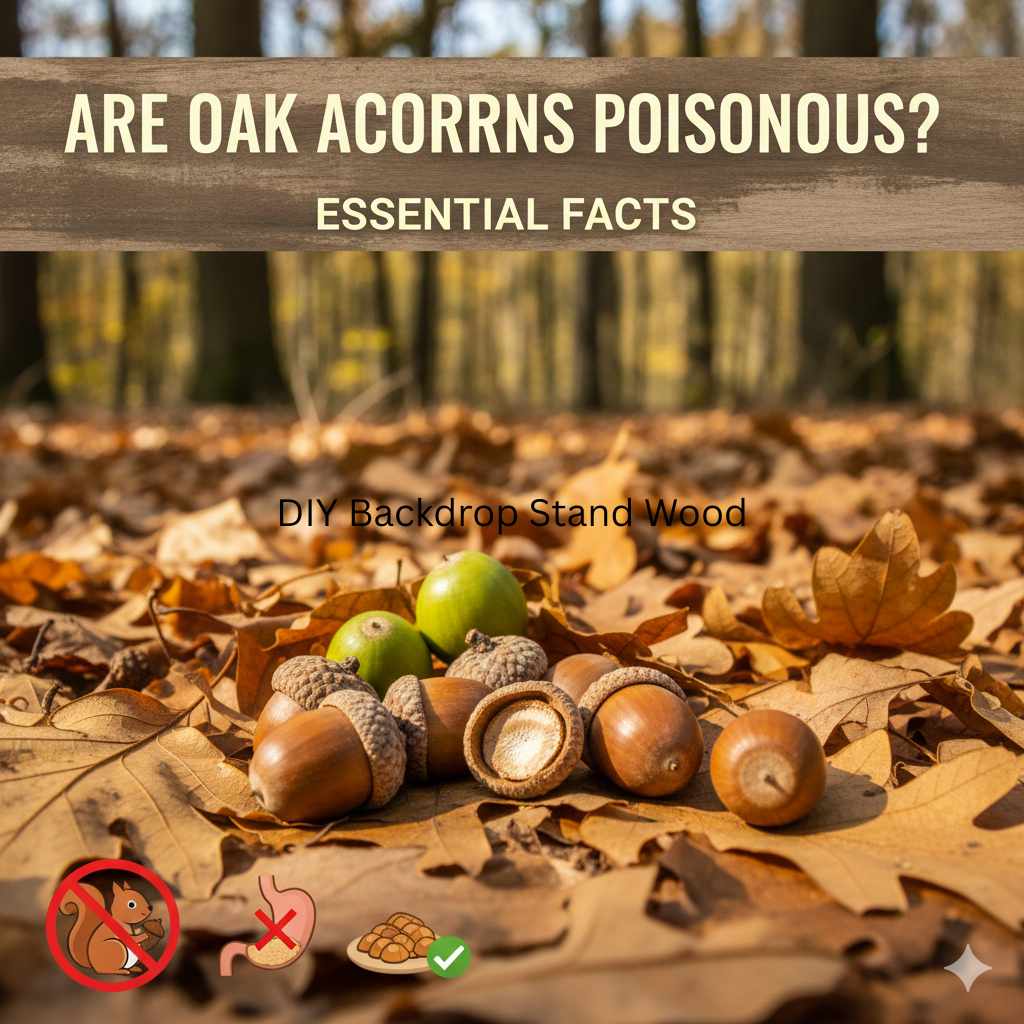
Are Oak Acorns Poisonous: Essential Facts
Quick Summary: Yes, raw oak acorns are poisonous to humans and most animals due to tannins. However, they can be made edible and safe for consumption through proper processing methods like boiling or leaching. Children and pets should be kept away from raw acorns.
Walking through a park or your backyard in the fall, you’ve no doubt seen them – those little capped nuts from oak trees, called acorns. They’re everywhere! As a DIY enthusiast who loves working with natural materials, you might be curious about what you can do with them. Perhaps you’ve even wondered if they’re safe to eat, or if your dog nibbling on one is a cause for concern. It’s a common question, and honestly, the answer isn’t a simple yes or no. The good news is that understanding a few key facts can help you handle acorns safely. We’ll break down exactly why they’re tricky and what you can do about it, so you can feel confident whether you’re admiring them, keeping pets safe, or even considering acorns for a project.
Understanding the Acorn: More Than Just a Squirrel Snack
Oak acorns are the fruit of oak trees, belonging to the genus Quercus. They’re a vital food source for wildlife, from squirrels and deer to birds and insects. For centuries, humans have also utilized acorns, particularly in times of scarcity. This historical use, however, often involved extensive preparation to make them palatable and safe. Modern curiosity often skips this crucial step, leading to the common concern about their toxicity.
The Culprit: Tannins
The primary reason raw acorns are considered poisonous lies in their high concentration of tannins. Tannins are a group of naturally occurring polyphenolic compounds found in many plants, including tree bark, leaves, and fruits. In acorns, they serve as a natural defense mechanism against insects and animals trying to consume them before they mature. For humans and many animals, consuming these tannins in significant quantities can cause:
- Gastrointestinal upset (nausea, vomiting, diarrhea, constipation)
- Liver damage (in severe cases, especially with prolonged exposure)
- Stomach lining irritation
- Astringent taste
The level of tannins can vary depending on the oak species. White oak varieties generally have lower tannin levels than red oak varieties, making them easier to process. However, even white oak acorns should not be eaten raw.
Are Oak Acorns Poisonous to Humans? The Essential Facts
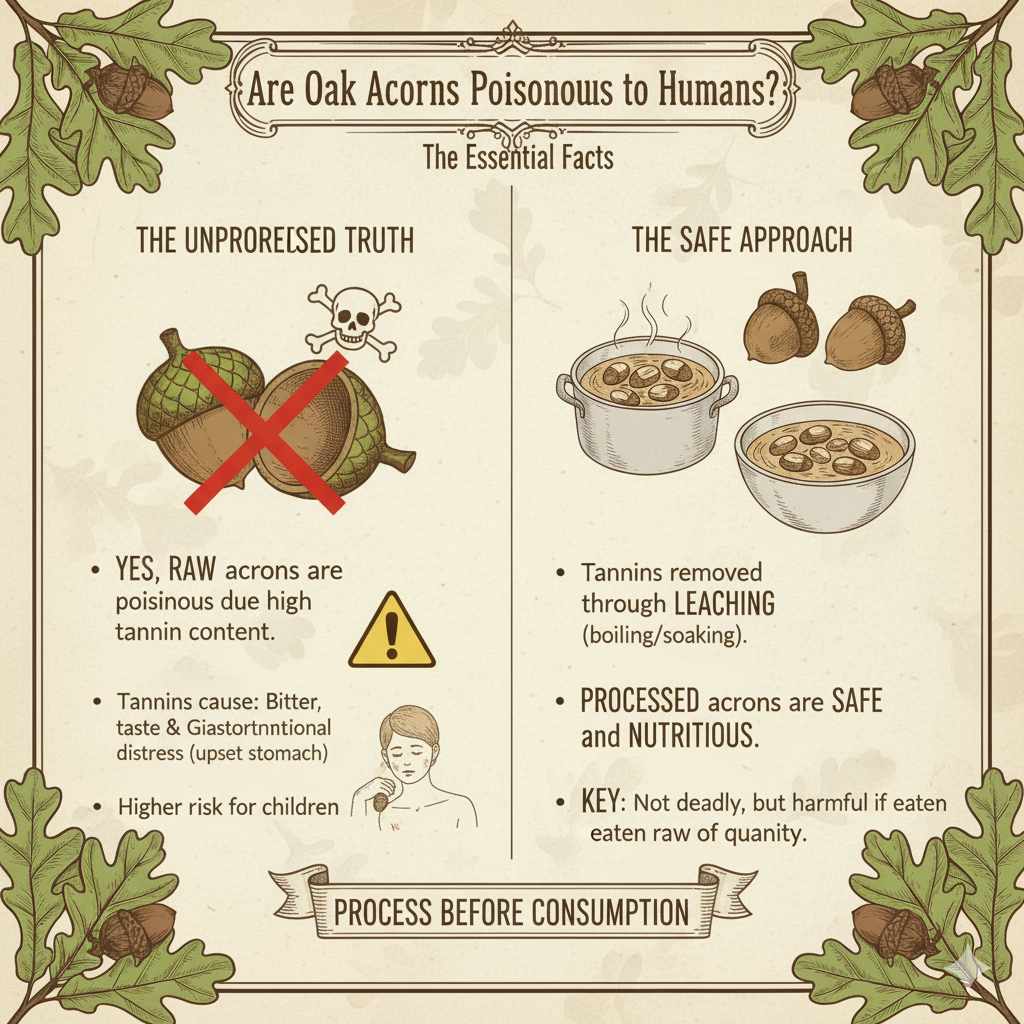
So, to answer the main question directly: Yes, raw oak acorns are poisonous to humans due to their high tannin content. Think of eating a raw acorn like drinking a mouthful of very strong, bitter tea that immediately makes your mouth feel dry and unpleasant. This astringency is from the tannins binding to proteins in your mouth. While a single accidental nibble is unlikely to cause severe harm to an adult, it will certainly be an unpleasant experience. For children, who are more sensitive and might eat more, the risk of gastrointestinal distress or other adverse effects is higher.
It’s important to remember that “poisonous” doesn’t always mean deadly. In this context, it means they contain substances that are harmful if ingested. The key takeaway is that they are not safe for direct consumption in their natural state.
Are Oak Acorns Poisonous to Pets? What You Need to Know
This is a critical concern for many pet owners during autumn. If you have a dog, cat, or other curious pet that explores the outdoors, you need to be aware of the risks associated with acorns.
Dogs and Acorns
Dogs are particularly prone to eating fallen acorns because they are often attracted to them by smell and texture, and they tend to sample anything interesting on their walks. For dogs, ingesting acorns can be more serious than for humans. The tannins can cause:
- Gastrointestinal upset: Vomiting and diarrhea are common.
- Intestinal blockage: Acorns can accumulate in the digestive tract, leading to obstruction, which is a medical emergency.
- Kidney damage: In larger quantities, tannins are believed to contribute to kidney issues in dogs.
If you notice your dog has eaten a significant number of acorns, or if they show signs of illness like lethargy, vomiting, or decreased appetite, it’s crucial to contact your veterinarian immediately. Prevention is key here: try to keep your dog from scavenging acorns during walks and consider a muzzle if this is a persistent problem.
Other Pets
While less common for cats and smaller pets to ingest large quantities of acorns, it’s still wise to be cautious. Their digestive systems are also sensitive to tannins. Wild birds and squirrels, however, have evolved to handle acorns, though even with them, some species and preparations are better suited than others.
Making Acorns Edible: The Ancient Art of Leaching
Despite their toxicity when raw, acorns have been a food staple for many cultures throughout history. This was possible because they developed methods to remove or neutralize the tannins. This process is called leaching. The goal of leaching is to draw out the water-soluble tannins, making the acorns palatable and safe to eat.
There are several methods for leaching acorns, and they all involve water:
- Cold Water Leaching: This is the most common and generally preferred method for its simplicity and effectiveness in preserving nutrients.
- Shell and grind the acorns. You can use a meat grinder, food processor, or even a mortar and pestle to get them into a coarse meal.
- Place the acorn meal in a permeable bag (like cheesecloth or a nut milk bag) or a fine-mesh colander.
- Submerge the bag/colander in a large bowl or sink filled with fresh, cold water.
- Change the water frequently. This is the most crucial step. You’ll need to change the water every few hours, or at least 3-4 times a day. The water will initially be dark brown and bitter. Continue changing it until the water runs clear and the acorn meal no longer tastes bitter. This can take anywhere from a few days to over a week, depending on the acorn type and how often you change the water.
- Once leached, drain the meal thoroughly and it’s ready to be used in recipes.
- Boiling (Hot Water Leaching): This method is faster but can sometimes leach out more nutrients and may result in a slightly different texture.
- Shell and grind the acorns.
- Place the acorn meal in a pot and cover with water.
- Bring to a boil and then simmer for about 20-30 minutes. Discard the water.
- Repeat the boiling and discarding process multiple times until the bitterness is gone. You’ll know it’s ready when the water no longer becomes deeply colored and the meal has a mild taste.
- Baking/Roasting (Limited Effectiveness): Some sources mention baking or roasting acorns to reduce tannins. However, this method is generally less effective for complete tannin removal and is often used as a pre-treatment rather than a standalone leaching process. It can make them more palatable but won’t remove the bitterness entirely.
It’s important to use fresh, unblemished acorns for any preparation. Avoid acorns that are moldy, cracked, or have signs of insect infestation.
Acorn Species and Tannin Levels: A Quick Guide
As mentioned, not all acorns are created equal. The species of oak tree plays a significant role in the tannin content. Generally, acorns from the white oak group (Quercus alba, Quercus bicolor, etc.) have lower tannin levels and are quicker to leach than those from the red oak group (Quercus rubra, Quercus velutina, etc.).
Here’s a simplified look:
| Oak Group | Tannin Level | Typical Acorn Characteristics | Leaching Time |
|---|---|---|---|
| White Oaks (e.g., White Oak, Bur Oak, Swampshine Oak) | Lower | Often sweeter taste, less bitter when raw (but still not edible raw) | Shorter leaching time (e.g., 2-5 days with frequent water changes) |
| Red Oaks (e.g., Red Oak, Black Oak, Pin Oak) | Higher | More bitter taste when raw | Longer leaching time (e.g., 5-14+ days with frequent water changes) |
When foraging, observe the leaves and bark if possible to identify the oak type. If unsure, always assume higher tannin content and proceed with thorough leaching. Patience is your best friend here!
Beyond Eating: Other Uses for Acorns
While the edible aspect of acorns is a major draw and concern, these versatile nuts have other uses that might appeal to a DIYer like yourself:
- Crafts: Acorns, with their caps, make fantastic natural decorations. They can be glued onto wreaths, used in fall-themed centerpieces, or painted and turned into little characters. Just remember to clean them first – a quick rinse and thorough drying are usually sufficient for craft purposes.
- Dyes: Oak galls (growths on oak trees caused by insects) and acorns themselves can be used to create natural dyes, producing rich browns and blacks.
- Composting: Acorn shells and unused parts can safely be added to your compost bin, where they will break down over time.
For any craft or decorative use, simply collecting them from the ground is usually fine. For crafts where they might be handled extensively or by children, a quick bake at a low temperature (around 200°F or 93°C) for 20-30 minutes can help dry them out and kill potential insect larvae. Make sure they cool completely before use.
Safety First: A Reminder
As a woodworking mentor, safety is always my top priority, and that extends to working with natural materials. When it comes to acorns:
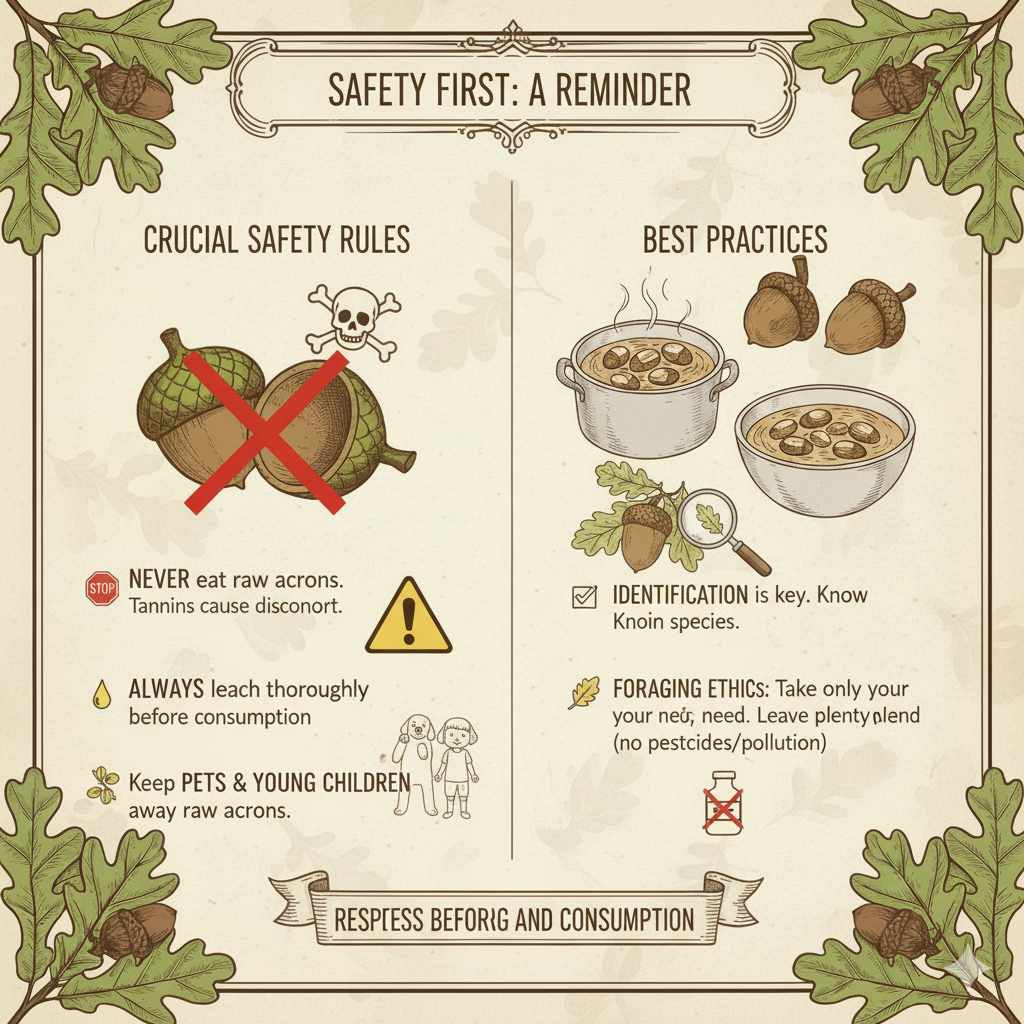
- Never eat raw acorns. The tannins are present and can cause significant discomfort and potential health issues.
- Always leach acorns thoroughly if you intend to consume them.
- Keep pets and young children away from areas with abundant acorns, and supervise them outdoors during the fall.
- Proper identification of oak species can help gauge preparation time, but always air on the side of caution.
- Foraging ethics: Take only what you need and leave plenty for wildlife. Only collect from areas where you are certain of no pesticide or pollution contamination. Reputable sources like the US Forest Service often discuss the historical significance and safe preparation of acorns.
Frequently Asked Questions About Acorns
Q1: Can I feed raw acorns to my chickens or livestock?
A1: It’s generally not recommended to feed raw acorns to poultry or livestock in large quantities due to the tannins. While some animals can process them better than humans, it can still cause digestive upset or other health problems. If you plan to feed them, leaching is still the safest approach, or introduce them in very small, controlled amounts.
Q2: How do I know if acorns are bad or have gone rancid?
A2: Acorns, especially after leaching and drying, have a decent shelf life but can go rancid over time due to their fat content. If they smell musty, oily, or rancid, or if they have visible mold, they should be discarded and not consumed.
Q3: Do I need to remove the entire acorn shell?
A3: Yes, for both eating and most craft purposes, you’ll want to remove the hard outer shell. The cap is usually removed as well, though it can sometimes be left on for decorative crafts. The meat inside is what you’ll use.
Q4: How long does it take to leach a batch of acorns?
A4: Leaching times vary significantly. White oak acorns might be ready in 2-5 days with diligent water changes. Red oak acorns could take a week to two weeks or even longer. The key is continuous tasting (a tiny bit of the meal) and observation – the water runs clear, and the bitterness is gone.
Q5: Can I just boil acorns once and they’re safe to eat?
A5: Boiling once (hot water leaching) helps, but it often requires multiple boiling cycles to truly remove enough tannins to make them palatable and safe. For best results, ensure the bitterness is completely gone. Cold water leaching is generally considered more effective for complete tannin removal.
Q6: Are all parts of the oak tree poisonous?
A6: While acorns are the most common concern for direct consumption, the leaves and bark of oak trees also contain tannins and can be irritating or harmful if eaten in large quantities. It’s best to avoid ingesting any part of the oak tree unless you are certain of its preparation and safety.
Conclusion: Know Your Acorns, Prepare Them Safely
So, to wrap things up, while raw oak acorns are indeed poisonous due to a natural defense compound called tannins, this doesn’t mean they are entirely off-limits. With a bit of knowledge and effort, the process of leaching can transform them into a safe and even historical food source. For crafters, they offer a wonderful, free natural material for all sorts of projects. For pet owners, vigilance is key to prevent them from eating acorns that could cause them harm. Remember the simple rule: if you’re thinking of eating them, always, always process them properly. By understanding the essential facts about tannins and preparation, you can confidently enjoy the abundance of acorns from your local oak trees, whether for a craft project or a culinary adventure.