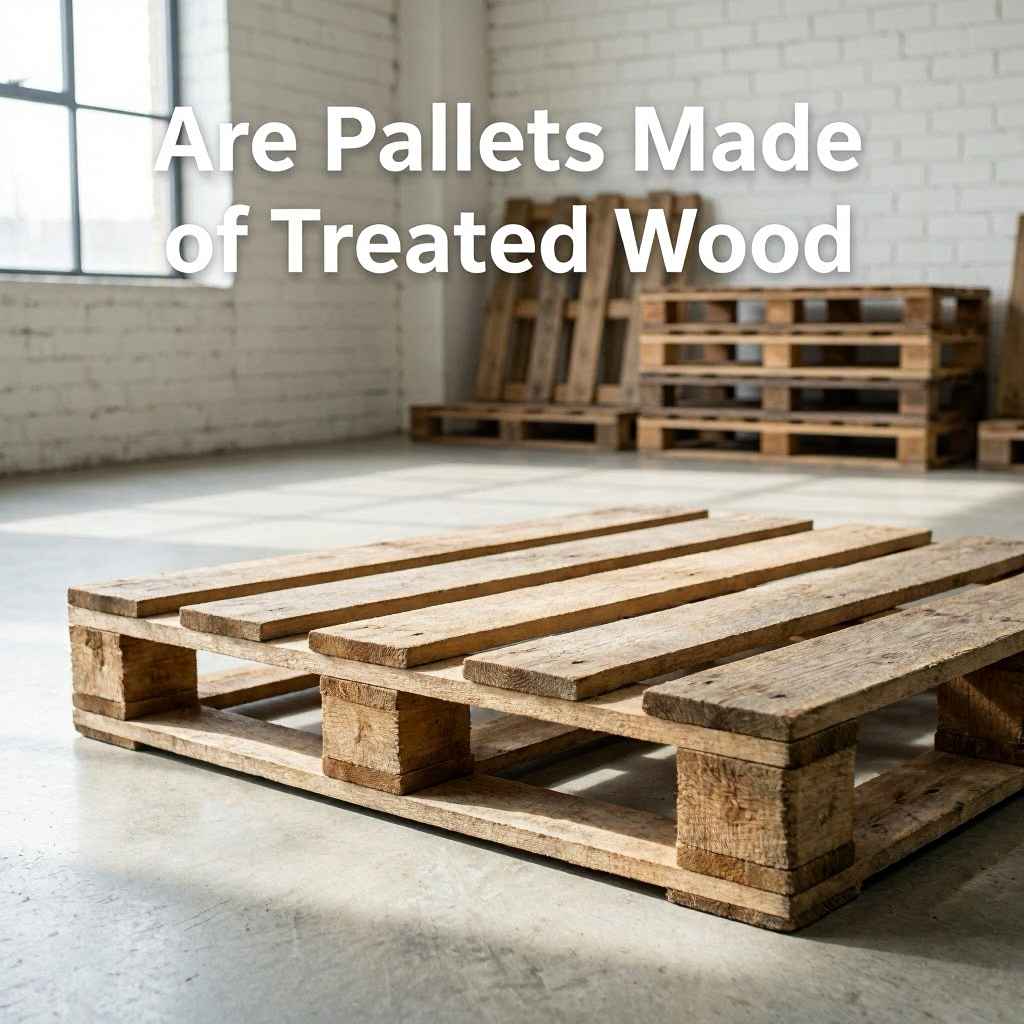
Are Pallets Made of Treated Wood?
Many people wonder about the wood used in pallets. It’s a common question, especially when you’re thinking about reusing them or when you first start working with them. You might see stamps on pallets and wonder what they mean.
This can seem a little tricky at first, but it’s actually quite simple to figure out. We’ll walk through it step by step so you know exactly what kind of wood your pallets are made from and if they have been treated.
Understanding Pallet Wood Treatment
Pallets are used to move goods all around the world. Because they travel so much, sometimes they need special treatments to stop bugs or diseases from spreading. This is a big reason why people ask, Are Pallets Made of Treated Wood? Knowing if a pallet has been treated is important for many reasons.
It affects how you can use the wood later on. It also tells you about the safety of the pallet. This section will explain the main ways wood is treated for pallets and why it’s done.
Why Wood Gets Treated
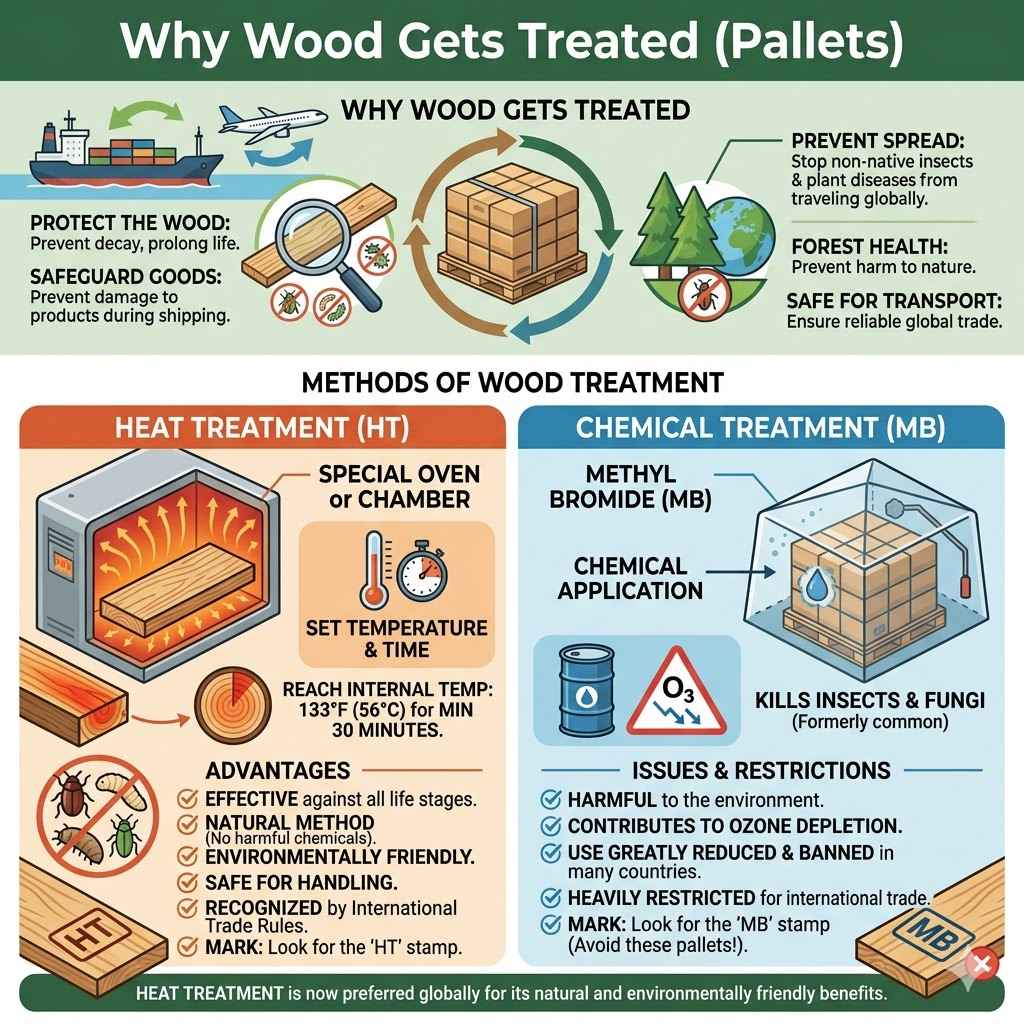
Wood treatments for pallets mainly focus on two things: keeping bugs out and stopping sicknesses. This is to protect the wood itself and to make sure that goods being shipped don’t get damaged. It also helps prevent the spread of unwanted insects or plant diseases from one country to another.
The most common treatment is heating the wood. This is like giving the wood a good, hot bath to kill any tiny critters or germs. Another method uses chemicals, but this is less common now for many types of pallets.
The goal is always to make sure pallets are safe for transport. This also helps make sure that forests stay healthy. If pests spread, they can harm trees.
So, treating pallets is a way to protect both the products they carry and the environment. It’s a small step that has a big impact on global trade and nature.
Heat Treatment (HT)
Heat treatment is the most popular way to treat wood for pallets. It’s a very effective and natural method. The wood goes into a special oven or chamber.
It stays there for a set amount of time at a specific high temperature. This high heat kills any live insects, larvae, or disease-causing organisms that might be hiding in the wood.
For wood to be considered heat-treated and safe for international shipping, it usually needs to reach an internal temperature of at least 133°F (56°C) for a minimum of 30 minutes. This process is thoroughly monitored. It ensures that the heat penetrates all parts of the wood.
This means even the deepest parts are treated.
After heat treatment, the wood is safe to use. It doesn’t contain harmful chemicals. This is a big advantage.
Many industries prefer heat-treated pallets because they are environmentally friendly. They also don’t pose a risk to people handling them. This method is recognized by international trade rules.
It’s often marked with an “HT” stamp.
Chemical Treatment (MB)
Chemical treatment uses specific substances to protect the wood. The most common chemical treatment for wood packaging, including pallets, was methyl bromide. This chemical was used to kill insects and fungi.
It was very effective at preventing pests from traveling across borders.
However, methyl bromide is known to be harmful to the environment. It contributes to ozone depletion. Because of this, its use has been greatly reduced and is banned in many countries for wood packaging.
The use of methyl bromide treated pallets is now heavily restricted. You will rarely see new pallets treated this way, especially for international shipments.
When pallets were treated with methyl bromide, they usually had an “MB” stamp on them. If you see this stamp, it means the pallet has been treated with chemicals. Due to environmental concerns, these pallets might not be allowed in certain regions.
Most businesses and individuals now avoid pallets marked with “MB” for safety and environmental reasons. It is important to know this when you are looking at used pallets.
How to Identify Treated Wood Pallets
The easiest way to know if a pallet has been treated is to look for a stamp on its side. These stamps are usually burned into the wood. They provide important information about the pallet’s origin and treatment.
Knowing what to look for can save you a lot of confusion.
The IPPC Stamp
The most important stamp to look for is the one that follows the International Plant Protection Convention (IPPC) guidelines. This is often called the IPPC stamp or the phytosanitary mark. This mark shows that the pallet has been treated according to international standards.
This is crucial for shipping goods across countries.
A typical IPPC stamp looks like a little wheat icon. Next to it, you’ll find codes. The first two letters usually indicate the country where the pallet was treated, like “US” for the United States or “CA” for Canada.
Following that, you will see a number that identifies the treatment facility. Most importantly, there will be a code that tells you how the wood was treated.
For example, you might see “HT” or “MB” after the country and facility codes. “HT” means the pallet was heat-treated. This is the most common and preferred method.
“MB” means it was treated with methyl bromide. As discussed, this is a chemical treatment and is now less common and often restricted.
If you see this IPPC stamp, you know the pallet has met certain standards. For most people, an “HT” stamp means the pallet is safe to use for DIY projects or storage. If it has an “MB” stamp, you should be more cautious.
What if there’s no stamp?
Sometimes, pallets don’t have any stamps on them. This can happen for several reasons. The pallet might be very old, and the stamp has worn off.
It could also be a pallet that was made for local use only. Local pallets might not need international treatment stamps.
If a pallet has no stamp, it doesn’t automatically mean it’s unsafe. However, it does mean you don’t have official confirmation of its treatment. For many everyday uses, like backyard projects or storage inside a home, a pallet without a stamp is usually fine.
But if you plan to use the wood for something where it might come into contact with food or where you need to be absolutely sure about its history, you might want to choose a stamped pallet.
When in doubt, it’s always best to err on the side of caution. If you are unsure about the pallet’s treatment history, and it’s for a sensitive use, consider getting a pallet that clearly shows an “HT” stamp. This gives you peace of mind.
Benefits of Using Treated Wood Pallets
Using treated wood pallets offers several advantages, especially when compared to untreated or improperly handled wood. These benefits are important for businesses and individuals alike. They ensure safety, compliance, and longevity of the materials.
International Shipping Compliance
One of the biggest benefits of using treated pallets is their compliance with international trade regulations. The International Plant Protection Convention (IPPC) requires that wood packaging materials used for international shipments be treated to prevent the spread of pests. Pallets stamped with “HT” (heat-treated) or, historically, “MB” (methyl bromide) meet these requirements.
Businesses that export goods must use compliant pallets. Failure to do so can result in significant delays, fines, or even the destruction of goods at customs. Therefore, using HT pallets is not just a recommendation; it’s a necessity for global commerce.
This ensures that a country’s agricultural and natural resources are protected from invasive species.
This global standardization simplifies trade. It means that a pallet treated in one country is recognized as safe for export in another. This reduces the need for further inspections or treatments at borders.
It makes the entire shipping process smoother and more predictable.
Pest and Disease Prevention
Heat treatment is highly effective at eliminating pests and diseases from wood. Insects like woodworms, termites, and bark beetles, as well as various fungi, can be present in raw wood. These organisms can damage the wood, the goods being shipped, and even infest the destination country’s environment.
The high temperatures reached during heat treatment kill these organisms at all life stages, from eggs to adults. This prevents them from surviving the journey and establishing themselves in new locations. This is vital for protecting ecosystems and agricultural industries worldwide.
For example, consider the problem of the Emerald Ash Borer. This invasive insect has devastated ash trees across North America. While this specific pest is not directly controlled by pallet treatment, the principle of preventing invasive species is the same.
By treating pallets, we prevent similar destructive organisms from traveling globally.
Enhanced Durability and Longevity
While the primary purpose of treatment is pest and disease control, it can indirectly contribute to the longevity of the wood. By eliminating organisms that feed on or damage wood, the structural integrity of the pallet is better preserved over time.
Untreated wood can be susceptible to rot and decay caused by fungi, which are often killed or inhibited by the heat treatment process. This means that an HT pallet might last longer than a comparable untreated pallet, especially if exposed to moisture or outdoor conditions.
This enhanced durability is beneficial for businesses that reuse pallets multiple times. It reduces the need for frequent replacements, saving money and resources. The wood remains stronger and less likely to break under load.
Are Pallets Made of Treated Wood Risks and Considerations
While treated wood pallets offer benefits, it’s also important to be aware of potential risks and considerations. These mainly revolve around the type of treatment used and how the pallets are handled or repurposed. Understanding these points helps in making informed decisions.
Chemical Residue Concerns (MB Pallets)
The main concern with treated wood pallets comes from those that were treated with methyl bromide (MB). While this chemical is effective at killing pests, it is a toxic substance. There have been concerns about potential residues left on the wood.
Although the amount of residue on a pallet is typically very small, it is still a consideration, especially if the wood is being reused for certain applications. For example, if you plan to use pallet wood for making kitchen items, cutting boards, or children’s toys, you would want to avoid any wood that might have come into contact with chemicals.
Since the use of methyl bromide is now heavily restricted and often banned for pallet treatment in many countries, finding MB-treated pallets is less common. However, older pallets might still be in circulation. Always check for the “MB” stamp.
If you see it, it’s best to use that wood for applications where direct contact with food or people is minimal.
Reusing Pallets Safely
When reusing pallets, whether for DIY projects, garden beds, or furniture, safety is paramount. Even with heat-treated pallets, there are other factors to consider. Pallets are often used in industrial settings and can pick up contaminants.
Look for pallets that appear clean and undamaged. Avoid pallets that show signs of oil spills, chemical leaks, or excessive wear and tear. If you are unsure about a pallet’s history, it’s a good idea to clean it thoroughly before repurposing it.
You can scrub it with soap and water.
For projects where food will come into contact with the wood, like raised garden beds for vegetables, it’s often recommended to use heat-treated pallets. You might also consider lining the beds with a food-safe plastic barrier. This adds an extra layer of protection.
Pallet Wood Disposal
Disposing of old or damaged pallets also requires thought. Untreated wood can often be recycled or used as firewood. However, treated wood pallets, especially those with chemical treatments, might have specific disposal guidelines.
If you have pallets stamped with “MB,” it’s best to check with your local waste management services. They can advise on the proper disposal methods. Most heat-treated pallets can be disposed of more easily.
They might be recyclable through specialized programs or can be burned in approved facilities.
The environmental impact of disposal is also a factor. Wherever possible, reusing pallets is the most sustainable option. This reduces waste and the need for new materials.
Are Pallets Made of Treated Wood Common in DIY Projects
Pallets are incredibly popular for DIY projects. They are readily available, often free, and made of wood. This makes them a go-to material for crafters and builders.
The question of treatment is therefore very relevant when choosing pallets for home use.
Choosing Pallets for Home Use
When selecting pallets for a project around your house, the first thing to look for is the stamp. As we’ve discussed, the “HT” stamp is a good sign. It means the pallet was heat-treated, making it safe for most DIY uses.
These pallets are generally free from harmful chemicals and pests.
Pallets without any stamps can also be used, but with more caution. If the pallet looks clean and has no weird smells or stains, it’s likely okay for many projects. However, if you are building something for kids, like a toy box, or a garden bed where you’ll grow food, you’ll want to be extra sure.
Pallets marked with “MB” should generally be avoided for most home projects, especially those involving contact with food, skin, or children. The risk of chemical residue, however small, is not worth it when safer options are available.
Popular DIY Uses and Considerations
People use pallet wood for a huge variety of projects. Some common ones include:
- Building furniture like tables, chairs, and bed frames.
This is a very popular use. You can create rustic and stylish pieces. For furniture that people will sit on or use frequently, ensuring the wood is safe is important. HT pallets are ideal. If using unstamped pallets, make sure they are clean. - Creating garden planters and raised beds.
Pallets are perfect for building quick garden structures. If growing food, using HT pallets is recommended. You might want to line the beds with plastic sheeting to prevent any potential soil contamination, though with HT pallets, this is less of a concern. - Making decorative wall panels or flooring.
This can add a unique, rustic charm to a room. For wall panels or flooring, the primary concern is that the wood is structurally sound. Any treatment is usually less of a factor unless the wood is very old and potentially degrading. - Crafting smaller items like picture frames, shelves, or birdhouses.
For smaller crafts, the type of treatment might be less critical. However, it’s always best practice to use HT pallets when possible, especially for items that will be handled often.
When choosing pallets for any DIY project, always inspect them carefully. Look for sturdy wood that isn’t rotten or splintered. Safety first is the best approach.
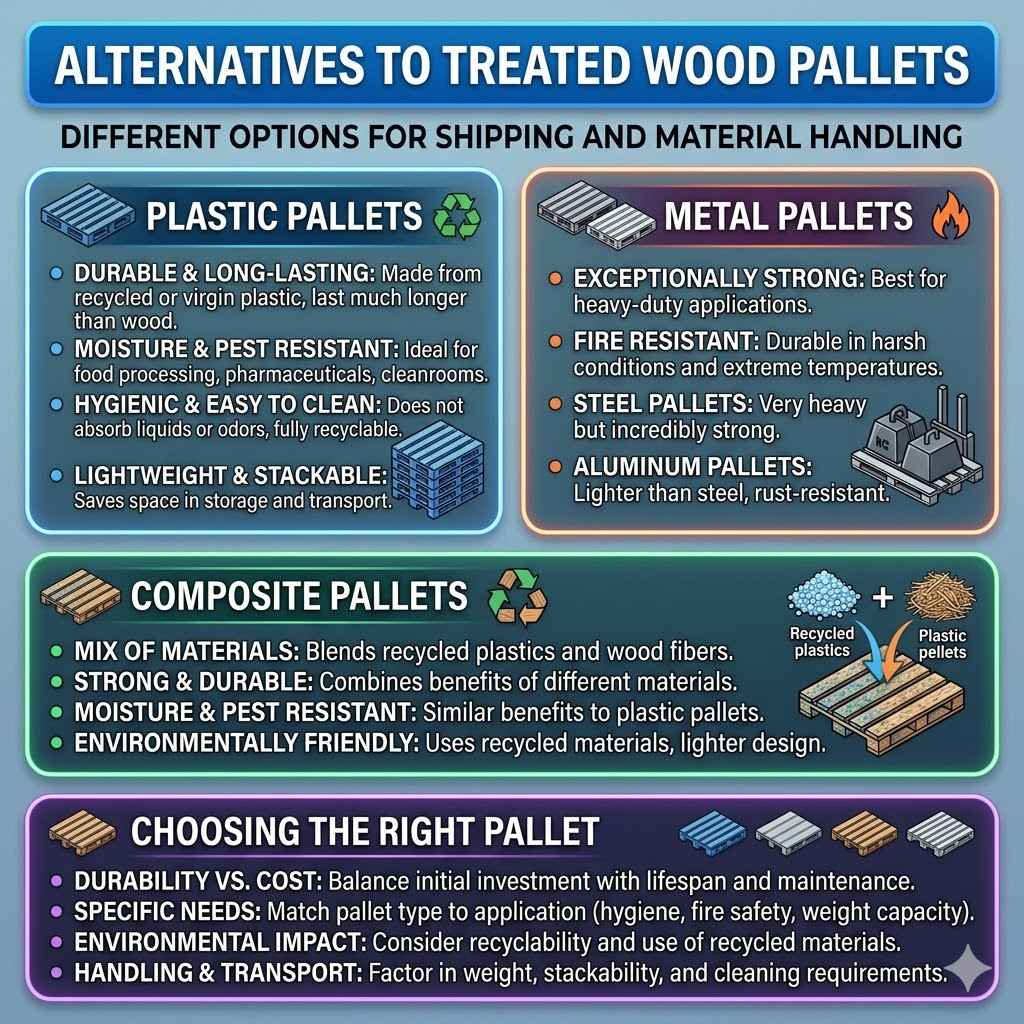
Alternatives to Treated Wood Pallets
While treated wood pallets are common, there are other options for shipping and material handling. These alternatives sometimes offer different benefits or address specific concerns.
Plastic Pallets
Plastic pallets are a popular alternative to wood. They are made from recycled or virgin plastic. They offer several advantages over wood.
Plastic pallets are very durable and can last much longer than wood pallets. They are also resistant to moisture, insects, and chemicals. This makes them ideal for use in food processing, pharmaceutical, and cleanroom environments where hygiene is critical.
Unlike wood, they do not absorb liquids or odors.
They are also lightweight and easy to clean. Many plastic pallets are stackable, saving space during storage and transport. While they may have a higher upfront cost than wood pallets, their longevity and lower replacement rate can make them more cost-effective in the long run.
They are also fully recyclable at the end of their life.
Metal Pallets
Metal pallets, typically made from steel or aluminum, are another alternative. They are exceptionally strong and durable. They are often used for heavy-duty applications or in environments where fire resistance is important.
Metal pallets can withstand extreme temperatures and harsh conditions. They are resistant to pests, rot, and corrosion. Steel pallets are very heavy but incredibly strong.
Aluminum pallets are lighter than steel but still offer excellent durability and are resistant to rust.
The main drawbacks of metal pallets are their weight and cost. Steel pallets can be very heavy, increasing shipping costs. Both steel and aluminum pallets are significantly more expensive than wood or plastic pallets.
However, their extreme durability and long lifespan make them a good investment for specific, demanding uses.
Composite Pallets
Composite pallets are made from a mix of materials, often including recycled plastics, wood fibers, and sometimes other additives. They aim to combine the benefits of different materials.
These pallets can be very strong and durable. They are resistant to moisture and pests, much like plastic pallets. Because they often use recycled materials, they can be an environmentally friendly option.
Some composite pallets are designed to be lighter than wood while still offering good load-bearing capacity.
The performance and cost of composite pallets can vary widely depending on their exact composition. They are a good option when a balance of strength, durability, and cost is needed. They also avoid the issues associated with chemical treatments in wood pallets.
Frequently Asked Questions
Question: What does HT on a pallet mean
Answer: HT on a pallet stamp means that the wood has been heat-treated. This is a process where the wood is heated to a specific temperature to kill insects and diseases. It is the most common and preferred treatment for international shipping.
Question: Can I use MB treated pallets for firewood
Answer: It is generally not recommended to use MB (methyl bromide) treated pallets for firewood. Burning chemically treated wood can release harmful substances into the air. It’s best to check local regulations for proper disposal of MB treated wood.
Question: Are all wooden pallets treated
Answer: No, not all wooden pallets are treated. Many pallets are made for local use and do not undergo official treatment. However, pallets intended for international shipping are required to be treated and stamped according to IPPC guidelines.
Question: How do I know if a pallet is safe for my garden
Answer: For garden use, especially for growing food, it is safest to use pallets that are stamped with “HT” (heat-treated). This ensures they are free from harmful pests and chemicals. Pallets without stamps can also be used but should be inspected for cleanliness and damage.
Question: Can I reuse pallets for indoor furniture
Answer: Yes, you can reuse pallets for indoor furniture. It is best to use heat-treated (HT) pallets or those without any stamps, provided they look clean and are structurally sound. Avoid pallets with stains or signs of chemical spills for indoor use.
Summary
So, to answer the question Are Pallets Made of Treated Wood?, the answer is sometimes yes and sometimes no. Many pallets, especially those for international shipping, are heat-treated (HT). This makes them safe and compliant.
Some older pallets might have been chemically treated (MB), but this is less common now due to environmental concerns. Always look for the IPPC stamp to know for sure. For DIY projects, HT or unstamped, clean pallets are your best bet for safety.