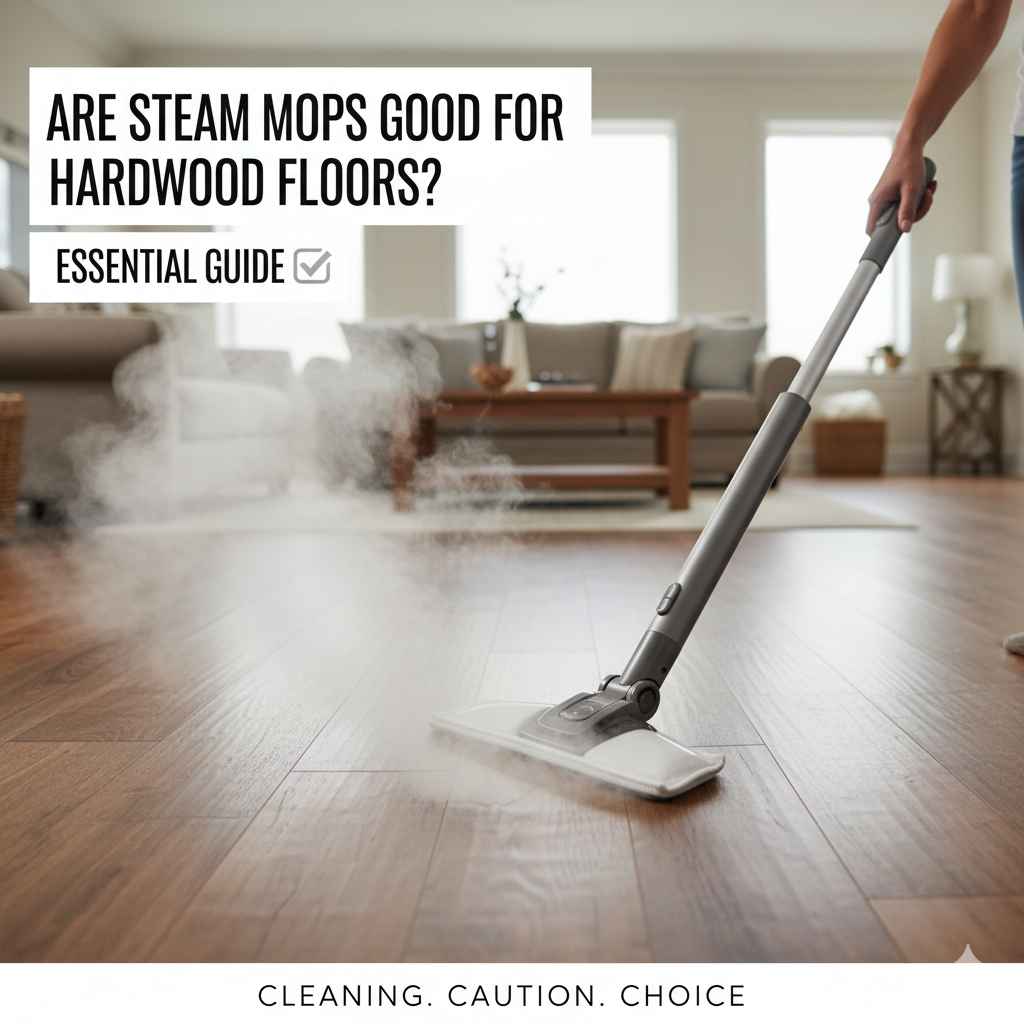
Are Steam Mops Good For Hardwood Floors: Essential Guide
Yes, steam mops can be good for hardwood floors when used correctly and with the right precautions. They offer a chemical-free, effective way to sanitize and clean, but excessive heat or moisture can damage the finish if not managed carefully. This guide will help you understand their suitability and how to use them safely.
Hey there, fellow DIYers and homeowners! Ever look at your beautiful hardwood floors and wonder about the best way to keep them sparkling clean without harsh chemicals while also protecting that lovely finish? It’s a common question, and one of the tools that often pops up is the steam mop. You see them advertised for deep cleaning, sanitizing, and tackling tough grime. But when it comes to the delicate nature of hardwood, a bit of caution and clear guidance is super helpful.
The big question on many minds is: “Are steam mops good for hardwood floors?” It can feel a little daunting thinking about introducing steam near your wood. But don’t worry, we’re going to break it all down! We’ll explore what makes them potentially great, what pitfalls to watch out for, and most importantly, how to use one safely and effectively to keep your hardwood looking its best for years to come. Let’s dive in and get those floors gleaming!
Understanding Steam Mops and Hardwood Floors
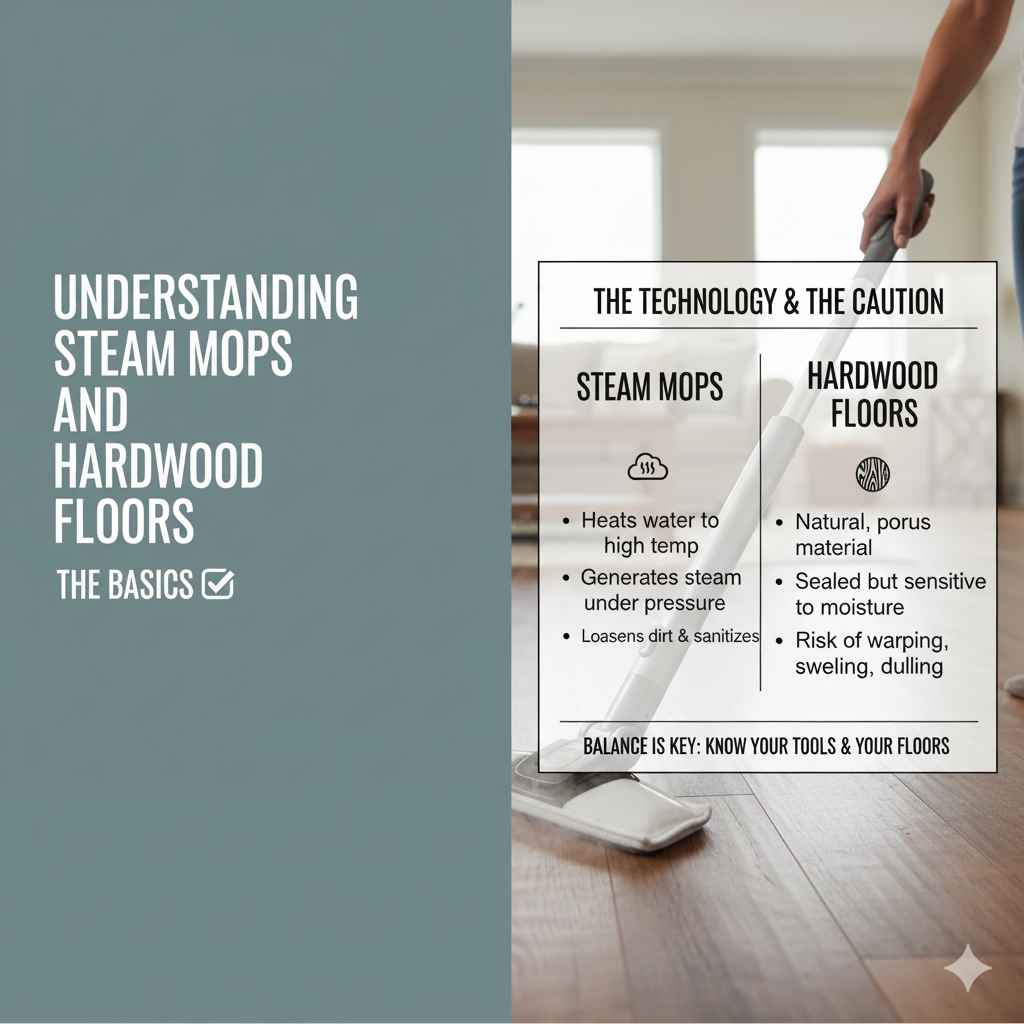
So, what exactly is a steam mop, and why is there a question mark over its use on hardwood? A steam mop uses the power of heated water (steam!) to clean surfaces. It essentially boils water and then directs the resulting steam, usually through a microfiber pad, to loosen dirt and sanitize. The magic is that it often does this without any cleaning solutions, which is fantastic for eco-conscious cleaning and for homes with kids or pets.
Hardwood floors, on the other hand, are made of natural wood. While they are sealed with a protective finish, they are susceptible to moisture damage. Excessive water can seep into the wood, causing it to warp, swell, or damage the finish, making it look dull or cloudy. This is where the caution comes in. The idea of blasting wood with hot steam might sound like a recipe for disaster to some, and it’s understandable why!
However, modern steam mops and the finishes on many hardwood floors have evolved. When used correctly, a steam mop can be a powerful ally in keeping your floors clean and hygienic. The key is balance and understanding the capabilities of both the tool and your floor.
The Pros of Using a Steam Mop on Hardwood Floors
Let’s look at why a steam mop might be a great addition to your cleaning arsenal for your hardwood floors:
- Chemical-Free Cleaning: This is a huge benefit. Many conventional floor cleaners can leave behind residues or contain harsh chemicals that might not be ideal for your home environment. Steam uses just water, making it a natural and safe option.
- Sanitization Power: The high heat of steam can kill bacteria, viruses, and dust mites without any disinfectants. This is particularly appealing for maintaining a healthy home. A study by the U.S. Environmental Protection Agency (EPA) notes that steam can be an effective method for reducing microbial contamination.
- Effective Grease and Grime Removal: For tougher spots or sticky messes, the heat and moisture from steam can help break down grease and grime more effectively than a standard mop and bucket.
- Quick Drying Time (When Used Correctly): The steam generated is typically hot vapor, meaning it evaporates quickly. When used with the right technique and pads, this minimizes the amount of moisture left on the floor.
- Good for Sealed Floors: If your hardwood floors have a modern, durable polyurethane or similar sealed finish, a steam mop is generally safe. These finishes are designed to resist moisture.
The Cons and Risks of Using a Steam Mop on Hardwood Floors
Now, for the other side of the coin. It’s crucial to be aware of the potential downsides and risks:
- Potential for Water Damage: This is the biggest concern. If too much water is applied, or if it’s left to sit, it can penetrate the wood and warp it, lift veneers, or damage the glue holding engineered wood together.
- Damage to the Finish: Older finishes, waxed finishes, or unfinished wood are highly susceptible to damage from steam. The heat can melt wax, and moisture can easily penetrate unsealed wood, causing irreversible damage.
- Swelling and Warping: Wood expands and contracts with moisture changes, and applying excessive steam can lead to swelling. Over time, this can cause planks to warp or cup.
- Cloudy or Dull Appearance: If steam or moisture is trapped under the finish, it can leave white or cloudy marks, dulling the natural sheen of the wood.
- Not Suitable for All Wood Floors: As mentioned, older homes, homes with waxed finishes, or certain types of engineered wood might not be compatible with steam mops at all.
Are Steam Mops Good for Hardwood Floors? A Breakdown
To truly answer “are steam mops good for hardwood floors,” we need to consider the type of floor finish and the steam mop itself. The effectiveness and safety largely depend on these factors.
Type of Hardwood Floor Finish
This is arguably the most critical factor. Most modern hardwood floors use a surface seal that is impermeable to moisture for a reasonable period. These often include:
- Polyurethane: Very common and durable, offering good resistance to moisture and wear.
- Urethane/Aluminum Oxide: Even tougher finishes found on some engineered wood and high-traffic floors.
- Polyakryl (often found in water-based finishes): Also provides a good protective layer.
Floors with these types of finishes are generally considered safe for steam mopping, provided you use the mop correctly. However, older finishes or those that are more permeable can be a problem:
- Waxed Finishes: Wax is melted by heat, and moisture can easily penetrate. Steam mops should almost never be used on waxed floors.
- Oil-Finished Floors: While durable in their own way, these finishes penetrate the wood rather than sit on top. They are usually not recommended for steam mops as moisture can still affect the wood itself.
- Unfinished or Damaged Finishes: Obvious candidates for damage. If the protective seal is broken, steam will directly interact with the raw wood.
Understanding Your Steam Mop
Not all steam mops are created equal. When considering one for hardwood, look for features like:
- Adjustable Steam Settings: The ability to control the amount of steam is vital. A low-to-medium setting is essential for wood.
- Quick Heat-Up Time: This usually means the water is converted to steam quickly, minimizing the time it sits on the floor.
- Microfiber Pads: Good quality microfiber pads absorb excess moisture and are excellent for cleaning without scratching.
- Lightweight Design: Makes it easier to maneuver and less likely to press down too hard, forcing moisture into the floor.
Some steam mops are specifically designed or marketed for use on multiple floor types, including sealed hardwood. These often have gentler steam output and specialized pads.
How to Safely Steam Mop Your Hardwood Floors
If you’ve determined your floors are suitable and you have a compatible steam mop, here’s how to proceed with confidence:
- Confirm Your Floor Type: If you’re unsure about your floor’s finish, it’s best to err on the side of caution. Consult the flooring manufacturer or a floor professional. You can also test in an inconspicuous area.
- Prepare Your Floors: Before you even think about steam, thoroughly sweep or vacuum your hardwood floors. This removes all loose debris, grit, and dust that could scratch the floor during mopping or get embedded in the microfiber pad.
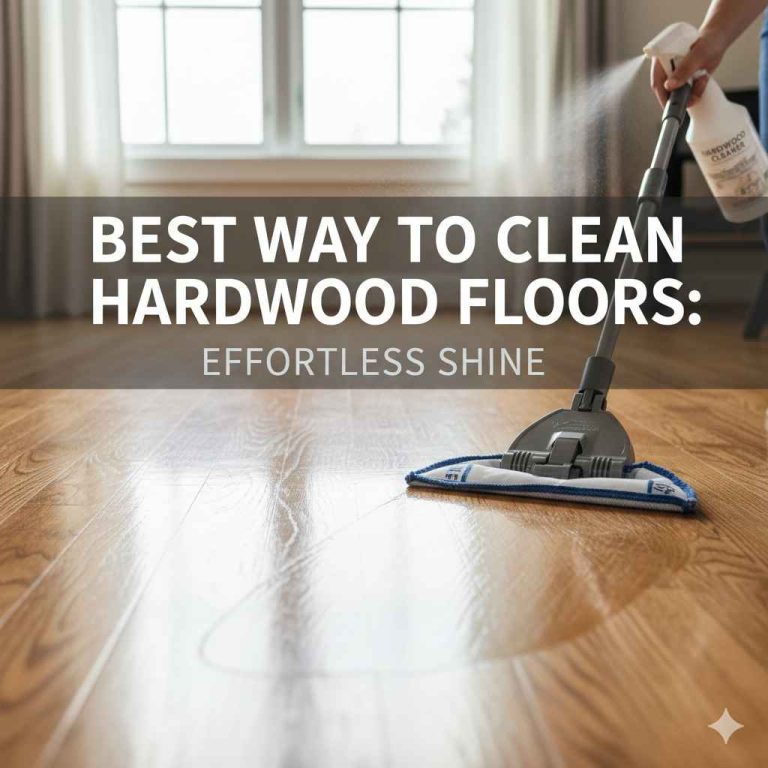
- Check Your Steam Mop Settings: Ensure your steam mop is set to the lowest possible steam output. High heat and constant steam can be damaging. Most manufacturers recommend a “low” or “medium-low” setting. Some experts recommend using steam mops for no more than 10-15 seconds per section at a time to prevent moisture buildup.
- Use the Right Pads: Always use clean microfiber pads designed for steam mops. Ensure they are damp, not soaking wet, when you start.
- Work in Small Sections: Don’t let the mop linger in one spot. Move it in a steady, consistent motion across the floor. Work in small, manageable areas.
- Allow for Quick Drying: The steam should evaporate within seconds. If you notice standing water or the floor looks visibly wet, you’re using too much steam or moving too slowly. Stop immediately and allow the area to dry completely. You may need to adjust your technique or steam setting.
- Avoid Edges and Joints: Pay extra attention to the edges of the floor and the natural expansion joints between planks. Excessive moisture in these areas can be particularly problematic.
- Don’t Over-Steam: A quick pass is usually sufficient. The goal is to sanitize and lightly clean, not to saturate the floor. Think of it as a light misting rather than a soaking.
- Let Floors Dry Completely: After steam mopping, allow the floors to air dry completely before walking on them.
- Regular Maintenance is Key: Frequent, light cleaning with a steam mop (following these guidelines) is better than letting dirt build up and then attempting a deep, potentially damaging clean.
When NOT to Use a Steam Mop on Hardwood
It’s just as important to know when to put the steam mop away:
- Waxed Floors: Absolutely not. The heat will melt the wax and create a sticky mess that’s incredibly difficult to clean and can damage the floor.
- Oil-Finished Floors: These are porous and can absorb moisture, leading to structural issues.
- Unfinished Wood: Raw wood will absorb moisture and is prone to swelling and warping.
- Damaged or Worn Finishes: If the protective seal is scratched, chipped, or worn away, steam can easily penetrate to the wood, causing damage.
- Engineered Wood (with caution): Some very high-quality, well-sealed engineered wood might tolerate it, but it’s a higher risk. The steam could potentially degrade the adhesives holding the layers together. Always check the manufacturer’s recommendations.
- When in doubt: If you’re unsure about your finish or the age/condition of your floors, it’s always best to opt for a more traditional, low-moisture cleaning method like a damp mop with a wood-specific cleaner or a dry microfiber mop.
Alternatives to Steam Mops for Hardwood Floors
If steam mopping seems too risky for your floors, or you just prefer other methods, here are some excellent alternatives:
- Dry Microfiber Mop: This is the simplest and safest way to clean hardwood floors daily. It picks up dust, dirt, and pet hair effectively without any moisture.
- Damp Mopping with Wood-Specific Cleaner: Use a well-wrung-out mop (meaning it’s barely damp, not wet) with a cleaner specifically formulated for hardwood floors. Never use general-purpose cleaners, vinegar, or ammonia, as these can dull or damage the finish. For example, brands like Bona and Murphy Oil Soap offer hardwood floor cleaners. Always follow the product dilution instructions.
- Vacuuming: Use a vacuum cleaner with a soft brush attachment or a setting specifically for hard floors. Avoid vacuums with beater bars that can scratch or dent the wood.
- Spot Cleaning: For spills or sticky spots, address them immediately with a clean, damp cloth and a tiny bit of wood floor cleaner.
A great resource for proper wood floor care can be found on the National Wood Flooring Association (NWFA) consumer care page, which provides extensive guidance on maintaining different types of wood flooring.
Steam Mop Features to Look For (if you decide to buy one)
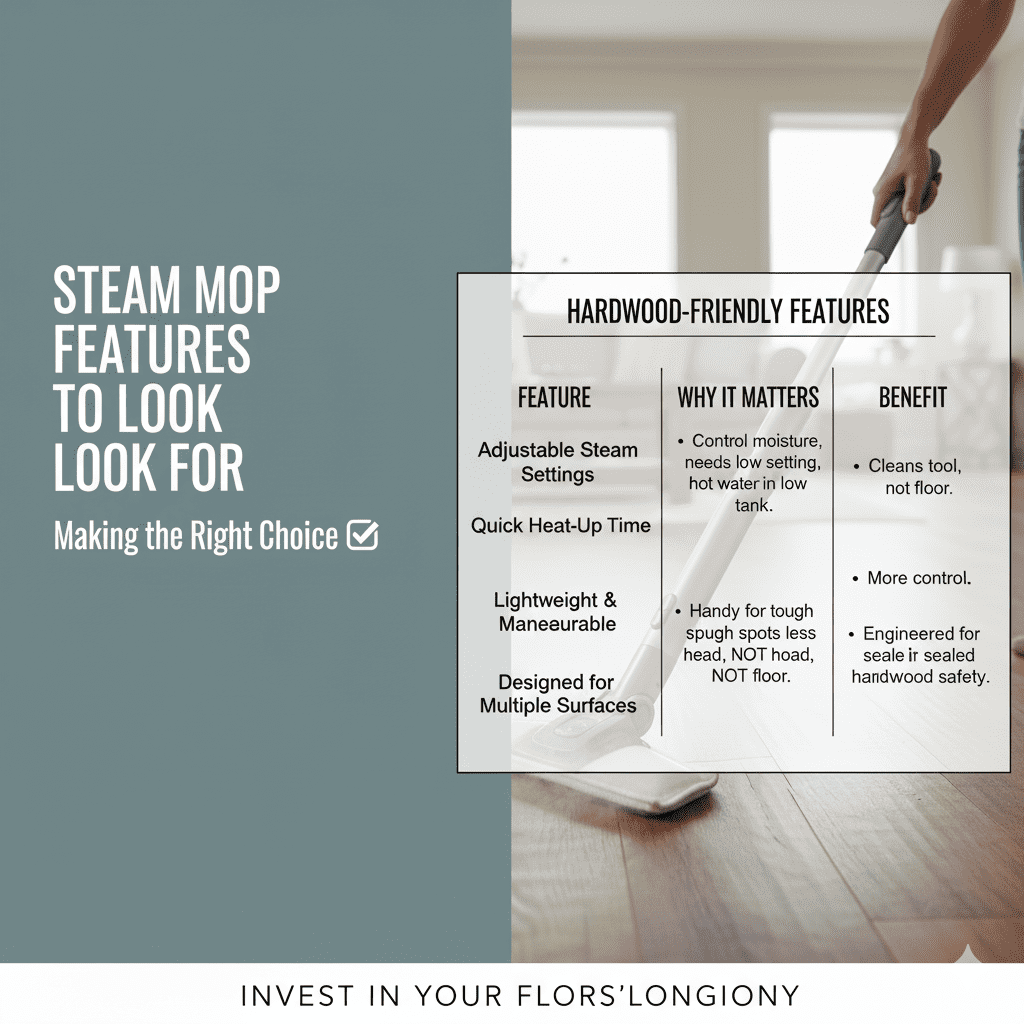
When choosing a steam mop with hardwood floors in mind, prioritize these features:
| Feature | Why it Matters for Hardwood | Example Benefit |
|---|---|---|
| Adjustable Steam Settings | Crucial for controlling moisture. You need a low setting. | Prevents oversaturation and potential damage. |
| Quick Heat-Up Time | Minimizes the time hot water sits in the tank, reducing the chance of overheating the machine. | Faster cleaning with less waiting. |
| Lightweight and Maneuverable | Easier to glide over floors without excessive pressure. | More control, less risk of pressing too hard. |
| Included Scrubbing/Scraper Tool (use with extreme caution!) | Handy for tough spots, but never use directly on wood finish. | Useful for cleaning the mop head itself, not the floor. |
| Multiple Pad Attachments | Different pads can offer varying levels of absorbency and cleaning power. | Ensures you can find a pad suitable for a gentle clean. |
| Designed for Multiple Surfaces | Brands advertising suitability for sealed hardwood are often engineered with these considerations. | A strong indicator the manufacturer has considered wood floor safety. |
Frequently Asked Questions (FAQ)
Can I use a steam mop on my laminate or vinyl floors?
Generally, yes, but with the same precautions as hardwood. Always check the manufacturer’s recommendations for your specific flooring. Excessive heat and moisture can still damage laminate and vinyl over time, especially at the seams.
How often should I steam mop my hardwood floors?
For most sealed hardwood floors, steam mopping isn’t an everyday task. Once every few weeks to once a month, depending on traffic and how dirty they get, is usually sufficient. Daily cleaning should be done with a dry microfiber mop.
My steam mop left my floors looking dull. What did I do wrong?
This is likely due to using too much steam or moisture, which can penetrate the finish and leave a cloudy residue. Ensure you’re on the lowest setting, move quickly, and allow the floor to dry immediately. You may need to use a wood floor cleaner designed to remove dullness or residue.
What if my steam mop doesn’t have a low steam setting?
If your steam mop lacks adjustable settings and only offers one (usually high) steam output, it’s probably not suitable for your hardwood floors. It’s safer to stick to a damp mop or dry microfiber. Consult your steam mop’s manual; some might have recommendations for use on specific floor types you can look up.
Can I add essential oils or other cleaners to my steam mop water?
No. Most steam mops are designed to use only water. Adding essential oils, vinegar, bleach, or other cleaning solutions can damage the internal components of the mop, void the warranty, and potentially harm your floors.
How do I know if my hardwood floor is sealed properly?
The easiest way is often visual: a sealed floor will have a sheen and water will bead up on the surface for a short time. For a simple test, drop a tiny bit of water in an inconspicuous spot. If it beads up and doesn’t soak in immediately, it’s likely sealed. If it soaks in quickly or leaves a dark spot, the seal might be compromised. Always consult your flooring manufacturer if unsure.
Conclusion
So, to circle back to our main question: “Are steam mops good for hardwood floors?” The answer is a nuanced but empowering yes, with significant caveats. When your hardwood floors are properly sealed with a durable finish like polyurethane, and you use a steam mop on its lowest setting, moving quickly and avoiding saturation, it can be an effective, chemical-free way to keep them clean and sanitized. The key is always moderation and understanding the limitations of both the tool and your flooring.
Always prioritize checking your floor’s finish and manufacturer recommendations. When in doubt, a dry microfiber mop or a very lightly damp mop with a wood-specific cleaner is always a safer bet. By following these guidelines, you can confidently clean your hardwood floors, enhance their natural beauty, and maintain a healthy home environment, ensuring your beautiful wood surfaces remain a source of pride for years to come. Happy cleaning, and happy crafting!